AUTOOL Blog, Repair Information
How to Do a Spark Plug Replacement by Yourself

October 14, 2025
Share:
 autoolstore.com
Spark plugs play a vital role in your vehicle’s engine. They ignite the air-fuel mixture inside the combustion chamber and help ensure smooth engine performance.
Over time, spark plugs wear out, which can lead to misfires, rough idling, poor fuel efficiency, difficulty starting, and loss of power during acceleration. The good news is that spark plug replacement by yourself is not as difficult as it seems. With the right tools and a bit of patience, you can save money, extend your engine’s life, and get the satisfaction of doing the job yourself.
How can you confirm whether you need to replace your spark plugs? The following summarizes some common signs to help you determine if replacement is needed.
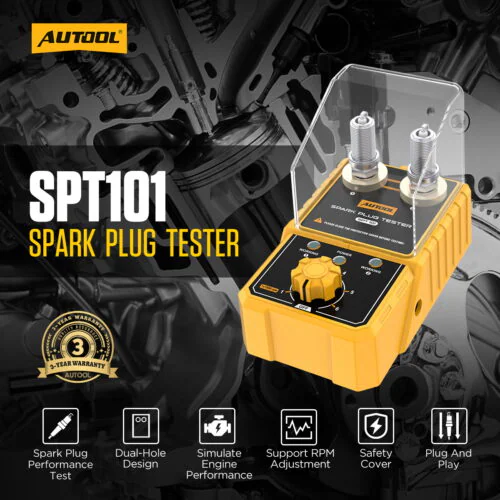
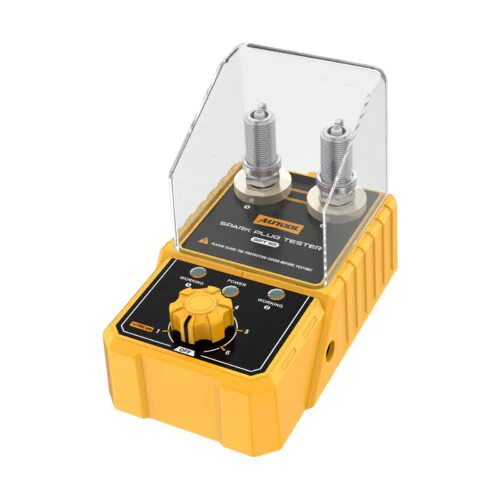
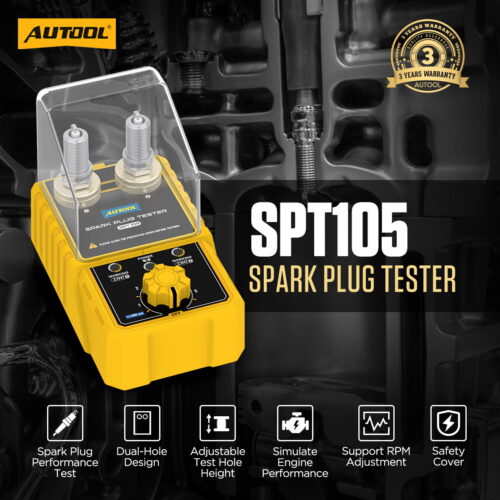
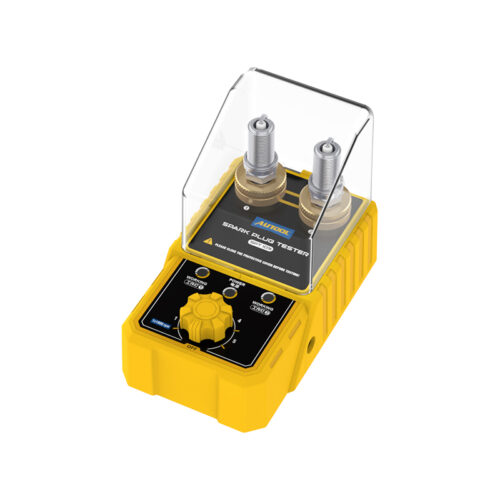
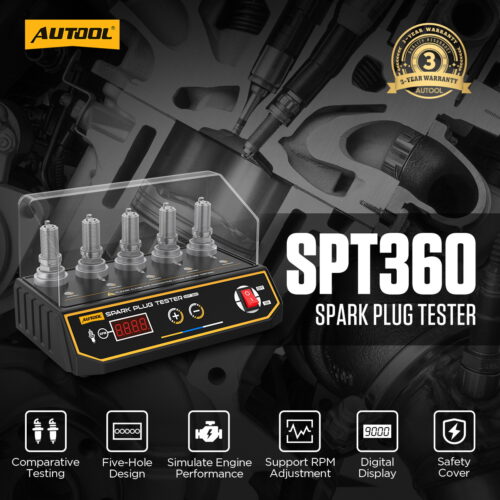
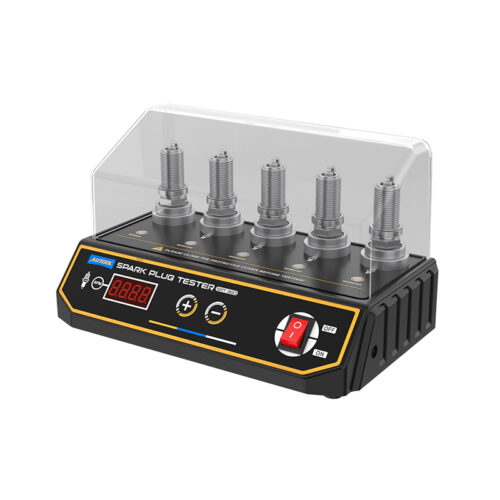
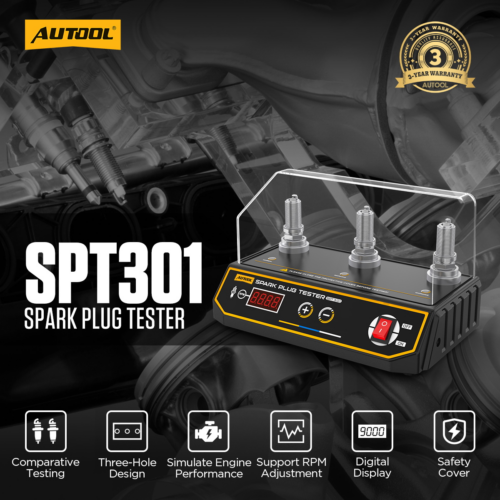
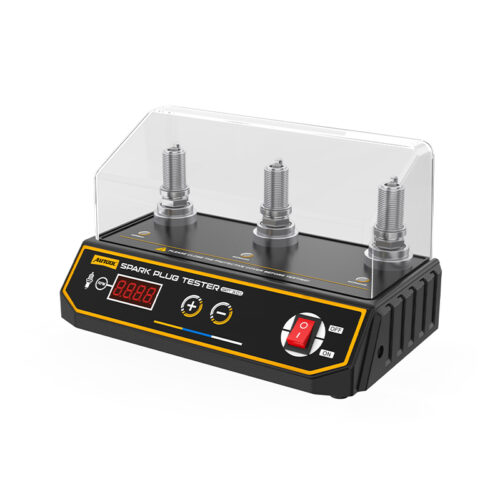
If the car shows these symptoms but you are not sure which spark plug has the problem, remove the spark plug and test it with a professional spark plug tester.
Prepare everything before starting so the job goes smoothly.
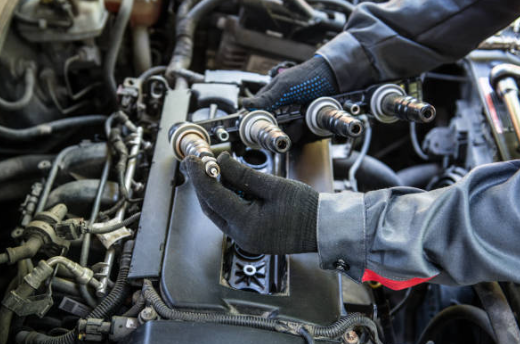
Gently pull the ignition coil or spark plug wire off the plug. Avoid yanking the wire itself. Use the boot instead.
Use your spark plug socket and ratchet to carefully unscrew the plug. If it feels stuck, do not force it. Apply a bit of penetrating oil and try again later.
Check for black carbon deposits, oil fouling, or burnt electrodes. These can indicate other engine issues.
Use a gap gauge to verify the gap matches your vehicle’s specifications. Apply a small amount of anti-seize to the threads if the manufacturer allows it.
Carefully thread the plug by hand to avoid cross-threading. Then tighten it with a torque wrench to the manufacturer’s recommended setting.
Apply a little dielectric grease inside the boot to prevent moisture and ensure a good electrical connection.
Work one cylinder at a time to avoid mixing up the firing order.
If everything runs smoothly, congratulations, you’ve done it. Record the mileage and date of replacement for future maintenance.
Replacing your spark plugs yourself is one of the simplest and most rewarding maintenance tasks you can do for your car. It improves fuel efficiency, restores power, and keeps your engine running at peak performance. With some basic tools and careful attention to detail, you can save on labor costs and gain hands-on experience maintaining your own vehicle.
Related Products
Rendered through WooCommerce product shortcode so the cards inherit the global product-card structure and Blocksy/WooCommerce styles.