Purchase Guides
How to choose an air compressor?

March 20, 2026
Share:
 autoolstore.com
Workshop Air Supply
Choosing the right air compressor can feel overwhelming, especially with so many models, specifications, and applications available.
Whether you are setting up a new workshop or upgrading your equipment, selecting the right compressor is essential for efficiency and performance. This guide will help you understand key specifications, real-world usage needs, and common buying mistakes, so you can make the right choice.

Before buying an air compressor machine, you need to understand a few critical parameters: CFM, PSI, tank size, and power.
CFM measures airflow output. Low-demand tools usually need 2-5 CFM, medium tools need 5-10 CFM, and high-demand tools need 10+ CFM. If your compressor does not provide enough CFM, your tools will not perform properly.
PSI indicates air pressure level. Most automotive tools require 90-120 PSI. Higher PSI does not always mean better; it must match the tool requirement.
The tank determines how long you can use tools continuously. Small tanks of 6-20L are portable for short use, medium tanks of 20-50L suit general workshops, and large tanks of 50L+ support continuous professional use.
Horsepower reflects motor strength. 1-2 HP fits light tasks, 2-3 HP fits general workshop use, and 3+ HP is better for heavy-duty applications.
A common mistake many buyers make is focusing solely on air compressor specifications while neglecting their actual usage needs. Based on your usage scenario, consider the following suggestions.
If you only use it occasionally at home, such as in a quiet garage or yard corner, and you do not typically operate it continuously for extended periods, choose a 6-24 liter air tank and 2-5 CFM airflow.
If your shop is small and primarily performs routine car repairs, the machine will be used frequently each day, but for short periods at a time. Examples include tire shops, motorcycle repair shops, or on-call repair shops where two people may use air simultaneously without prolonged high-flow consumption.
For this use case, choose a 24-50 liter air tank and 5-10 CFM airflow, which is sufficient for routine repairs and moderate-intensity pneumatic tool needs.
If you are running a sheet metal spray painting booth, furniture factory, modification workshop, or small manufacturing plant, the compressor may run continuously for half a day or even a full day. Multiple spray guns and pneumatic grinders can consume almost constant airflow, and insufficient air volume will lead to uneven painting or poor sanding results.
For high-frequency, long-term continuous use, choose a 50-liter or larger air tank and airflow of at least 10 CFM to support simultaneous operation of multiple tools and continuous work without pressure loss.
| Type | Advantages | Disadvantages | suitable for |
|---|---|---|---|
| Oil-Free Air Compressor | Low maintenance cost, cleaner air output, easy to use. | Less durable under heavy load, shorter lifespan. | Light-duty tasks, home garages, DIY users. |
| Oil-Lubricated Air Compressor | More durable, better for heavy-duty use, longer lifespan. | Requires regular maintenance and air may contain oil traces. | Professional workshops, continuous operation, heavy-duty tools. |
| Type | Power Source | Advantages | Disadvantages | suitable for |
|---|---|---|---|---|
| Electric Air Compressor | Electricity | Easy to use, low noise, suitable for indoor use, lower maintenance. | Limited mobility and requires power supply. | Home garages, repair shops, indoor use. |
| Gas Air Compressor | Gasoline Engine | High mobility, no need for electricity, suitable for outdoor use. | Noisy, higher maintenance, emits exhaust gases. | Construction sites and outdoor work. |
| Diesel Air Compressor | Diesel Engine | High power output, fuel efficient for heavy-duty use, durable. | Expensive, large size, higher noise. | Industrial use and large workshops. |
| Battery-Powered Compressor | Rechargeable Battery | Portable, lightweight, no cords needed. | Limited power and short runtime. | Emergency use and inflation tasks. |
A cheap compressor may not meet the needs of your tools.
This is the most common problem: the tool will not function properly if airflow is insufficient.
Insufficient power leads to frequent downtime and inefficiency.
Always allow sufficient capacity headroom for future tools and workload growth.
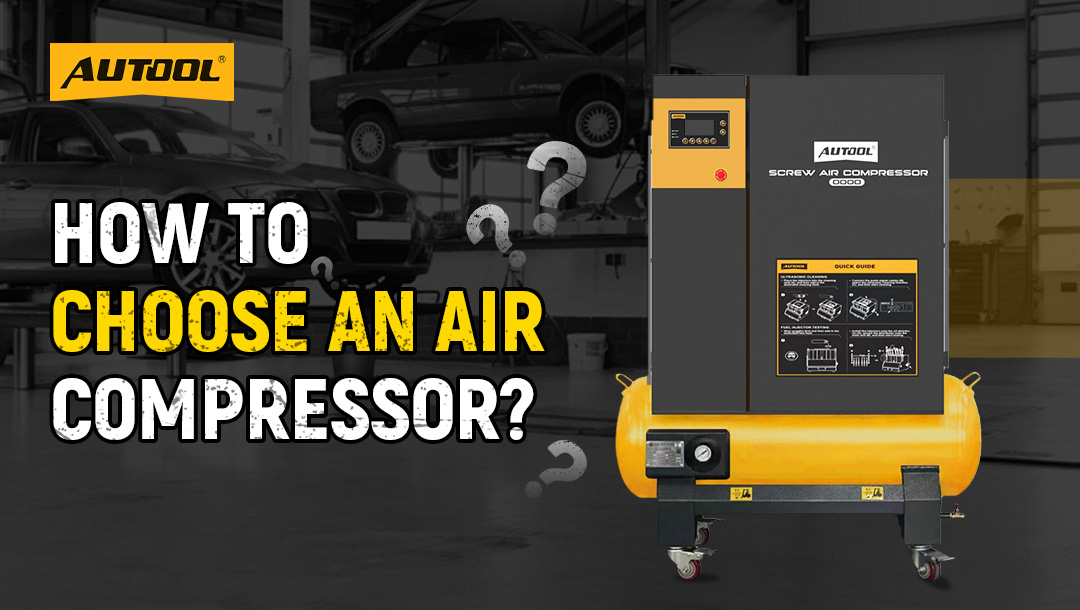
Choosing the right air compressor is not just about specifications; it is about finding a machine that truly matches your workload. If you are looking for a reliable, high-performance solution for long-term use, industrial-grade air compressors are built to deliver consistent power and efficiency. More importantly, they are compatible with AUTOOL dry ice cleaning machines.
We offer two powerful configurations designed for medium to high-demand workshops: a 7.5kW air compressor for regular workshop use and an 11kW air compressor for heavier continuous work.
| Configuration | 7.5kW Air Compressor | 11kW Air Compressor |
|---|---|---|
| Tank Capacity | 200L | 300L |
| Power | 7.5 kW | 11 kW |
| Pressure | 10 bar | 10 bar |
| Frequency | 60 Hz | 60 Hz |
| Cooling System | Oil-cooled | Oil-cooled |
| Color | Custom Yellow + Black | Custom Yellow + Black |
| Dimensions | 1075 x 540 x 1110 mm | 1075 x 540 x 1110 mm |
| Weight | 650 kg | 700 kg |
| Ideal For | Small to medium repair shops, tire service centers, and workshops with moderate daily usage. | Professional workshops, spray painting, and continuous multi-tool operation. |
Most auto tools require at least 5-10 CFM of airflow and 90-120 PSI of pressure. For professional repair shops, a more powerful air compressor is recommended.
Not necessarily. Larger compressors are more expensive and consume more electricity. The right choice depends on your specific needs.
Yes, but only if the airflow (CFM) is sufficient. Otherwise, performance will decrease.
Yes, in many cases, an air compressor should have a drying function or be used with an air dryer. For basic tasks such as inflating tires or simple DIY work, a drying system may not be necessary. For auto repair shops, especially when using spray guns, diagnostic equipment, or precision instruments, a drying system is strongly recommended.
The best air compressor is the one that matches your tools, workload, airflow demand, and future growth. CFM, PSI, tank size, power, oil type, and power source all matter, but actual usage scenario should drive the final choice.
Contact AUTOOL for a quote on air compressors and product shipping solutions.
Related Products
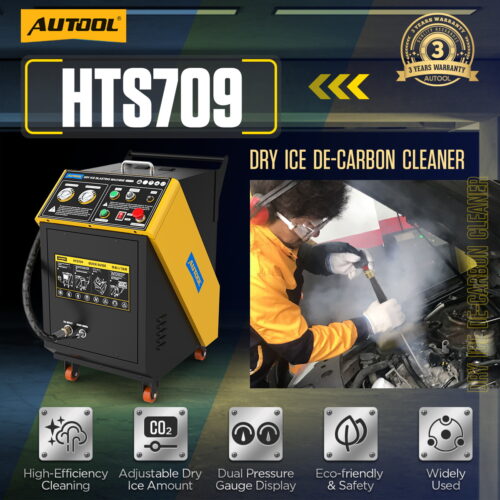
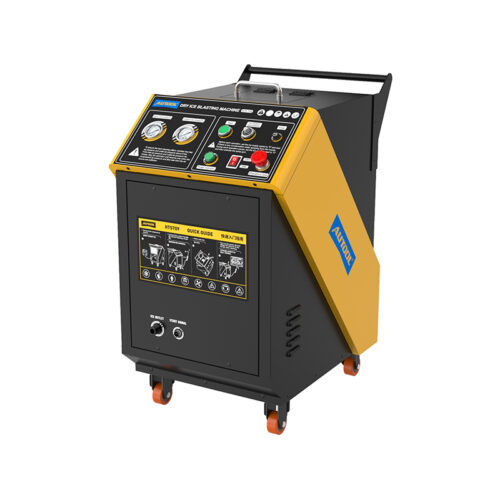
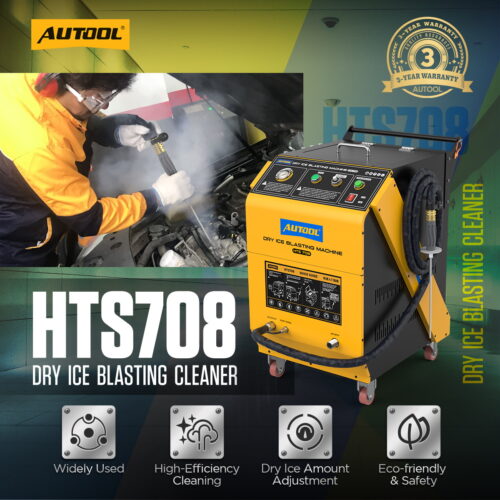
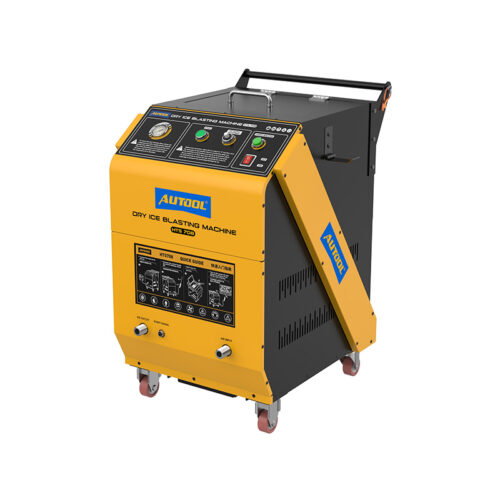
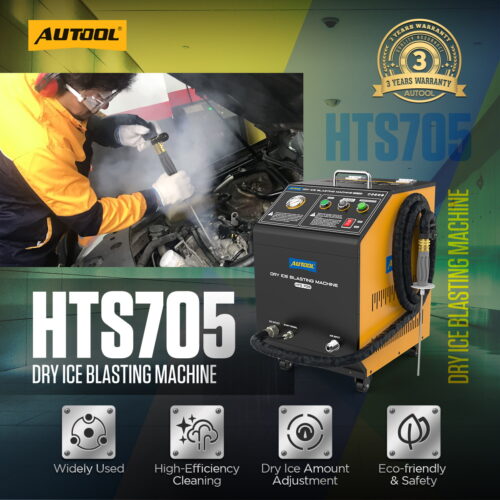
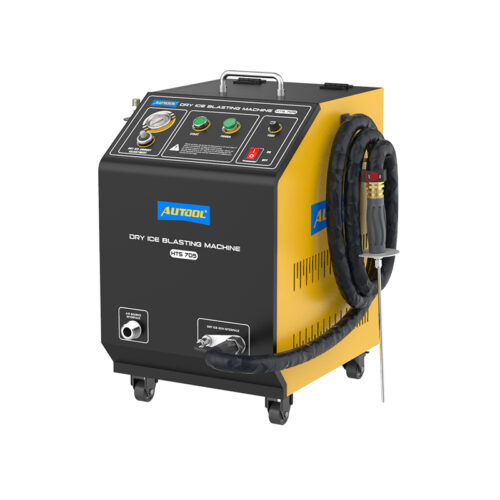
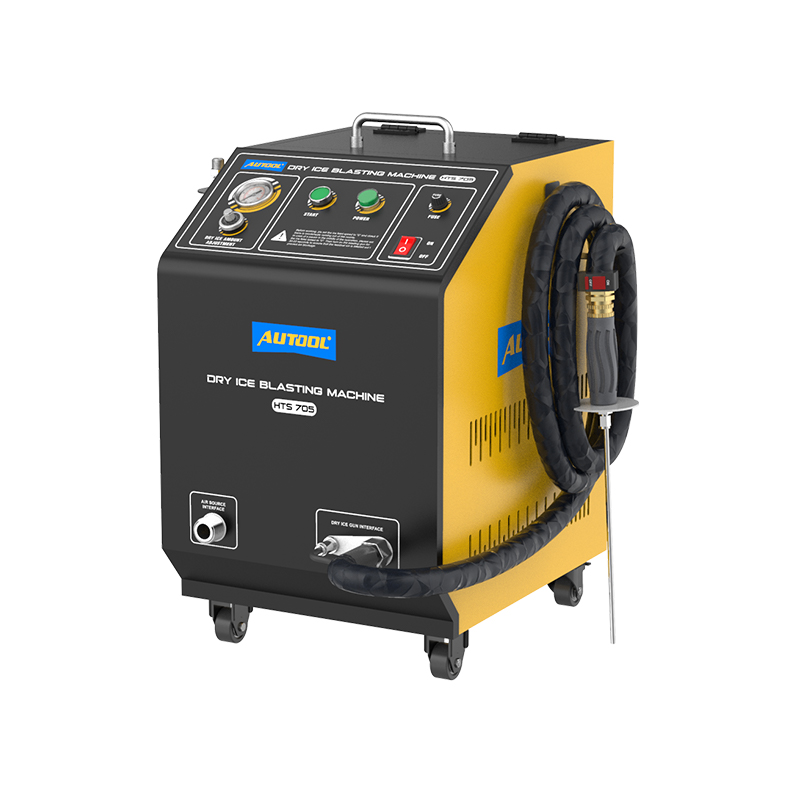
The product cards below focus on dry ice cleaning machines and related equipment that depend on stable compressed air supply in workshop use.