Uncategorized
Engine Decarbonization-Why and Solutions

April 17, 2024
Share:
 autoolstore.com
The engine is the heart of the car, and its operating quality affects the safety and comfort of the driving experience. As mileage increases, sludge and carbon generated by the engine can precipitate and become a stubborn problem that affects healthy engine operation.
To travel safely and slow the aging of the vehicle, it is important to remove carbon deposits on a regular basis. Carbon cleaning, also known as engine decarburization or engine decarbonization, removes soot and carbon deposits from inside the engine to help improve vehicle performance.
Basic definition
Engine decarbonization is the process of eliminating excess carbon deposits produced by fuel combustion. Over time, carbon produced during combustion can accumulate and cause damage to internal engine components.
The original article identifies several common causes of carbon build-up:
Fuel combustion can also result in black smoke. That smoke may harden on internal engine components such as injector nozzles, cylinder walls, intake valves, and other parts, eventually affecting their function.
Carbon build-up risk
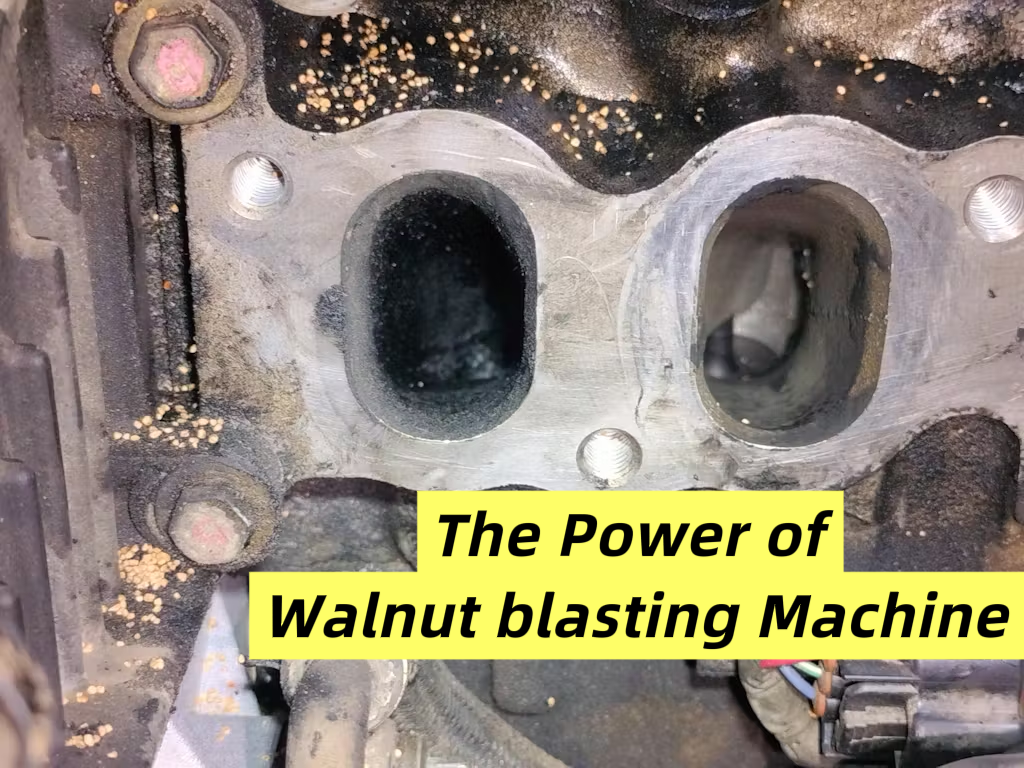
Soot is a byproduct of fuel combustion. It can accumulate around many engine components, including exhaust valves, pipes, cylinder heads, pistons, intake pipes, fuel injectors, and other parts. Over time, this build-up can impair the function of those components.
One effective method for preventing abnormalities is to decarbonize the engine. Another is to clean carbon from specific parts, such as:
Timing and symptoms
The original maintenance suggestions are based on mileage and the parts being cleaned:
In general, if the car is used in the city for a long time, the original article recommends cleaning carbon around 20,000-30,000 kilometers. If the car is driven on highways for a long time, cleaning may be done around 30,000-40,000 kilometers.
Still struggling with carbon build-up in your car?
Maintenance Reminder
Cleaning methods
The original article introduces two prevalent forms of carbon cleaning: chemical cleaning and logistic cleaning. The detailed explanation provided in the original content focuses on chemical decarbonization.
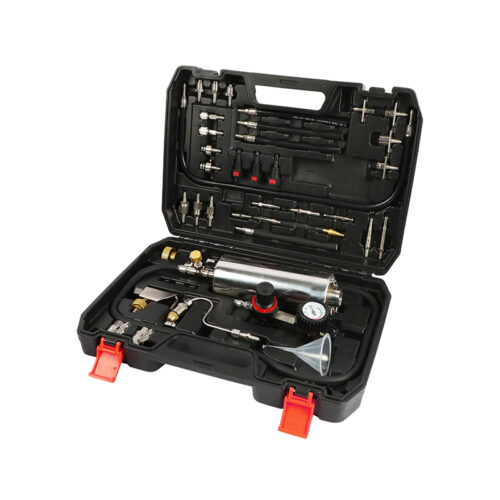
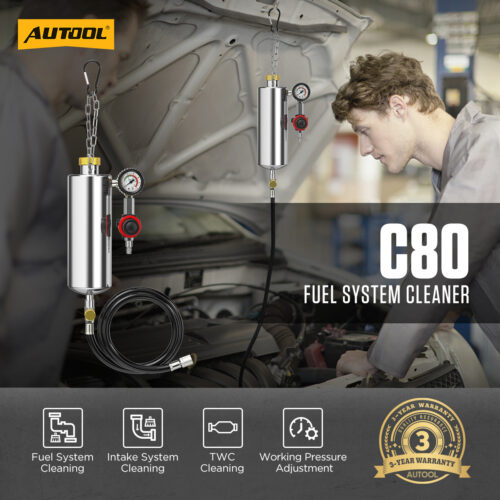
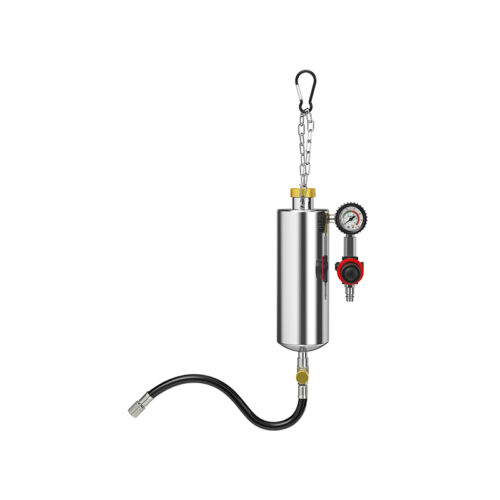
Chemical decarbonization is also described as no-disassembly cleaning or bottle cleaning. In this method, a cleaning agent is discharged into the intake tract, where it dilutes and softens carbon, transforming it into a slurry that is discharged from the cylinder and out of the combustion chamber.
The general cleaning objects include the intake tract, throttle, intake valve, fuel injector, and cylinder interior. The advantage of this method is that it can be carried out without dismantling. However, the disadvantage is that it is impossible to visualize the cleaning effect.
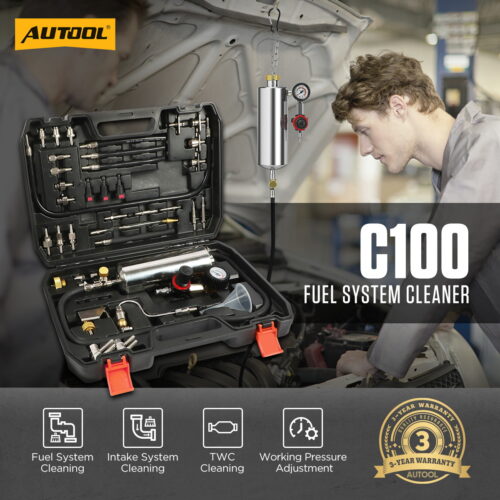
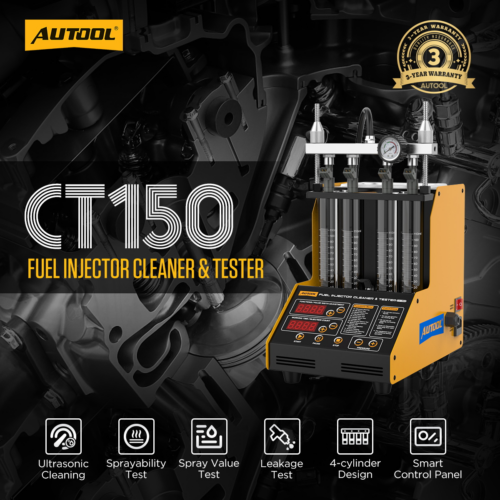
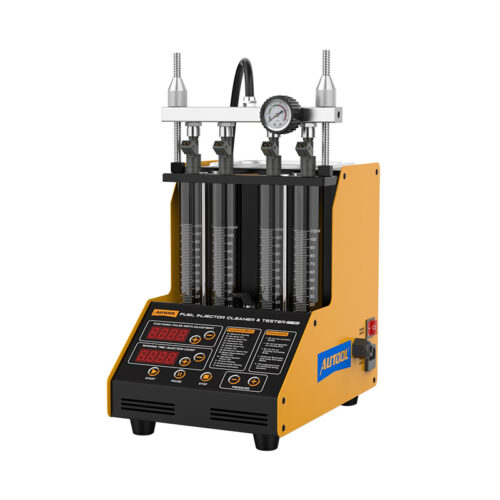
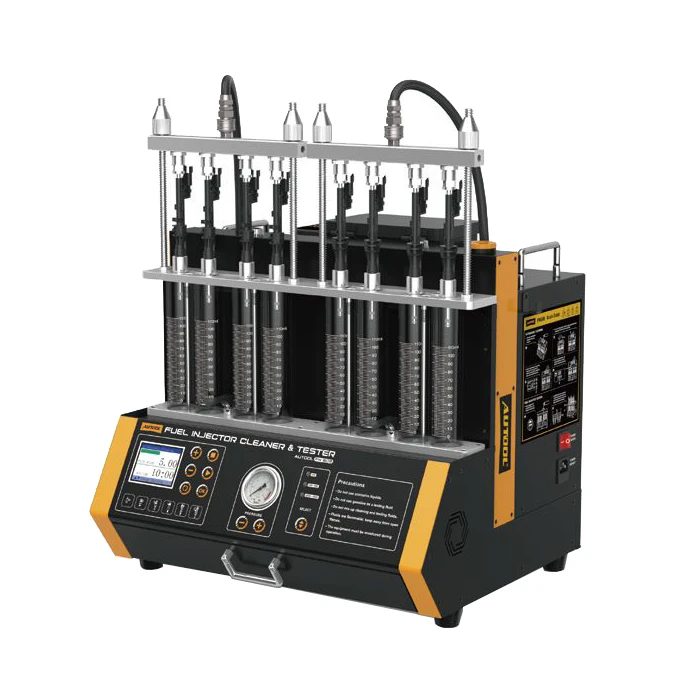
The original article links to AUTOOL C100 and a related video for users who want to learn more about fuel injector and engine carbon cleaning.
Related Products
Rendered through WooCommerce product shortcode so the cards inherit the global product-card structure and Blocksy/WooCommerce styles.