News & Events, Uncategorized
Getting Your Car Ready for Fall and Winter: Why Seasonal Maintenance Matters

September 9, 2025
Share:
 autoolstore.com
Car seasonal maintenance may sound like an old topic, but it is one that truly makes a difference, especially during seasonal changes. After enduring a hot and rainy summer, your vehicle may have picked up hidden issues. As fall and winter approach, the driving environment changes dramatically: colder temperatures, rain, snow, and icy roads all put extra demands on the car.
Just like people, cars need different care in different seasons. The right maintenance helps the vehicle run smoothly, extends its lifespan, and keeps you safer on the road. Even before the crisp winds and icy mornings of late autumn fully arrive, it is a good time to act by replacing fluids, checking tire pressure, and inspecting the undercarriage.
Routine maintenance before fall and winter
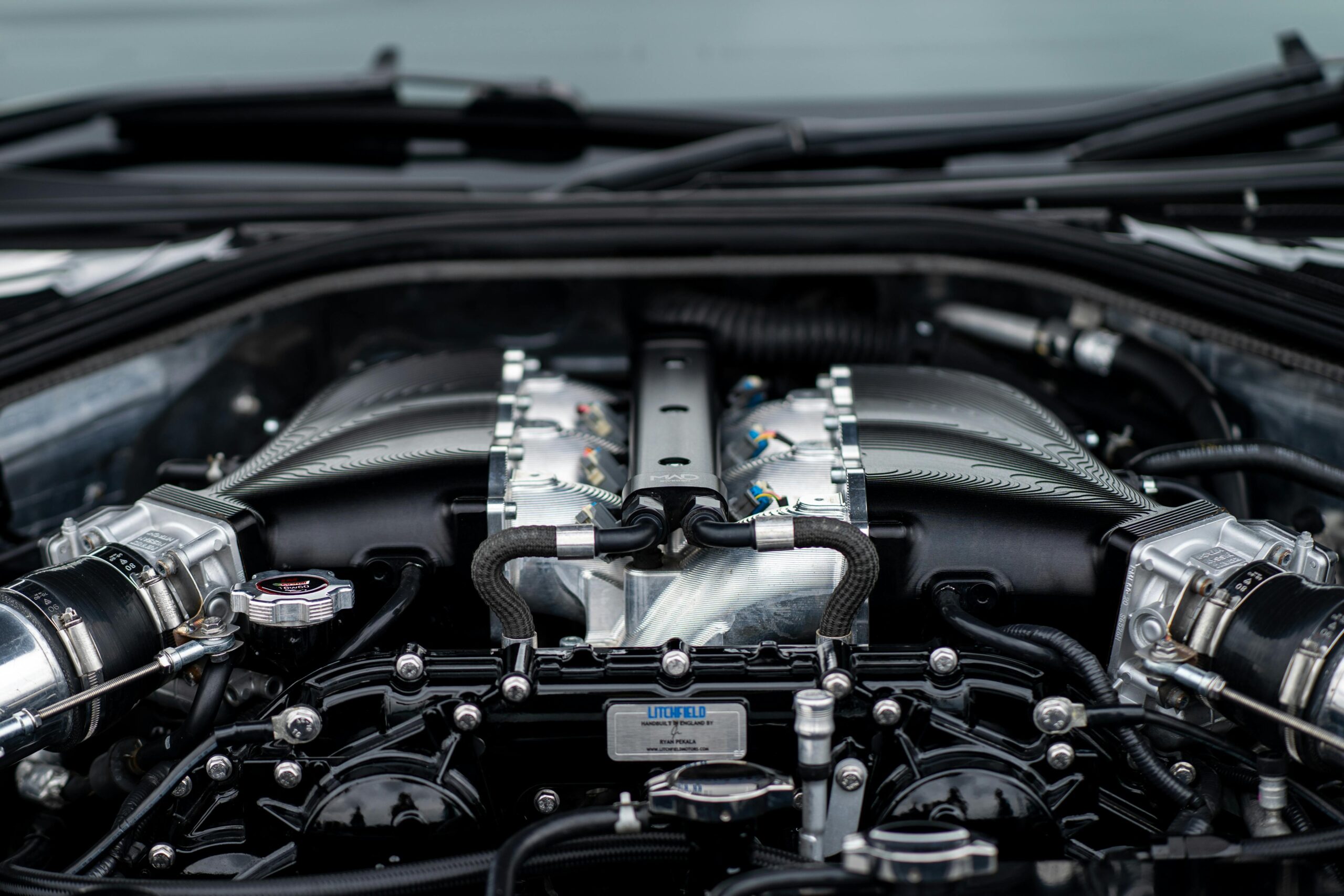
As the weather gradually cools down, it is the right time to start preparing your car for seasonal changes. Key components such as engine oil, oil filter, transmission fluid, brake fluid, air filter, and cabin filter should all be inspected or replaced.
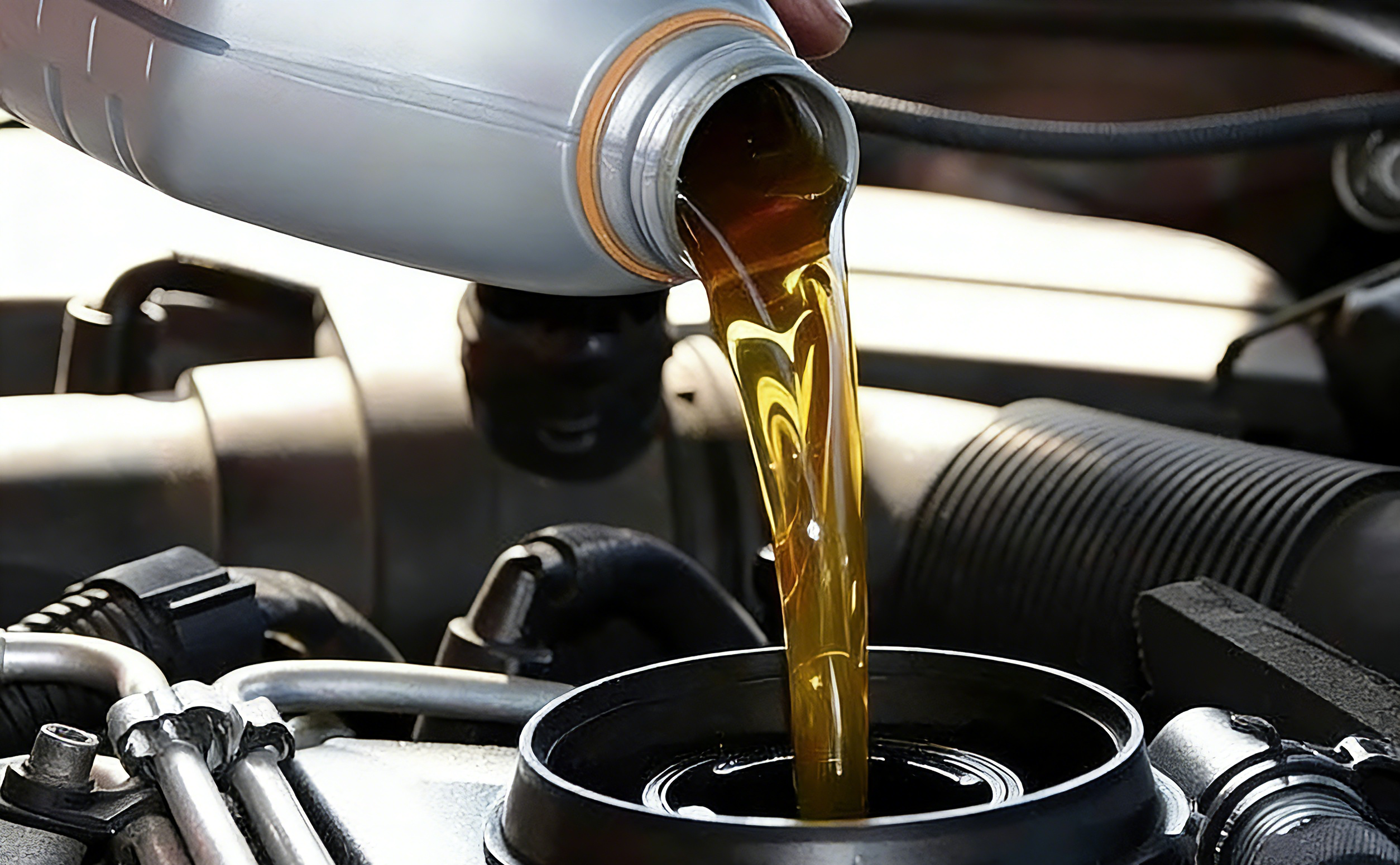
With lower temperatures ahead, consider switching to engine oil with better low-temperature fluidity. For vehicles that consume oil, top it up in time. If the timing matches the regular maintenance cycle, giving the oil system a thorough cleaning is also recommended.
Summer is often rainy, and water can seep into the transmission during wet driving conditions. Brake fluid is also highly hygroscopic, meaning it readily absorbs moisture. These issues are easy to overlook, but they can seriously affect performance.
Both the air filter and cabin filter can take a beating during summer. After driving through water, the air filter can become damp or even soaked. With the air conditioning system working hard during hot months, the condition and cleanliness of the cabin filter also deserve attention.
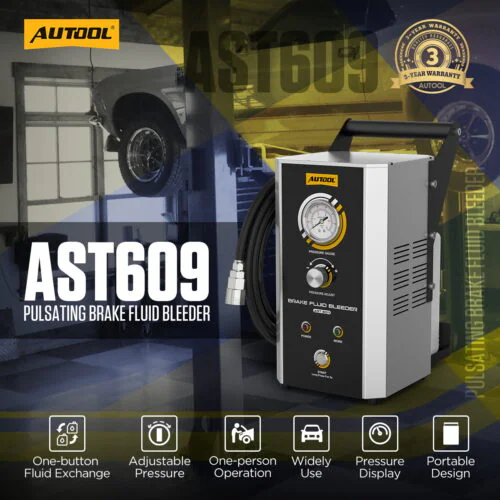
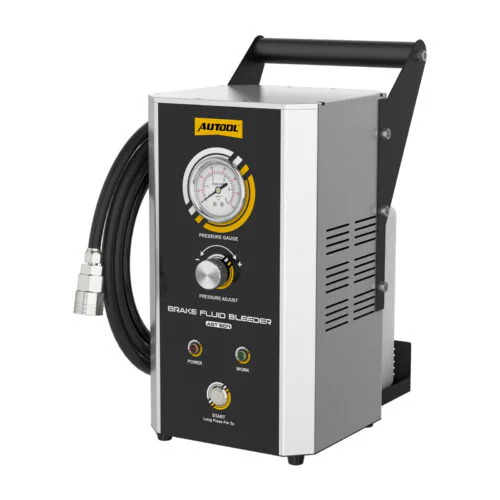
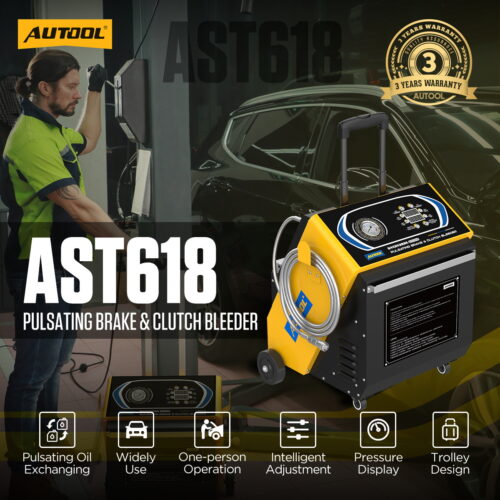
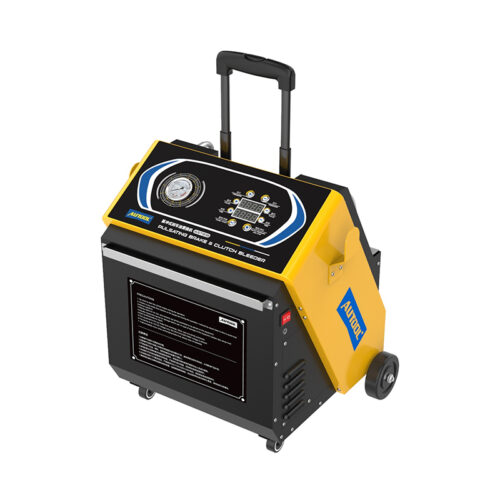
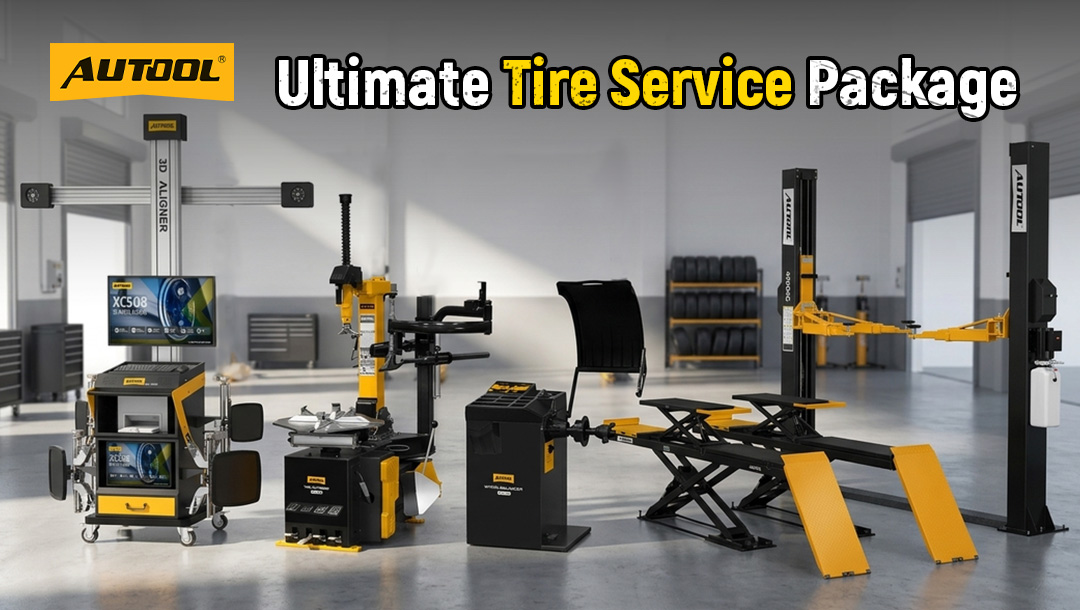
AUTOOL now offers a special bundle on the latest brake fluid replacement tools. Seasonal promotions can be useful when the required service tools match your maintenance plan.
Other components that need attention
In addition to fluids and filters, other parts such as wiper blades, the chassis, tires, and related seasonal systems should also be inspected or replaced as needed.
Wipers may seem like small parts, but their condition is closely tied to driving safety, especially during summer rains. After a season of high heat and heavy rain, the rubber strips can age and crack. Also remember to top up windshield washer fluid in time.
Chassis maintenance mainly focuses on rust prevention. Start by giving the chassis a thorough cleaning. If there is a heavy buildup of dirt, use a degreaser as well. Once it is completely dry, apply rust-proofing treatments such as underbody coating and let it air-dry naturally for 5-10 minutes.
In summer, higher ambient temperatures usually keep tire pressure on the lower side. As temperatures drop, you need to add air and check pressure more often. Also check tread wear; if it is badly worn, consider wheel alignment or tire replacement.
As temperatures fall, antifreeze becomes increasingly important. Some drivers use plain water in summer instead of coolant, but this should be replaced as soon as possible because water has a lower boiling point, freezes more easily, creates scale buildup, and does not provide anti-corrosion protection.
The radiator, also called the cooling tank, is a key component of the cooling system. Using water instead of coolant can cause limescale buildup. If not cleaned in time, cooling efficiency drops significantly. A specialized radiator cleaner can help, while manual cleaning usually requires dismantling the radiator.
The air conditioner is used heavily in summer, and high humidity can allow mold and bacteria to accumulate in the ducts. After the season, cleaning and disinfecting the A/C system is important. You can use an A/C duct cleaner or go to a repair shop or dealership for professional disinfection.
Recommended tools for seasonal service
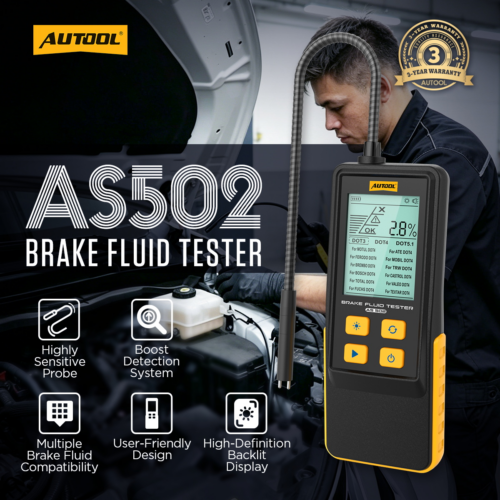
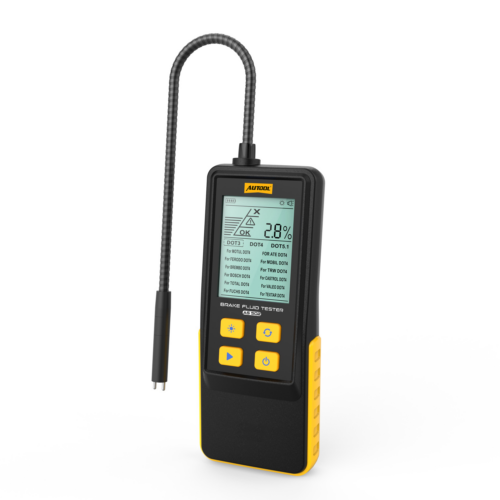
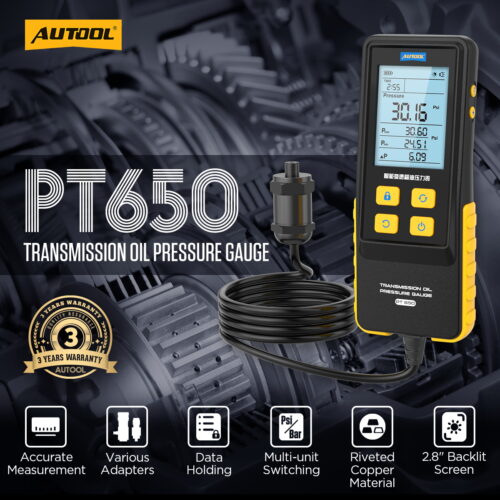
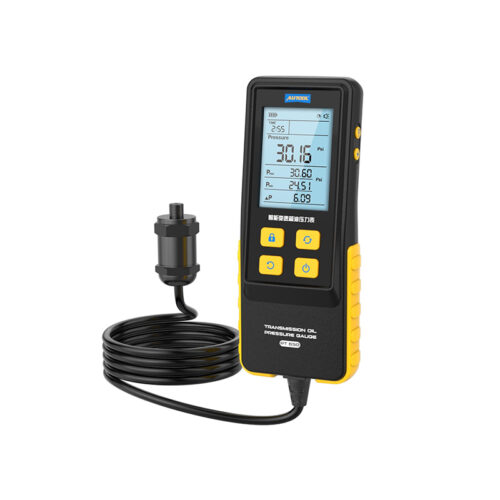
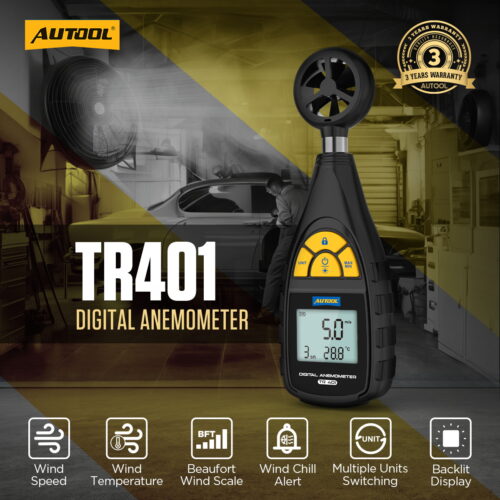
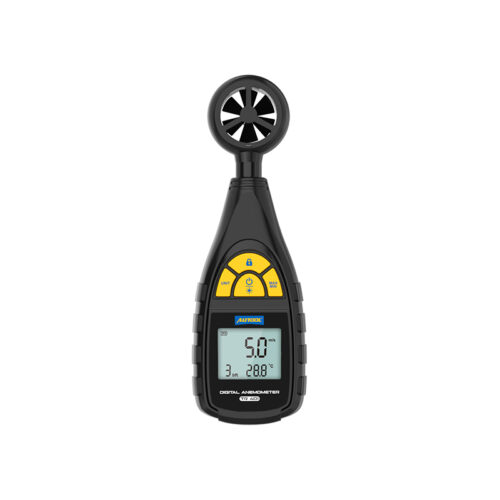
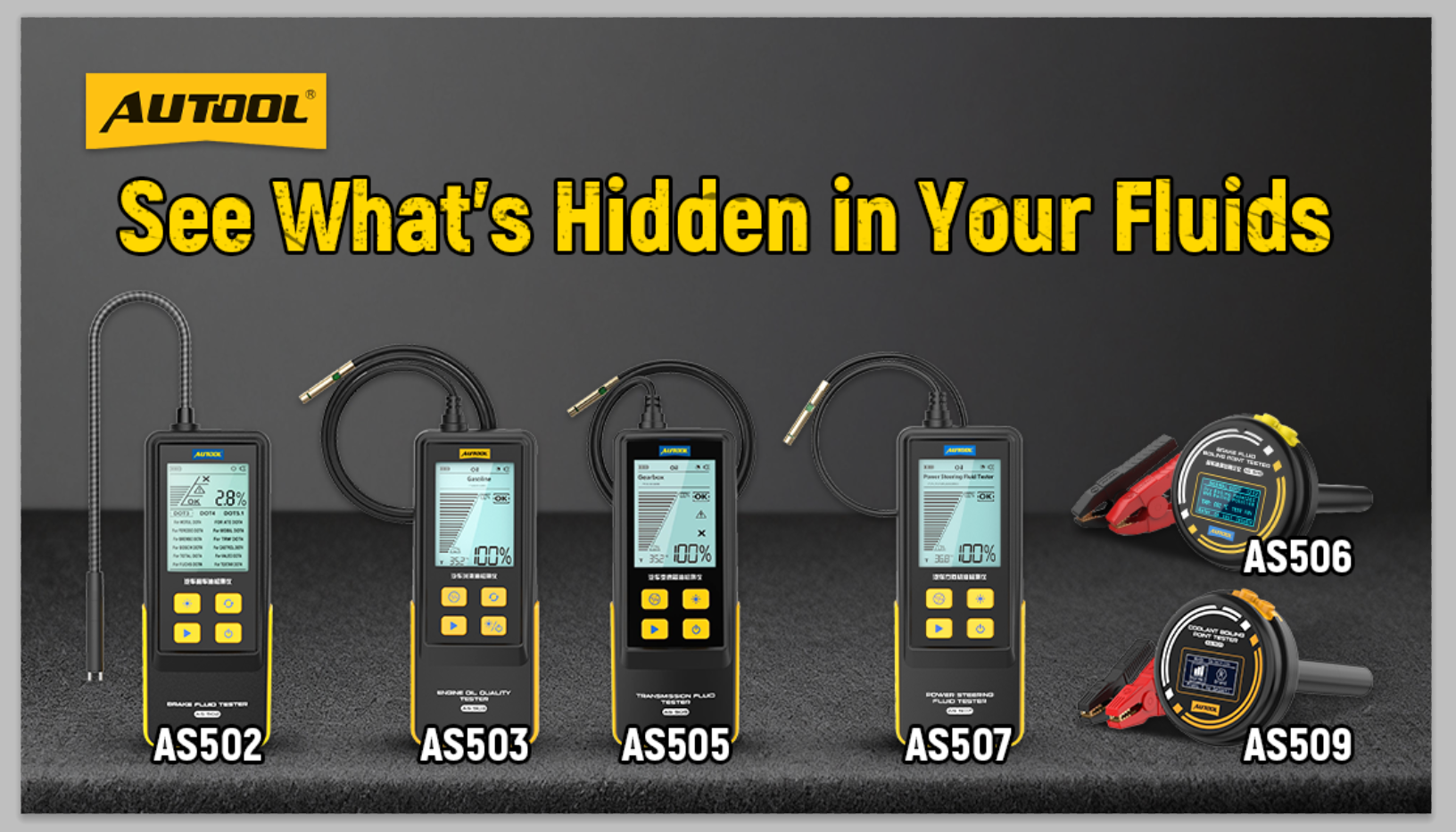
The original related product group for this guide includes AUTOOL AST609, AST618, AS502, PT650, and TR401. These tools support brake fluid service, transmission service, brake fluid testing, pressure checks, and air conditioning airflow or temperature inspection.
Which jobs can you do yourself?
Checking wiper blades, antifreeze, tires, and air-conditioning ducts are tasks many owners can handle themselves. Vehicle-specific components from an auto parts store are usually affordable and of decent quality.
For reliable inspection, AUTOOL recommends using a battery diagnostic kit to test and maintain the car’s battery.
Fluid replacement and inspections of the chassis and radiator should be handled by professional technicians. Many dealerships offer free seasonal inspections covering these areas. If that is not available, an independent repair shop is also a practical option.
Many drivers think seasonal inspections are unnecessary, but problems often arise from small, overlooked details. Depending on your situation, you can choose either a dealership or an independent shop. These inspections typically do not require replacing many parts, so the cost is usually low, and many dealerships even offer them for free.
Join our special offers and keep an eye on related maintenance topics such as Carbon Deposit Cleaning: Why Your Vehicle Needs It Before It’s Too Late.
Related Products
Rendered through WooCommerce product shortcode so the cards inherit the global product-card structure and Blocksy/WooCommerce styles.