Tips & Tutorials, Uncategorized
Why You Should Check Your Car’s A/C System in Winter

December 12, 2025
Share:
 autoolstore.com
Slow loss during low-use months
A car’s A/C system is never completely sealed. Some refrigerant escapes over time, even when the system is not running. Losing about 5-10% a year is considered normal.
But here is the catch: most drivers hardly touch the A/C during winter. Then summer arrives, and suddenly the air is not cold, the compressor will not kick in, the refrigerant level is low, or the system pressure is off.
In many cases, the root cause is simple: the refrigerant has been leaking slowly for months, and no one noticed.
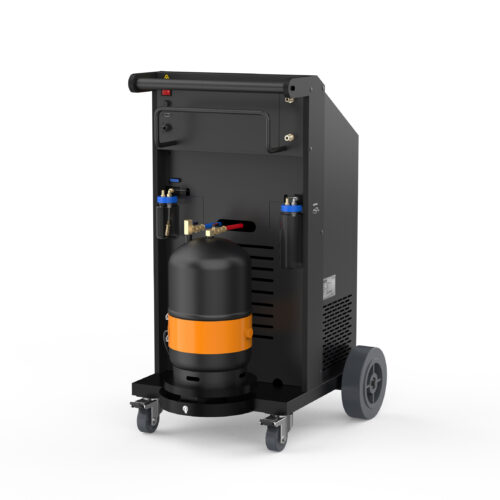
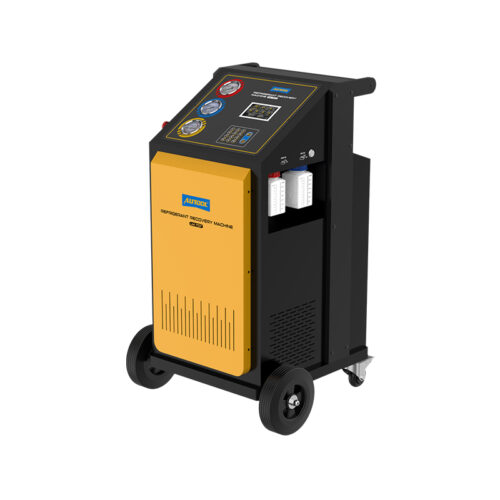
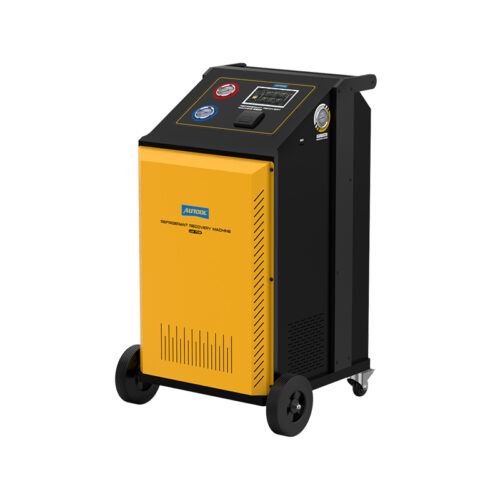
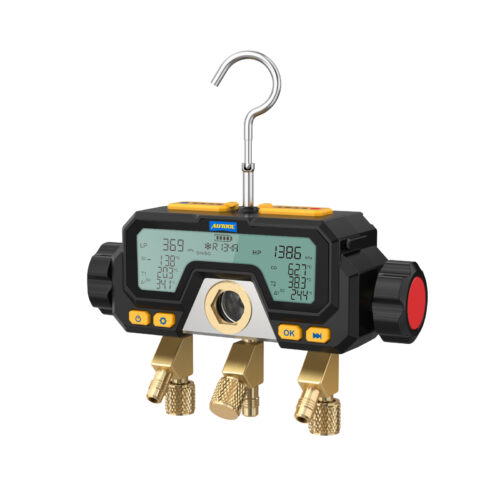
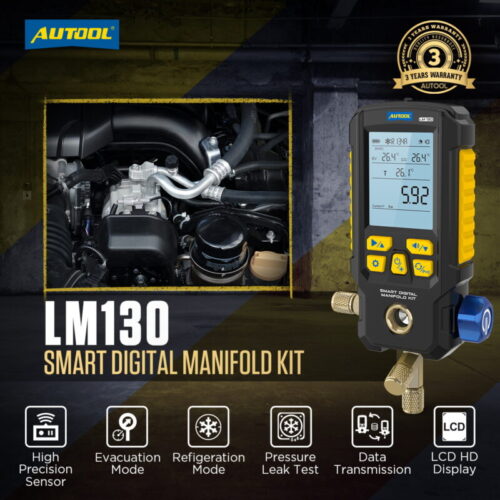
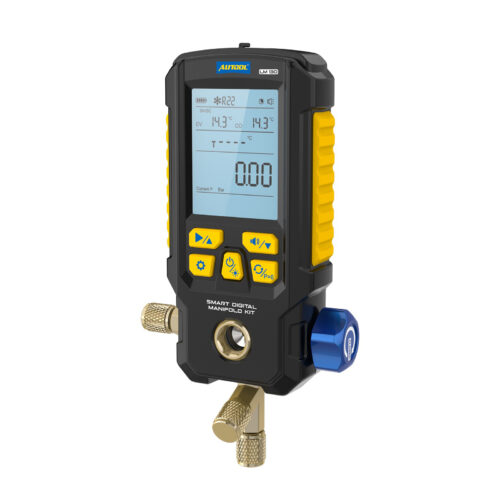
That is why winter is actually a useful time for a quick check. Using professional tools, including AUTOOL refrigerant recovery and recharge machines, technicians can test system pressure and refrigerant levels ahead of time, spot early leaks, and avoid scrambling for repairs when the weather gets hot.
A/C recovery and recharge tools
These product cards are rendered through WooCommerce shortcodes so the cards inherit the same product-card path used by the reference layout.


Odor, dampness, and idle components
Cold months often come with rain, snow, and large temperature swings. Extra moisture makes it easier for water to sit inside the evaporator. If the A/C has not been run for weeks or months, several problems can develop.
Many drivers assume, “I did not use the A/C in winter, so there should not be any odor.” The opposite is often true. Not using it can make odors more likely.
What helps is simple: run the A/C from time to time to keep air circulating, and use a refrigerant recovery machine with pressure testing, recovery, and recharge functions to check whether the system has moisture, air contamination, or refrigerant imbalance. This keeps cooling performance stronger when summer returns.
The compressor is one of the most expensive parts of the A/C system. When it sits unused for months, several issues can start creeping in.
Once that happens, repairs can easily cost a small fortune. A simple winter check can help prevent this. Using an automotive A/C recovery machine to pull a vacuum, refresh the refrigerant, and circulate the oil keeps the system lubricated and dramatically reduces the chance of compressor failure.
Pressure changes reveal weak points
Because temperatures swing so much in winter, the metal lines in the A/C system expand and contract more noticeably. This can make small leaks show up more easily than they do in summer.
With a professional refrigerant recovery and recharge machine, technicians can check the system more clearly.
Finding the issue early means fixing it early. Waiting until summer often turns a simple repair into a major one.
A lot of drivers wonder whether adding refrigerant in winter even makes sense. The answer is yes.
Even in cold weather, the A/C system still relies on refrigerant for functions like defogging and supporting the heat cycle. But topping up refrigerant in winter comes with its own considerations.
Regular refrigerant checks matter no matter the season. Whether it is summer or winter, keeping an eye on refrigerant levels and adjusting them when needed helps the A/C system stay healthy and ready for use all year round.
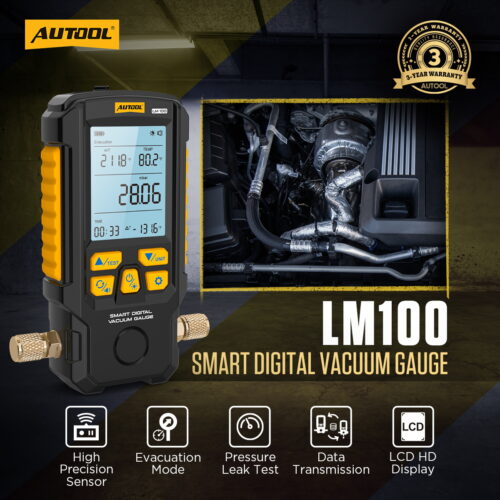
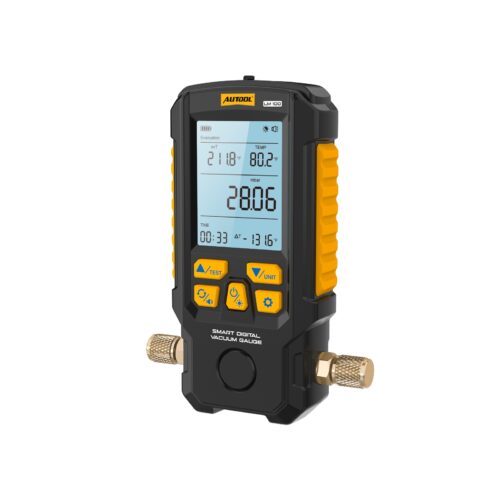
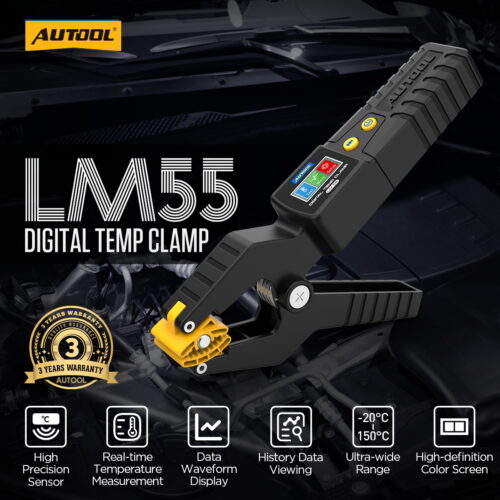
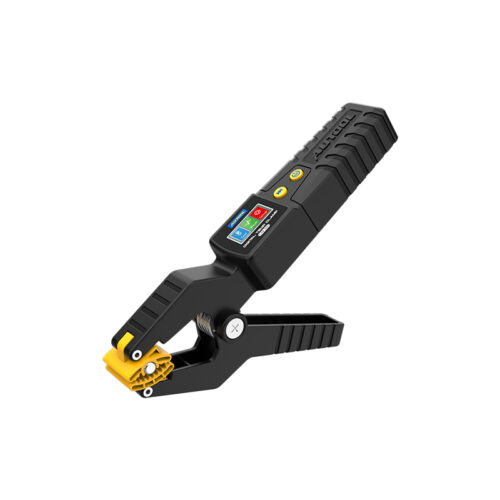
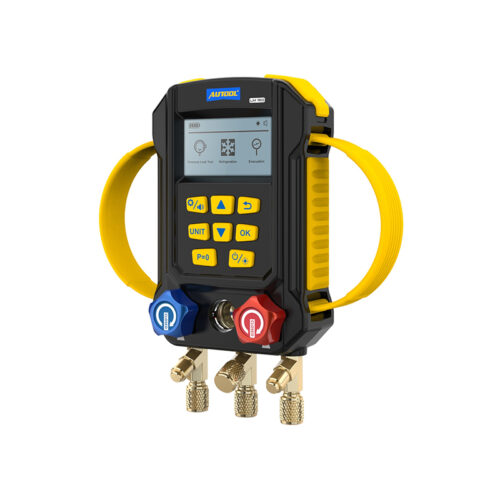
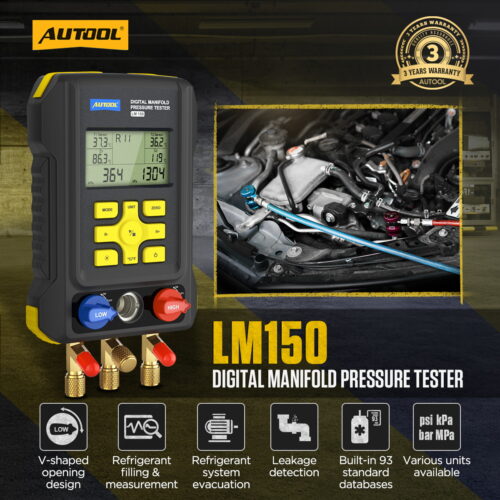
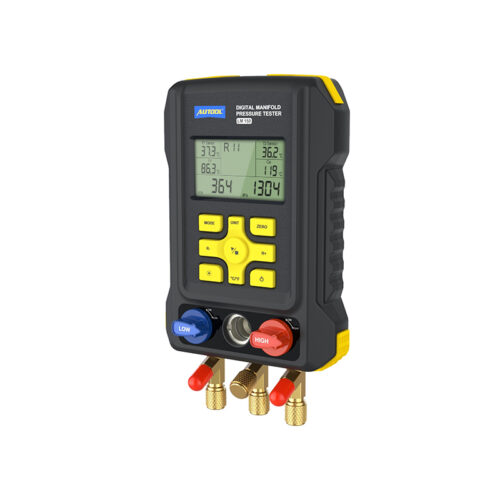
Leak detection and measurement tools
These tools support pressure, vacuum, temperature, and leak-check work during a winter A/C inspection.

Practical service workflow
Winter is the off-season for A/C and refrigerant system maintenance, and that comes with clear advantages: inspections may cost less, fewer people are waiting in line, service bays and technicians are more available, and shops are often more willing to perform in-depth maintenance.
By contrast, summer is full A/C repair season. Waiting two hours for service and paying double the price is not unusual. A winter inspection can save both money and time.
This helps determine whether the refrigerant level is low or whether there are pressure irregularities in the system.
An AUTOOL refrigerant recovery and recharge machine can automatically recover old refrigerant, vacuum the system to check for leaks, precisely refill refrigerant without overfilling, save labor, and improve accuracy.
Listen for unusual noises or vibrations to confirm that the compressor is running smoothly.
Combine nitrogen pressure testing or an electronic leak detector with system pressure checks for better leak confirmation.
Make sure the evaporator and blower are functioning properly and that airflow is consistent. This final step helps confirm that the system is not only charged, but also able to deliver clean and steady air into the cabin.
Seasonal maintenance conclusion
Winter inspections help prevent natural refrigerant loss, protect the compressor from damage, spot leaks early, eliminate unpleasant odors, and get ahead of the summer repair rush.
Put simply: skip winter checks, and summer problems are much more likely. A short off-season inspection can keep the A/C system healthier and make hot-weather driving more comfortable.
Contact AUTOOL to learn more about refrigerant recovery, recharge, leak detection, and digital manifold tools. New customers can also ask about the 10% discount and 3-year warranty offer.
WhatsApp: +86 189 2647 7404
Email: [email protected]
Related Products
Rendered through WooCommerce product shortcode so the cards inherit the global product-card structure and Blocksy/WooCommerce styles.