Reparaturinformationen
Worin genau besteht der Unterschied zwischen einer Sicherung und einem Relais?

22. September 2025
Aktie:
 autoolstore.com
Moderne Autos sind komplexe Elektroniksysteme, von Zigarettenanzündern bis hin zu Steuergeräten, mit unzähligen Geräten, die Strom benötigen. Wie schützen wir diese teuren Komponenten vor Überlastungsschäden? Wie kann ein kleiner Schalter Hochleistungsgeräte steuern? Die Antwort liegt in Sicherungen und Relais.
Sie befinden sich üblicherweise im selben Haus, dem Sicherungskasten, erfüllen aber völlig unterschiedliche Zwecke. Eine Sicherung schützt den Stromkreis, indem sie ihn bei Überlastung unterbricht. Ein Relais hingegen nutzt einen kleinen Steuerstrom, um einen Stromkreis mit hohem Stromverbrauch ein- oder auszuschalten.
Kernfunktion: Überlastschutz. Eine Sicherung besteht aus einem präzise berechneten Metalldraht mit niedrigem Schmelzpunkt, der in einem Kunststoffgehäuse eingeschlossen ist.
So funktioniert es: Wenn der Stromkreisstrom unerwartet die Nennwerte überschreitet, beispielsweise bei Kurzschlüssen oder Geräteausfällen, schmilzt die Sicherung und unterbricht den Stromkreis. Dies schützt teurere Leitungen und nachgeschaltete Geräte vor Brandgefahren.
Anschauliche Metapher: Es fungiert als Sicherheitsventil oder quasi als Sollbruchstelle im Stromkreis. Um das gesamte System zu schützen, opfert es sich selbst. Ist es einmal durchgebrannt, muss es ersetzt werden.
Kernfunktion: Große Ströme lassen sich mit kleinen Strömen steuern. Ein Relais ist ein elektronischer Schalter, der von einem Elektromagneten gesteuert wird.
So funktioniert es: Beim Betätigen eines Schalters mit geringem Stromverbrauch, wie beispielsweise eines Scheinwerferschalters, fließt Strom in die elektromagnetische Spule des Relais und erzeugt Magnetismus. Dieser Magnetismus betätigt einen internen mechanischen Schalter und aktiviert so einen separaten Stromkreis mit hohem Stromverbrauch, beispielsweise den Stromkreis für die Scheinwerfer.
Anschauliche Analogie: Es funktioniert wie ein elektrischer Verstärker oder ein Vorarbeiter. Der kleine Schalter gibt dem Relais einen sanften Anstoß, und das Relais übernimmt die eigentliche Arbeit, indem es den Hochstromkreis schließt.
Die Hauptfunktion einer Sicherung ist der Überlastschutz. Als Schutzmechanismus innerhalb eines Stromkreises schmilzt sie und unterbricht den Stromkreis bei einem anormalen Stromstoß, beispielsweise bei einem Kurzschluss oder Geräteausfall. Dadurch werden teurere elektronische Geräte und nachfolgende Kabelbäume vor Beschädigung geschützt.
Die Hauptfunktion eines Relais besteht darin, elektrische Geräte mit hohem Stromverbrauch über ein Niedrigstromsignal zu steuern. Dadurch können beispielsweise Scheinwerfer, Lüfter, Hupe, Kraftstoffpumpen und andere leistungsstarke Geräte über einen kleinen Schalter im Armaturenbrett oder ein Signal des Steuergeräts (ECU) gesteuert werden, ohne dass der volle Strom durch den Schalter selbst fließen muss.
Sicherungen bestehen typischerweise aus einem kleinen, transparenten Kunststoffgehäuse mit einem sichtbaren, innenliegenden Metallsicherungsdraht. Ihre Nennstromstärke ist farblich gekennzeichnet, z. B. gelb für 20 A und rot für 10 A.
Relais sind oft in schwarzen, quadratischen Kunststoffgehäusen untergebracht. Sie sind größer als Sicherungen und haben in der Regel 4 bis 5 Metallstifte, wodurch sie Miniatur-Steuergeräten ähneln.
Sicherungen sind Einweg-Schutzbauteile. Sind sie durchgebrannt, müssen sie durch identische neue Sicherungen ersetzt werden und können nicht wiederverwendet werden.
Relais sind wiederverwendbare Steuerungskomponenten. Solange die interne elektromagnetische Spule und die Kontakte unbeschädigt bleiben, funktionieren sie über längere Zeiträume zuverlässig.
Die Unversehrtheit einer Sicherung lässt sich oft visuell überprüfen. Bei einer durchgebrannten Sicherung ist ein deutlich durchtrennter innerer Metalldraht erkennbar.
Bei Relaisfehlern ist eine Funktionsprüfung erforderlich. Achten Sie beim Einschalten auf ein deutliches Klickgeräusch oder tauschen Sie das defekte Relais gegen ein funktionierendes Relais mit denselben Spezifikationen aus.
Eine durchgebrannte Sicherung verursacht einen kompletten Stromkreisausfall, wodurch Funktionen wie der Zigarettenanzünder oder die Fensterheberfunktion nicht mehr funktionieren.
Relaisfehler äußern sich üblicherweise durch sporadische Störungen, wie etwa flackernde Scheinwerfer, ein schwächer werdender Hupenton oder ein ungleichmäßiger Lüfterbetrieb.
Beim Auswechseln von Sicherungen unbedingt den Nennstromwert beachten. Niemals eine Sicherung mit höherer Amperezahl verwenden, da dies die Schutzfunktion der Sicherung aufhebt.
Bei Relaisausfällen sollten sowohl der Steuerkreis als auch das Lastgerät überprüft werden, um ein erneutes Auftreten nach dem Austausch zu verhindern.
Wenn an Ihrem Fahrzeug eine elektrische Störung auftritt, gehen Sie schrittweise vor, anstatt Teile blindlings auszutauschen.
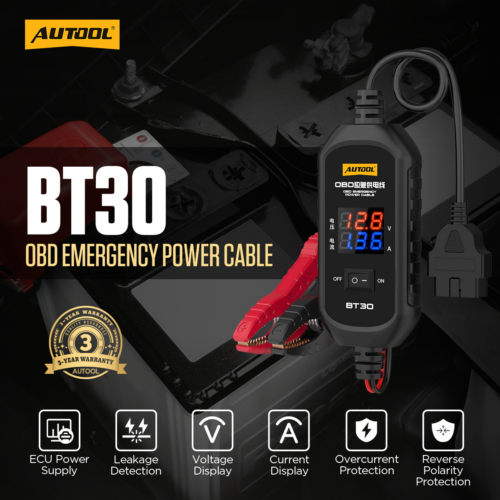
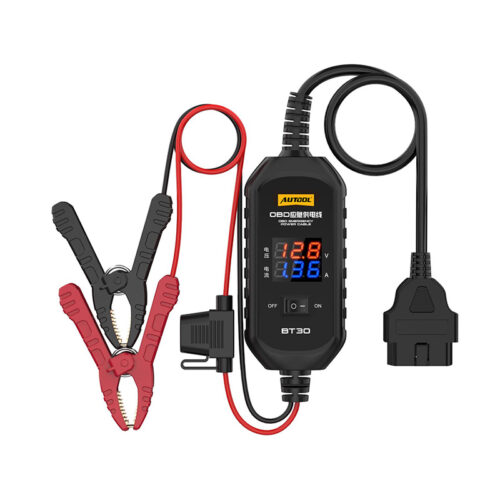
Die ursprüngliche Produktgruppe umfasste einen Stromkreisprüfer, ein Notstromkabel mit Sicherung, Werkstatthebebühnen und ein Achsmessgerät. In diesem Sicherungs- und Relaisleitfaden sind der Stromkreisprüfer und das zugehörige Notstromkabel die passendsten Diagnosehilfen. Die übrigen Produkte sind weiterhin in der unten aufgeführten Produktgruppe enthalten.
Vereinfacht gesagt, dienen Sicherungen als Schutzmechanismen, indem sie sich selbst opfern, um zu verhindern, dass ein zu hoher Stromfluss das Fahrzeug beschädigt. Eine durchgebrannte Sicherung führt in der Regel zu einem vollständigen Stromausfall im betroffenen Stromkreis.
Relais sind Steuergeräte. Sie reagieren auf Befehle für niedrige Ströme und schalten hohe Ströme ein oder aus. Ein defektes Relais verursacht häufig Aussetzer, fehlende oder unzureichende Stromversorgung oder ein Gerät, das nicht richtig schaltet.
Wenn Sie das nächste Mal ein elektrisches Problem haben, fahren Sie nicht gleich in die Werkstatt. Öffnen Sie den Sicherungskasten, überprüfen Sie die Sicherungen und Relais und nutzen Sie die Bedienungsanleitung, die Sicherungsprüfung, den Klicktest und den Austauschtest, um den Fehler sicher einzugrenzen.
Ähnliche Produkte
Wird über den WooCommerce-Produkt-Shortcode gerendert, damit die Karten die globale product-card-Struktur und die Blocksy/WooCommerce-Stile übernehmen.