Reparaturinformationen

Common Car Breakdowns and Practical Solutions

In daily driving, vehicles inevitably experience various small and large issues. Whether it is difficulty starting the engine, tire leaks, poor air conditioning performance, or strange brake noises, these problems may seem common, but they often catch car owners off guard.

This article summarizes some of the most common car breakdowns and their solutions. These tips help with emergency handling, support regular maintenance, extend the life of the vehicle, and make daily travel safer and smoother.

Engine Diagnosis

Engine Issues

Common engine problems during daily use include difficulty starting, stalling while driving, unusual noises, shaking or unstable idle speed, and abnormal fuel consumption. Once these issues occur, they not only affect the driving experience but can also pose safety risks.

What is the most common cause of engine failure?

Dead Battery or Loose Connections

Insufficient battery power can prevent the starter motor from turning the engine. Loose or corroded terminals can also cause poor current transmission, leading to no response when attempting to start the engine.

Ignition System Failure

Carbon buildup or aging spark plugs can reduce ignition efficiency, while a damaged ignition coil may prevent sparks from being generated. The result is difficult starting or stalling during operation.

Air Intake System Leaks or a Clogged Air Filter

If there is a leak in the intake system, the air-to-fuel ratio entering the cylinders becomes abnormal, causing a lean or rich mixture. A clogged air filter restricts airflow and reduces combustion efficiency.

Fuel Injection System Failure

A clogged fuel injector prevents proper fuel atomization and leads to incomplete combustion. Common symptoms include reduced power, increased fuel consumption, and engine shaking.

Fuel Pump Failure or Fuel Depletion

Insufficient fuel pump pressure prevents stable fuel delivery to the injectors. If the tank is low or the fuel pump fails completely, the engine may not start.

Severe Engine Carbon Buildup

Carbon can accumulate on intake valves, fuel injectors, combustion chambers, and piston tops. This affects airflow and combustion efficiency, causing higher fuel consumption and lower power.

Loose or Worn Belts

Slipping belts can affect the timing system, alternator, water pump, and other components. This may cause engine noises, overheating, or stalling.

Internal Engine Part Wear

Worn cylinder walls or piston rings can reduce the compression ratio, causing difficulty starting, reduced power, and excessive oil consumption.

How do you troubleshoot an engine problem?

  1. Check the battery charge and confirm battery life. If the battery is low, try jump-starting. If the battery is aged or unable to hold battery level, replace it promptly.
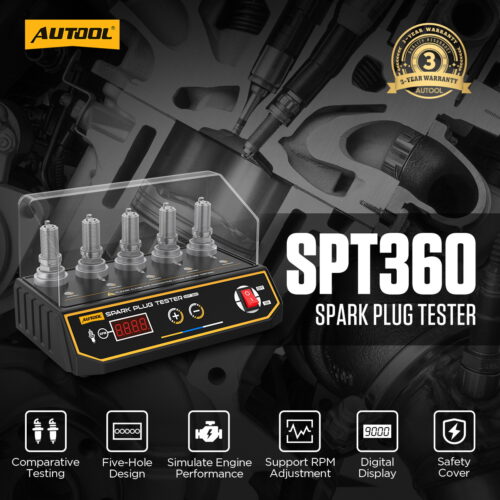
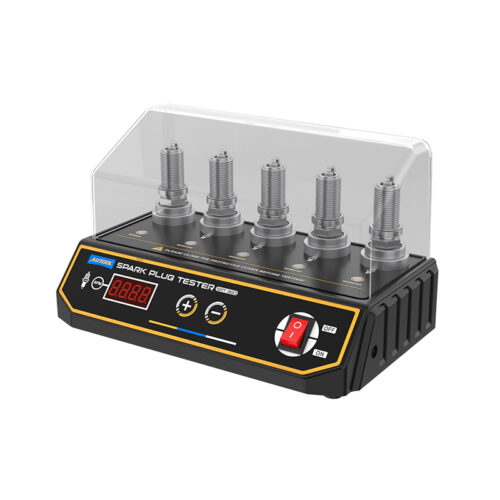
  2. Check the spark plugs and ignition coils. Use a spark plug tester to check for damage or severe carbon buildup. Clean or replace parts as necessary.
  3. Ensure sufficient fuel and check the fuel pump. Use fuel additives when suitable to help clear carbon buildup, and confirm that the fuel pump provides stable fuel supply.
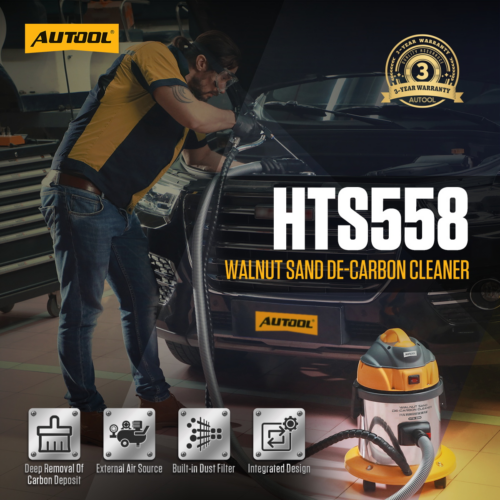
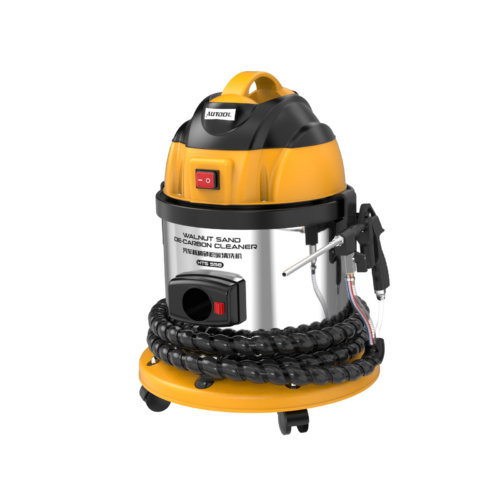
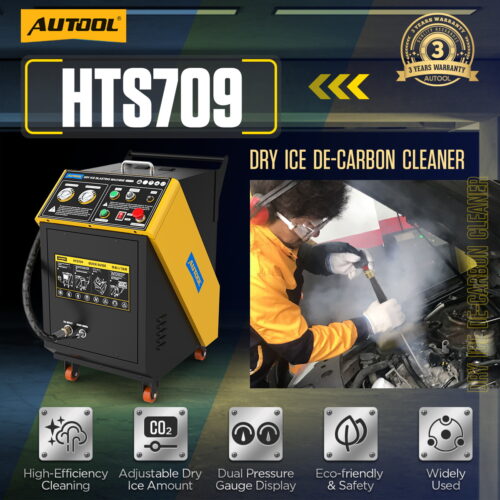
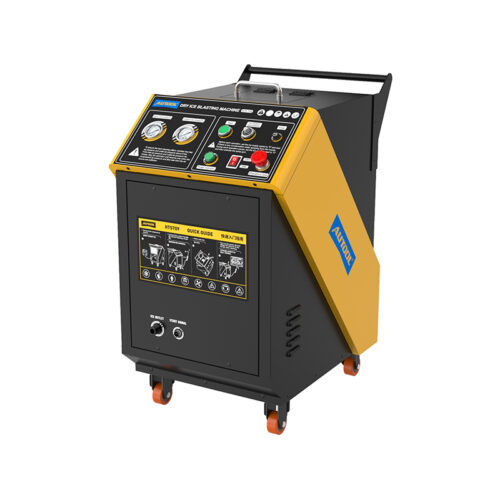
  4. Clear engine carbon buildup. Professional tools such as walnut shell blasting machines or dry ice blasting machines can improve combustion efficiency and power output.
  5. Check the intake system and replace the air filter. Smooth airflow helps prevent the air-fuel mixture from becoming too rich or too lean.
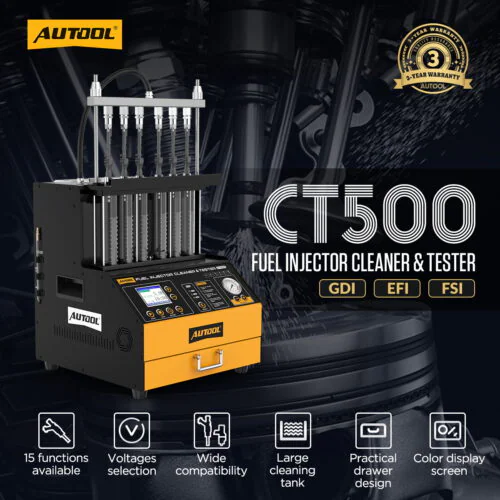
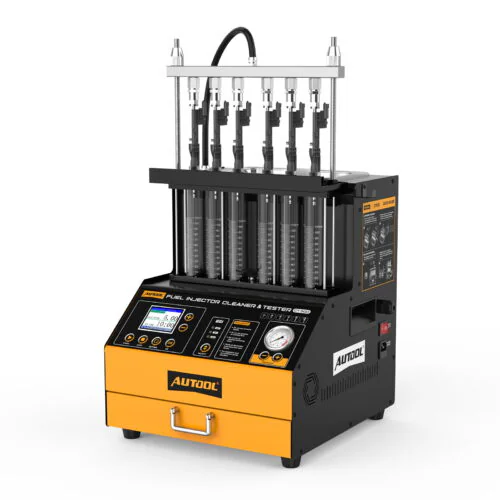
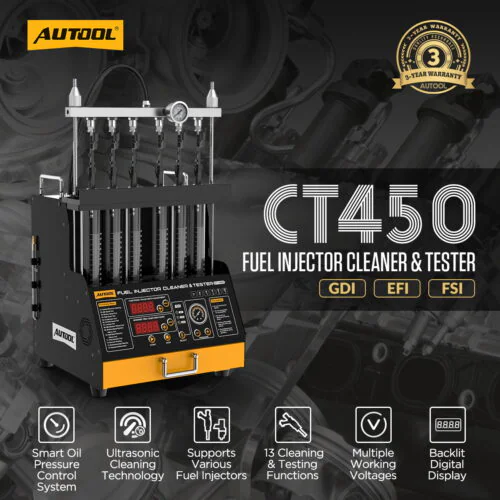
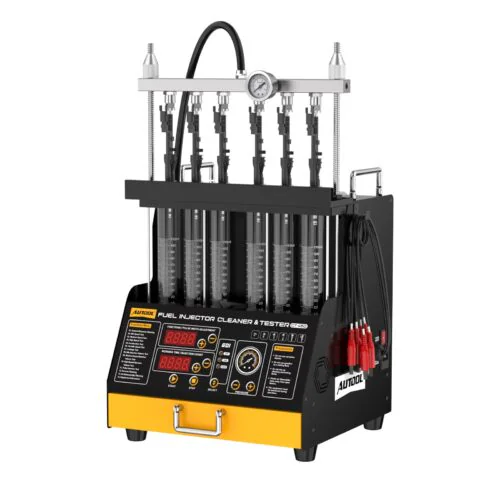
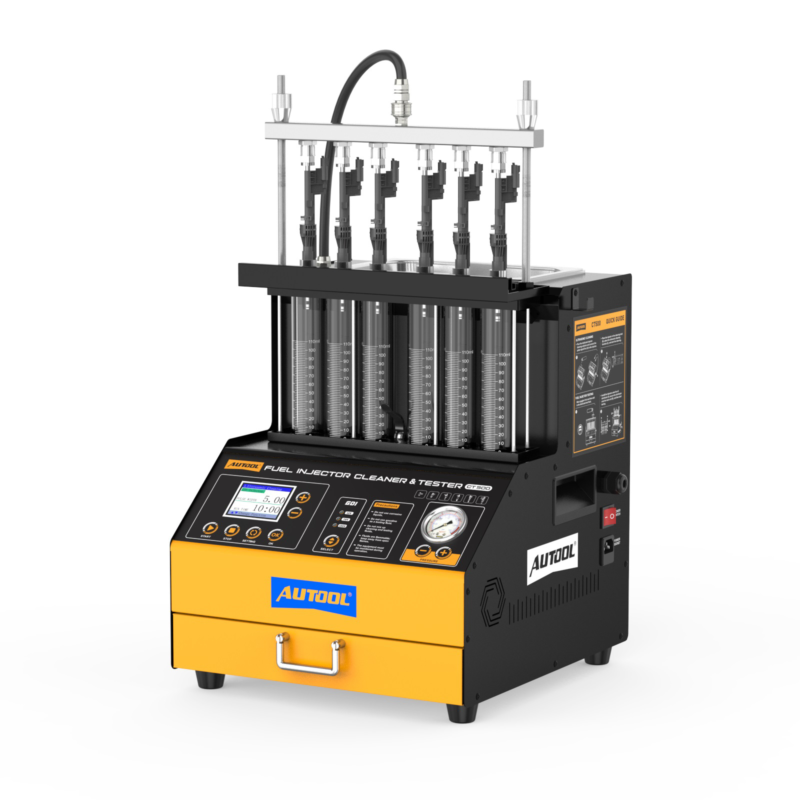
  6. Clean the fuel injectors. A dedicated fuel injector cleaning machine helps maintain proper fuel spray, smooth fuel flow, and better combustion efficiency.
  7. Check and replace loose or aged belts. Keeping belt-driven components working correctly prevents strange noises and secondary damage.

Engine-related tools

For the original engine issue section, the related tools were spark plug testers, walnut blasting equipment, dry ice cleaning machines, and fuel injector cleaning machines.

Brake Safety

Brake System Issues

The reliability of the brake system is crucial during driving. Common problems include no response when braking, unusual noises during braking, and a soft brake feel. Once these issues arise, they can easily lead to safety hazards.

What is the most common cause of brake failure?

  • Severe brake pad wear: Overly thin brake pads reduce friction, lengthen stopping distance, and may damage brake discs, increasing repair costs.
  • Brake disc deformation or wear: Brake discs exposed to high temperatures or uneven wear may cause vibration or unusual noise during braking. Minor wear can be resurfaced, but severe deformation usually requires paired replacement.
  • Low or aged brake fluid: Brake fluid absorbs moisture over time, causing insufficient braking pressure, soft brakes, and possible air locks at high temperature.
  • Brake line leakage or air intake: Leaks or air in the system affect hydraulic transmission. The brake pedal may become unresponsive or sink to the floor without effective braking.
  • Brake booster system failure: Faulty vacuum boosters or vacuum lines can make the brake pedal stiff, requiring more foot pressure and increasing driving risk.

How to fix brake failure in a car?

  1. Regularly check and replace brake pads. Replace both sides at the same time when needed. Choose high-quality brake pads to keep braking balanced. When removing old pads, inspect the calipers and guide pins, clean brake dust, and apply anti-seize lubricant where appropriate.
  2. Check the brake discs and address wear or deformation promptly. Minor wear can be resurfaced, while severe wear or deformation should trigger paired replacement. After resurfacing or replacement, test the brakes at low speed to confirm stability.
  3. Check and replace brake fluid. Change brake fluid every 2 years or 40,000 kilometers, and bleed the system to ensure proper hydraulic function. Use the manufacturer-recommended brake fluid and check line connections and hoses for leakage.
  4. Check for brake line leakage or air intake. Replace or repair lines promptly and bleed the system correctly. Inspect line surfaces for cracks, bulges, and leaks. During bleeding, follow the proper sequence and keep the reservoir filled to avoid introducing more air.
  5. Check the vacuum booster system. After turning off the engine, press the brake pedal and then restart the engine to test pedal rebound. If necessary, repair the lines or replace the booster pump. Also check whether the vacuum hoses are aging or leaking.

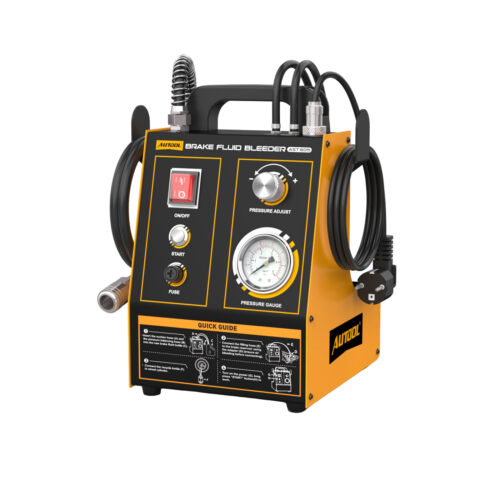
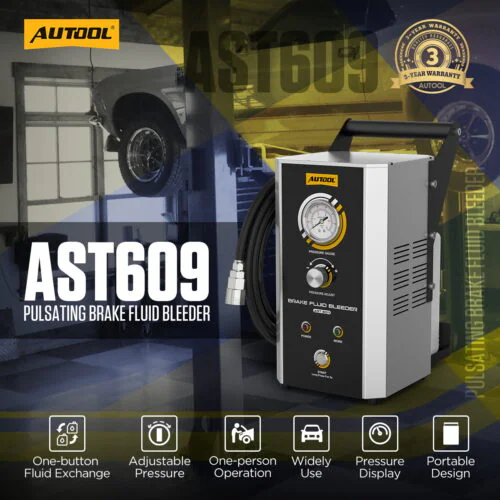
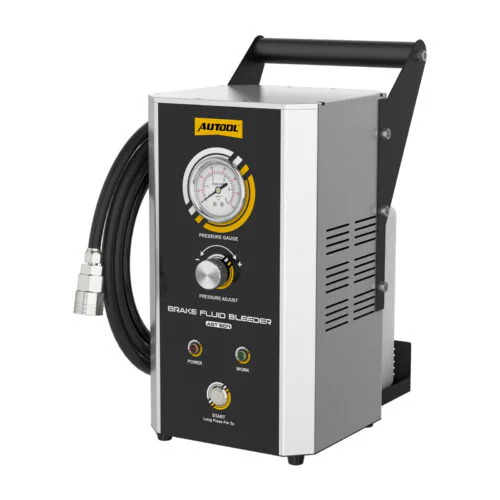
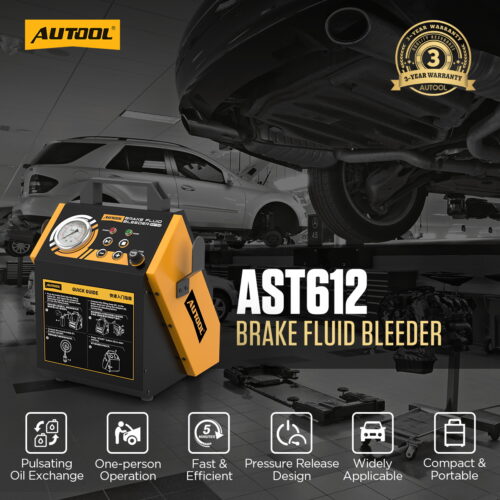
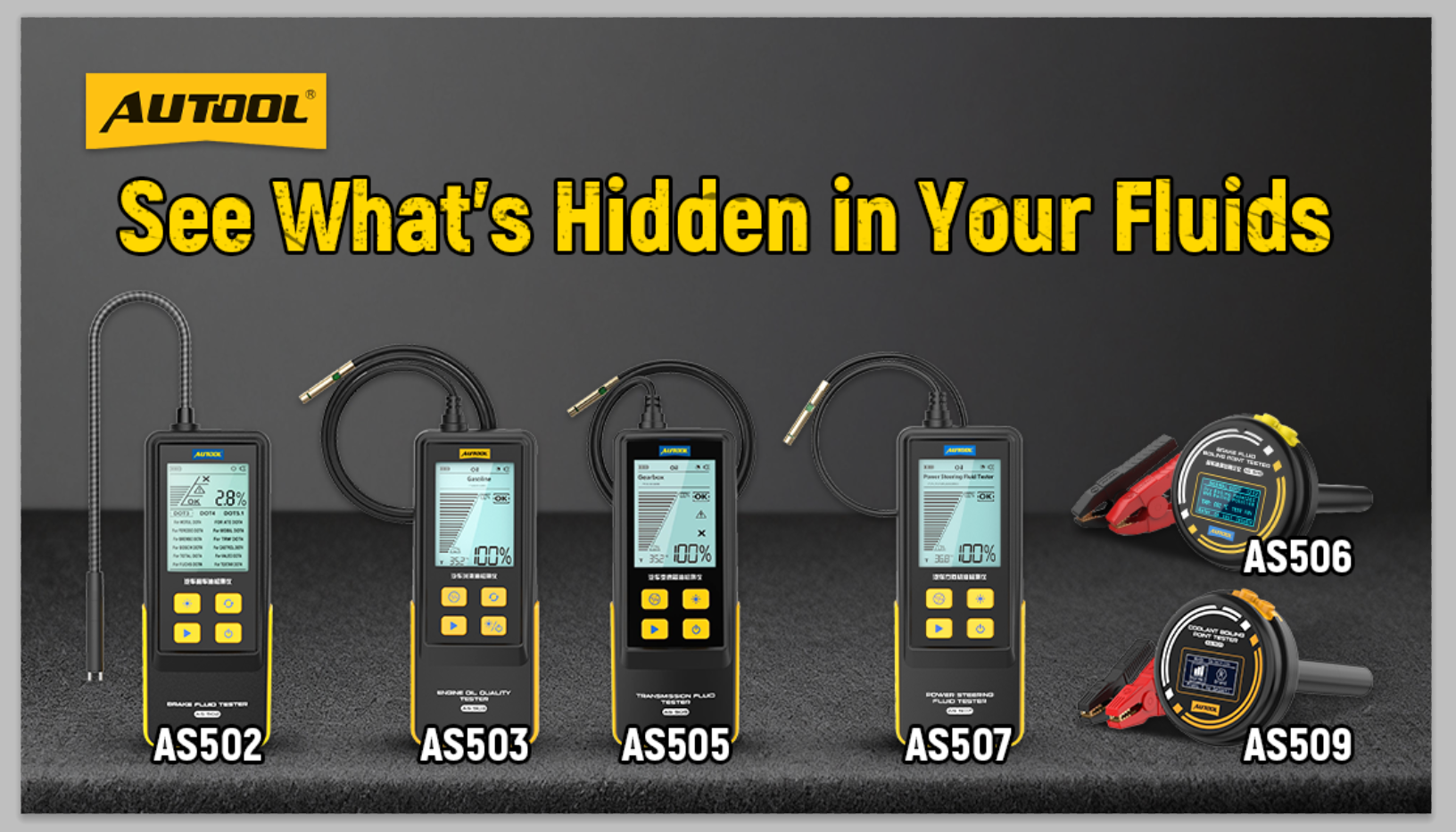
Brake fluid and service tools

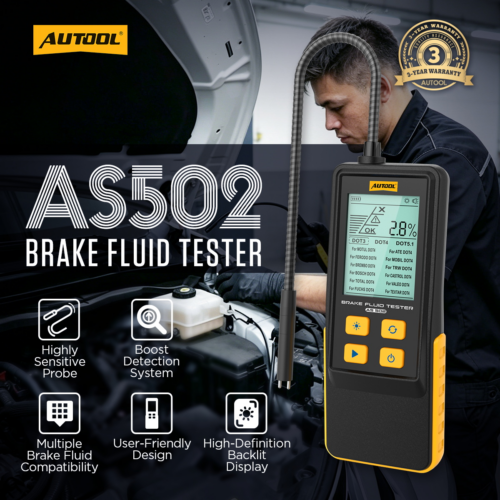
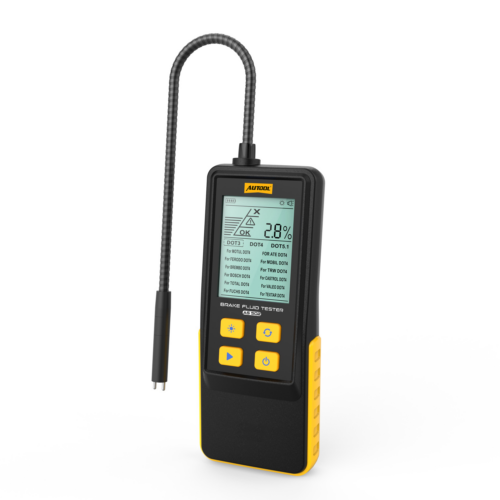
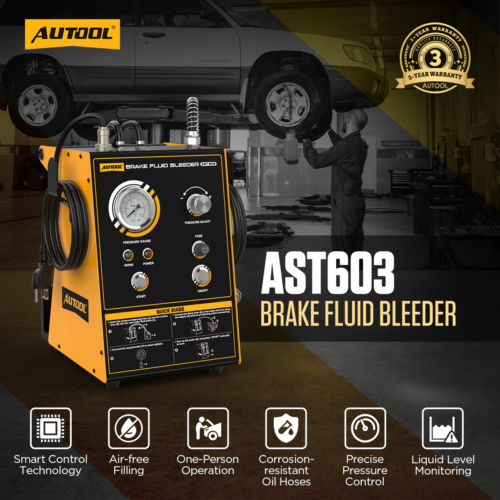
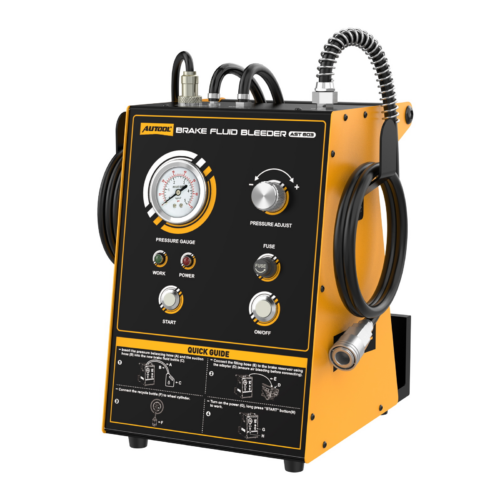
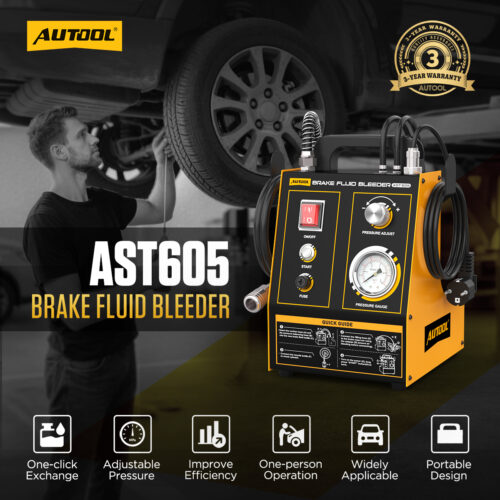
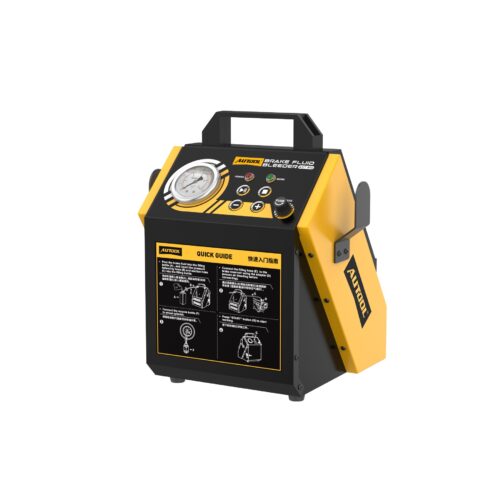
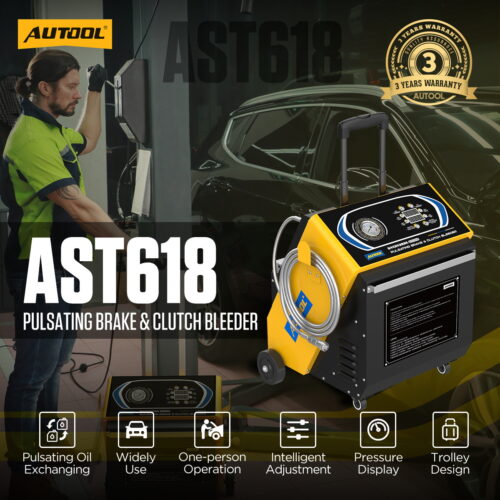
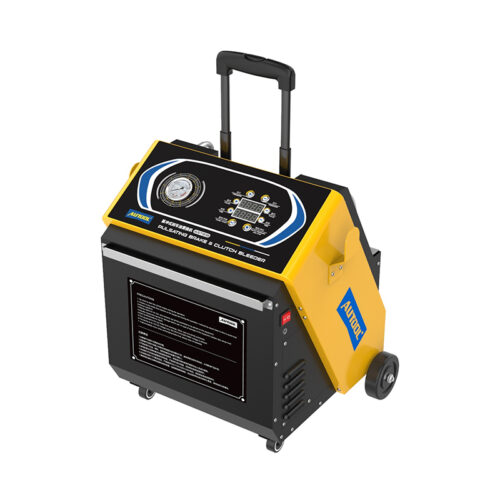
The original brake section focused on brake fluid testing, brake fluid bleeding, and brake fluid exchange equipment.

HVAC Diagnosis

Air Conditioning System Issues

Common air conditioning problems include poor cooling performance, unpleasant odors from the vents, and insufficient airflow. These issues affect driving comfort and may indicate potential underlying problems with the system.

What is the most common cause of car AC failure?

  • Clogged or dirty air conditioning filter: Excessive dust on the filter obstructs airflow and significantly reduces air volume. Dust, pollen, and other impurities may also enter the cabin and affect air quality.
  • Dust accumulation or bacterial growth in the evaporator and ducts: Long-term damp conditions can lead to mold and bacteria in the evaporator and air ducts, causing unpleasant odors and potentially affecting health.
  • Insufficient refrigerant or leakage: Low refrigerant reduces circulation pressure and weakens cooling performance. If there is a leak, the compressor may not work properly.
  • Compressor or condenser failure: A damaged compressor prevents refrigerant from being compressed and circulated. A blocked or poorly ventilated condenser reduces cooling efficiency.

How to diagnose AC problems in a car?

  1. Regularly replace the air conditioning filter to keep the air fresh. Dust buildup reduces airflow and affects air quality. Replace the filter every six months or every 10,000 kilometers, and increase the frequency in dusty environments.
  2. Clean the evaporator and air conditioning ducts to remove odors and bacteria. The evaporator and air lines can grow mold or bacteria in damp conditions. Use air conditioning cleaners or visit a professional repair shop for cleaning.
  3. Check and refill refrigerant to ensure normal pressure. Insufficient refrigerant or leakage reduces cooling performance. Regularly check system pressure. If low pressure or leaks are detected, refill or repair the system with the correct refrigerant specification.
  4. Check key components like the compressor and condenser, and repair or replace as necessary. A damaged compressor or blocked condenser affects cooling cycle efficiency. Perform visual inspection, check operating sound, and use professional diagnostic tools when needed.
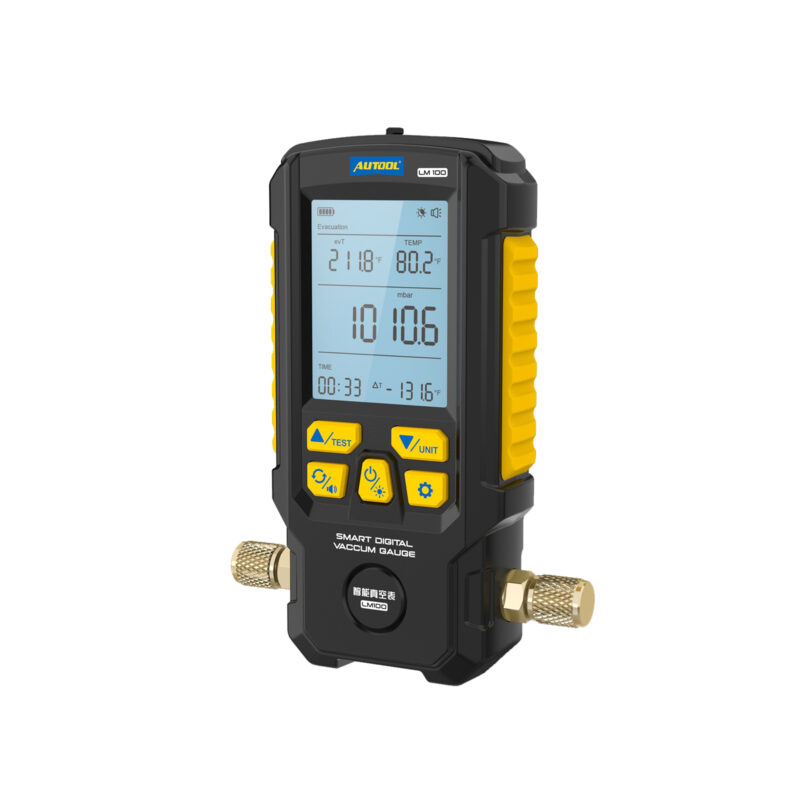
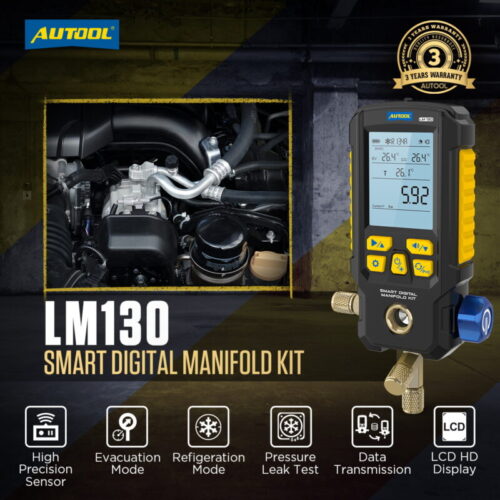
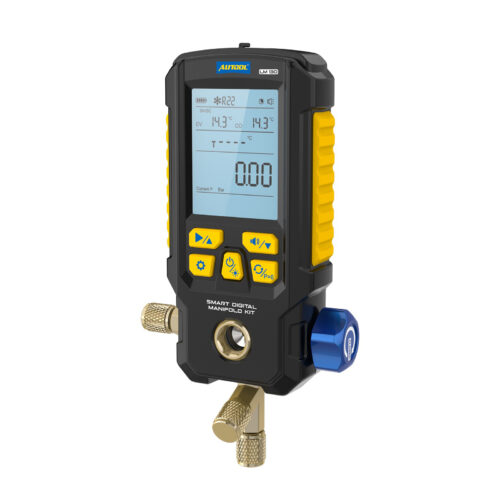
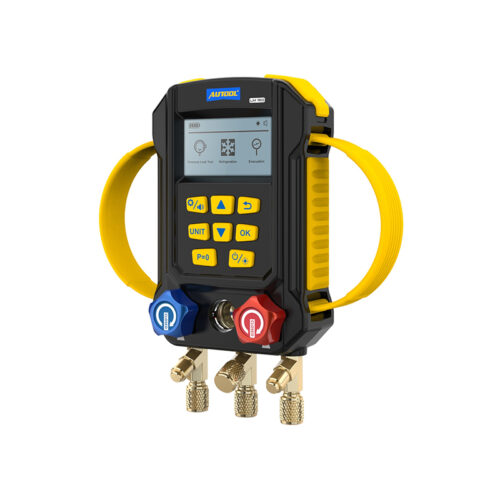
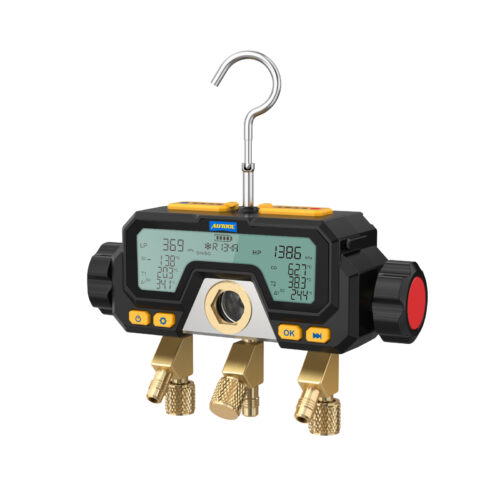
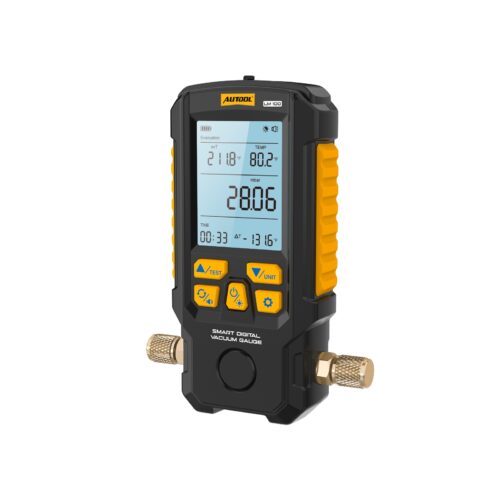
AUTOOL smart digital manifold for AC diagnosis

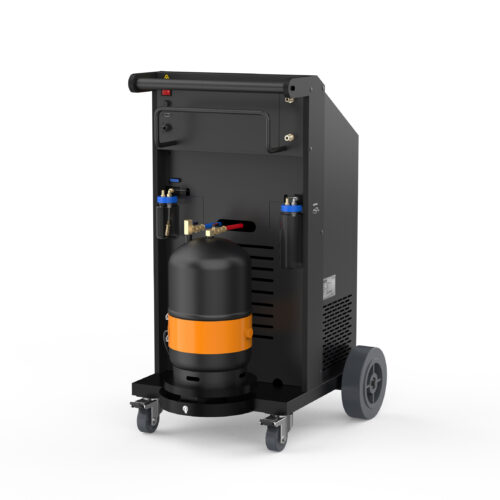
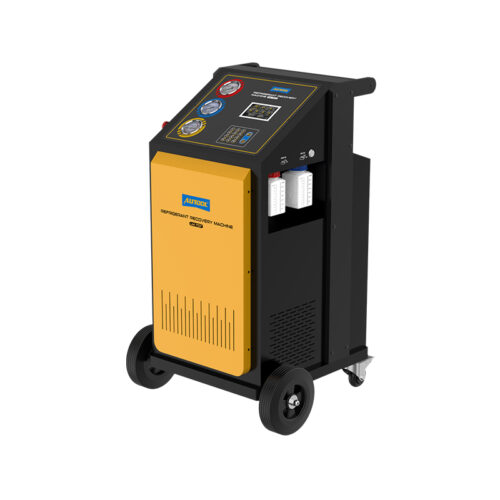
Air conditioning service tools

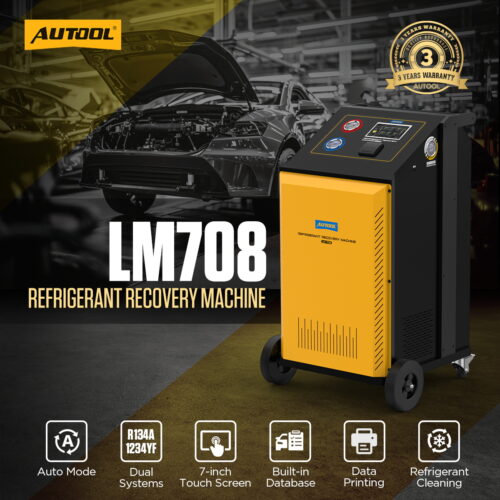
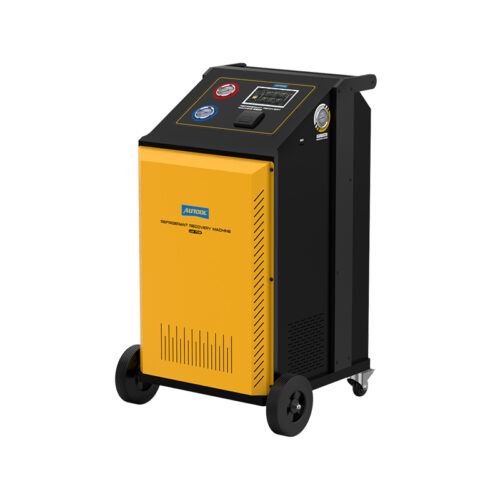
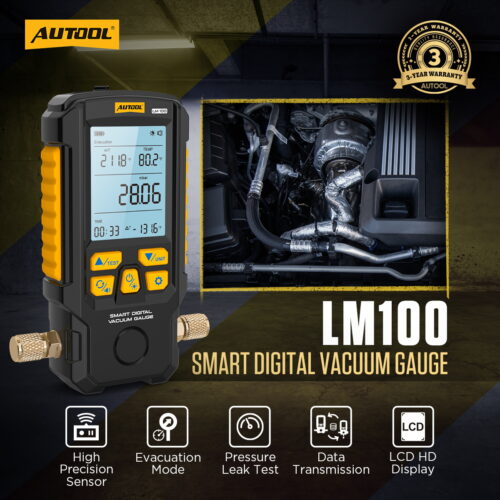
The original AC section connected poor cooling, refrigerant pressure, leak detection, and refrigerant recovery with smart digital manifold kits and refrigerant recovery machines.

Electrical Checks

Electrical System Issues

Common electrical system problems include headlights not working, windows that do not lift properly, and audio system failure. If electrical problems are not addressed promptly, they may affect driving safety.

What is the most common cause of electrical problems in cars?

  • Damaged bulbs or motors: Dim, flickering, or non-functional lighting, windows that move slowly, and unusual motor noise can all indicate component failure.
  • Faulty switches or relays: Buttons with no response, intermittent operation, or multiple circuits not working at the same time may point to switches or relays.
  • Blown fuses: A complete failure of the corresponding circuit, such as the cigarette lighter, audio system, or a specific group of lights, may be caused by a blown fuse.
  • Poor or aged wiring connections: Intermittent operation, flickering, tripping circuits, or sudden function failure often becomes more obvious when exposed to moisture or vibration.
  • Low battery or alternator failure: Weak starting power, dim lights, battery warning lights on the dashboard, or occasional electrical anomalies may come from battery or alternator issues.

How do you troubleshoot electrical problems?

  1. Check and replace damaged bulbs, motors, or switches. Regularly inspect headlights, power window motors, and wiper motors. If they do not work correctly or the switches fail, replace damaged parts promptly.
  2. Check the fuses, replace if necessary, and investigate overload causes. When a circuit fails, check whether the corresponding fuse has blown. Replace it with the same specification and identify the reason for the overload.
  3. Check the wiring connections and repair poor contact or aging areas. Inspect electrical plugs, terminals, and wiring for looseness, oxidation, or damage. Clean oxidized areas, tighten connections, or replace aged wiring.
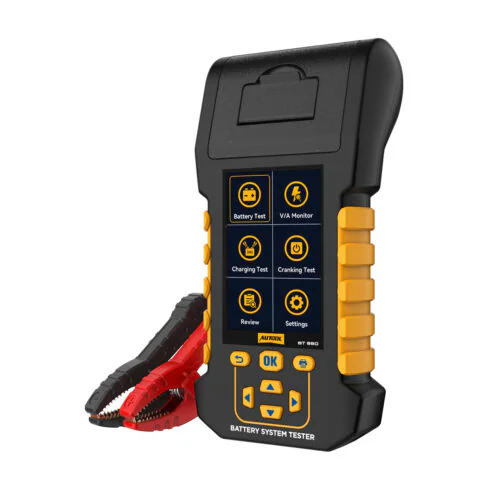
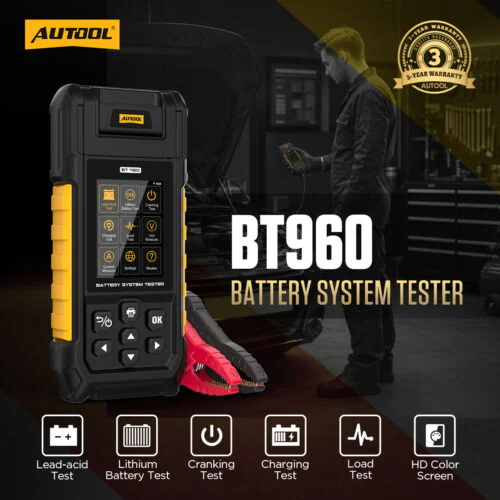
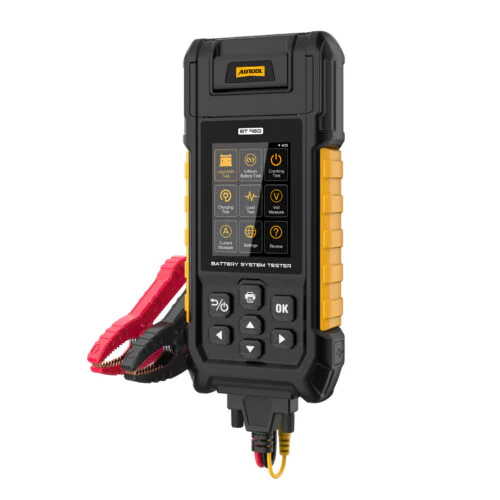
  4. Test the battery and alternator to ensure stable power supply. Use a multimeter or battery tester to measure static voltage and output voltage when the engine is running. If the battery is low or alternator output is abnormal, recharge, repair, or replace the affected component.
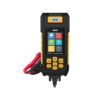
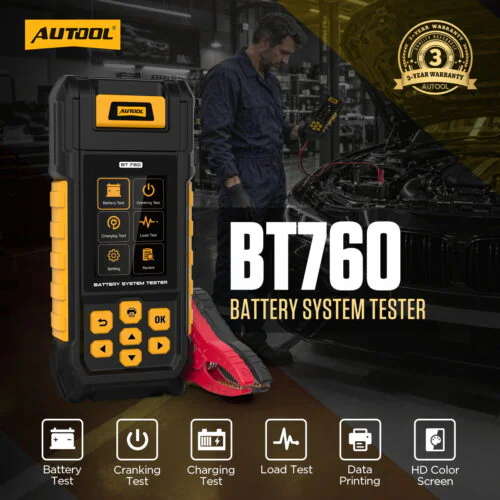
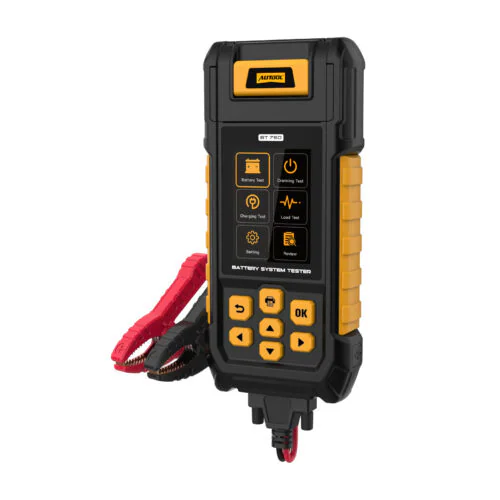
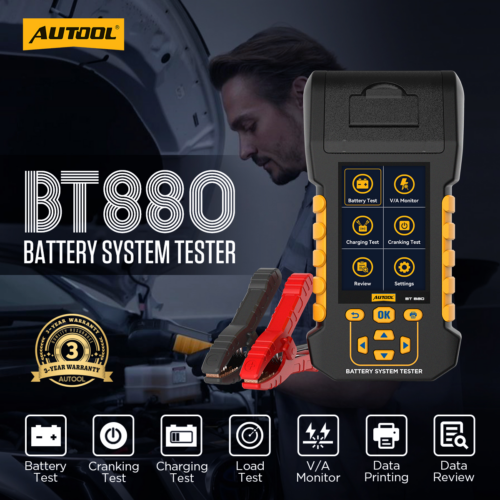
Battery testing for automotive electrical diagnosis

Electrical and battery tools

The original electrical section included bulb, motor, fuse, wiring, battery, and alternator checks, with battery testers as the most direct product match.

Chassis and Tires

Chassis and Suspension System Issues

Common chassis and suspension problems include unusual suspension noises, pulling to one side, and uneven tire wear. If left unresolved, these issues can affect vehicle stability and driving safety.

What is the most common problem in suspension systems?

  • Worn or loose suspension components: Knocking or squeaking sounds, unstable steering, and poor road feel can cause additional wear on other components over time.
  • Improper wheel alignment: If the steering wheel is off-center, the vehicle pulls to one side, or constant steering correction is needed while driving straight, wheel alignment should be checked promptly. Uneven tire wear, including inside or outside edge wear, is another warning sign.
  • Damaged shock absorbers: Excessive bouncing over speed bumps or potholes, noticeable body roll, insufficient support during turns, and front-end dipping during braking reduce stability and passenger comfort.
  • Uneven tire pressure or suspension load distribution: Local or overall tire wear, poor straight-line stability, increased fuel consumption, and vibration or noise may result from pressure or load imbalance.

How do you troubleshoot suspension problems?

  1. Check and replace damaged or loose suspension components. Regularly inspect control arms, ball joints, and bushings. Replace or tighten loose, worn, or cracked parts promptly to prevent further wear.
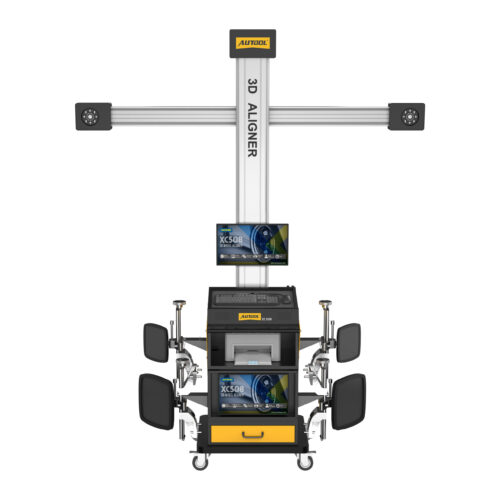
  2. Perform wheel alignment to ensure straight-line driving. If the vehicle pulls to one side or tires wear unevenly, visit a professional repair shop for wheel alignment. Adjust toe angle, camber, and related parameters to maintain smooth driving and precise steering.
  3. Check and replace worn-out shock absorbers. Deteriorated shock absorbers can cause excessive bouncing or body roll. Check for oil leaks and unusual noise, or perform a bounce test. Replace shock absorbers in pairs when needed.
  4. Check tire pressure and replace severely worn tires if needed. Keep pressure within the manufacturer’s recommended range. Replace tires with severe tread wear, insufficient tread depth, cracks, bulges, or other visible damage.
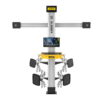
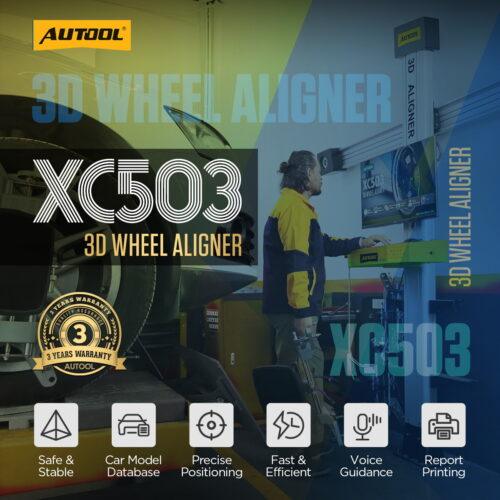
Wheel and suspension inspection for vehicle stability

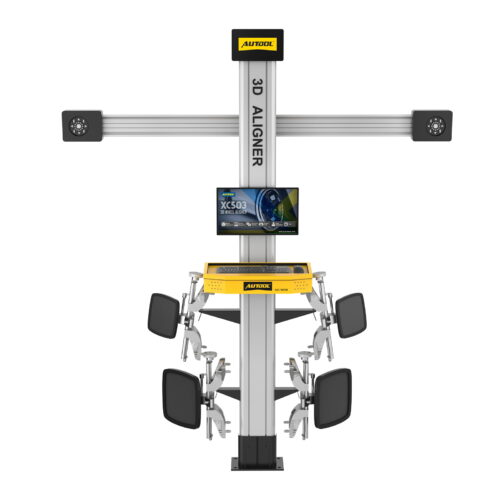
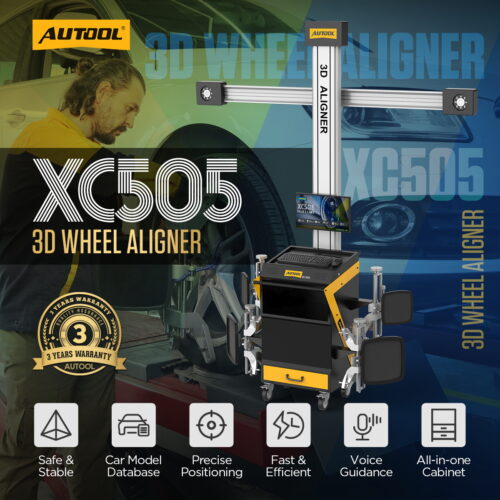
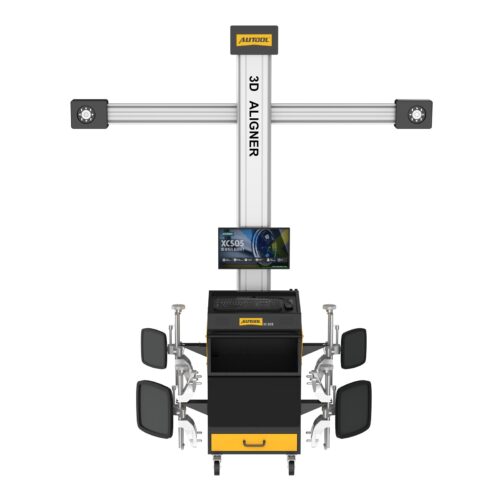
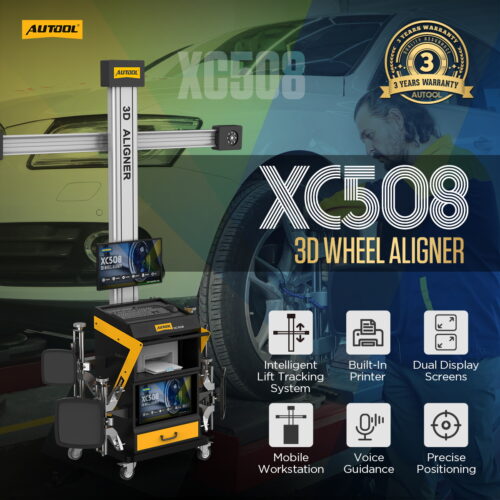
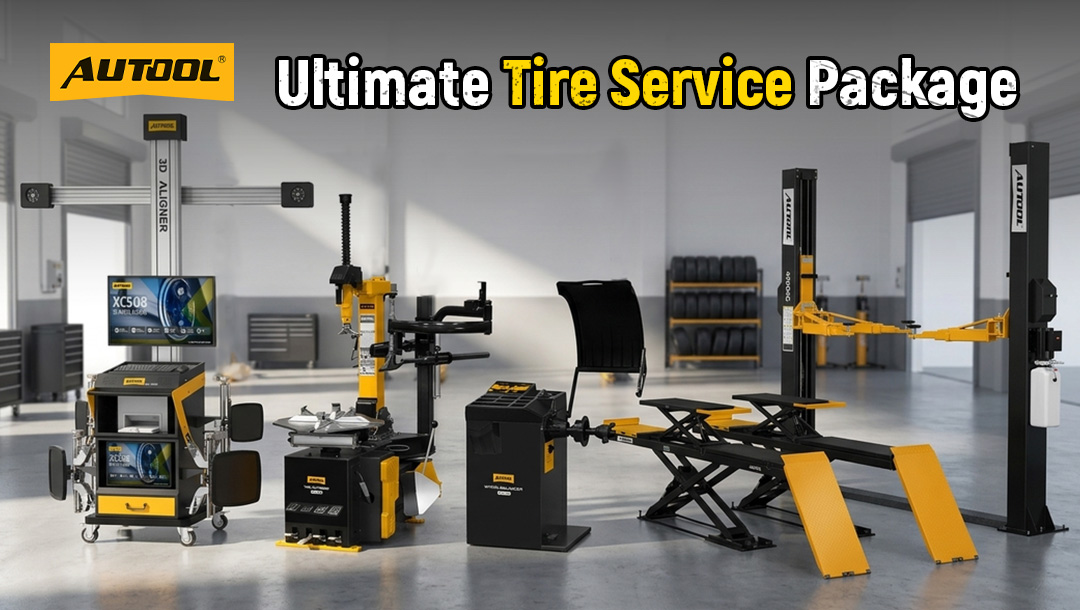
Wheel alignment equipment

The original chassis section connected pulling, uneven tire wear, steering angle, camber, and toe angle with wheel alignment equipment.

Maintenance Habits

Helpful Tips

  • Regular maintenance and inspections are essential measures for preventing vehicle breakdowns.
  • Seek professional help for serious car issues, and consult professionals or take the vehicle to a specialized repair shop to ensure driving safety.
  • Be mindful of driving habits. Avoid rapid acceleration, harsh braking, and prolonged overloading to reduce wear and minimize the risk of breakdowns.
  • Address minor issues promptly. Unresolved small problems can lead to bigger issues, so abnormal symptoms should be checked and repaired as soon as possible.
  • Pay attention to warning lights. If abnormal indicators appear on the dashboard, investigate the cause immediately to avoid potential safety risks.
Summary

Maintenance Turns Common Breakdowns Into Manageable Problems

Although car breakdowns are inevitable, regular inspections and maintenance can detect and resolve most issues early. Understanding common faults and their corresponding solutions not only ensures driving safety but also extends the vehicle’s lifespan, making every trip more worry-free.

For sudden engine, brake, AC, electrical, or suspension issues, the safest approach is to identify symptoms early, perform basic checks, and seek professional repair support when the fault involves safety-critical systems.

Click to learn more
WhatsApp: +86 18926477404
E-Mail: sales@autoolstore.com

Ähnliche Produkte

Wird über den WooCommerce-Produkt-Shortcode gerendert, damit die Karten die globale product-card-Struktur und die Blocksy/WooCommerce-Stile übernehmen.
Schreibe einen Kommentar

Deine E-Mail-Adresse wird nicht veröffentlicht. Erforderliche Felder sind mit * markiert