Tipps & Anleitungen
7 wichtige Tipps zur Motorwartung – Unverzichtbar für eine gute Autopflege

26. November 2021
Aktie:
 autoolstore.com
Der Motor ist das Herzstück eines jeden Autos. Als Autobesitzer möchten Sie den Motor Ihres Fahrzeugs in optimalem Zustand halten, um seine Lebensdauer zu verlängern und unerwartete Pannen zu vermeiden.
Dieser Artikel fasst die wichtigsten Tipps zur Motorwartung zusammen, auf die Sie bei der Pflege des Motors Ihres Fahrzeugs achten sollten – von Ölwechsel und Motorreinigung bis hin zu Filtern, Kühlerprüfungen, Lecksuche und Warnleuchten.
Grundlegende Motorpflege
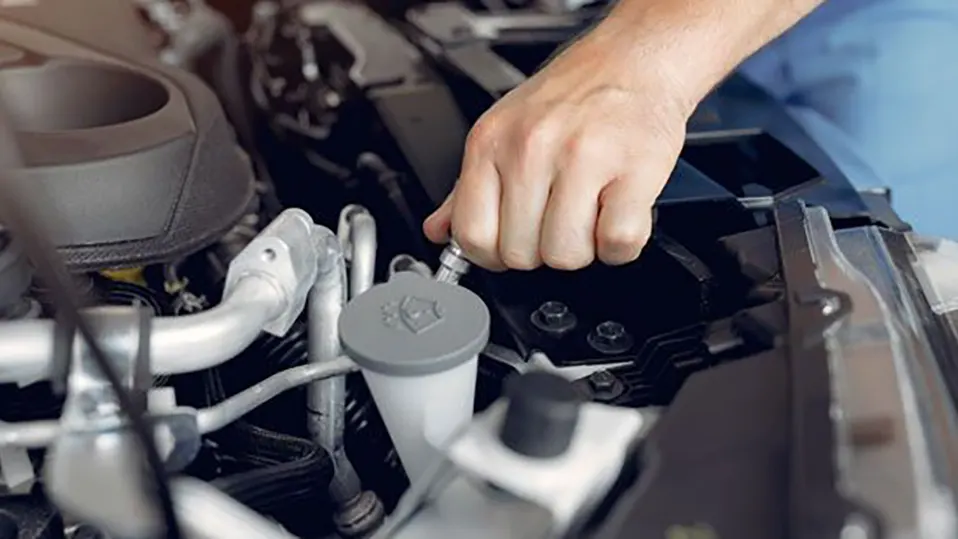
Motoren haben Dutzende bewegliche Teile, die leicht verschleißen können, wenn sie nicht geschmiert werden. Deshalb sollten Sie das Motoröl Ihres Autos regelmäßig wechseln, um die einwandfreie Funktion dieser beweglichen Teile jederzeit zu gewährleisten.
Der Motor Ihres Autos sollte mindestens einmal jährlich gründlich gereinigt werden. Schmutz, Staub und Ablagerungen können sich auf den ölbenetzten Motorflächen ansammeln und die Effizienz des Kühlsystems durch verstärkte Isolierung beeinträchtigen.
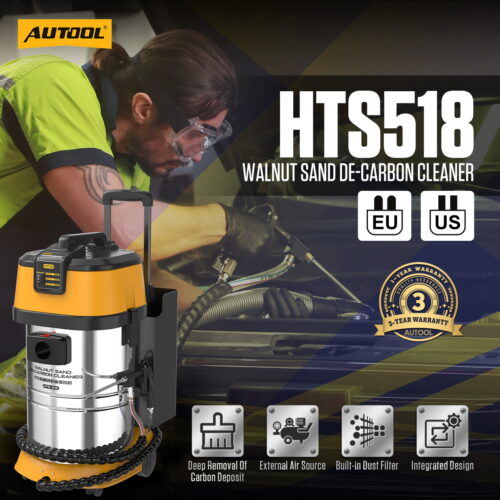
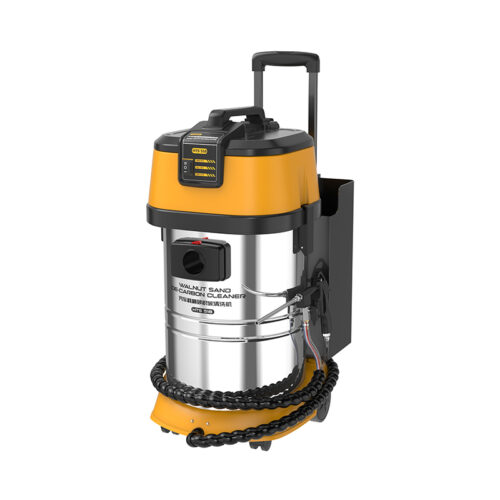
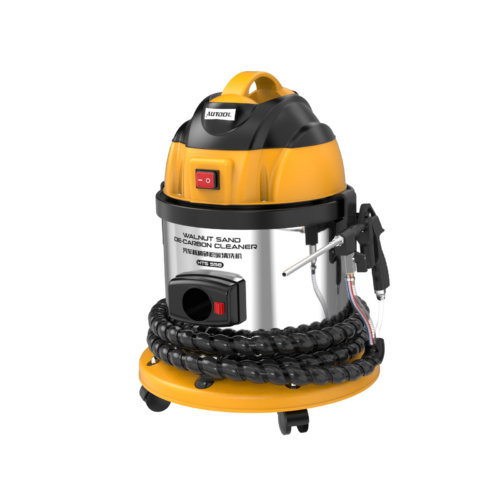
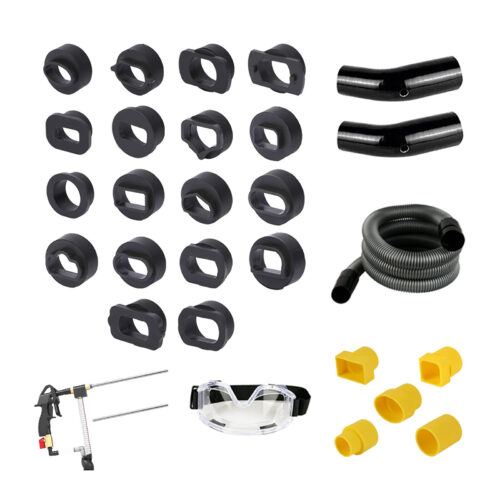
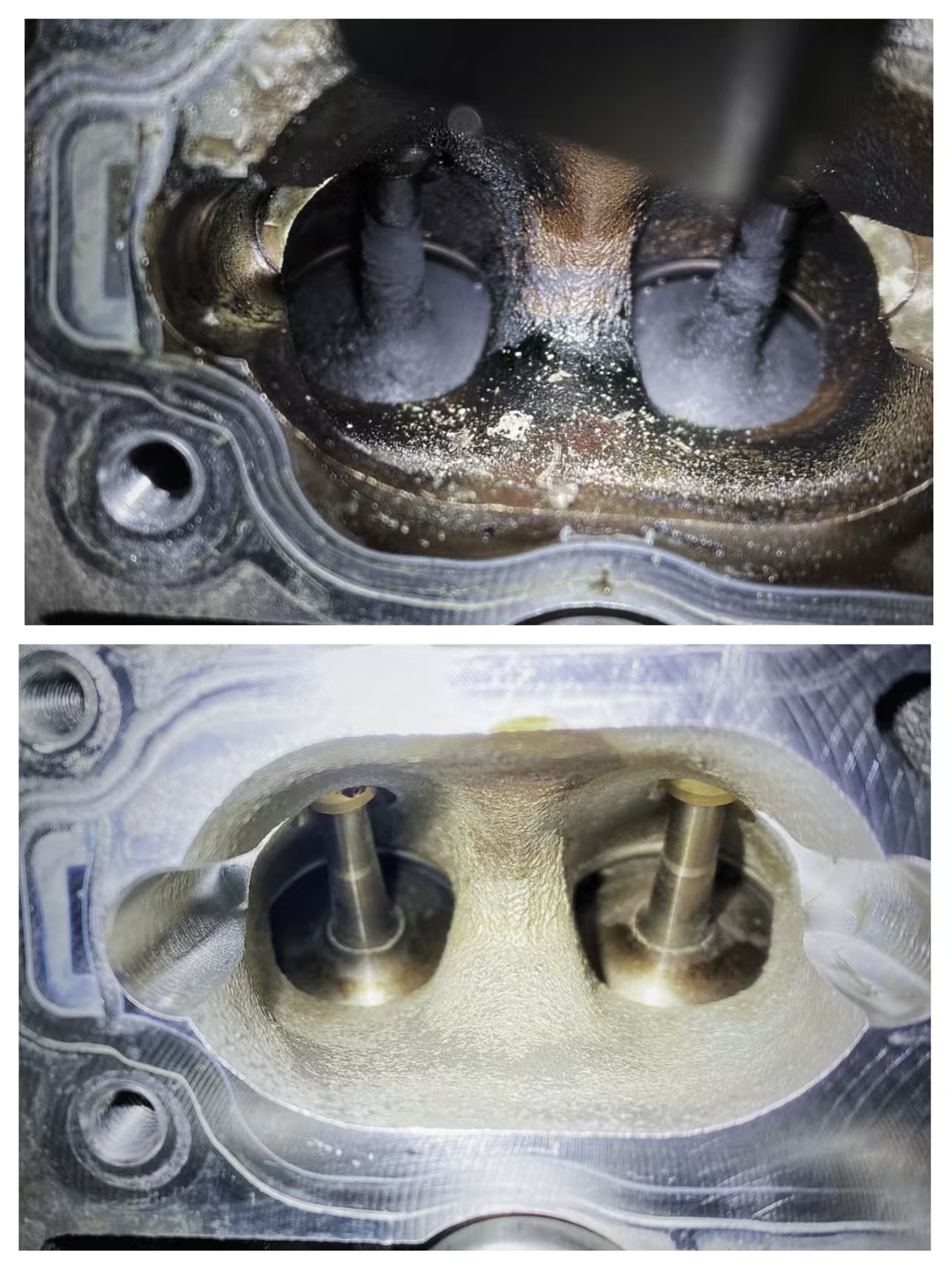
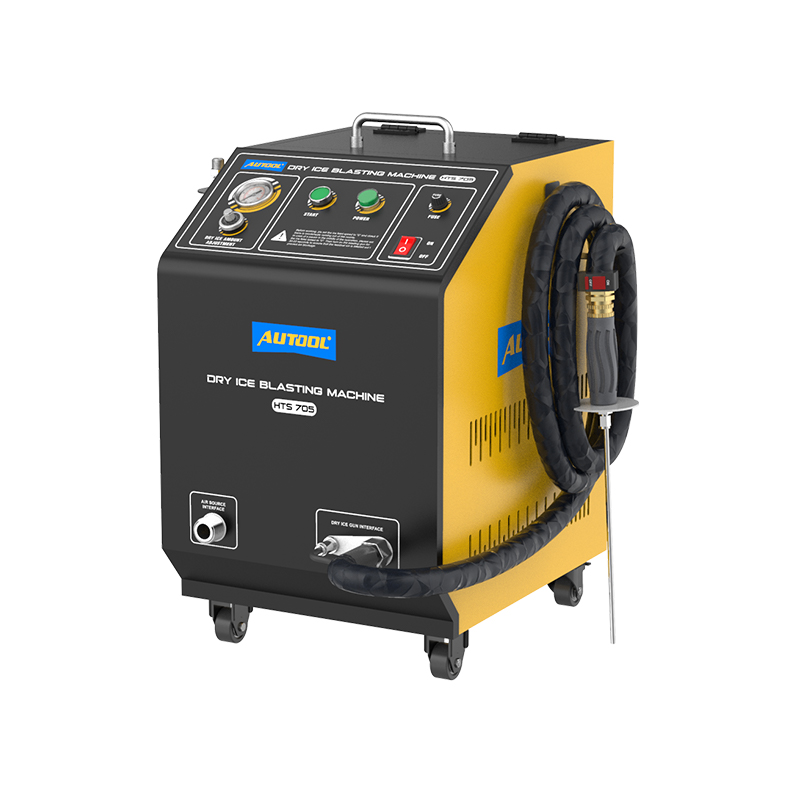
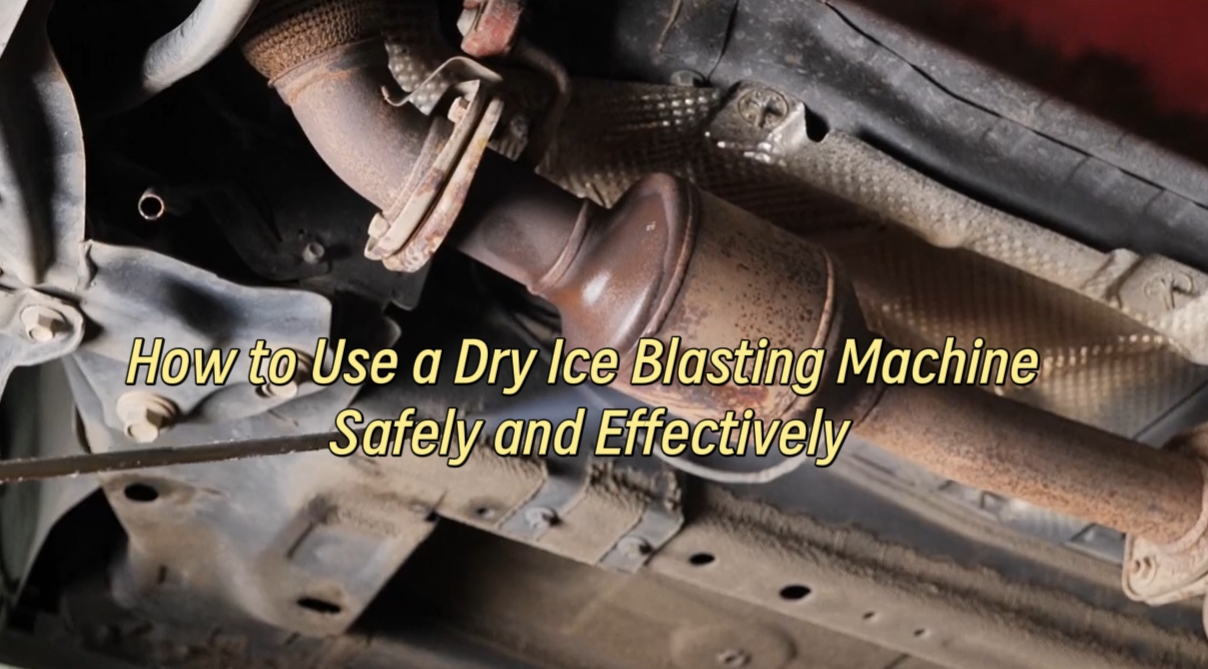
Die Dampfreinigung in einer Waschanlage ist effektiver als die Reinigung zu Hause, aber beides ist möglich. Sie können die HTS558 Motorentkohlung um die Einlassventile im Inneren Ihres Motors zu reinigen, oder die vielseitigere HTS708 Trockeneisstrahl-ReinigungsmaschineDurch die Reinigung kann der Motor nicht nur besser atmen, sondern es werden auch Lecks und verschlissene Teile sichtbar, die ausgetauscht werden müssen.
Bei der Reinigung ist darauf zu achten, wasserempfindliche Teile wie elektrische Komponenten, Schläuche und Verteiler nicht zu beschädigen. Ein nicht korrosiver Entfetter wird empfohlen.
Luft-, Kühl- und Kraftstoffsysteme
Luftfilter können leicht durch Schmutz und Ablagerungen verstopfen. Ein verstopfter Luftfilter kann zu einem höheren Energie- und Kraftstoffverbrauch als erwartet führen und das gesamte Motorsystem beeinträchtigen. Die Folge ist ein beschädigtes Luftfiltersystem.
Experten empfehlen, den Luftfilter alle 12.000 Meilen zu wechseln, aber Sie sollten das System trotzdem regelmäßig auf Fehler überprüfen.
Wenn ein Motor Kraftstoff in mechanische Energie umwandelt, erzeugt er übermäßige und unnötige Wärme. Der Kühler leitet diese Wärme durch die Zirkulation von Kühlmittel vom Motor an die Umgebungsluft ab.
Dieselmotoren erzeugen mehr Wärme als Benzinmotoren, wodurch ihre Kühler häufiger überlastet werden. Dennoch sollten alle Motorkühler regelmäßig auf ihre Leistung und mögliche Mängel überprüft werden.
Sollten Mängel auftreten, können Sie den Kühler austauschen, Rost und Verunreinigungen aus dem Frostschutzmittel entfernen und das System mit frischem Frostschutzmittel auffüllen.
Benzinmotoren haben einen Kraftstofffilter, Dieselmotoren hingegen zwei. Der Kraftstofffilter fängt im Kraftstoff enthaltene Wasserpartikel auf. Diese Partikel können Motorschäden, explodierende Einspritzdüsen oder Leistungsverlust verursachen.
Bei den meisten Motoren müssen die Kraftstofffilter alle 10.000 Meilen gewechselt werden, und man sollte sie immer auf Mängel überprüfen.
Lecks und Warnleuchten
Öl und Kühlmittel sind für einen Automotor unerlässlich. Leider können diese Flüssigkeiten durch defekte Leitungen oder Ventile austreten. In diesem Fall kann die Effizienz des Systems beeinträchtigt werden.
Überprüfen Sie Ihren Parkplatz stets auf Ölflecken und verwenden Sie ein Rauchmelder um kleine Lecks zu erkennen, falls Sie Anzeichen einer Leckage feststellen.
Moderne Fahrzeuge verfügen über eine Motorkontrollleuchte, die im Fehlerfall frühzeitig warnt. Es empfiehlt sich, bei Aufleuchten der Motorkontrollleuchte eine Werkstatt aufzusuchen, um eine umfassende Diagnose durchführen zu lassen, bevor das Fahrzeug komplett ausfällt.
Ein Fahrzeug ist eine beträchtliche Investition. Um seine Laufleistung optimal zu nutzen, ist es ratsam, den Motor in gutem Zustand zu halten.
Holen Sie das Beste aus Ihrem Fahrzeug heraus, indem Sie regelmäßig das Öl wechseln, auf beschädigte Teile prüfen, den Motor reinigen, wichtige Systeme überwachen, auf Lecks achten und die Motorkontrollleuchte ernst nehmen.
Ähnliche Produkte
Wird über den WooCommerce-Produkt-Shortcode gerendert, damit die Karten die globale product-card-Struktur und die Blocksy/WooCommerce-Stile übernehmen.