Tips & Tutorials, Uncategorized
A Simple Guide to Checking and Replacing Car Battery Yourself

October 28, 2025
Share:
 autoolstore.com
Tips & Tutorials
A car battery is the core component of a vehicle’s starting system. It is a rechargeable DC power source that converts chemical energy into electrical energy to power the vehicle. While the vehicle is running, it also stores electrical energy back into chemical form for later use.
In daily driving, the battery has two crucial roles. First, it provides the strong current needed by the starter system so the engine can start smoothly. Second, it supplies power to electrical components such as headlights, audio systems, and the central control screen.
When the battery runs low or fails, the car may not start and the driver can be stranded. That is why regular car battery inspection and a proper car battery test are important parts of vehicle maintenance.
Battery Health Check
Use visual inspection, functional testing, and professional measurement together. This gives a more reliable判断 than relying on a single symptom.
This step requires no tools and is useful as the first car battery inspection.
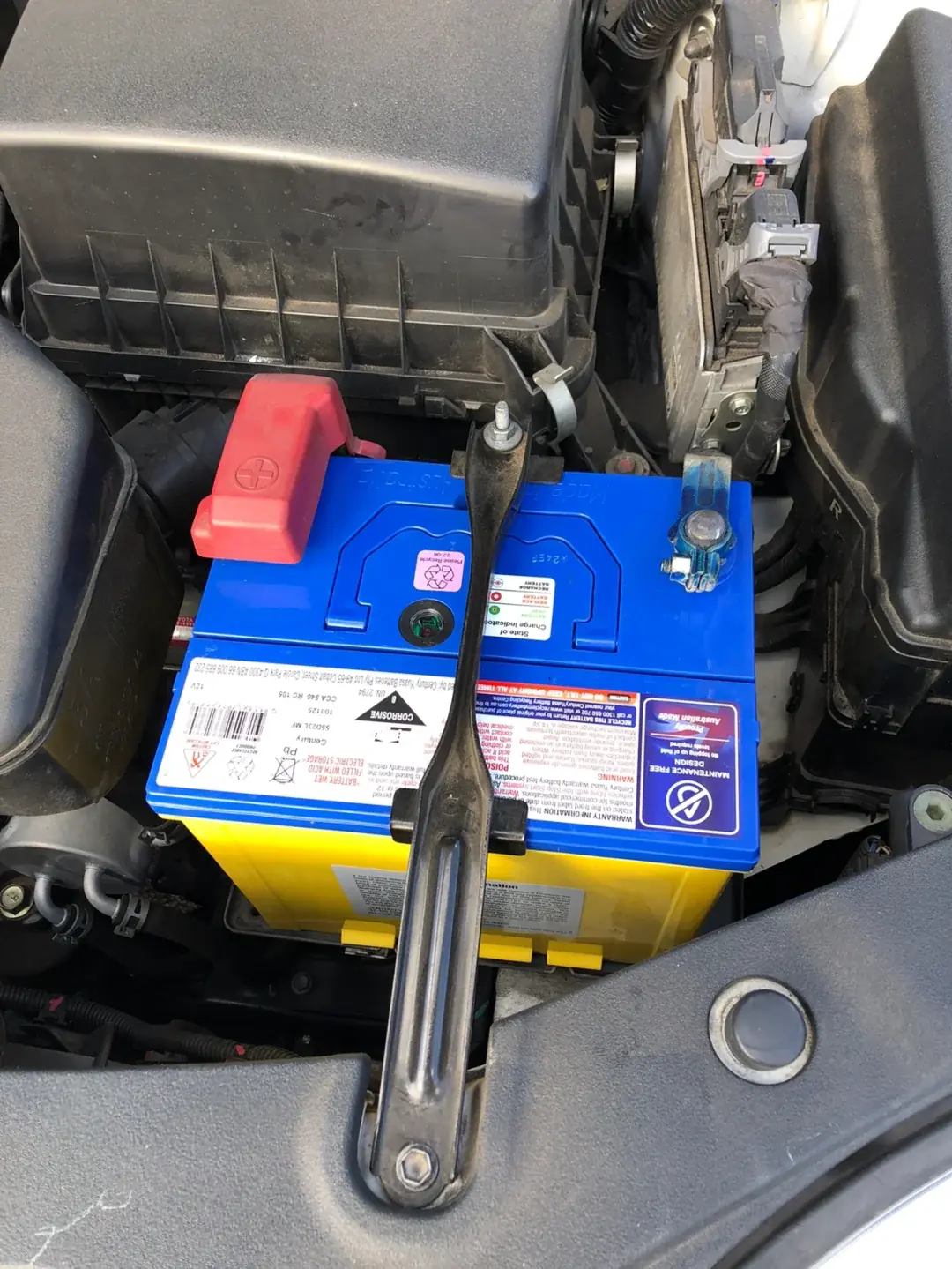
Open the hood and locate the battery, usually a black plastic case marked with positive and negative terminals. If you notice swelling, cracks, or white or green powdery corrosion around the terminals, the battery may have internal damage or leakage. That is a clear sign that battery replacement is needed.
Also confirm the battery age. Look for the production date on the battery case, usually written as year/month or week/year. The average lifespan of a lead-acid battery is 3-5 years. If it has been used for over five years, replacement is wise even if the outside still looks normal.
You can evaluate battery performance during daily use without special equipment.
When pressing the start button, if the engine turns slowly, sounds weak, or needs several attempts to start, the battery is losing charge and performance is declining. If there is no cranking sound and only a click noise, or the dashboard lights dim instantly, the battery has failed and should be replaced.
With the car in ON mode but not started, turn on the headlights, infotainment screen, and power windows. Dim lights, laggy displays, or slow window movement, especially when several electronics are used at once, may indicate that battery voltage is too low to provide stable power.
If you are still unsure after the first two checks, use diagnostic tools for a more accurate car battery test.
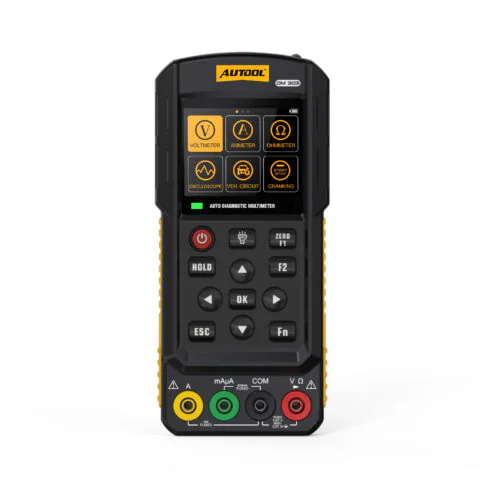
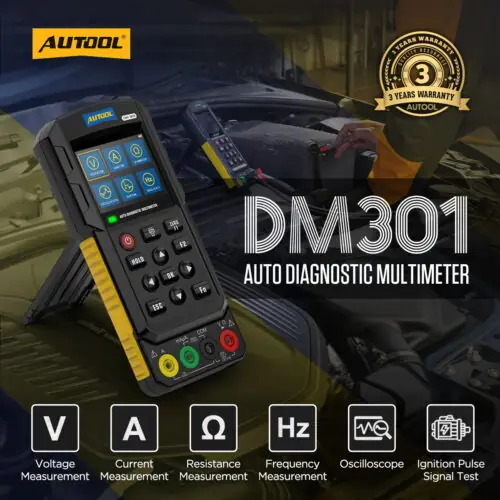
Measure voltage with a multimeter: When the car is off, set the multimeter to DC voltage mode. Connect the red probe to the positive terminal and the black probe to the negative terminal. A healthy battery should read between 12.4V and 12.8V. If it is below 12.2V, the battery is undercharged. If it is below 12V, it needs immediate replacement.
After starting the car and letting it idle, measure again. A normal charging reading should be 13.5V-14.5V. If it remains below 13V, the alternator may not be charging the battery correctly, and both the alternator and battery should be checked.
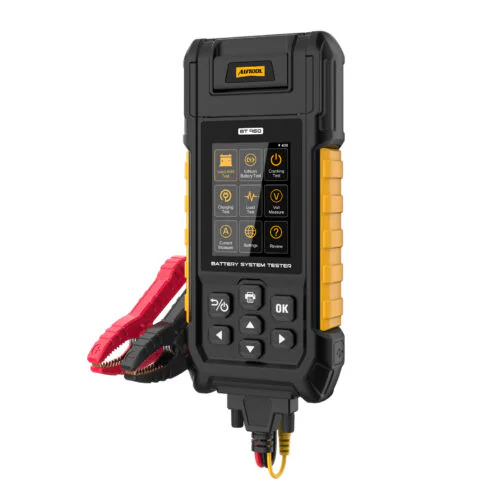
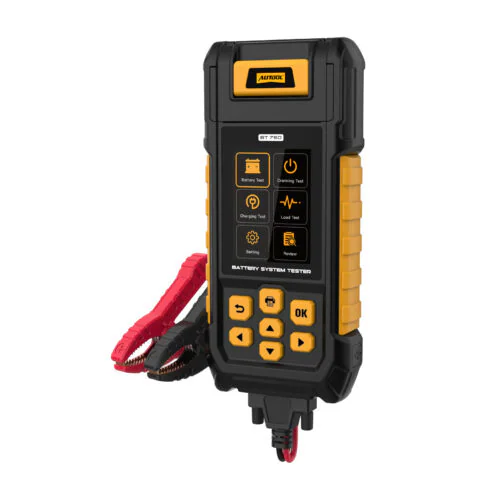
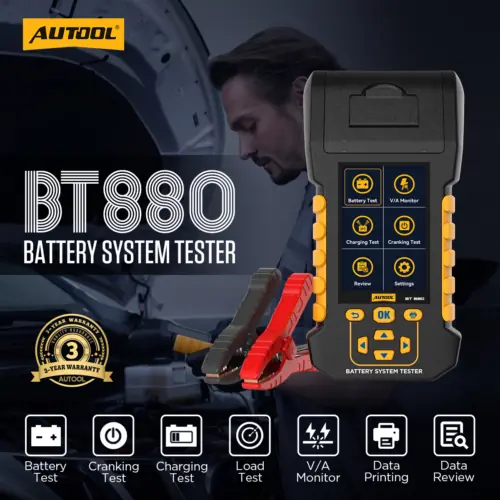
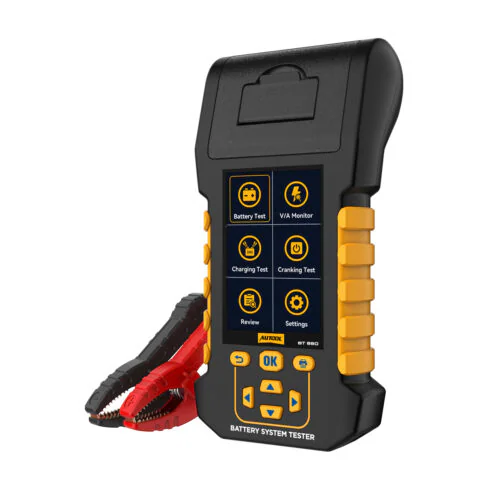
Use a battery analyzer or car battery checker: A professional car battery checker can show State of Health, SOH, and State of Charge, SOC. If SOH is below 60%, it is time to plan a replace car battery procedure even if the vehicle still starts.
Battery Test Tools
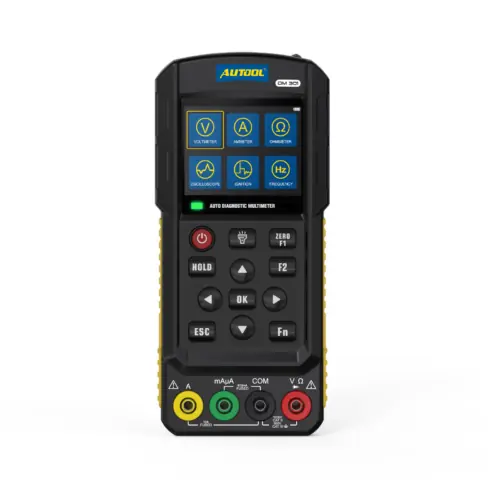
Use a battery tester, multimeter, or circuit tester to confirm voltage, charging condition, and battery health before replacing parts.



Before Replacement
Preparation reduces the chance of short circuits, mismatched parts, data loss, or interruption during installation.
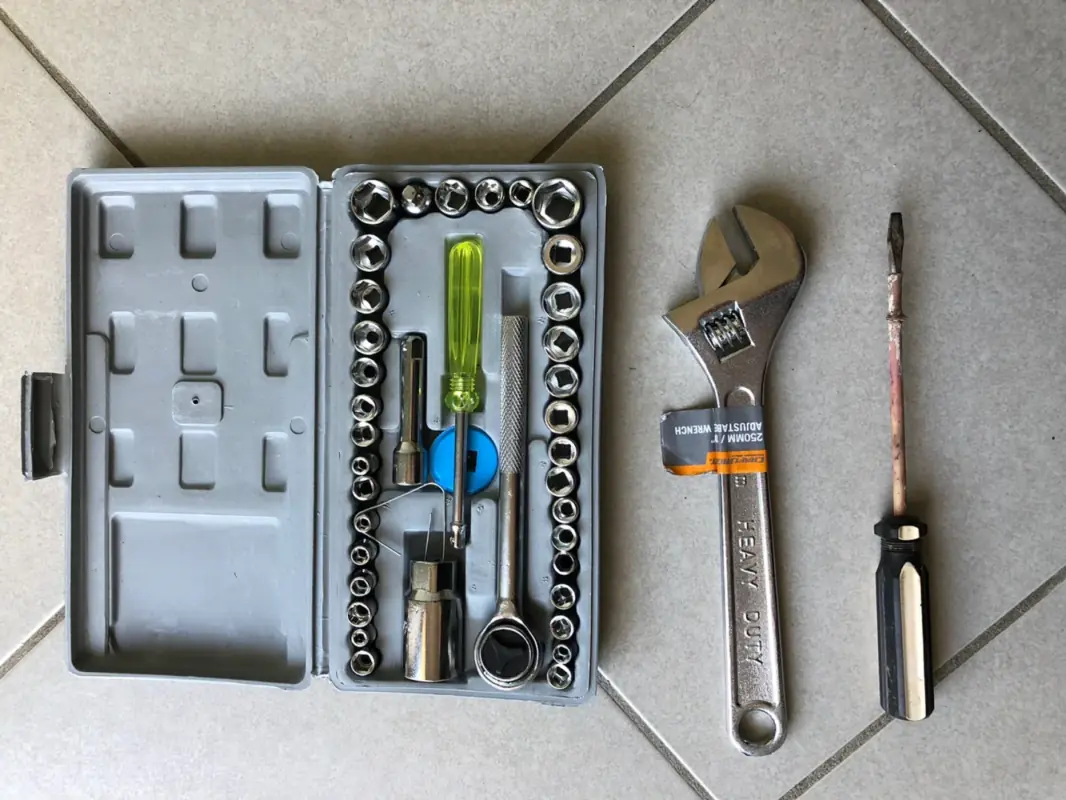
Prepare a socket wrench or open-end wrench set to remove the nuts on the battery’s positive and negative terminals. Common terminal sizes are 8-13 mm, but you should check the battery terminal size in advance.
Bring a flathead screwdriver to gently remove corrosion or rust from the terminals if needed, and use a clean cloth to wipe dust or dirt from the battery surface.
Check the label on the old battery for its model, such as 55D23L or 6-QW-60. The new battery must match the required model and physical size so it fits properly.
Confirm the rated capacity, measured in Ah, such as 60Ah. The new battery should have the same or higher capacity. A lower capacity may cause weak starting power.
Most gasoline vehicles use 12V batteries, and most hybrid vehicle auxiliary batteries are also 12V. Do not purchase a 24V truck battery by mistake.
Battery replacement involves electrical systems and chemical materials, so safety preparation is essential.
Wear insulated gloves to avoid electric shock when touching terminals. If the old battery is leaking, wear safety goggles to protect your eyes from electrolyte splashes.
Make sure the car is fully turned off, the key is removed, and all electrical systems are powered down. This helps prevent short circuits during inspection and replacement.
Some vehicles lose saved data when the power is disconnected. If your car does not automatically retain memory functions, record radio presets, seat positions, and one-touch window settings.
As an optional step, use a backup power device through the OBD port or directly at the battery terminals if you are concerned about ECU data loss or warning lights after disconnecting power.
Replacement Steps
Follow the cable order carefully. Removing and reconnecting the terminals in the correct sequence helps reduce short-circuit risk.
Fully turn off the vehicle, remove the key or shut down all power systems, and engage the parking brake. Wear insulated gloves before touching the terminals.
Check whether the old battery has leakage. If it does, wear protective goggles to prevent electrolyte from contacting your skin or eyes. Open the hood, locate the battery, confirm the positive and negative markings, and clean the surrounding area to create enough working space.
Disconnect the negative terminal first: Use a wrench to loosen the nut on the negative terminal. After removing the cable, wrap the cable end with a clean cloth to prevent accidental contact with the positive terminal or metal parts.
Disconnect the positive terminal next: Loosen the nut on the positive terminal and remove the cable carefully, keeping it away from metal surfaces.
Remove the hold-down clamp: Loosen the securing bracket, then lift the old battery out with both hands. Car batteries typically weigh 10-15 kilograms, so lift steadily to avoid injury.
Compare the old and new batteries to confirm the model and terminal layout. Place the new battery securely into the mounting tray, aligning the positive terminal with the positive cable and the negative terminal with the negative cable.
Reinstall the hold-down bracket and tighten it firmly so the battery does not move while the vehicle is in motion.
Reconnect the positive terminal first, then reconnect the negative terminal. Tighten the nuts snugly without damaging the threads, then gently tug each cable to confirm the connection is secure.
After the battery replacement, close the hood and start the engine. Watch the dashboard. If the battery warning light turns off as usual, the installation was successful.
Test key electrical components such as headlights, the infotainment system, and power windows. If no external power backup was used, reset the clock, radio presets, and saved preferences. Some models may require reinitializing the one-touch window function by holding the window-up switch for about 3 seconds at the top position.
A final car battery inspection or car battery test helps confirm the new unit is operating properly.
Summary
By combining visual inspection, functional testing, and professional measurement, you can judge whether battery replacement is necessary before a no-start situation leaves the vehicle stranded.
When replacing the battery yourself, prepare the right tools, confirm matching specifications, protect yourself from electrical and chemical risks, and record vehicle settings that may be lost when power is disconnected.
Contact AUTOOL
For car battery tester, circuit tester, or maintenance tool questions, contact AUTOOL through WhatsApp or email.
Related Products
Rendered through WooCommerce product shortcode so the cards inherit the product-card structure used by the reference post layout.