Tire Maintenance
Tires are the only point of contact between a vehicle and the road, so they directly affect travel safety, fuel economy, ride comfort, and handling. Many vehicle owners pay close attention to engine oil and brake maintenance but overlook tire maintenance until a problem appears. Regular tire inspection and tire rotation can help reduce uneven wear, improve driving stability, and extend tire service life. This guide keeps the original article’s focus on tire pressure, tread wear, tire aging, rotation intervals, rotation patterns, and daily inspection habits.
Inspection Basics

How should you check your tires?

1. Regular Tire Inspection Helps Prevent Safety Risks

During daily driving, tires face road friction, pothole impact, high-speed heat, and long-term wear. Over time, they may develop uneven wear, low pressure, aging, cracks, bulges, or embedded foreign objects. These problems can increase fuel consumption, reduce stability, and directly affect driving safety. Tire inspection is especially important before a long-distance trip and during seasonal changes. A timely inspection can help reduce the risk of flat tires, abnormal wear, or tire failure on the road.
  • Tire pressure checkTire pressure is a core indicator of tire condition. Low pressure deforms the tire, increases road contact, accelerates wear, and raises fuel consumption. Excessively high pressure reduces grip and can increase blowout risk at high speed. Check and adjust pressure according to the owner’s manual.
  • Tire wear barsMost car tires include wear bars that show when the tread has reached its limit. Replace tires promptly when the tread is worn down. Excessive wear reduces grip on wet or slippery roads and increases the risk of skidding.
  • Tread damage and agingInspect the tread and sidewall for cracks, bulges, cuts, or foreign objects. Aging tires can harden and lose grip even when tread depth still looks acceptable. Many tires are used for about 6-10 years, but even rarely driven vehicles should be checked regularly for aging.
Tire Rotation

How do you rotate car tires?

2. Tire Rotation Reduces Uneven Wear and Improves Stability

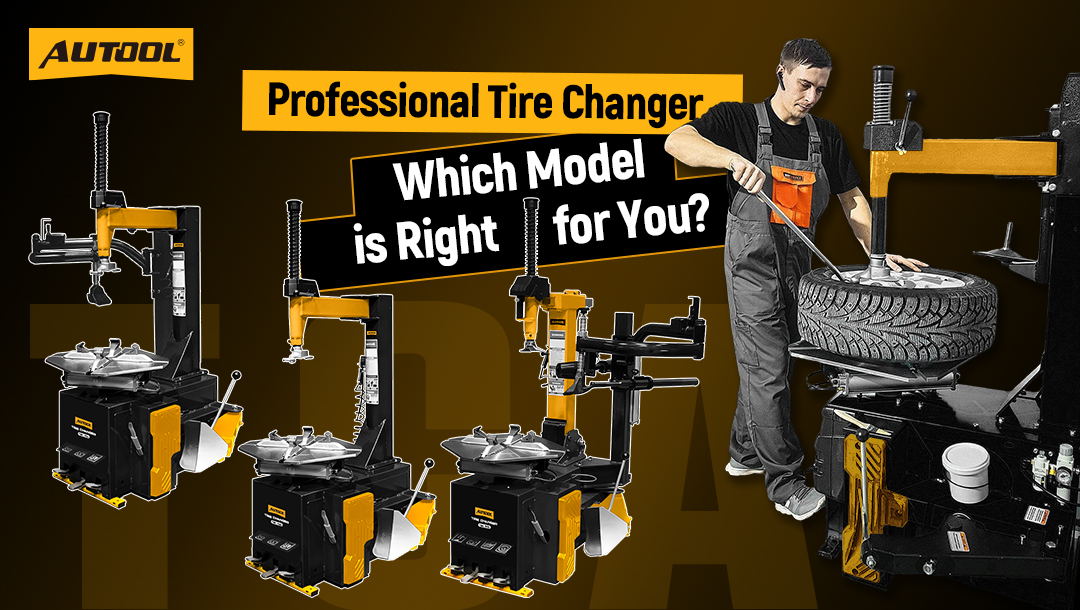
Car tire replacement in this context refers to tire rotation: switching the positions of the four tires to reduce uneven wear. Different drive modes distribute load and traction differently, so front and rear tires do not always wear at the same speed. Regular rotation helps extend tire life and improve handling stability.
  • Recommended rotation intervalIt is generally recommended to rotate tires every 6,000-8,000 kilometers. If the vehicle is mostly driven on city roads and highways, the interval may sometimes be extended. If it is often driven on bumpy roads or at high speed, shorten the rotation interval.
  • Front-wheel-drive vehiclesUse an X-shift pattern when appropriate: move the front wheels to the rear in a crossed pattern, and move the rear wheels straight to the front.
  • Rear-wheel-drive vehiclesA straight-line shift is often used, with front and rear wheels directly exchanging positions on the same side.
  • Four-wheel-drive vehiclesAn X-type shift is commonly recommended so the four tires wear more evenly, especially when the vehicle often runs on poor road conditions.
  • Rotation precautionsMake sure tires on the same axle have matching size and tread condition to maintain handling and balance. For vehicles with significant front-rear drive differences, it is best to use tires of the same brand and type to reduce handling issues.
Daily Tips

What should car owners check every day?

3. Daily Tire Care Habits for Vehicle Owners

  • Keep tire pressure within the normal rangeCorrect tire pressure can improve fuel-consumption performance and reduce unnecessary wear.
  • Avoid rapid acceleration and hard brakingAggressive driving increases tire wear, especially on the front wheels.
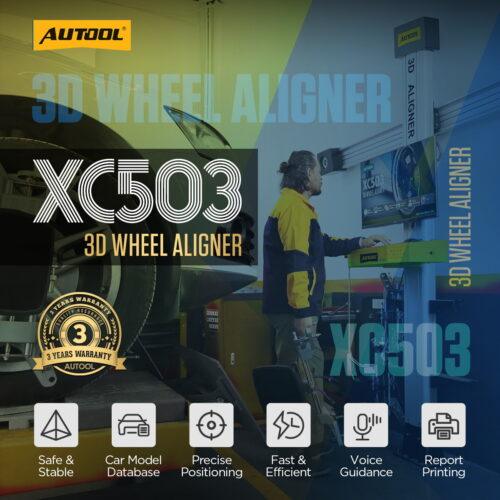
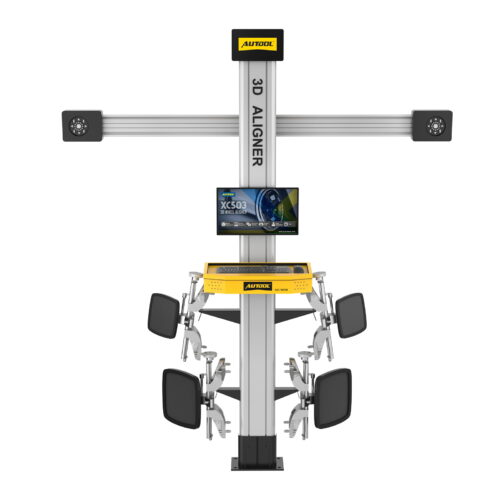
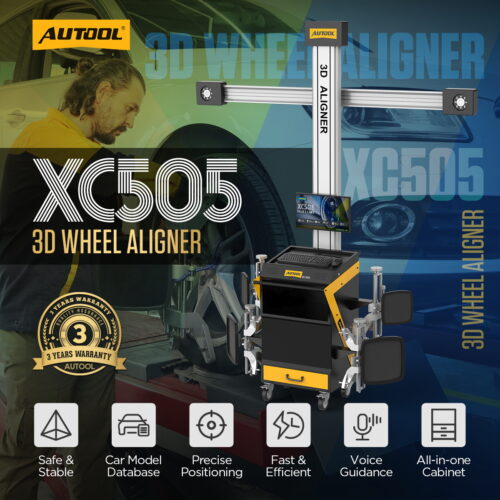
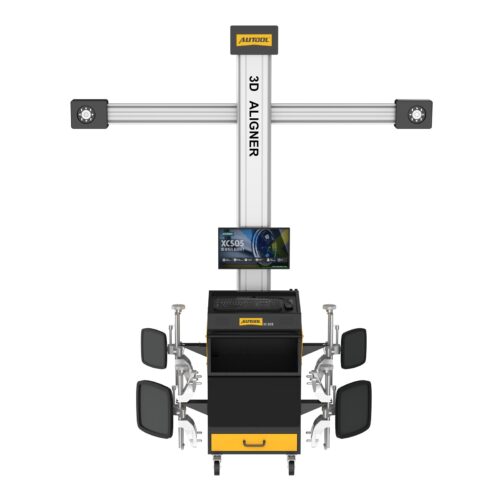
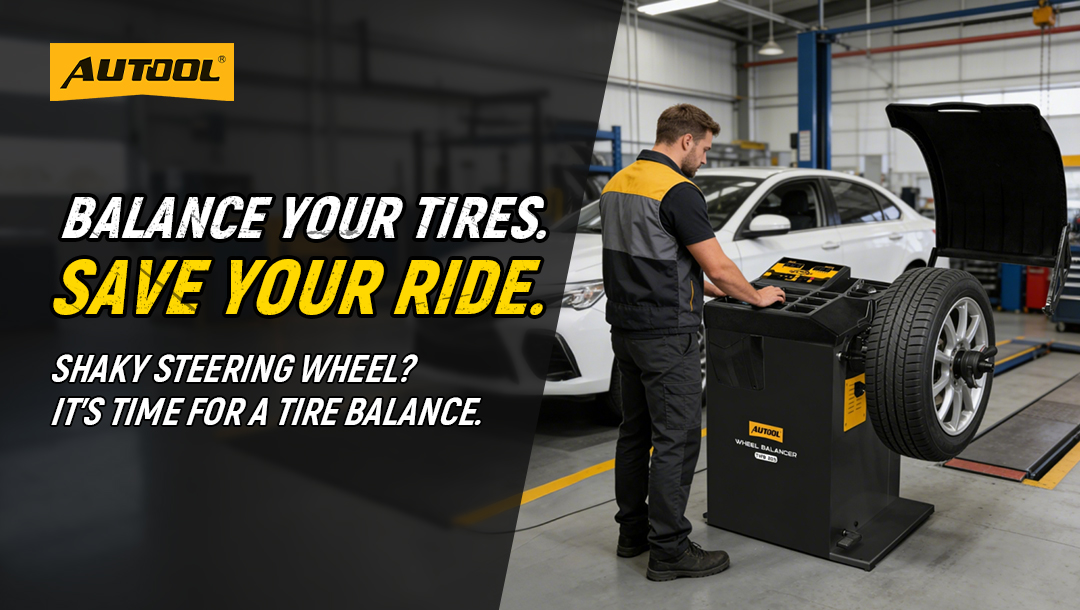
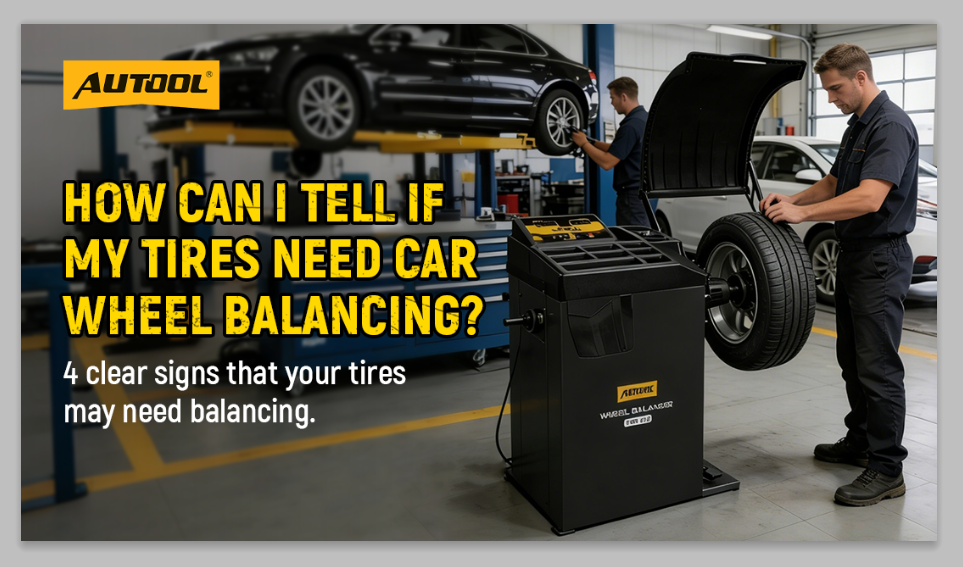
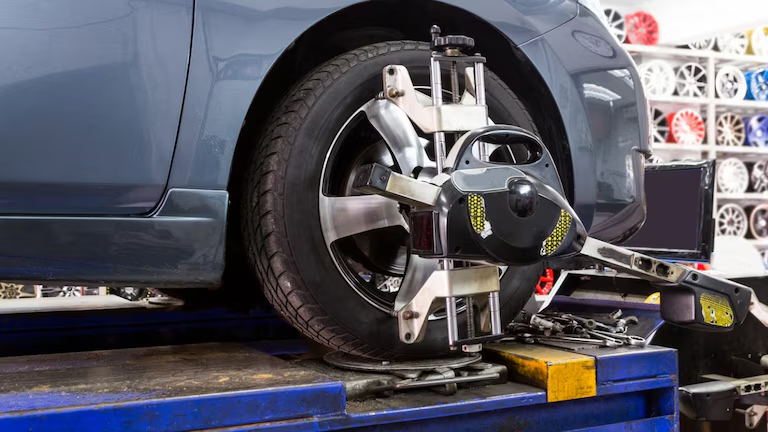
  • Do dynamic balancing and four-wheel alignment regularlyUnbalanced tires can cause vibration at higher speeds, affecting comfort and safety. Four-wheel alignment can help prevent vehicle drift and abnormal tire wear.
  • Replace aged tires in timeCheck the tire manufacture date and overall condition every year. Replacement should be considered after more than 6 years even if the tread is not severely worn.
  • Ask for professional inspection during maintenanceDuring regular maintenance at a 4S store or repair shop, ask a technician to inspect the tires, check whether there is displacement or abnormal wear, and confirm whether rotation, balancing, or alignment is needed.
Conclusion

4. Tire Inspection and Rotation Are Simple but Important

Tire inspection and tire rotation are simple maintenance tasks, but they are highly effective for improving safety and reducing maintenance costs. Many car owners feel tire upkeep is troublesome, yet a few minutes each month to check pressure, tread condition, and tire age can make daily driving safer. While maintaining the engine and brake system, do not overlook the tires. Regular inspection, timely rotation, dynamic balancing, and four-wheel alignment all help keep the vehicle stable and ready for a safe journey.

Related Products

Rendered through WooCommerce product shortcode so the cards inherit the global product-card structure and Blocksy/WooCommerce styles.

Dodaj komentarz

Twój adres e-mail nie zostanie opublikowany. Wymagane pola są oznaczone *