Battery Maintenance Guide
Is it true that the life of a battery is only three years? Many drivers have heard that a car battery should be replaced after three years, but this advice is not always absolute. The car battery is a vital component that directly affects vehicle reliability and lifespan. Some batteries fail after one or two years, while others last seven or eight years. The actual result depends on battery quality, driving habits, environmental conditions, and how well the battery is maintained.
Battery Basics

How long does a car battery last?

1. How Long Does a Car Battery Last?

There is no single answer. Some automotive batteries last one to two years, while others can last seven to eight years. The actual lifespan depends on the quality of the battery, how the vehicle is driven, and the environment in which the battery works. For example, a good-quality battery with large capacity may last longer. Even in the same car with the same type of battery, different usage habits can lead to different battery life. In general, the average life expectancy of a car battery is usually 3-5 years.
Recommended Tools

Battery and electrical testing

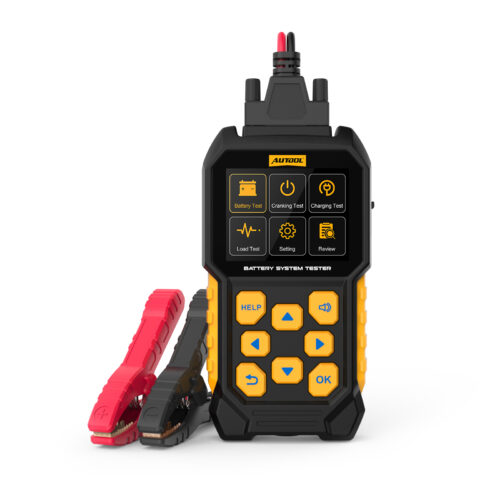
Battery Testers Help You Judge Condition Instead of Guessing

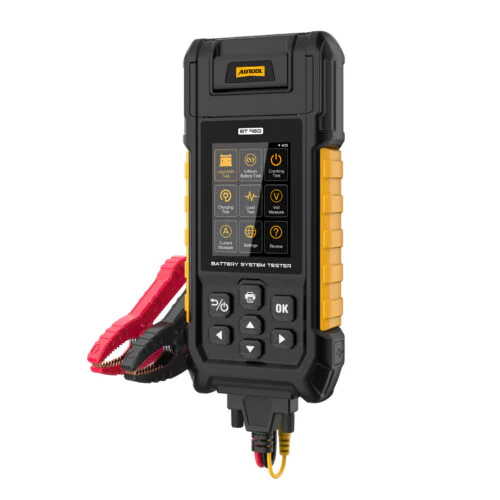
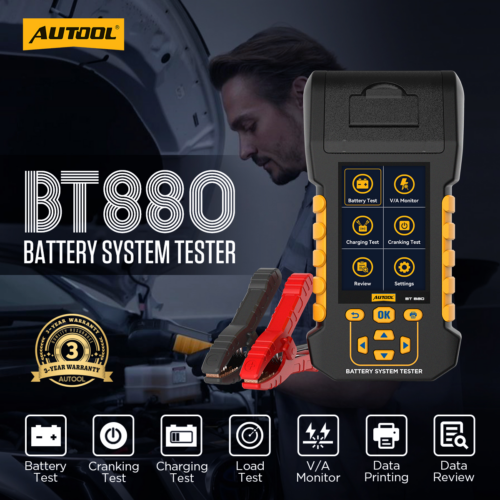
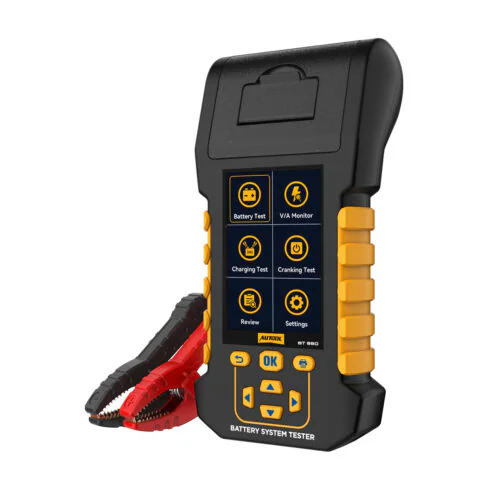
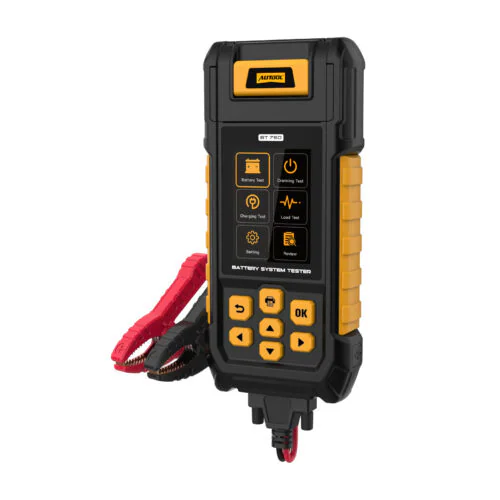
The original article recommends testing the battery frequently. Knowing the condition of your car battery is critical to extending its life. A car battery tester can monitor battery condition, output voltage, and replacement timing before the battery fails unexpectedly. For related electrical checks, circuit testers and multimeters can also help identify charging, voltage, and connection problems around the battery system.
Common Causes

What causes a dead car battery?

2. What Causes a Dead Car Battery?

  • Extremely cold or hot weatherIn cold weather, chemical reactions in the battery slow down, which can cause batteries to die on cold mornings. High temperatures speed up these reactions and increase internal corrosion, shortening battery lifespan. The original article notes that it is best to keep the battery environment within 0°F-80°F.
  • Battery drainThis is the most common reason for a dead battery. Any electrical drain while the vehicle is turned off can drain the battery. Even small lights, such as glove-box lights or rear reading lights, can drain the battery if left on for a long time. Most modern cars turn off interior lights after the engine has been off for a while, but drain is still worth checking.
  • Corrosion or loose connectionsSomething may prevent the battery from charging properly while driving. Check that the positive and negative terminals are clean and intact. Blue-green corrosion or debris can stop electricity from moving from the battery to the car’s electrical system. Loose connections can also cause problems.
  • AgeAll batteries eventually reach the end of their service life. Average service life is often 3 to 5 years, and performance deteriorates with age. At that point, installing a new battery may be the best option.
  • VibrationSevere vibration can damage the inside of the battery and shorten its life. Common causes include large potholes, long-term driving on bumpy roads, and excessive speed over speed bumps.
  • Parking for too longKeyless-entry and anti-theft systems require a small but steady amount of power. Without an opportunity to recharge, the battery may simply run down.
Maintenance Habits

8 ways to extend car battery life

3. Eight Ways to Extend Car Battery Life

  • Test the batteryKnowing the condition of your car battery is critical to extending its life. Use a car battery tester to monitor battery condition and decide when it is time for a new battery.
  • Limit short tripsShort drives can prevent the battery from fully recharging. Driving longer from time to time helps keep the car battery charged.
  • Securely fasten the batteryCheck battery terminals regularly, especially if you often drive on bumpy roads, and make sure the battery is tightly secured to the mounting brackets.
  • Turn off all lights when leaving the carLeaving headlights or door lights on can seriously damage the battery. Check them before getting out of the car.
  • Control corrosionKeeping battery terminals clean and preventing corrosive buildup can extend battery life. Corrosion can be removed with a cloth or toothbrush dipped in a mixture of baking soda and water. Then rinse with a spray bottle filled with cold water and dry thoroughly with a clean cloth. Avoid inhaling harmful dust or residue during cleaning.
  • Test batteries frequentlyUse an automotive battery tester to test output voltage, check maintenance condition, and judge whether replacement is needed.
  • Do not use electronic devices when the engine is offWhen the engine is not running, turn off devices that drain the battery, such as the sound system, heater, or air conditioner. Prolonged idling also depletes the battery.
  • Take care of your carYour car is made up of many parts. Routine maintenance and proper storage help protect battery life. The battery is only one part of a well-running car, so taking care of the whole vehicle helps extend the car battery life span.
Replacement Timing

When to replace your car battery

4. When to Replace Your Car Battery

To prevent a battery from suddenly failing during a trip and affecting your itinerary, consider battery replacement if the following signs occur.
  • Fluctuations in engine idle speed when headlights turn onTurning on the headlights demands a lot of power and causes battery voltage to drop after discharge. The generator’s voltage regulator raises power generation capacity to maintain stable circuit voltage, but this increases engine resistance and can cause idle-speed fluctuation.
  • Low-speed driving frustration and poor power experienceWhen battery capacity declines and voltage falls, the generator increases power generation to maintain circuit voltage stability. This can increase engine resistance and affect low-speed driving feel.
  • Reduced brightness of headlightsThis is most obvious with halogen headlights. When battery capacity is insufficient, the lights may look yellow; after replacing the battery, they may look whiter. Generator output is usually stabilized around 14 volts, but an aging battery can pull down overall circuit voltage and make lights dimmer.
  • Car starting sound changesWhen the battery is fully charged, the starter sound is powerful, dry, and sharp. When battery power is low, the starter sound may become intermittent because the starter has more resistance but not enough power supply. If you hear a “hmm” sound when starting the engine, the battery may be low.
Summary

Small Habits Can Add Real Battery Life

Taking careful care of your battery is not only an investment in the life of your car, but also a responsibility for your safety and cost on the road. With these simple tips, you may be surprised at how long your battery lasts.

Sources

Related Products

Rendered through WooCommerce product shortcode so the cards inherit the global product-card structure and Blocksy/WooCommerce styles.

Dodaj komentarz

Twój adres e-mail nie zostanie opublikowany. Wymagane pola są oznaczone *