Kaufratgeber, Tipps & Anleitungen, Nicht kategorisiert
Intelligente Hebebühnen und Achsmessanlagen – die richtige Wahl für Ihre Werkstatt

Dezember 17, 2025
Aktie:
 autoolstore.com
Grundlagen der Ausrichtungsbucht
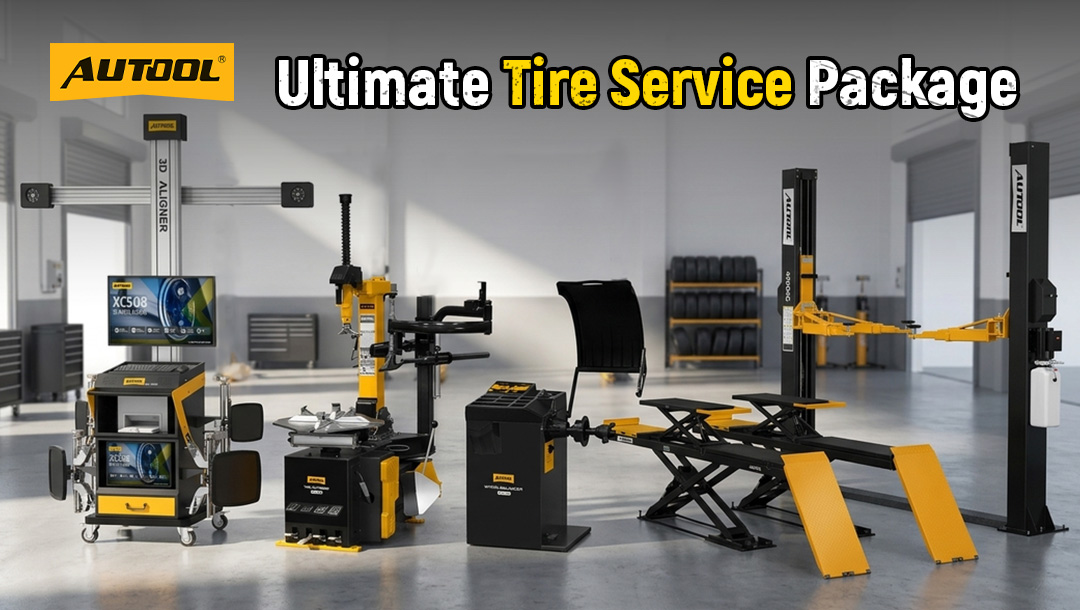
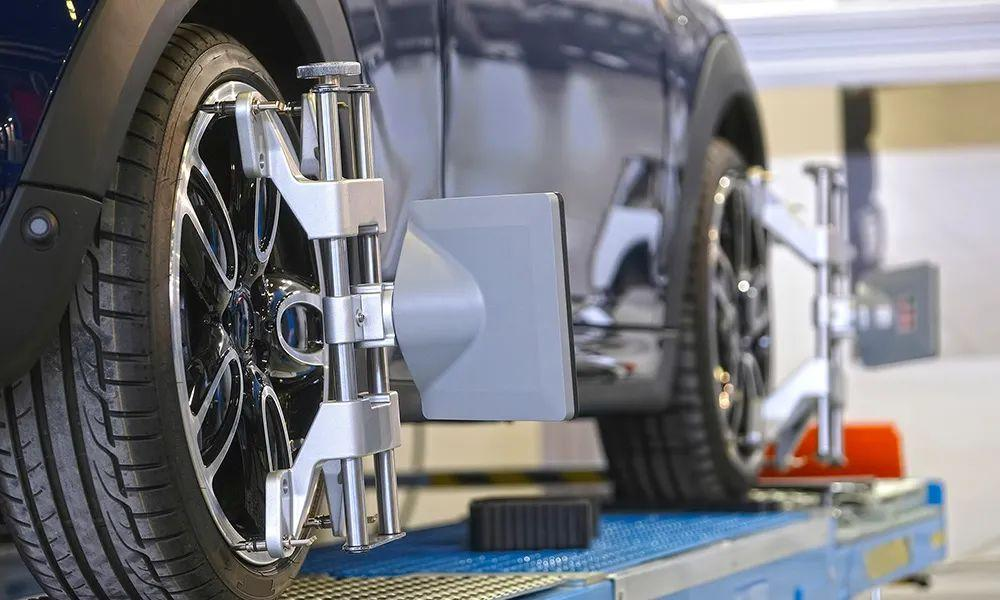
Kaufen Sie das Positioniergerät und die Hebebühne nicht separat, ohne zu bedenken, wie sie zusammenwirken. Vereinfacht gesagt: Ein Achsmessgerät ist ein Messinstrument, während eine Hebebühne eine Arbeitsplattform darstellt.
Für eine professionelle Achsvermessung in einer Werkstatt müssen sowohl das Achsmessgerät als auch die Hebebühne zusammenarbeiten. Eines von beiden allein reicht nicht aus.
Vier praktische Auswahlkriterien
Die Wahl der richtigen Achsmessanlage hängt weniger vom Preis eines einzelnen Geräts ab, sondern vielmehr davon, wie gut die gesamte Anlage zu Ihrer Werkstatt passt. Die vier wichtigsten Auswahlkriterien sind Werkstattfläche, Fahrzeugservicebereich, Leistungsfähigkeit des Achsmessgeräts und Kompatibilität zwischen Hebebühne und Achsmesssystem.
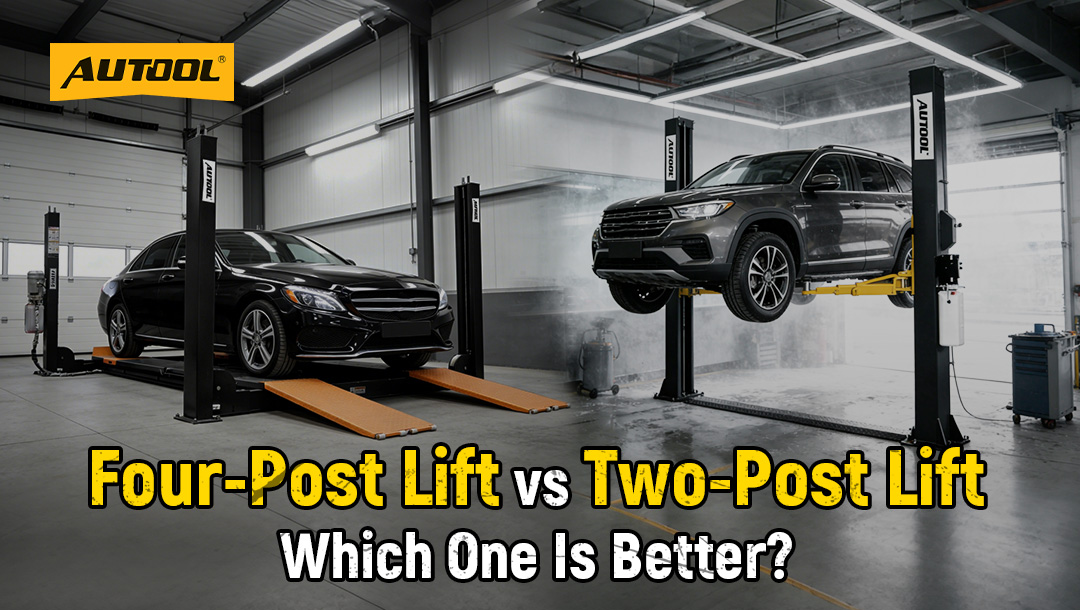
Bei begrenzter Werkstattfläche sind Scherenhebebühnen oder flache Auffahrhebebühnen oft platzsparender. Steht ausreichend Platz zur Verfügung, ist eine Vier-Säulen-Hebebühne eine stabile und praktische Option für Achsvermessungsplätze.
Kleinwagen, SUVs und leichte Nutzfahrzeuge benötigen unterschiedliche Hubhöhen und Tragfähigkeiten. Die Hebebühne muss für die Fahrzeuge ausgelegt sein, die in der Werkstatt tatsächlich gewartet werden.
Messgenauigkeit, automatische Kompensationsfunktionen und die Abdeckung der Fahrzeugdatenbank beeinflussen die Qualität der Achsvermessung, die Servicegeschwindigkeit und die Bandbreite der Marken und Modelle, die die Werkstatt bearbeiten kann.
Achsvermessungsfähige Hebebühnen können Drehteller, verstellbare Plattformabstände und Gleitplatten umfassen. Diese Details tragen dazu bei, dass die Achsmessanlage Daten in einer stabilen und zuverlässigen Umgebung erfasst.
Empfohlen: Scherenhebebühne + Tragbares Achsvermessungssystem.
Vorteile: Diese Anordnung benötigt weniger Platz und ist flexibel und einfach zu positionieren.
Nachteile: Die Hubhöhe und Tragfähigkeit können im Vergleich zu größeren Hebebühnen begrenzt sein.
Empfohlen: Vier-Säulen-Hebebühne + vollautomatisches Ausrichtungssystem.
Vorteile: Diese Konfiguration unterstützt eine größere Bandbreite an Fahrzeugen, fühlt sich sehr stabil an und ist einfach für professionelle Achsvermessungsarbeiten zu bedienen.
Nachteile: Sie benötigt mehr Stellfläche als Scheren- oder Zwei-Säulen-Hebebühnen.
Optionen für Ausrichtungsmaschinen
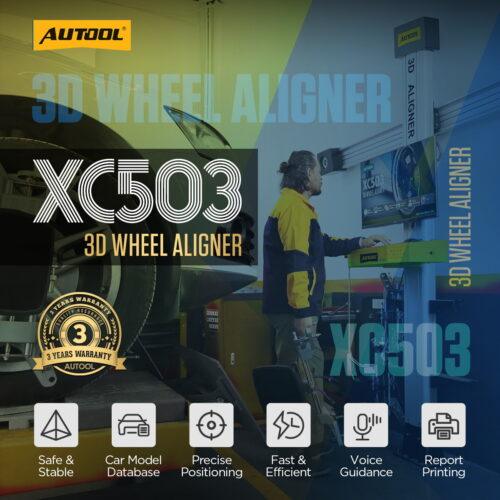
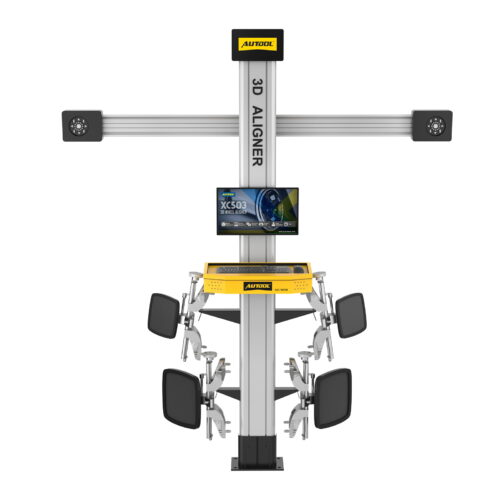
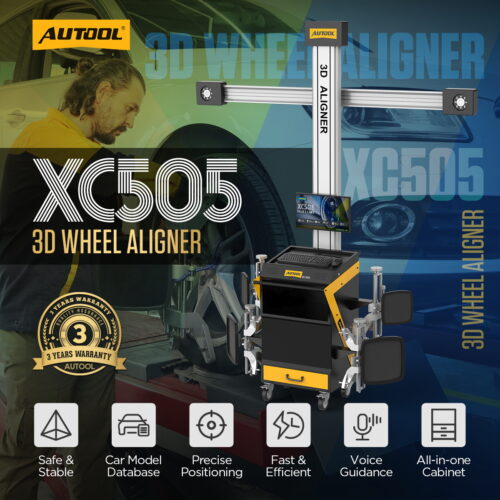
Diese Produktkarten verwenden WooCommerce-Shortcodes, sodass die Ausgabe dem Pfad der Referenz-Produktkarte folgt.
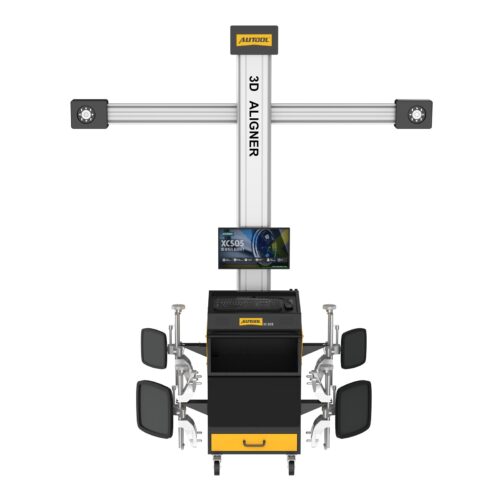
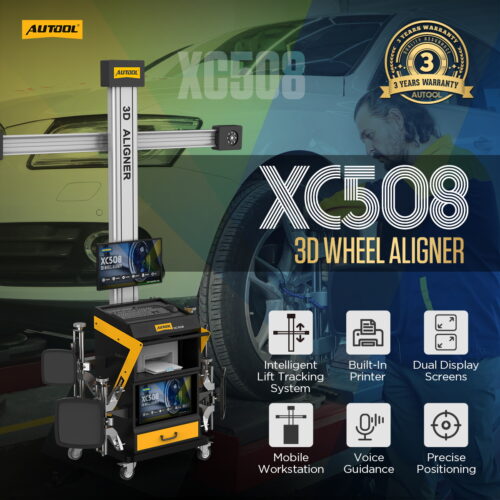
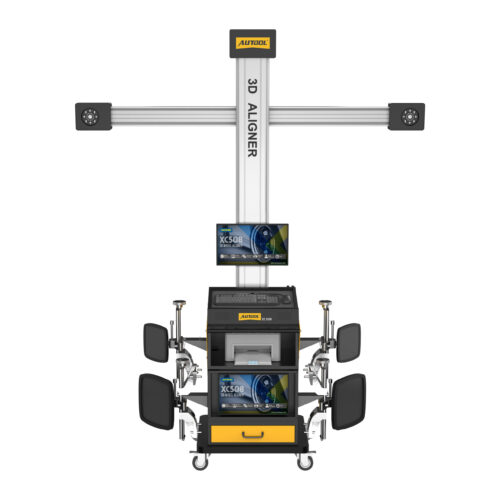
Szenariobasierte Ausrüstungskombinationen
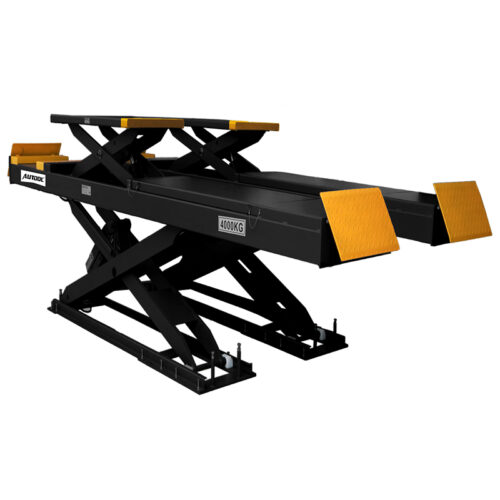
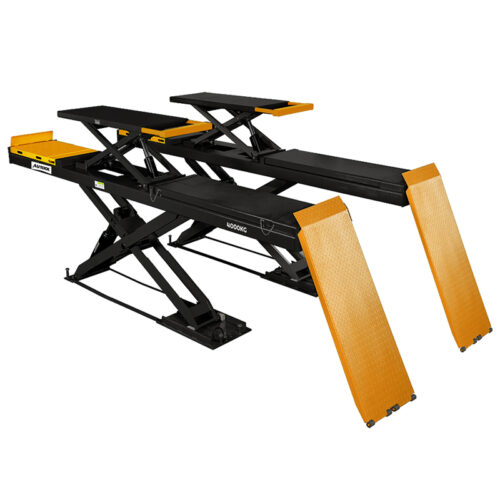
Vorteile: Scherenhebebühnen sparen Stellfläche, bieten eine hohe Flexibilität bei der Raumaufteilung, sind in der Regel günstiger als Säulenhebebühnen und lassen sich in manchen Werkstätten leichter installieren oder versetzen.
Nachteile: Scherenarbeitsbühnen haben im Allgemeinen eine geringere Tragfähigkeit und Hubhöhe als Säulenarbeitsbühnen. Mobile Ausrichtungssysteme sind zwar günstiger, bieten aber unter Umständen eine geringere Präzision, weniger Softwarefunktionen und einen langsameren Arbeitsablauf als hochautomatisierte Systeme.
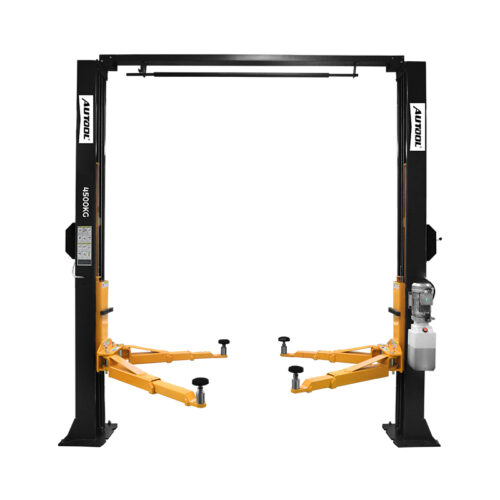
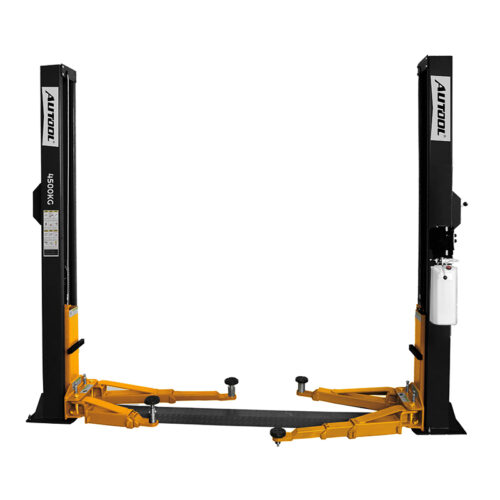
Warum es kosteneffektiv ist: Zwei-Säulen-Hebebühnen bieten eine gute Hubhöhe und einen freien Zugang zum Unterboden, während vollautomatische Ausrichtungssysteme eine automatische Kalibrierung, schnelle Messungen und umfangreiche Fahrzeugdatenbanken ermöglichen.
In der Praxis ergibt diese Kombination ein ausgewogenes Verhältnis von Leistung und Kosten. Sie beansprucht keine große zentrale Bodenfläche, dennoch müssen die Fundamentverankerung und die Installationsbedingungen sorgfältig geplant werden.
Vorteile: Die bodenebene Konstruktion spart Platz, da der Hebemechanismus unter dem Boden versenkt ist. Drahtlose Ausrichtungssysteme reduzieren Kabelsalat, minimieren Störungen bei der Einrichtung und ermöglichen eine schnellere Datenerfassung und Justierung.
Überlegungen: Untertage-Hebebühnen erfordern Aushubarbeiten, Grabenarbeiten, Abdichtung und komplexere Erdarbeiten. Drahtlose Ausrichtungssysteme sind in der Regel auch teurer als einfache kabelgebundene Modelle.
Vorteile für Spezialfahrzeuge: Diese Konstruktion kann bei nicht standardmäßigen Fahrzeugen, unregelmäßiger Fahrgestellgeometrie, sehr breiten Radständen oder Fahrzeugen, die nicht gut auf herkömmliche Hebebühnen passen, hilfreich sein.
Nachteile: Lichtmessgeräte erreichen in der Regel nicht die Genauigkeit und den Funktionsumfang vollautomatischer Systeme. Diese Konfiguration eignet sich besser für schnelle Kontrollen, ergänzende Serviceleistungen oder spezielle Fahrzeuganwendungen als für die großflächige, primäre Achsvermessung.
Hebe- und Hallenausrüstung
Nutzen Sie diese Produktreferenzen bei der Planung von Scheren-, Zwei-Säulen- und Ausrichtungsbühnenkombinationen.
Schnellvergleich
| Lösung | Raumeffizienz | Kosten | Ausrichtungseffizienz | Arbeitszeitflexibilität | Präzisionsfähigkeit |
|---|---|---|---|---|---|
| Schere + Tragbare Ausrichtung | 4/5 | 4/5 | 3/5 | 4/5 | 2/5 |
| Zwei-Pfosten-Mauer + Vollautomatisch | 3/5 | 3/5 | 4/5 | 3/5 | 4/5 |
| Erdschere + kabellos | 5/5 | 2/5 | 4/5 | 4/5 | 3/5 |
| Kragarmplattform + Leichte Werkzeuge | 3/5 | 3/5 | 2/5 | 4/5 | 2/5 |
Schauen Sie nicht nur auf den Preis.
Treffen Sie Ihre Geräteauswahl nicht allein aufgrund des Preises. Entscheidender ist, ob die Kombination die Arbeitseffizienz steigert, die Ausrichtungsqualität verbessert und das zukünftige Wachstum der Werkstatt unterstützt.
Oftmals verbessert die Auswahl passender Ausrüstung die Gesamtleistung der Werkstatt mehr als der Kauf der teuersten Einzelmaschinen. Sie können auch weitere Informationen einsehen. Achsvermessungsgerät Optionen, die auf Ihrer Ladengestaltung und Ihrem Serviceplan basieren.
Kontakt AUTOOL zur Unterstützung bei der Kombination von Achsmessgeräten, Hebebühnen und Werkstattausrüstung.
WhatsApp: +86 189 2647 7404
E-Mail: [email protected]
Ähnliche Produkte
Wird über den WooCommerce-Produkt-Shortcode gerendert, damit die Karten die globale product-card-Struktur und die Blocksy/WooCommerce-Stile übernehmen.