AUTOOL Blog, Tipps & Anleitungen
Diagnose von schwergängiger Lenkung: Was Sie wissen müssen

21. November 2025
Aktie:
 autoolstore.com
Ist Ihnen schon einmal aufgefallen, dass sich Ihr Lenkrad während der Fahrt plötzlich schwerer anfühlt als gewöhnlich? Dies macht sich besonders bei langsamen Kurvenfahrten oder beim Einparken bemerkbar, wenn das Lenkrad deutlich mehr Kraftaufwand erfordert.
Ein plötzlicher Anstieg des Lenkwiderstands erschwert nicht nur das Fahren, sondern ist auch ein wichtiges Warnsignal des Servolenkungssystems, der Reifen, des Fahrwerks oder der Lenkungskomponenten. Werden diese Anzeichen ignoriert, kann dies zu weiteren Problemen wie Lenkungsausfall oder Bauteilschäden führen und somit ernsthafte Sicherheitsrisiken bergen.
Dieser Leitfaden erklärt die häufigsten Ursachen für schwergängiges Lenken, wie man Probleme mit der hydraulischen Servolenkung von Fehlern der elektrischen Servolenkung (EPS) unterscheidet und welche Prüfungen durchzuführen sind, bevor man entscheidet, ob eine professionelle Reparatur erforderlich ist.
Lenkwiderstand
Unzureichende Hydraulikflüssigkeit ist eines der häufigsten Probleme bei herkömmlichen hydraulischen Servolenkungen. Sinkt der Flüssigkeitsstand, verringert sich der Hydraulikdruck, wodurch die Servopumpe nicht mehr genügend Druck aufbauen kann. Das Lenkrad wird dann spürbar schwergängiger.
Typische Symptome: Schwergängige Lenkung, manchmal begleitet von leichten Geräuschen oder Vibrationen.
Mit zunehmendem Alter des Hydrauliksystems können Schläuche, Dichtungen oder das Lenkgetriebe selbst undicht werden. Hält die Undichtigkeit an, kann das System Luft ansaugen, was zu Ruckeln oder zeitweiligem Ausfall der Lenkunterstützung führen kann.
Profi-Tipp: Wenn Sie rote oder gelbe Flüssigkeit auf dem Boden bemerken, setzen Sie die Fahrt nicht fort.
Nach längerem Betrieb unter hoher Last kann die Hydraulikpumpe verschleißen, oder ein lockerer Riemen kann zu unzureichendem Druck führen. Wenn die Pumpe keinen stabilen Hydraulikdruck aufrechterhalten kann, wird das Lenkrad spürbar schwergängiger, insbesondere bei niedrigen Geschwindigkeiten.
Symptome: Brummgeräusche oder ein ruckartiges Gefühl beim Lenken.
Moderne Fahrzeuge nutzen häufig EPS-Systeme, die mithilfe eines Elektromotors und Sensoren die Lenkunterstützung gewährleisten. Bei Überhitzung des Motors, Fehlfunktion eines Sensors oder Ausfall des Steuergeräts kann die Lenkunterstützung plötzlich ausfallen.
Gemeinsames Zeichen: Die Warnleuchte für die Lenkunterstützung leuchtet auf dem Armaturenbrett auf.
Mechanische Defekte sollten nicht außer Acht gelassen werden. Verschleißenes Lenkgetriebe, lockere Kugelgelenke, eine klemmende Lenkwelle und ausgeleierte Buchsen können den Lenkwiderstand erhöhen und in schweren Fällen zum Festklemmen führen.
Niedriger Reifendruck vergrößert die Aufstandsfläche zur Straße und macht die Lenkung schwergängiger. Dies ist eine der am häufigsten übersehenen Ursachen im Alltagsverkehr.
Verschleißteile der Aufhängung, wie z. B. Querlenkerbuchsen, Stoßdämpfer oder Spurstangen, können einen ungleichmäßigen Lenkwiderstand verursachen, der sich als schwergängige Lenkung bemerkbar machen kann.
Sicherheitsinspektionsanordnung
Zweck: Ermitteln Sie den Typ des Servolenkungssystems, da die Schritte zur Fehlerbehebung unterschiedlich sind.
Prüfen Sie die Kontrollleuchten für Servolenkung oder EPS in Ihrem Armaturenbrett. Schlagen Sie in Ihrer Bedienungsanleitung oder auf dem Aufkleber unter der Motorhaube nach, ob Ihr Fahrzeug über eine hydraulische, elektrische (EPS) oder Hybrid-Servolenkung verfügt. Falls Sie sich nicht sicher sind, fahren Sie mit der unten beschriebenen allgemeinen Inspektion fort.
Zweck: Unterscheidung zwischen plötzlichem Verlust der Unterstützung und mechanischer Blockierung.
Bei ausgeschaltetem Motor das Lenkrad langsam nach links und rechts drehen. Es sollte sich straff, aber leichtgängig anfühlen. Ist es straff oder macht es Geräusche, könnten mechanische Probleme wie ein Defekt am Lenkgetriebe, der Lenksäule oder dem Kreuzgelenk vorliegen. Den Test im Leerlauf bei laufendem Motor wiederholen. Wird die Lenkung deutlich leichter, liegt wahrscheinlich ein Problem mit der Servolenkung vor. Bleibt sie schwergängig, kann die Ursache mechanischer Natur sein oder mit den Reifen bzw. der Aufhängung zusammenhängen.
Zweck: Beseitigung häufiger, leicht zu behebender Ursachen für schwergängiges Lenken.
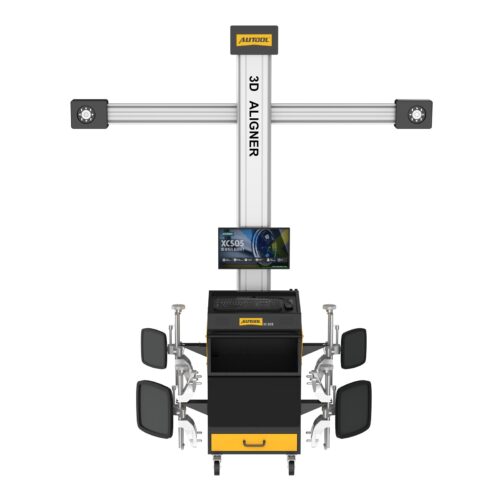
Reifendruck prüfen und auf die vom Hersteller empfohlenen Werte aufpumpen. Reifen auf ungleichmäßigen Verschleiß, Beulen oder Fremdkörper untersuchen. Achsvermessung und Fahrwerkskomponenten wie Querlenker, Buchsen, Spurstangen und Stoßdämpfer kontrollieren. Die Behebung von Problemen mit Reifendruck oder Achsvermessung löst oft auch ein Problem mit der Lenkung.
Zweck: Korrekten Flüssigkeitsstand und -qualität in Hydraulik- oder Hybridsystemen sicherstellen.
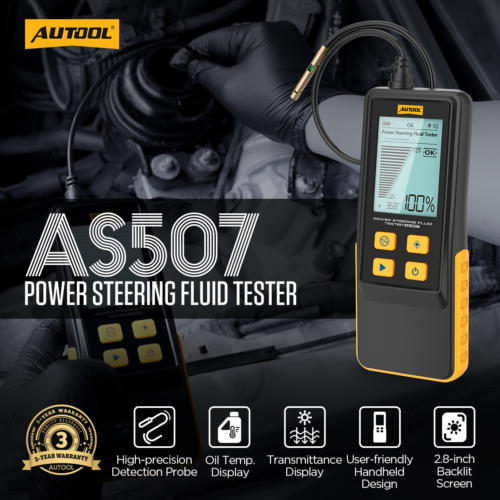
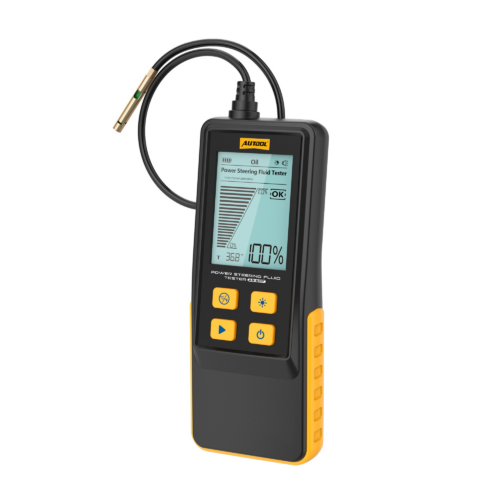
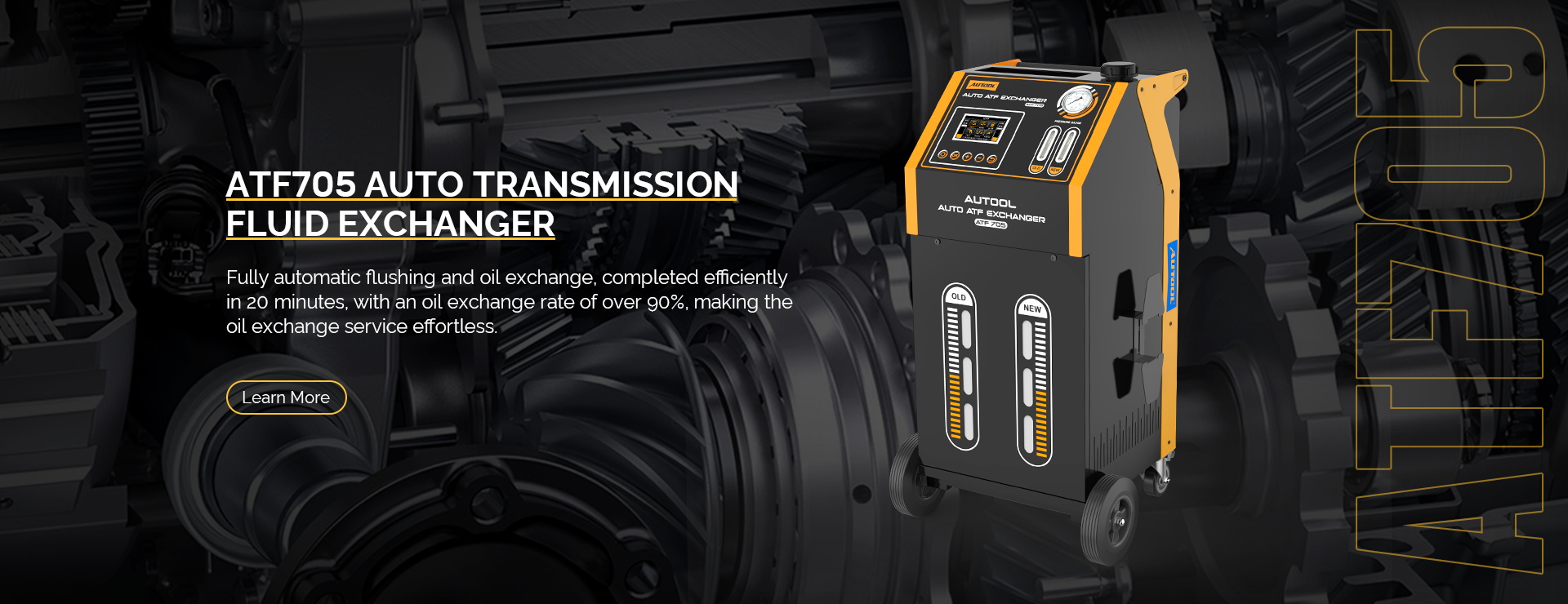
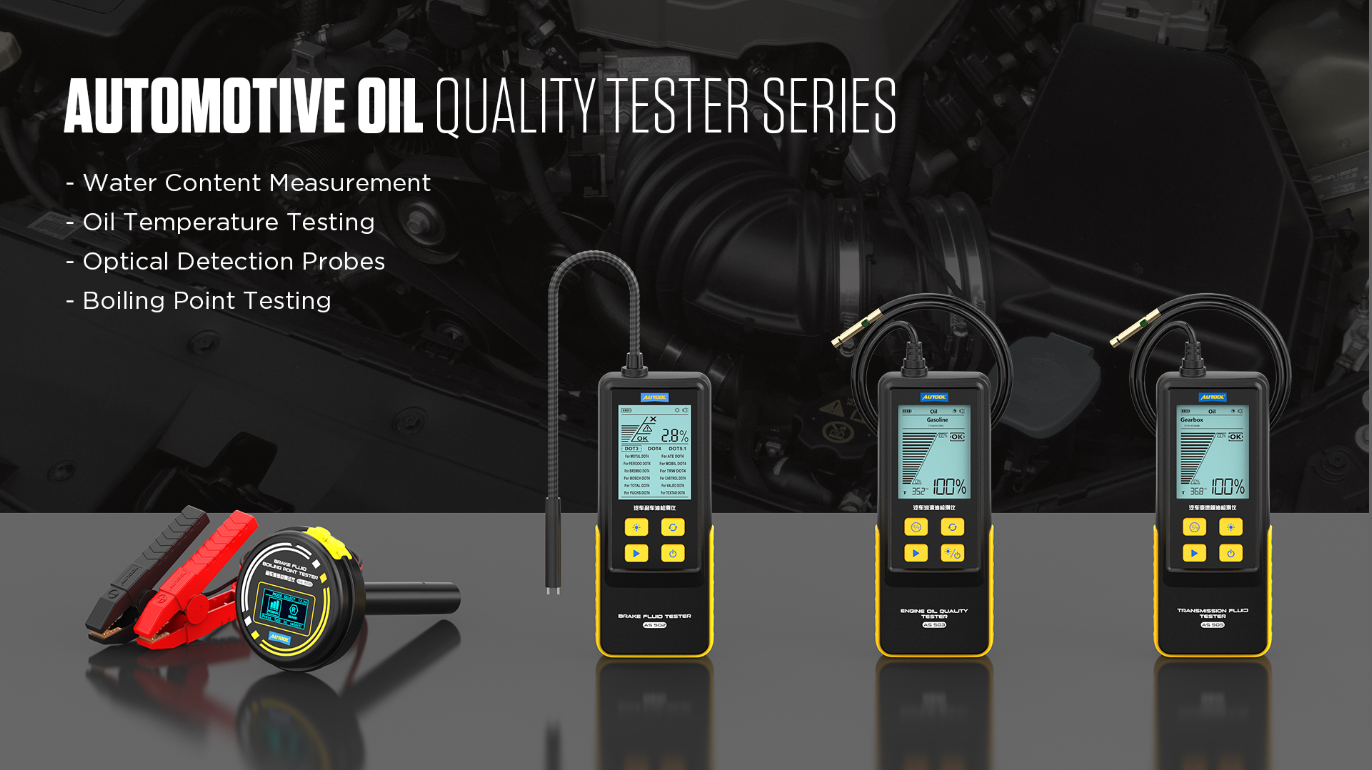
Prüfen Sie den Flüssigkeitsstand bei kaltem Motor; er sollte zwischen MIN und MAX liegen. Achten Sie auf Farbe und Geruch: Klare oder hellbraune Flüssigkeit ist normal, während schwarze, metallisch riechende oder verbrannte Flüssigkeit auf Verunreinigungen oder Verschleiß der Pumpe hinweisen kann. Drehen Sie das Rad im Leerlauf und beobachten Sie, ob Blasen, Luftblasen oder ein schneller Flüssigkeitsabfall auftreten. Bei niedrigem Flüssigkeitsstand sollte vorübergehend Flüssigkeit nachgefüllt und auf Undichtigkeiten geprüft werden. Verunreinigte Flüssigkeit erfordert eine Systemspülung, einen Flüssigkeitswechsel und eine Pumpenprüfung.
Zweck: Externe Leckagen identifizieren und die Zuverlässigkeit der Stromversorgung in Hydrauliksystemen bestätigen.
Prüfen Sie Schläuche, Pumpe und Anschlüsse auf Undichtigkeiten. Kontrollieren Sie den Riemen auf Lockerheit, Risse oder Durchrutschen. Ersetzen Sie undichte Schläuche oder verschlissene Riemen gegebenenfalls.
Zweck: Mithilfe von Schallwellen lassen sich Problembereiche präzise lokalisieren.
Zweck: Elektrische Systeme ohne Hydraulikflüssigkeit diagnostizieren.
Prüfen Sie, ob die EPS-Warnleuchten leuchten, und notieren Sie, ob auch ABS- oder andere Leuchten aufleuchten. Verwenden Sie ein OBD2 Diagnosegerät zum Auslesen von Fehlercodes. Häufige Probleme betreffen den Drehmomentsensor, den Lenkwinkelsensor, den EPS-Motor oder das Steuergerät. Sicherungen, Relais und Kabel auf Beschädigungen oder Korrosion prüfen. Veränderungen des Lenkgefühls beim Ein- und Ausschalten des Motors können ebenfalls auf EPS-Probleme hinweisen. Den Diagnosecodes folgen, um Sensoren, Kabel oder das Steuergerät auszutauschen.
Zweck: Probleme quantifizieren und fehlerhafte Bauteile lokalisieren.
Problem- und Aktionskarte
| Problemtyp | Empfohlene Maßnahmen |
|---|---|
| Reifen- oder Druckprobleme | Reifen aufpumpen, Reifen ersetzen, 4-Rad-Achsvermessung durchführen. |
| Niedriger oder verunreinigter Flüssigkeitsstand | Nachfüllen, System spülen, Lecks reparieren. |
| Probleme mit Pumpe oder Riemen | Pumpe austauschen oder Riemen einstellen/austauschen. |
| Mechanische Verbindungen, einschließlich Zahnstangen, Kugelgelenke und Buchsen | Bauteile prüfen, reparieren oder austauschen. |
| EPS-Fehler mit Codes | Sensoren, Verkabelung, Motor oder Steuermodul austauschen. |
| Sicherheitskritische oder unsichere Sachverhalte | Suchen Sie umgehend professionelle Hilfe. |
Regelmäßige Wartung
Die effektivste Methode, plötzliche Lenkbeschwerden zu vermeiden, ist die vorausschauende Wartung und regelmäßige Überprüfung. Befolgen Sie diese Tipps, um das Risiko von Problemen mit der Servolenkung zu reduzieren und ein reibungsloses Fahrverhalten zu gewährleisten:
Regelmäßige Wartung, frühzeitige Inspektion und die Überprüfung von Reifen, Flüssigkeiten, Riemen und EPS-Systemen sind die besten Methoden, um plötzliches, schwergängiges Lenken zu vermeiden. Die Einhaltung dieser Maßnahmen trägt zu einem sicheren, stabilen und mühelosen Fahrverhalten bei.
Sie möchten mehr über Autoreparaturen erfahren oder preiswerte Autoreparaturwerkzeuge kaufen? Kontaktieren Sie uns.AUTOOL zur Unterstützung bei der Produktauswahl.
Ähnliche Produkte
Die Darstellung erfolgt über den WooCommerce-Produkt-Shortcode, sodass die Karten die gleiche Produktkartenstruktur wie der Referenzbeitrag übernehmen.