語言和貨幣
AUTOOL 部落格, 提示和教程
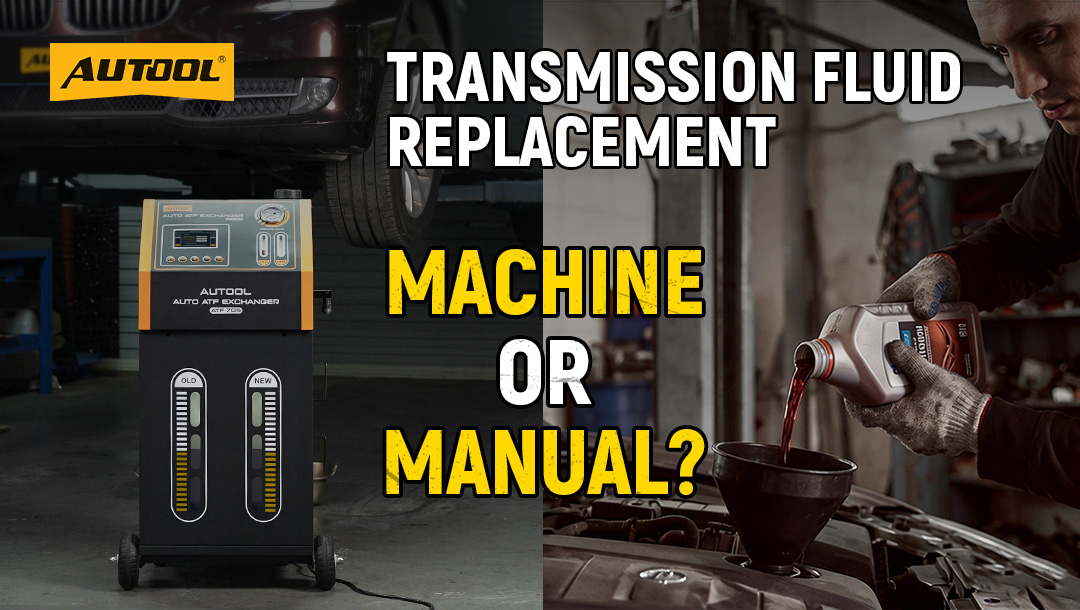
變速箱油更換與變速箱油更換-有什麼區別?

2025 年 11 月 11 日
分享到:
 autoolstore.com
維修資訊
Many car owners hear the terms 變速箱油更換 以及 變速箱油更換, but the difference is not always clear.
These two maintenance methods differ in operation principle, cleaning efficiency, replacement rate, fluid usage, and maintenance cost. Understanding the difference helps you choose the most suitable method for the vehicle instead of treating every automatic transmission fluid service the same way.
This guide explains the difference between automatic transmission fluid change and ATF fluid exchange, and highlights important points to consider when performing a car transmission fluid change.
維護基礎知識
Transmission fluid plays a critical role in vehicle operation. It lubricates gears and bearings to reduce wear, dissipates heat to prevent overheating, and helps clean internal components by carrying away metal particles and debris.
Healthy transmission fluid supports smooth shifting, driving comfort, and overall vehicle performance. As mileage increases, the fluid gradually oxidizes, ages, loses viscosity, and may become contaminated with debris.
If transmission fluid is not replaced regularly, the vehicle may experience rough or delayed shifting, increased transmission temperature, accelerated internal wear, and in severe cases, transmission failure that leads to costly repairs.
For automatic vehicles, changing automatic transmission fluid, ATF, helps maintain transmission performance, extend service life, and reduce failure risk. Whether using the gravity drain method or a transmission fluid exchanger, timely and thorough maintenance is the key.
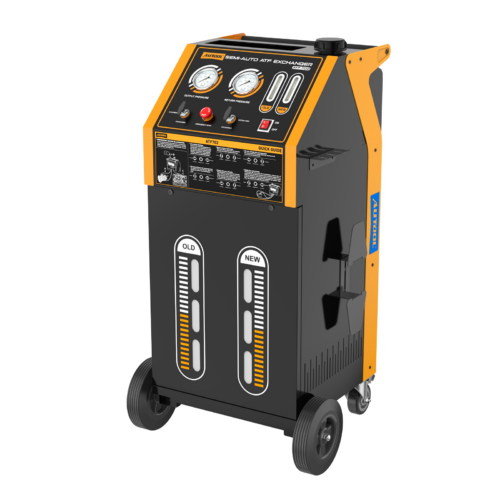
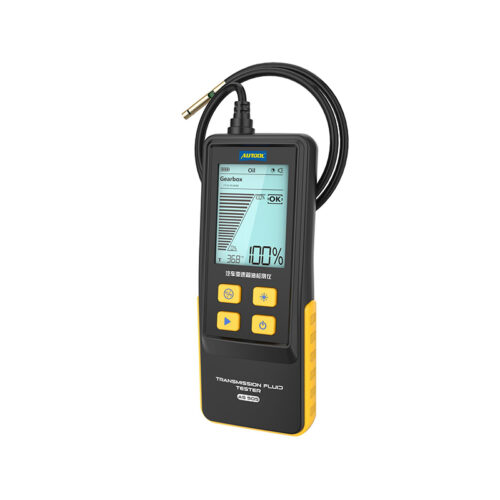
ATF Service Tools
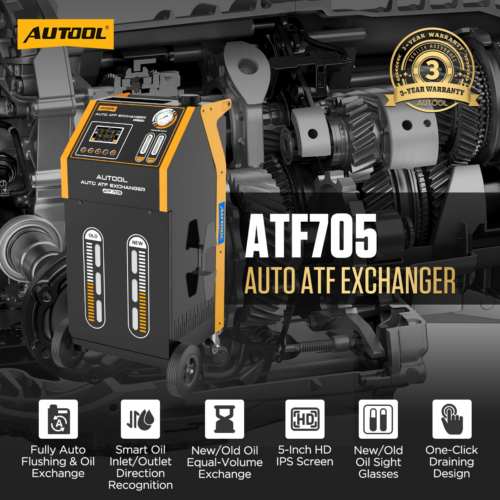
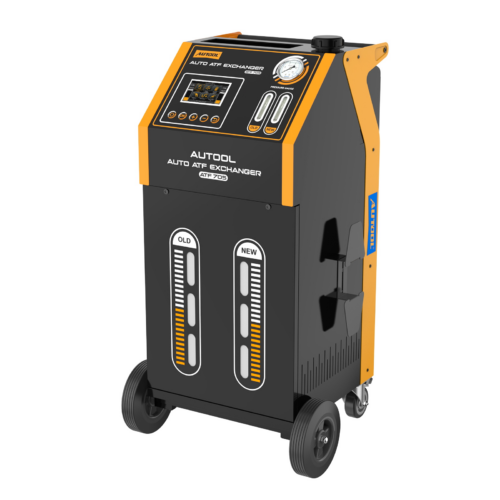
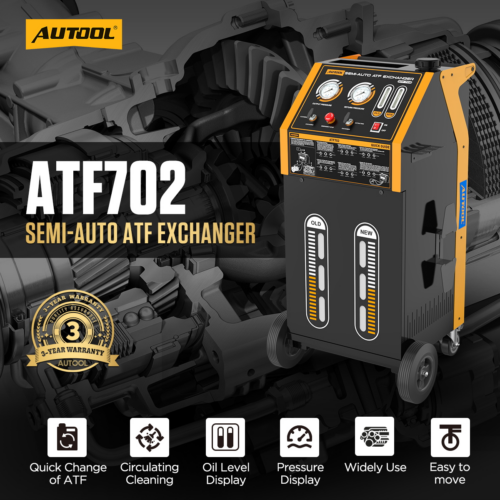
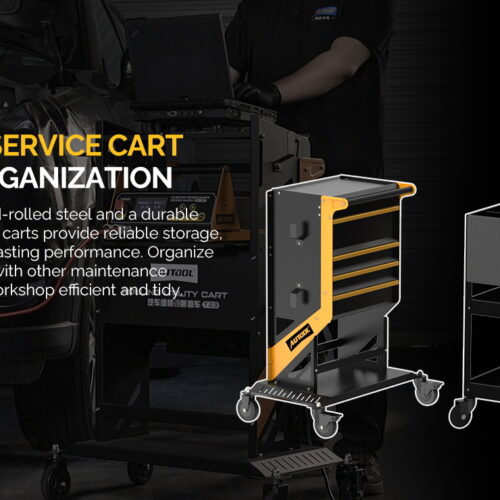
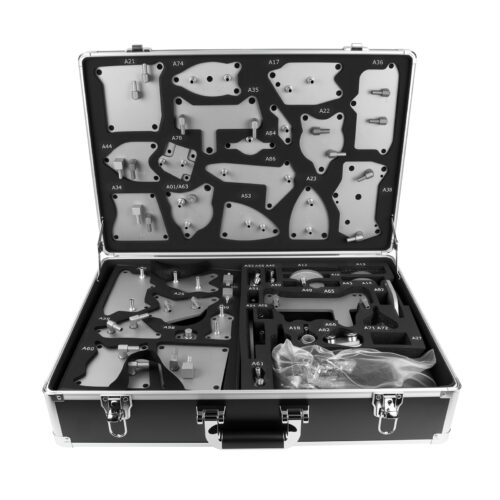
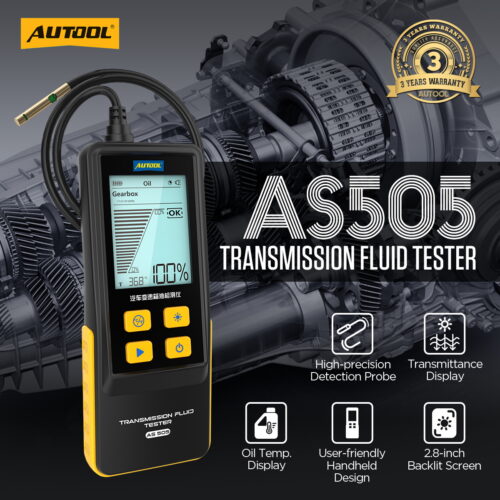
ATF exchangers, adapters, and oil testers can help service teams perform cleaner and more controlled transmission fluid maintenance.
Service Methods
The main options are gravity drain and automatic transmission fluid exchange. The key differences are how much old fluid is removed and how thoroughly the system is refreshed.
In the single gravity drain method, old fluid flows out naturally under the vehicle’s weight. An equal amount of new fluid is then added until the correct level is reached.
The replacement rate is only about 40%50%, with typical fluid usage of 4-5升, depending on the actual drained volume. Since much of the old fluid remains inside the system, new fluid is diluted by remaining degraded oil, reducing the protective effect.
After the first gravity drain, the vehicle is driven for approximately 10-20公里 and then returned for a second drain. This does not require disassembling the transmission or replacing the filter.
Total fluid usage is around 10-12升, achieving a replacement rate of approximately . It is more effective than a single drain but still less thorough than a transmission fluid exchanger.
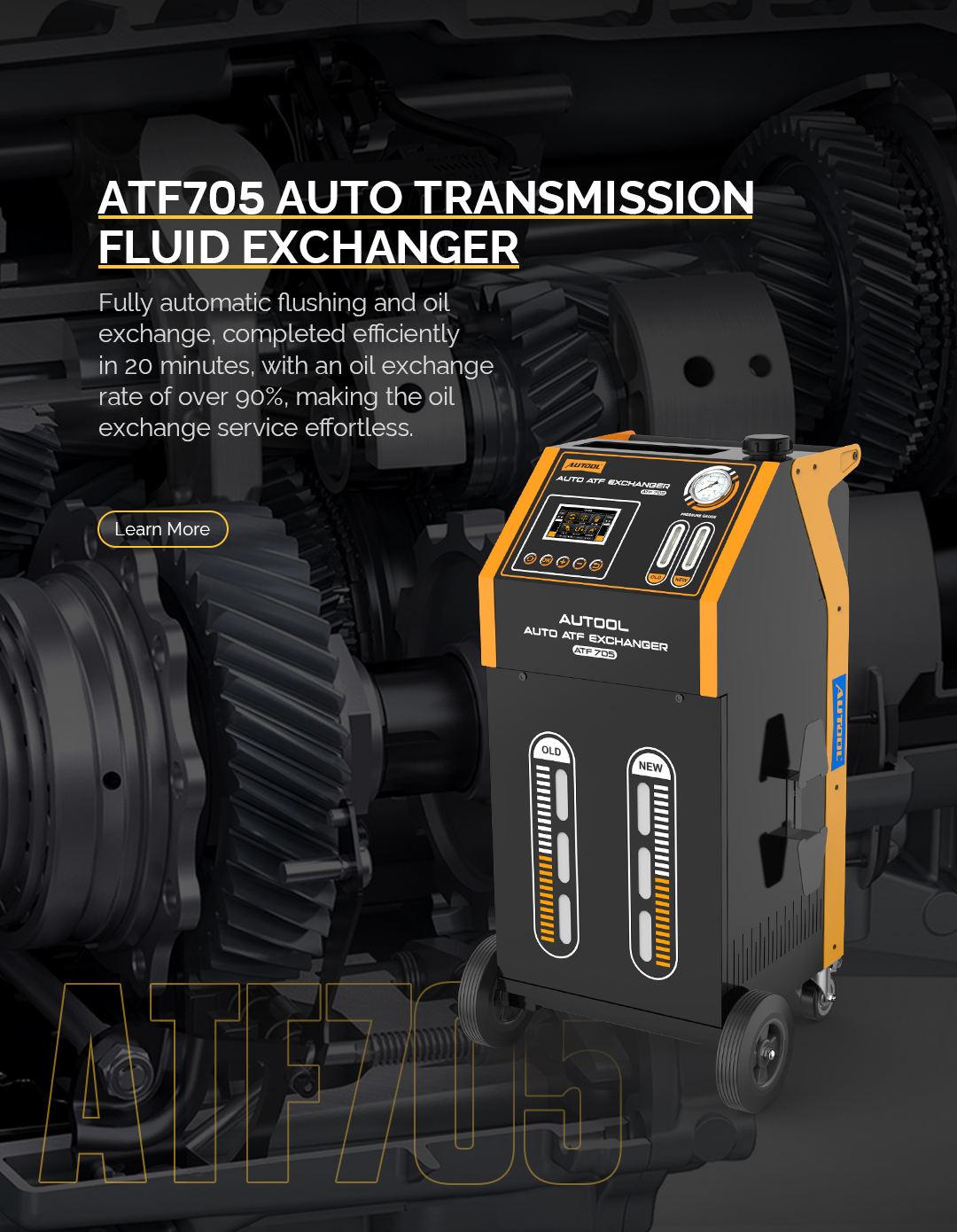
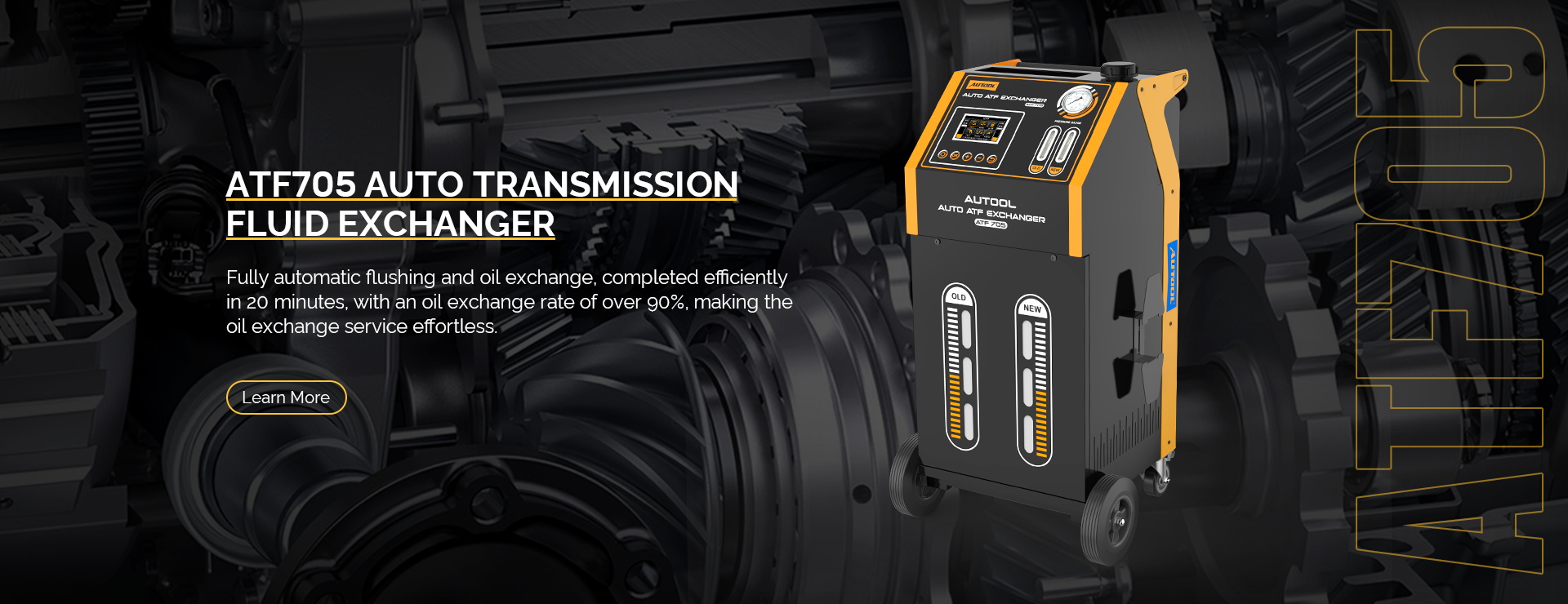
使用 transmission fluid exchanger or ATF fluid exchange machine, the old fluid is replaced while the engine is running.
This method can achieve a replacement rate of over . It usually requires about 10-12升 of fluid, slightly more than simple gravity methods, but the exchange is much more thorough and offers stronger protection for the transmission.
競品對比
| 更換方法 | Fluid Volume Used | 替代率 |
|---|---|---|
| Gravity Drain: Single Drain | 4-5 liters, depending on actual drained volume | 40%50% |
| Gravity Drain: Double Drain | 10-12升 | |
| Fluid Exchange, recommended | 10-12升 | 超過95% |
常見問題
You should inspect or replace the transmission fluid if you notice rough or delayed shifting, sluggish acceleration, increased fuel consumption, jerking or vibration, unusual transmission noises, or fluid color turning dark brown.
The original guide also recommends attention when mileage is over 40,000公里,約 25,000英里, or after more than 2年 使用。
The transmission filter works similarly to the engine oil filter. Over time, it collects metal particles, debris, and sludge, which can affect fluid flow and filtration.
It is recommended to replace the transmission filter when performing an automatic transmission fluid change or ATF fluid exchange. Some models have a non-serviceable internal filter due to design constraints; in those cases, replacing only the fluid is acceptable.
絕對 不會. Different transmission fluids vary in viscosity, friction characteristics, and anti-foaming properties. Mixing fluids may reduce performance and can damage the transmission.
摘要
For a critical vehicle component like the transmission, regular transmission fluid replacement helps prevent costly repairs and supports smooth, safe operation.
Gravity drain service can be useful for basic maintenance, but it leaves more old fluid in the system. ATF fluid exchange is more thorough and is often the better choice when the goal is a higher replacement rate and stronger maintenance protection.
聯繫我們 AUTOOL
If you are looking for a transmission fluid exchange machine for automatic transmissions, contact AUTOOL. New customers can enjoy a 10%的優惠.
Related Products
Rendered through WooCommerce product shortcode so the cards inherit the product-card structure used by the reference post layout.