Blog AUTOOL, Przewodniki zakupowe
Dlaczego czyszczenie suchym lodem jest tak drogie?

18 lipca, 2025
Udział:
 autoolstore.com
Coraz więcej entuzjastów motoryzacji i profesjonalnych warsztatów samochodowych wybiera czyszczenie suchym lodem jako skuteczną i ekologiczną metodę konserwacji pojazdów. Pozwala ona na usunięcie uporczywych plam, osadów węglowych i smaru, a jednocześnie chroni delikatne powierzchnie pojazdu.
Często zadawane pytanie jest proste: dlaczego czyszczenie suchym lodem jest tak drogie? Odpowiedź nie ogranicza się tylko do ceny urządzenia. Ostateczny koszt zależy również od zużycia granulatu suchego lodu, dopływu powietrza, umiejętności operatora, stanu pojazdu, logistyki i wymaganego poziomu czyszczenia.
W tym przewodniku szczegółowo opisano strukturę kosztów maszyny do czyszczenia suchym lodem, wyjaśnia, skąd bierze się ta wartość i pokazuje, które zadania konserwacyjne pojazdu korzystają najbardziej z tej metody czyszczenia.
Na czym polega czyszczenie suchym lodem?
Czyszczenie suchym lodem Wykorzystuje granulki suchego lodu i sprężone powietrze do nieinwazyjnego czyszczenia pojazdów. Granulki uderzają w powierzchnię, unoszą zanieczyszczenia, a następnie sublimują, nie pozostawiając żadnych płynnych pozostałości.
Ta metoda pozwala usunąć uporczywe plamy, osady węglowe i tłuszcz, jednocześnie chroniąc powierzchnię pojazdu. W przeciwieństwie do wielu tradycyjnych metod czyszczenia, czyszczenie suchym lodem nie wymaga stosowania żadnych środków chemicznych i przy prawidłowym stosowaniu nie uszkadza powierzchni pojazdu.
Wyższa cena wynika z pełnego systemu operacyjnego: specjalistycznego sprzętu, zużycia granulatu suchego lodu, zapotrzebowania na sprężone powietrze, czasu pracy i umiejętności technika niezbędnego do bezpiecznego czyszczenia miejsc wokół delikatnych elementów.
Czynniki wpływające na koszt czyszczenia suchym lodem
Wielu właścicieli samochodów i warsztatów samochodowych zwraca uwagę wyłącznie na cenę maszyny, ale koszt serwisu zależy od wielu czynników, m.in. kosztów sprzętu, kosztów robocizny i zużycia granulatu suchego lodu.
Rodzaj pojazdu wpływa na koszt, zwłaszcza gdy pojazd ma skomplikowaną konstrukcję lub delikatne części. Samochody klasyczne i pojazdy o wysokich osiągach zazwyczaj wymagają bardziej szczegółowego czyszczenia, co zajmuje więcej czasu i może wymagać użycia dodatkowych granulek suchego lodu.
Czyszczenie złożonych obszarów, takich jak komora silnika i podwozie, zwiększa również intensywność pracy, co naturalnie wiąże się ze wzrostem kosztów robocizny i materiałów.
Ilość brudu i zanieczyszczeń bezpośrednio wpływa na wymagany czas czyszczenia. Duże nagromadzenie zanieczyszczeń w komorze silnika, podwoziu lub układzie wydechowym wymaga większej liczby przejazdów, większej ilości granulatu suchego lodu i dłuższego czasu pracy.
Czyszczenie suchym lodem jest szczególnie widoczne w tych obszarach, jednak silniejszy efekt czyszczenia często wiąże się z wyższym całkowitym kosztem usługi.
Zużycie granulatu suchego lodu jest jednym z najbardziej bezpośrednich czynników kosztowych. Większe powierzchnie czyszczone, większe osady węglowe i bardziej złożone warunki zabrudzeń wymagają większej ilości suchego lodu.
Większa intensywność pracy zwiększa również koszty operacyjne, ponieważ technik potrzebuje więcej czasu na kontrolowanie ciśnienia, kąta i zasięgu czyszczenia.
Lokalizacja może mieć wpływ na ostateczną cenę. W przypadku wyboru usługi na miejscu, dostawca musi dostarczyć sprzęt, sprężone powietrze i suchy lód do pojazdu.
Odległe obszary lub usługi międzyregionalne mogą generować dodatkowe koszty logistyczne, zwłaszcza że suchy lód wymaga odpowiedniego obchodzenia się z nim i zużywa się z czasem.
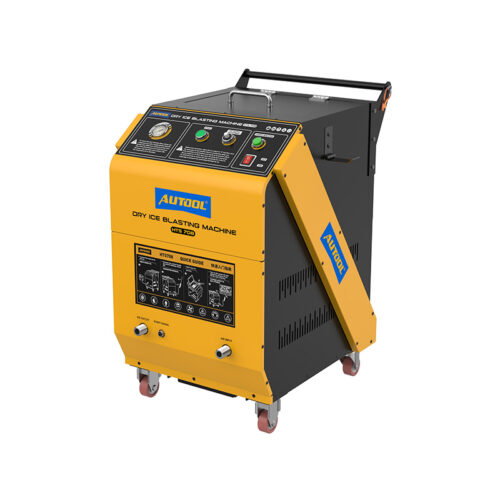
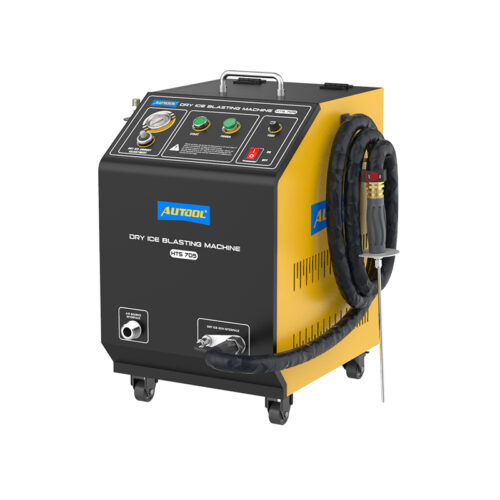
Czyszczenie suchym lodem wymaga specjalistycznego sprzętu, takiego jak urządzenia do czyszczenia suchym lodem i sprężarki powietrza. Zakup i konserwacja tych urządzeń wiążą się z wysokimi kosztami.
Do wydajnej i bezpiecznej obsługi sprzętu potrzebni są również wykwalifikowani technicy, zwłaszcza zajmujący się okablowaniem, uszczelnieniami, lakierem, częściami hamulcowymi i elementami silnika.
Niektórzy klienci proszą o dodatkowe usługi, takie jak usuwanie rdzy lub powłoki ochronne. Usługi te mogą zwiększyć trwałość pojazdu, ale wiążą się również z wyższymi kosztami materiałów i robocizny.
Główne zastosowania maszyn do czyszczenia suchym lodem
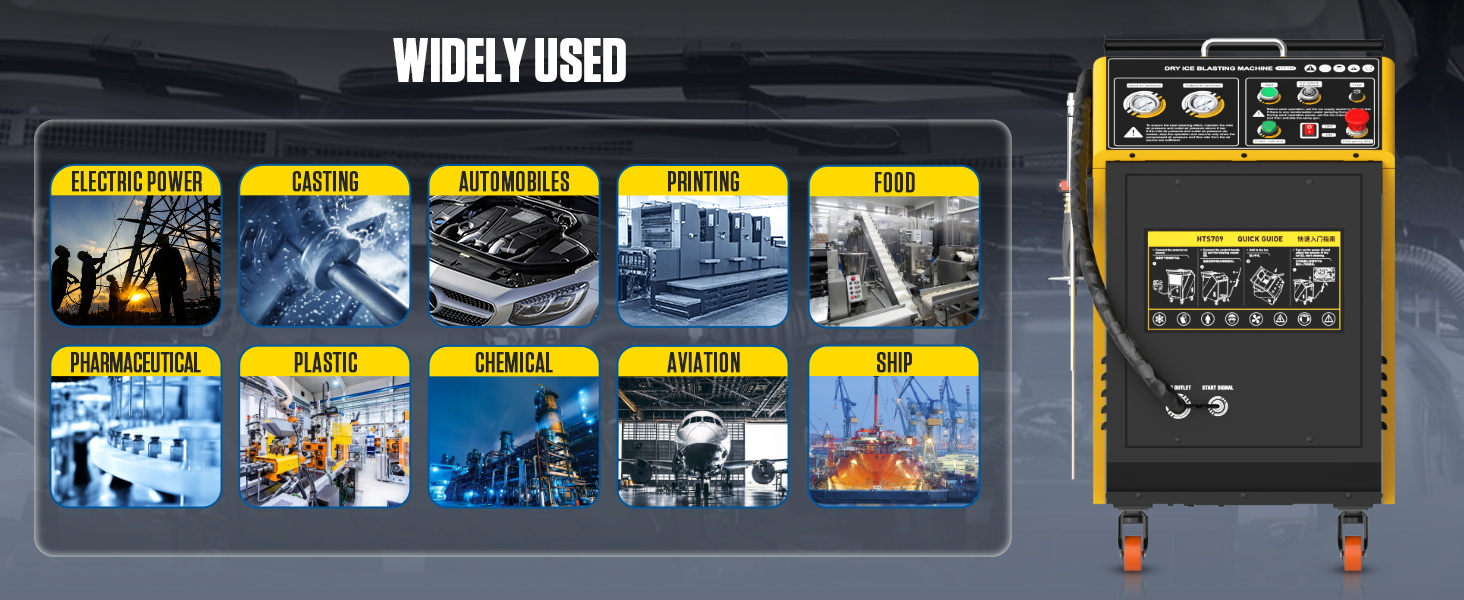
Technologia czyszczenia suchym lodem jest szeroko stosowana w konserwacji pojazdów, szczególnie w pojazdach wymagających precyzyjnego czyszczenia i efektywnej pielęgnacji. Poniższe zastosowania wyjaśniają, dlaczego proces ten może być warty wyższych kosztów.
W komorze silnika często gromadzi się olej, nagar, kurz i zanieczyszczenia. Czyszczenie suchym lodem pozwala czyścić silniki, filtry powietrza, układy chłodzenia i układy elektryczne bez pozostawiania wilgoci; w praktyce proces ten nie pozostawia wilgoci, zmniejszając ryzyko porażenia prądem związane z tradycyjnym czyszczeniem na mokro.
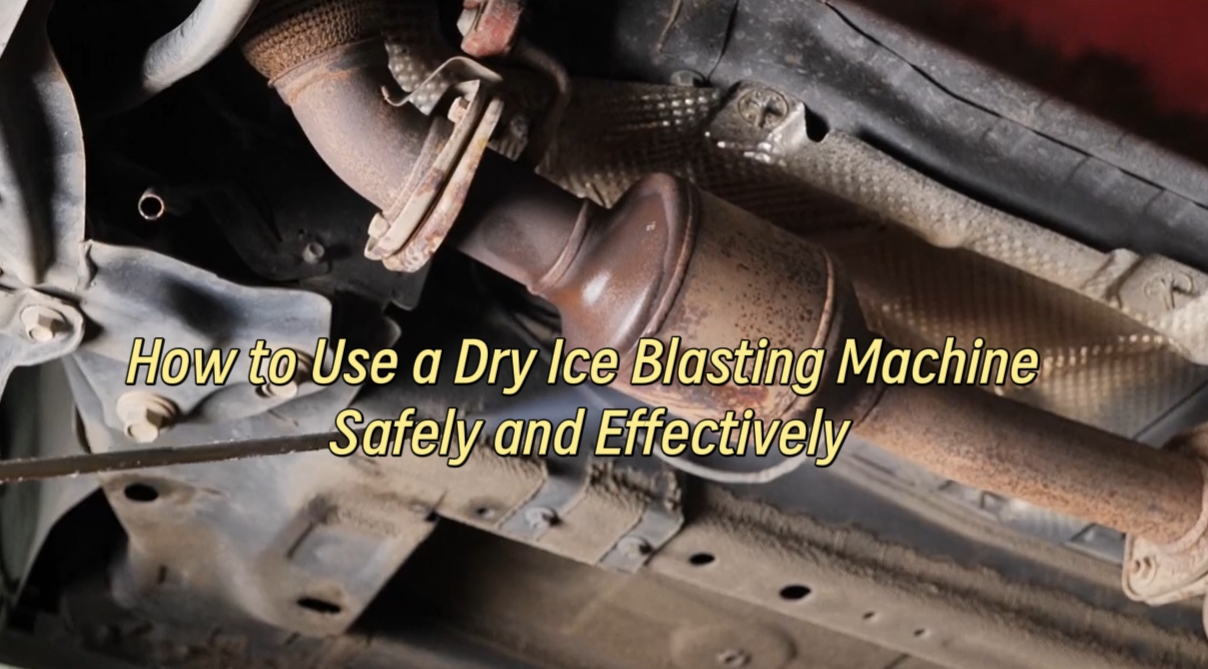
Podwozie i układ wydechowy zbierają olej, brud, osady węglowe i kurz. Czyszczenie suchym lodem może usuwać zanieczyszczenia bez uszkadzania powłoki podwozia i uszczelnień, co jest szczególnie cenne w przypadku samochodów o dużej mocy.
Zaciski i klocki hamulcowe gromadzą kurz, wióry metalowe, smar i osady węglowe. Czyszczenie suchym lodem pozwala na dokładne oczyszczenie tych elementów bez konieczności demontażu układu, zapewniając hamulcom maksymalną wydajność.
Fotele, deski rozdzielcze i dywaniki mogą gromadzić kurz, tłuszcz, bakterie i nieprzyjemne zapachy. Czyszczenie suchym lodem pozwala dotrzeć do szwów foteli i innych trudno dostępnych miejsc, jednocześnie zapobiegając uszkodzeniom materiałów we wnętrzu, przy prawidłowym użyciu.
W przypadku samochodów klasycznych i o wysokich osiągach, podwozie i koła są ważnymi obszarami konserwacji. Czyszczenie suchym lodem usuwa osady węglowe, olej, brud i inne zanieczyszczenia, dzięki czemu te części pozostają czyste i działają prawidłowo.
Pojazdy elektryczne i hybrydowe wymagają szczególnej ostrożności w pobliżu komór akumulatorów, portów ładowania i silników elektrycznych. Czyszczenie suchym lodem może oczyścić te obszary bez wpływu na funkcjonowanie podzespołów elektrycznych, o ile jest wykonywane prawidłowo.
Klasyczne i kolekcjonerskie samochody wymagają starannej konserwacji oryginalnego lakieru, wnętrza i delikatnych części. Czyszczenie suchym lodem pozwala na precyzyjne czyszczenie, zachowując jednocześnie oryginalny stan i wartość pojazdu.
Właściciele samochodów i warsztaty naprawcze mogą skorzystać z czyszczenia suchym lodem, aby wspomóc regularną konserwację pojazdu, redukując gromadzenie się węgla, oleju i brudu w komorze silnika, podwoziu i innych ważnych obszarach, co pomaga wydłużyć żywotność pojazdu.
Jesteś gotowy na czyszczenie suchym lodem?
Nie pozwól, aby jakość czyszczenia ograniczała proces renowacji. Niezależnie od tego, czy jesteś właścicielem klasycznego samochodu, który chce zachować oryginalny wygląd pojazdu, czy profesjonalnym restauratorem poszukującym wysokich standardów, czyszczenie suchym lodem może zapewnić bezpieczne, wydajne i skuteczne rozwiązanie na wielu etapach renowacji.
Jeśli chcesz doświadczyć efektu czyszczenia suchym lodem lub dowiedzieć się, jak ta technologia może wspomóc Twój projekt renowacji, skontaktuj się z nami AUTOOL w celu uzyskania wsparcia technicznego i rekomendacji dotyczących urządzeń do czyszczenia suchym lodem.
AUTOOL może zapewnić profesjonalne wsparcie techniczne i zniżki na urządzenia do czyszczenia suchym lodem do czyszczenia i renowacji pojazdów.
Czyszczenie suchym lodem jest drogie, ponieważ usługa wymaga użycia specjalistycznych maszyn, granulatu suchego lodu, sprężonego powietrza, wykwalifikowanej siły roboczej i ostrożnego obchodzenia się z wrażliwymi układami pojazdu. Im bardziej skomplikowany pojazd i im większe zanieczyszczenie, tym więcej czasu i suchego lodu wymaga czyszczenie.
W przypadku komór silnika, podwozia, układów hamulcowych, wnętrz, komór pojazdów elektrycznych, samochodów klasycznych i prac restauracyjnych, wyższy koszt można uzasadnić precyzją, procesem pozostawiającym niewielką ilość pozostałości oraz zmniejszonym ryzykiem wilgoci lub uszkodzeń chemicznych.
Powiązane produkty
Wygenerowano za pomocą krótkiego kodu produktu WooCommerce, dzięki czemu karty dziedziczą tę samą strukturę karty produktu, która jest używana w układzie wpisu referencyjnego.