Padomi un pamācības
Automobiļa piekares sistēmas darbība un apkope

29 jūlijs, 2021
Kopīgot:
 autoolstore.com
Balstiekārtas sistēma ir atbalsta sistēma starp transportlīdzekļa virsbūvi un riepām. Tā sastāv no atsperēm, amortizatoriem un saistītām mehāniskām sastāvdaļām, kas atbalsta virsbūvi, absorbē vibrāciju un uzlabo braukšanas sajūtu.
Dažādi piekares iestatījumi sniedz vadītājiem atšķirīgu braukšanas pieredzi. Vienkārša izskata piekares sistēma faktiski integrē daudzus spēkus, un tā tieši ietekmē transportlīdzekļa stabilitāti, komfortu un drošību. Tāpēc piekare ir viena no svarīgākajām mūsdienu automašīnu sastāvdaļām.
Darbības princips
Balstiekārtas sistēma pastāv divu iemeslu dēļ: lai izolētu ceļa nelīdzenumus, lai braukšana būtu ērtāka, un lai riepas saglabātu saskari ar ceļu, transportlīdzeklim braucot pa nelīdzenām virsmām. Autovadītājiem, kas koncentrējas uz vadāmību, balstiekārtas uzlabošanai ir viens skaidrs mērķis: uzlabot kontroli.
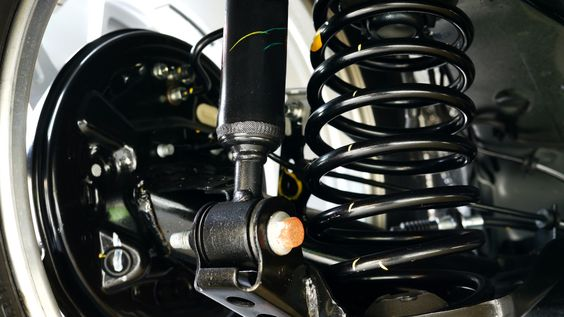
Balstiekārtas atsperes visbiežāk ir spirālatsperes, jo tās ir viegli izgatavot, efektīvas veiktspējas ziņā un lētas. Fizikā atspere uzkrāj enerģiju. Kad atsperei tiek pielikts fiksēts spēks, tā deformējas. Kad spēks tiek noņemts, atspere mēdz atgriezties sākotnējā stāvoklī.
Tomēr, kad atspere atsitas, svārstību amplitūda var pārsniegt tās sākotnējo garumu. Berzes pretestība un amortizators tad palēnina atsperes brīvo svārstību gaitu. Tāpēc amortizators ir tik svarīgs: tas kontrolē atsperes kustību pēc trieciena.
Tipiska atspere ir lineāra atspere. Tas nozīmē, ka saspiešanas un deformācijas daudzums spēka ietekmē atbilst Huka likumam: F=KX, kur F ir pieliktais spēks, K ir elastības koeficients un X ir deformācija. Piemēram, ja lineāra atspere nes 40 kg saspiežas par 1 cm, katri papildu 40 kg svara palielinās saspiešanu vēl par 1 cm.
Faktiskajā transportlīdzekļa lietošanā piekares atsperes saskaras ar vairāk nekā tikai vienkāršu vertikālu slodzi. Pat pilnībā izstiepta atspere paliek zem spiediena, tāpēc tā paliek savā vietā uz automašīnas. Parastā atsperes un amortizatora piekares konstrukcijā atspere atbalsta virsbūvi un absorbē triecienus no nelīdzeniem ceļiem, kā arī spēkus, kas rodas paātrinājuma, palēninājuma, bremzēšanas un pagriezienu laikā.
Vissvarīgākais ir nodrošināt riepas pastāvīgu kontaktu ar ceļu, vienlaikus kontrolējot vibrāciju. Riepu kontakta ar ceļu uzlabošana ir galvenais apsvērums, cenšoties uzlabot vadāmību.
Atsperu loma
Atsperu galvenās funkcijas ir uzturēt transportlīdzekļa komfortu un nodrošināt riepu pilnīgu saskari ar zemi. Nepareizu atsperu lietošana var negatīvi ietekmēt gan braukšanas kvalitāti, gan vadāmību.
Ja atsperes ir pilnīgi stingras, piekares sistēma nedarbosies pareizi. Stingra atsperu sistēma var vienlaikus samazināt komfortu un vadāmību. Kad automašīna pārlec pāri nelīdzenai virsmai, riepas var atrauties no zemes. Ja tas notiek paātrinājuma, bremzēšanas vai pagriezienu laikā, automašīna zaudē saķeri.
Ja atsperes ir pārāk mīkstas, balstiekārta var nonākt apakšējā stāvoklī, kas nozīmē, ka tai pietrūkst gājiena. Ja apakšējā stāvoklī tā nonāk līkumos, atsperes koeficients faktiski kļūst bezgalīgs, jo vairs nav vietas saspiešanai. Tūlītēja svara pārnešana var izraisīt saķeres zudumu.
Garš amortizatora gājiens var palīdzēt izvairīties no apakšējās daļas nolaišanās, taču korpuss kļūst augstāks. Augsts korpuss nozīmē augstāku smaguma centru, un augstāks smaguma centrs izšķiroši ietekmē vadāmību. Šī iemesla dēļ pārāk mīksti amortizatori var radīt vadāmības šķēršļus.
Ja ceļš ir absolūti līdzens, atsperes un piekare nebūtu nepieciešamas. Ja ceļi ir nelīdzeni, ir nepieciešamas mīkstākas atsperes, lai riepas saglabātu saskari ar ceļu, un ir jāpalielina atsperu gājiens. Ceļa nelīdzenumi nosaka atsperu stingrību, taču tas, cik mīkstai jābūt atsperei, ir kritisks jautājums, kura risināšanai bieži vien ir nepieciešama automašīnu ražotāju un sacīkšu komandu pieredze.
Parasti mīkstākas atsperes nodrošina labāku komfortu un labāku saķeri uz nelīdzeniem ceļiem. Tomēr tās var izraisīt balstiekārtas lielāku šūpošanos uz augšu un uz leju uz parastajiem ceļiem, ietekmējot vadāmību. Transportlīdzekļos ar spēcīgām aerodinamiskām detaļām mīkstas atsperes var izraisīt arī augstuma izmaiņas lielā ātrumā, kā rezultātā rodas atšķirīgas vadāmības īpašības mazā un lielā ātrumā.
Atsperēm ir divas galvenās funkcijas: tās amortizē piekari vai šasiju no zemes, lai saglabātu komfortu, un tās palīdz noturēt riepas uz zemes, kad automašīna brauc pa nelīdzenām virsmām. Šie mērķi var būt pretrunīgi, tāpēc var būt nepieciešami dažādi elastības koeficienti.
Viens no veidiem, kā līdzsvarot šos mērķus, ir izmantot atsperes ar saliktu atsperes koeficientu, kas pazīstams arī kā progresīvās atsperes. Progresīvās atsperes palielina atsperes spēka koeficientu, atsperei tiekot saspiestai. Tās ir grūti projektēt un izgatavot, taču tās var apvienot sākotnējo maigumu ar spēcīgāku saspiešanas pretestību.
Uz nelīdzeniem ceļiem sākotnējā mīkstākā atspere uzlabo riepu saķeri. Palielinoties saspiešanai, pieaugošais elastības koeficients palīdz saglabāt virsbūves stabilitāti un novērš piekares vai atsperes noslīdēšanu līdz galam. Tas var ļaut zemāka augstuma atsperei samazināt smaguma centru, vienlaikus saglabājot īsu piekares gājienu, nenoslīdot līdz galam.
Lai izveidotu progresīvu atsperi, elastības koeficientam jāmainās līdz ar saspiešanu. Daudzās progresīvajās atsperēs tiek izmantotas nevienāda soļa atsperes vai atsperes ar dažādu diametru. Kad nevienāda soļa atspere tiek saspiesta, daļa spirāļu saskaras, mainot efektīvo apgriezienu skaitu un elastības koeficientu K. Vēl viens tiešs veids, kā mainīt elastības koeficientu, ir mainīt augšējo un apakšējo spirāļu diametru.
Atsperes modifikācija
Atsperu modifikācijas galvenais mērķis ir uzlabot vadāmību, parasti izmantojot stingrākas vai īsākas atsperes. Atsperes kontrolē daudzus ar vadāmību saistītus faktorus, tāpēc izmaiņas atsperēs var radīt sarežģītas izmaiņas transportlīdzekļa uzvedībā.
Palielinot stingrību, var uzlabot piekares spēju pretoties sasverei un samazināt virsbūves sasvēršanos līkumos. Braukšanas augstuma samazināšana pazemina smaguma centru, samazina svara pārnesi līkumos un var uzlabot stabilitāti. Zemāks augstums var arī radīt vēlamo estētisko efektu.
Vienlaikus atsperu modifikāciju nevajadzētu uzskatīt par vienkāršām vizuālām izmaiņām. Tā kā atsperes ietekmē komfortu, saķeri, piekares gājienu, apakšējās nosēšanās uzvedību un riepu saskari, jebkurām izmaiņām jāņem vērā transportlīdzekļa ceļa apstākļi un faktiskais lietojums.
Problēmu novēršana
Viena izplatīta kļūmes parādība ir tāda, ka, automašīnai braucot un vibrējot augšup un lejup, piekares ierīce rada klabošu vai dunošu skaņu. Tas parasti norāda, ka piekares ierīce nedarbojas pareizi, īpaši, ja skaņa kļūst spēcīgāka uz nelīdzena ceļa.
Parastais amortizators darbības laikā būs karsts. Ja tas nesakarst vai tiek konstatēta eļļas noplūde, amortizators var būt bojāts. Pārbaudes laikā pārbaudiet arī amortizatora uzmavas stāvokli. Ja uzmava ir bojāta, tā savlaicīgi jānomaina kopā ar amortizatoru.
Piekares sistēma atrodas starp riteņiem un automašīnas virsbūvi. Tā atbalsta virsbūvi un absorbē vibrācijas, lai nodrošinātu braukšanas komfortu. Tā ietekmē arī caurlaidību, stabilitāti un saķeri. Sistēmā ietilpst amortizatori, atsperes, stabilizatora stieņi, klaņi un citas mehāniskas sastāvdaļas.
Ja asas pagrieziena laikā virsbūve pārāk sasveras, var būt bojāti amortizatori, stabilizatora stieņi vai vadotnes mehānisma komponenti. Šīs pazīmes ir jāpārbauda, nevis jāignorē, jo balstiekārtas stāvoklis tieši ietekmē transportlīdzekļa vienmērīgumu un stabilitāti.
Automobiļa piekares sistēma ir vairāk nekā tikai atsperu un amortizatoru komplekts. Tā atbalsta virsbūvi, absorbē ceļa triecienus, uztur riepas savienotas ar zemi un ietekmē komfortu, stabilitāti, caurbraucamību, saķeri un vadāmību.
Izpratne par atsperu stingrību, progresīvo atsperu uzvedību, amortizatoru stāvokli, neparastām skaņām un saistītajām bremžu pārbaudēm atvieglo problēmu agrīnu identificēšanu un drošākas transportlīdzekļa uzvedības uzturēšanu uz reāliem ceļiem.
Saistītie produkti
Renderēts, izmantojot WooCommerce produkta īskodu, tāpēc kartes manto atsauces ieraksta stila izmantoto produkta kartes struktūru.