Kategorizálatlan
Útmutató az otthoni elektromos autótöltő telepítésével kapcsolatos buktatók elkerüléséhez

október 15, 2024
Részesedés:
 autoolstore.com
Egy otthoni elektromos autótöltő telepítése jelentősen javíthatja az elektromos jármű használatának élményét. Az elektromos jármű megvásárlása után a sofőrök általában energiamegtakarítást, kibocsátáscsökkentést és az otthoni töltés szabadságát szeretnék.
A nyilvános elektromos töltőállomások folyamatos keresése kényelmetlenné teheti az elektromos jármű tulajdonosok életét. Azonban, amikor elektromos jármű töltőállomások telepítéséről van szó, sok új autótulajdonos ugyanazokkal a kérdésekkel foglalkozik: Hogyan telepítsek egy elektromos töltőállomást? Ki telepíthet otthoni töltőket? Milyen anyagokat kell előkészítenem?
Ez az útmutató ezeket a kérdéseket egy gyakorlatias otthoni elektromosjármű-töltő telepítési stratégiává rendszerezi, azzal a céllal, hogy segítsen javítani a napi töltés kényelmét és az autótulajdonlás általános élményét.
Professzionális telepítés
Gondoskodjon arról, hogy szakképzett villanyszerelő telepítse az otthoni töltőt. A nem szakember általi telepítés károsíthatja az elektromos rendszert, és sérülést vagy halált okozhat, ha nem tartják be a megfelelő óvintézkedéseket.
Bizonyos helyeken az engedély nélküli telepítés illegális; például az eredeti megjegyzés kifejezetten Franciaországot említi. Ezért fontos, hogy egy szakember látogassa meg a helyszínt, felmérje az elektromos állapotot, és a telepítési tervet jóváhagyja a folytatás előtt.
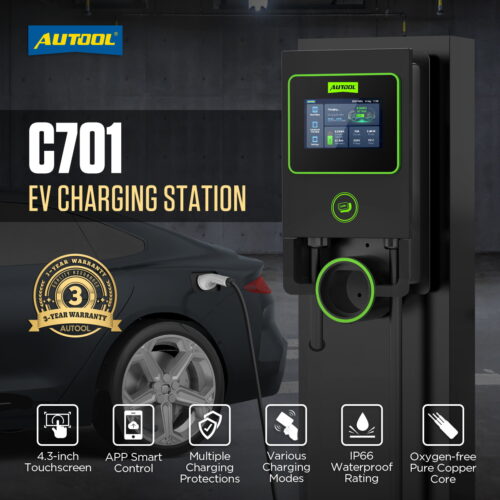
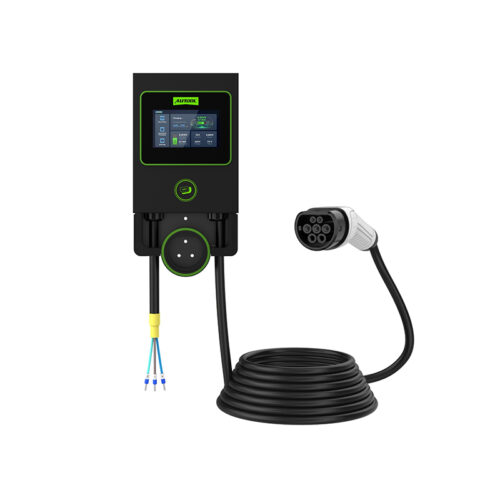
Ajánlott Önnek: AUTOOL C701 elektromos autó töltő otthonra. A AUTOOL C701 otthoni 2. szintű töltést biztosít egyszerű telepítéssel és akár 7 kW teljesítménnyel, és a legtöbb elektromos jármű modellel kompatibilis, beleértve az IEC 62196-2 szabványnak megfelelő járműveket is.
Engedélyek, vezetékek és szerszámok
Előzetesen meg kell határoznia, hogy az államában vagy a helyi területén szükséges-e a vonatkozó engedélyek beszerzése. Egyes államokban engedély szükséges a ház szerkezetén, elektromos telepítéseken, vízvezeték-szerelésen vagy gépészeti rendszereken, például fűtésen és hűtésen végzett munkákhoz. Az otthoni töltőoszlop telepítéséhez is külön engedélyre lehet szükség.
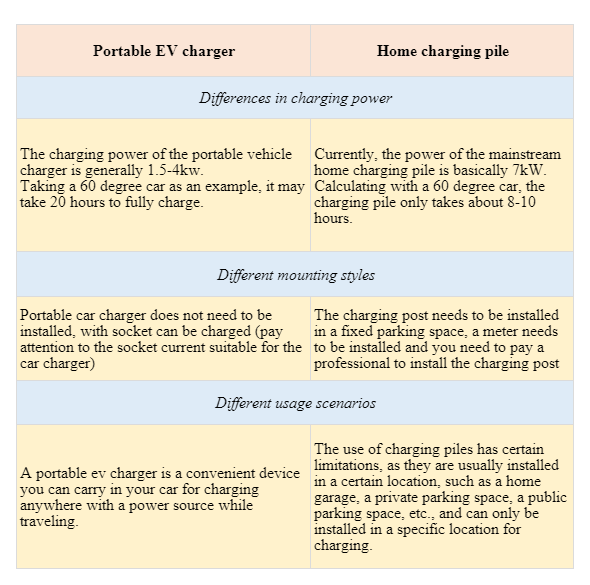
A szint 2 Az otthoni telepítésekhez általában használt elektromos autótöltőt jellemzően egy konnektorba kell csatlakoztatni. 240V aljzatba. Ezek a töltők néhány óra vagy akár egy éjszaka alatt is képesek teljesen feltölteni az autó akkumulátorát, egy Level 2 egy otthoni töltő kb. 30 mérföldnyi hatótávolság óránként.
Telepítés előtt győződjön meg arról, hogy az alapberendezések megfelelnek a követelményeknek, beleértve a speciális vezetékeket és a légkapcsolót is. Ezeket a megfelelő, előre megtervezett helyekre kell telepíteni.
Falra szerelhető vagy oszlop típusú
A töltőállomás falra vagy oszlopra szerelhető. Válasszon a parkolóhely méretétől függően: a falra szerelt telepítés falhoz közeli helyekre alkalmas, míg az oszlopos telepítés akkor lehetséges, ha nincs rendelkezésre álló fal.
Az új energiafelhasználású járművek tulajdonosainak ajánlott a parkolóhelyükhöz igazodó parkolási lehetőséget választani. Ha a parkolóhely közel van a falhoz, a falra szerelt telepítés általában közvetlenebb; ha nincs megfelelő fal, az oszlopos típus jöhet szóba.
Telepítési költségtényezők
Az otthoni elektromosjármű-töltő telepítésének költsége olyan tényezőktől függ, mint a modell, a telepítési hely, hogy beltéren vagy kültéren történik-e, hogy van-e már áram, a töltő típusa és sebessége, valamint a szükséges áramkör-fejlesztések.
A telepítés általában 300 dollártól kezdődik. Javasoljuk, hogy hasonlítsa össze az árajánlatokat, és konzultáljon egy szakképzett villanyszerelővel a pontos becslésért, amely az otthoni elektromos rendszerre és a parkolóhely állapotára vonatkozik.
Otthoni töltés előnyei
AUTOOL C701 most már hivatalosan is a boltok polcain. Fedezze fel a AUTOOL weboldalon, és válasszon az igényeinek megfelelő autós töltők és otthoni töltőállomások széles választékából.
https://autoolstore.com/product/autool-c701-portable-electric-vehicle-charger/
Egy otthoni elektromosjármű-töltő kényelmesebbé teheti az elektromos járművek mindennapi használatát, de a telepítést nem szabad hobbi barkácsolásként kezelni. Ellenőrizze az engedélyeket, erősítse meg az elektromos követelményeket, válassza ki a megfelelő telepítési módszert, és a munka megkezdése előtt kérjen meg egy szakképzett villanyszerelőt, hogy felmérje a helyszínt.
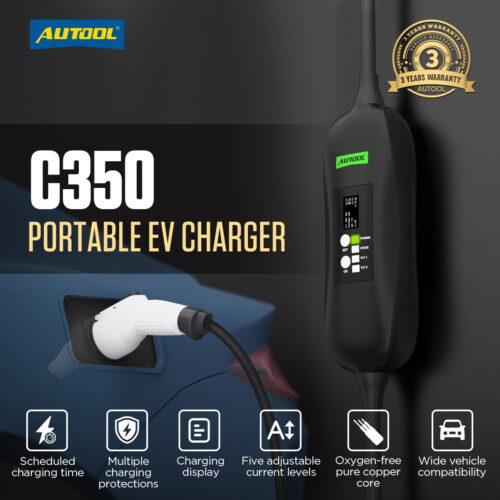
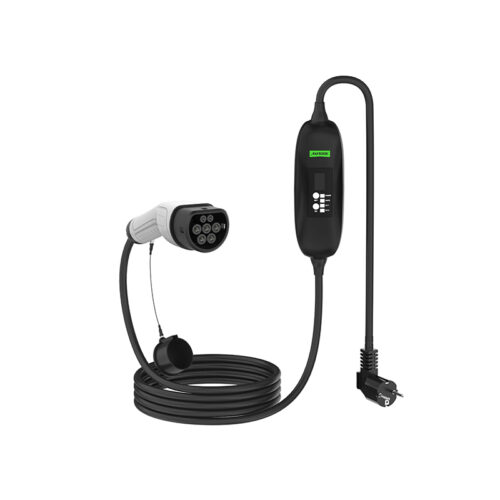
További kapcsolódó olvasmányokért tekintse meg a következőt: Ajánlott az autójavítás és a nélkülözhetetlen eszközök ellenőrzése és Töltés töltőoszlopok nélkül – hordozható elektromos autó töltő.
Kapcsolódó termékek
WooCommerce termék rövidkódján keresztül renderelve, így a kártyák öröklik a globális termékkártya struktúrát és a Blocksy/WooCommerce stílusokat.