Mikä on pyöränsuuntaus?
1. Pyörien suuntaus säätää ajoneuvon pyörä- ja ohjausgeometriaa
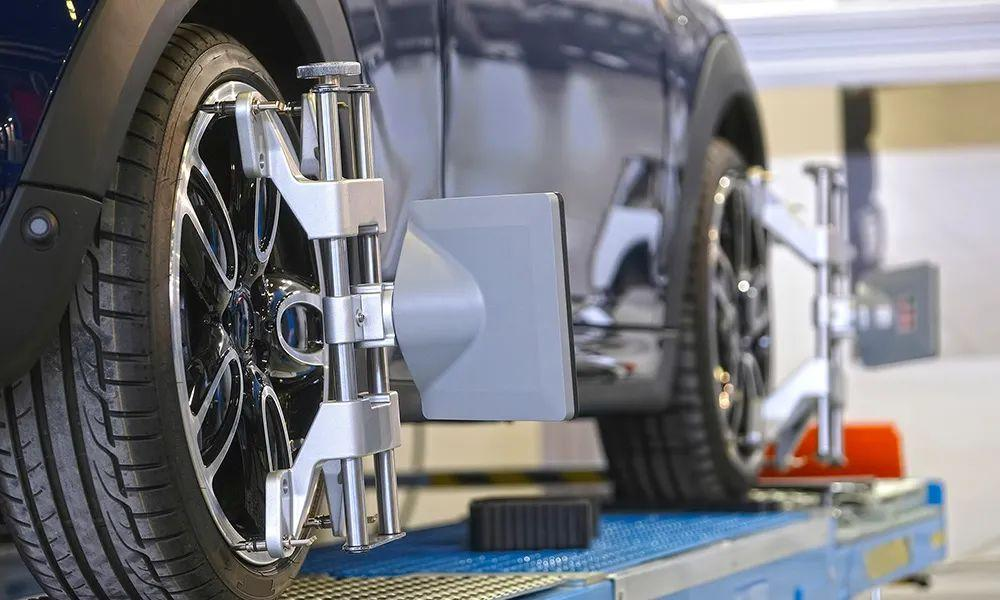
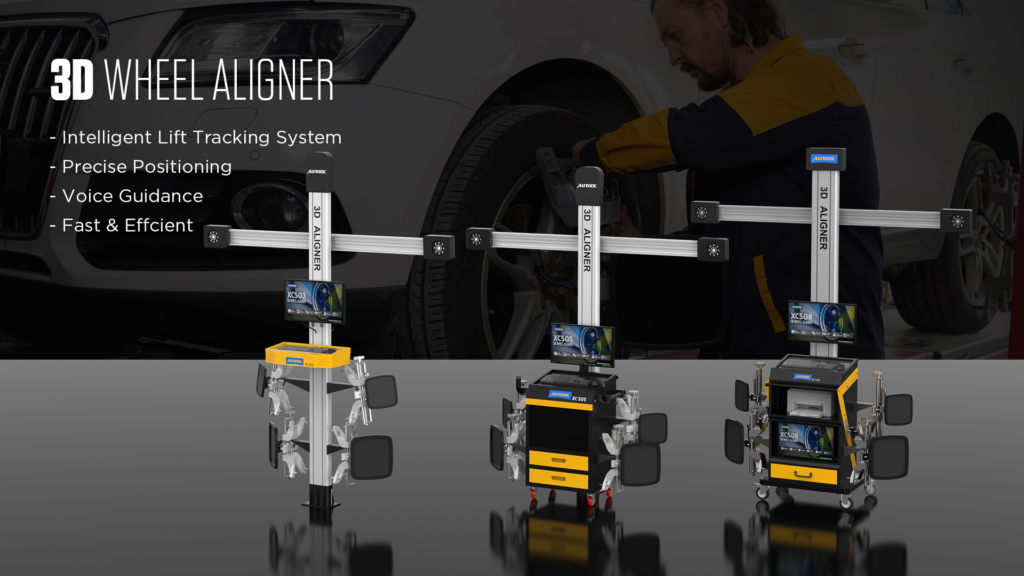
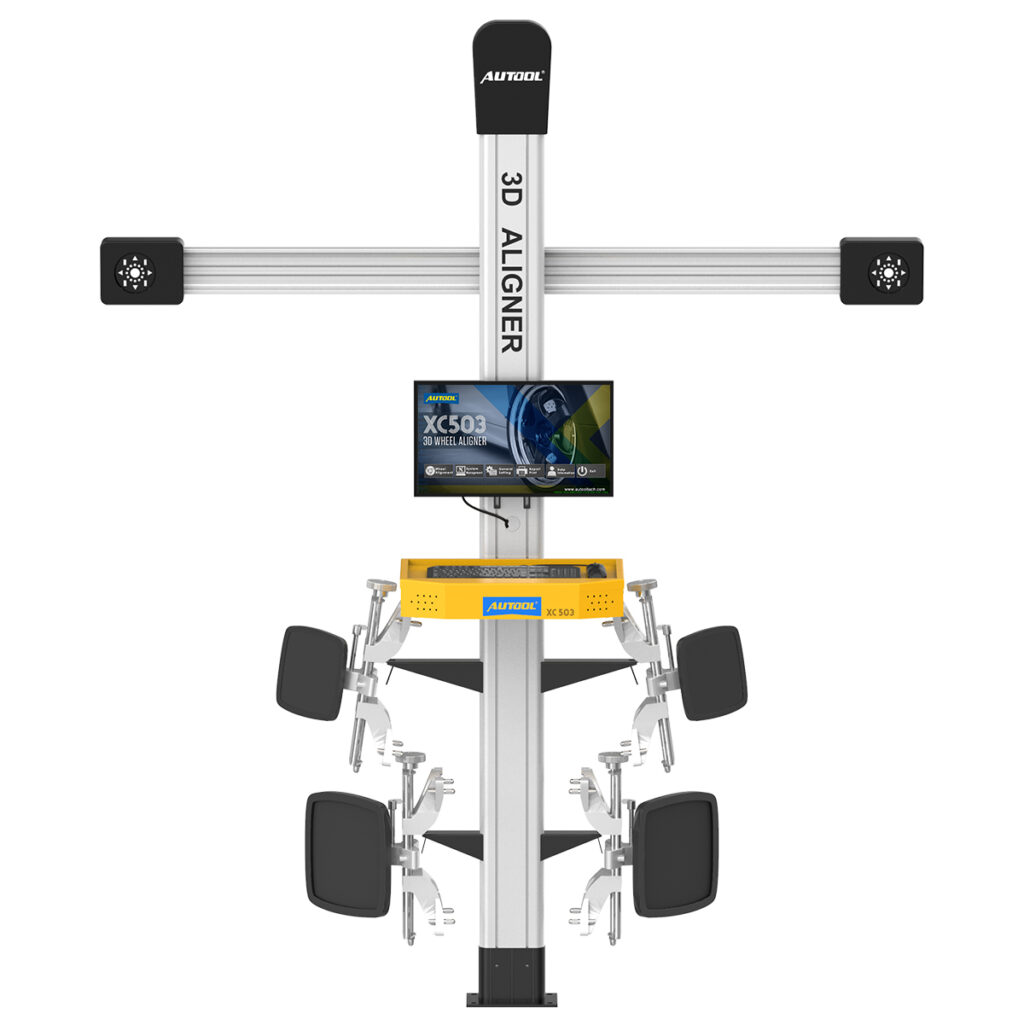
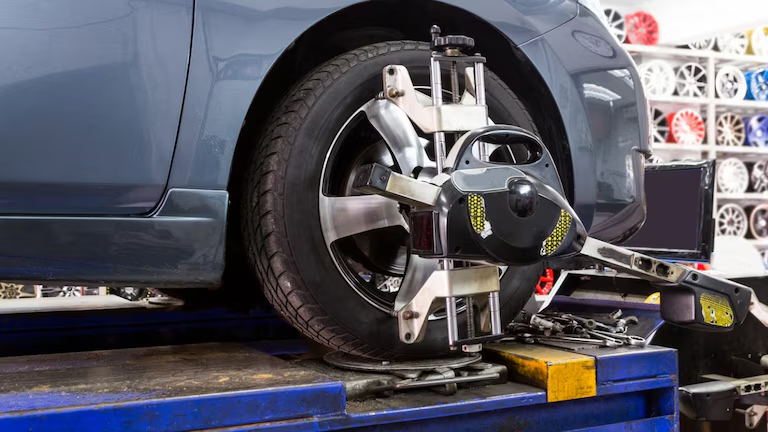
Nelipyöräsuuntaus, also called tire alignment or tire calibration, adjusts the relative positions between the vehicle’s wheels, steering knuckles, and front axle. The goal is to help the tires maintain normal wear and support good driving performance. In simple terms, alignment is like adjusting the posture of the car’s feet so it can move more steadily. When the alignment is correct, the tires contact the road more evenly, the steering response feels more stable, and the vehicle is less likely to pull to one side.Paljonko renkaiden suuntaus maksaa?
2. Rengassuuntauksen hinta riippuu palvelutyypistä, ajoneuvosta ja lisäkorjauksista
The cost of tire alignment varies depending on the type of service and several local factors. A two-wheel alignment typically costs between $50 and $75, while a four-wheel alignment can cost between $100 and $175. The exact price depends on the number of wheels being aligned, the type of car, local labor cost, and whether the vehicle needs additional services. Luxury models or vehicles requiring specialized equipment may cost more. Some repair shops also offer alignment packages, such as a lifetime alignment service where the customer pays a one-time fee and receives free alignments every 6 months or every 6,000 miles. The final bill may also increase if the shop needs to add tire balancing, suspension inspection, or suspension repairs. Before approving the work, ask for a detailed quote so you know whether the price is for alignment only or for a broader repair package.Kuinka usein minun pitäisi suorittaa pyöränsuuntaus?
3. Pyörien suuntaus ei yleensä vaadi jatkuvaa säätöä, mutta se tulisi tarkistaa säännöllisesti
Wheel alignment does not need frequent adjustment when the vehicle is driving normally and the tires are wearing evenly. As a general reference, you can check tire alignment every 10,000 to 12,000 kilometers, about 6,000 to 7,500 miles, or every 6 months. The best interval still depends on driving habits, road conditions, vehicle condition, and tire wear. If you often drive on bumpy roads, hit potholes, carry heavy loads, or notice changes in steering feel, check the alignment sooner. If the vehicle has deviation, misaligned steering, abnormal tire wear, or insensitive steering response, inspect and adjust the wheel alignment immediately instead of waiting for the next maintenance cycle.Mistä tiedät, tarvitseeko pyörien suuntausta?
4. Neljä yleistä tilannetta, jotka kertovat, milloin linjaus on tarkistettava
Jos ajoneuvosi on toiminut normaalisti eikä siihen ole tehty mitään pyöränsuuntaukseen mahdollisesti vaikuttavia toimintoja, se ei välttämättä tarvitse välitöntä nelipyöräsuuntausta. Seuraavat tilanteet ovat kuitenkin tärkeitä merkkejä siitä, että suuntaus on tarkastettava.Renkaiden tai vanteiden vaihdon jälkeen
Uudet renkaat tai vanteet voivat muuttaa ajoneuvon alkuperäisiä parametreja. Ilman nelipyöräsuuntausta renkaat voivat kulua epätasaisesti, lyhentää käyttöikää ja lisätä ajoturvallisuusriskejä.
Ajoneuvon törmäyksen jälkeen
Vaikka ulkopinta olisi korjattu, alusta ja siihen liittyvät osat ovat saattaneet vaurioitua. Ajoneuvo voi ajautua toiselle puolelle ilman ohjausliikettä, mikä on vaarallista ja voi pahentaa rengasvaurioita ajan myötä.
Ohjauspyörä ei ole suorassa
Jos ohjauspyörä on vinossa, ajoneuvo tuntuu epävakaalta tai auto kallistuu ajon aikana toiselle puolelle, pyörät saattavat olla väärin suuntattuina ja renkaiden suuntaus on tarpeen.
Ajoneuvon tärinä
Virheellinen pyöränkulmaus voi tehdä renkaiden kosketuksesta ja voiman jakautumisesta epätasaista, mikä aiheuttaa epänormaalia tärinää. Tämä voi tuntua epämukavalta ja voi myös vahingoittaa jousitusta ja siihen liittyviä osia.