Brake System Maintenance
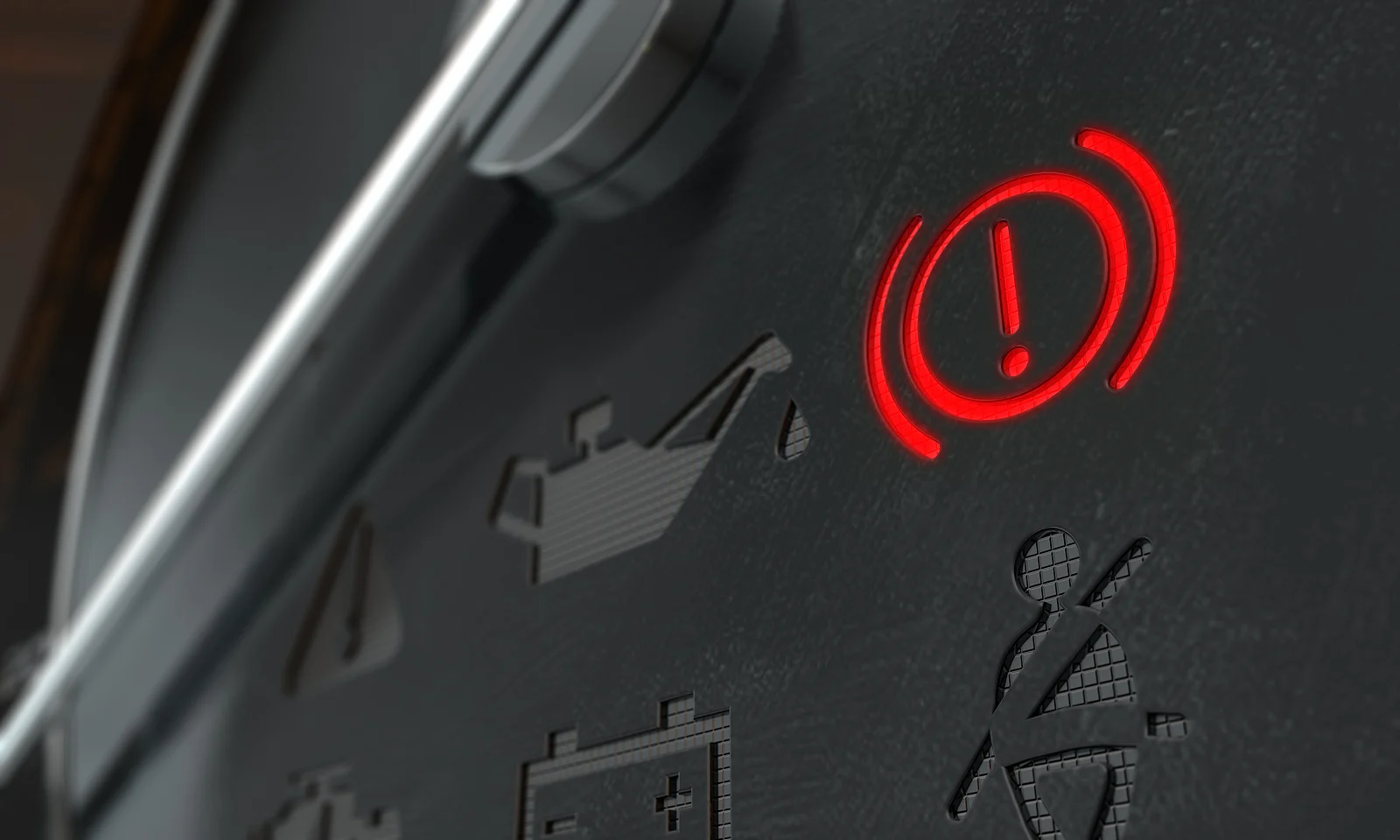
The brake system is one of the most important systems for driving safety. On every trip, it works like a silent guard, helping protect the driver, passengers, and others on the road. A considerable portion of traffic accidents can result from vehicle system failures, so regular brake inspection and timely replacement are essential. Do not wait until a failure occurs before considering maintenance. This guide explains the brake system’s working principle, five maintenance tips, common brake problems, maintenance intervals, and important service considerations.
Brake Basics

Components and working principle

1. Components and Working Principle of the Brake System

The braking system of a typical car or light truck consists of several separate components. These components work together to slow down or stop the vehicle, help it remain stable when parked, and maintain control when driving downhill. Brake components include pads, discs, and calipers. Modern disc brakes use one or two calipers and a rotor per wheel. When the brake pedal is engaged, the caliper compresses against the disc and creates friction that slows the vehicle.
Brake system maintenance and brake fluid service
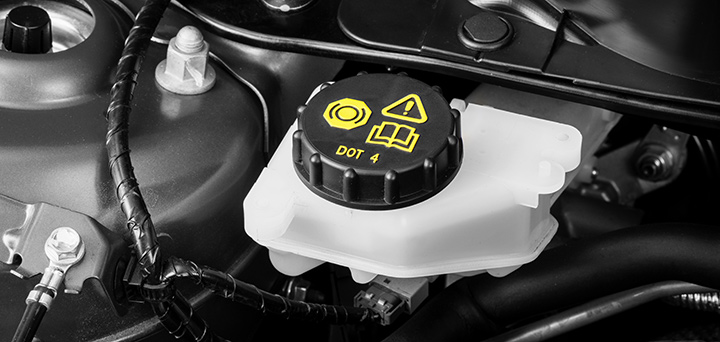
  • Brake fluid, master cylinder, and linesBrake fluid transmits force. The master cylinder applies pressure through the fluid to the caliper, relying on the incompressibility of liquids.
  • Parking brakeParking brakes, or emergency brakes, operate independently from the pedal brake. They use mechanical or electric systems to engage the calipers or discs and keep the vehicle stationary when parked.
  • ABSThe Anti-lock Braking System can be fitted to hydraulic brake-equipped vehicles. It manages brake-fluid pressure during braking to help prevent wheel lock-up and maintain steering control.

In short, the brake system works by converting the kinetic energy of the car into heat through friction. When the brake pedal is pressed, force is amplified by the brake booster and transmitted to the brake master cylinder. The master cylinder pressurizes brake fluid and sends it through the brake-fluid lines. The calipers then push brake pads against the brake discs, generating braking force and slowing or stopping the vehicle.

Safety Priority

Why brake system maintenance is critical

2. Why Is Brake System Maintenance Critical?

Common faults in the brake system include soft or hard brakes, poor braking effect, too much dirt on the surface of the brake discs, seized guide pins on the brake cylinder, loss of lubrication at both ends of the brake pads, and other mechanical problems. The causes of these failures are varied. When they happen while driving, the result can be severe. This is why the brake system requires heightened attention and regular maintenance.
Maintenance Tips

Five brake system maintenance tips

3. Five Tips for In-Depth Brake Maintenance

  • Monitor your vehicle’s braking systemPay attention to sounds, vibrations, and odors, especially during braking. Test the brake pedal in a safe area and make sure it remains firm and responsive. Confirm that the brake lights activate when the pedal is pressed.
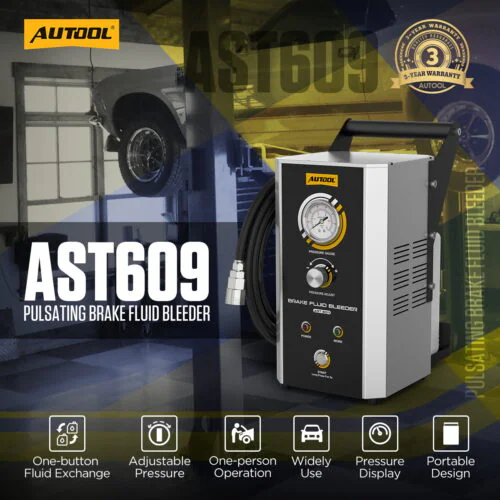
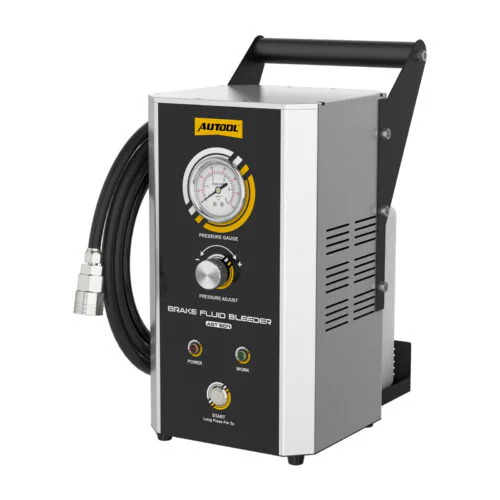
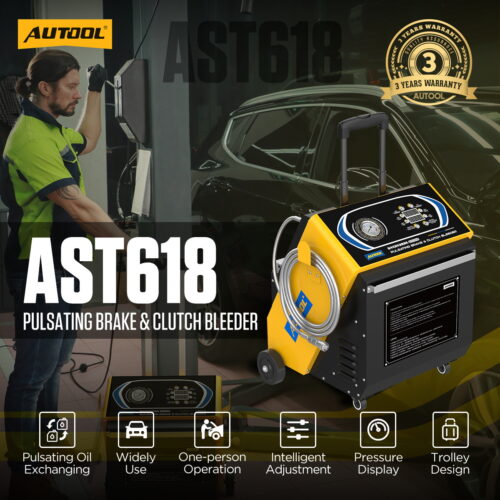
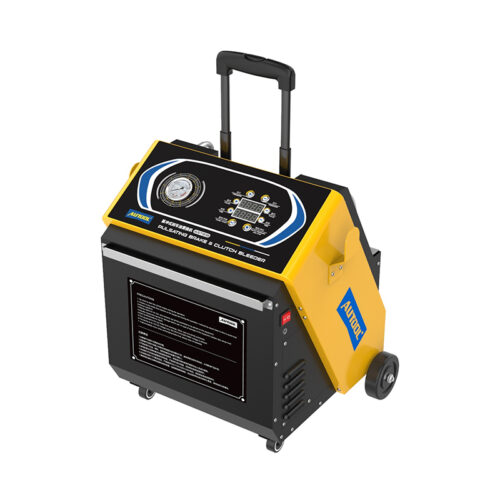
  • Change brake fluid regularlyBrake fluid absorbs moisture over time, lowering its boiling point and compromising braking efficiency. Replace it every 2-3 years with fluid that meets the manufacturer’s specifications. The replacement process requires specialized tools to remove air from the system for optimal performance.
  • Inspect brake pads and discsPads and discs generate friction and directly influence braking performance. Check pad thickness regularly and replace worn pads. Address unevenly worn or deeply grooved discs promptly. Use visual inspection or professional tools to assess wear, replace pads below the specified limit, and make sure discs are flat and undamaged.
  • Examine brake linesProper sealing of brake lines is essential for system function. Look for leaks, deterioration, or cracks to keep pressure transmission smooth. Replace faulty lines immediately to prevent brake-fluid loss and braking-performance problems.
  • Maintain brake componentsClean sub-pumps, guide pins, and other moving parts regularly. Apply grease where appropriate to support movement. Cleaning removes dust and impurities, while lubrication reduces friction and extends brake-component life.
Troubleshooting

Common brake problems

4. Troubleshooting Common Brake Problems

  • Brake noiseBrake noise may be caused by serious wear of brake pads or scratches on brake discs. Check and replace the affected parts in time.
  • Weak braking powerThis is often caused by deteriorated brake fluid or brake-disc wear. Check brake-fluid level and quality immediately.
  • Brake shakingDeformed brake discs may cause shaking. Damaged discs should be replaced, or calipers should be readjusted.
Maintenance Intervals

Brake system maintenance intervals

5. Brake System Maintenance Intervals

Maintenance intervals vary by vehicle model and use environment. A practical baseline is to inspect the brake system every 10,000 to 20,000 kilometers and perform comprehensive maintenance every 40,000 to 60,000 kilometers. Shorten maintenance intervals for vehicles used in harsh conditions, such as hard braking, heavy use, dusty roads, or wet environments. City vehicles often experience frequent starts, stops, and traffic congestion, so they use the brake system more often. Highway vehicles brake less frequently, but long high-speed drives create high loads and still require regular maintenance. Driving habits also affect brake-system maintenance cycles. Aggressive driving and hard braking accelerate wear and require more frequent maintenance.
Considerations

Brake maintenance considerations

6. Key Considerations Before and After Brake Service

  • Use suitable brake padsFor brake-system maintenance, use OEM pads or suitable pads that meet the vehicle’s requirements for optimal performance and reduced wear.
  • Pump the brakes after pad replacementAfter replacing brake pads, pump the brakes to remove any gap and help ensure immediate effective braking.
  • Maintain a regular scheduleThe original article recommends brake maintenance every 20,000 kilometers or annually to support proper brake-system function and driving safety.

Maintaining the brake system is a serious part of driving safety. Regular maintenance helps keep the brakes in optimal condition and supports the safety of the driver, passengers, and others on the road.

Related Products

Rendered through WooCommerce product shortcode so the cards inherit the global product-card structure and Blocksy/WooCommerce styles.

Leave a Reply

Vaša e-mailová adresa nebude zverejnená. Vyžadované polia sú označené *