Fluid Maintenance Guide
Regularly changing the lubricants and fluids needed for your car is crucial for vehicle maintenance. This article explains when to change brake fluid, engine oil, transmission fluid, and other essential fluids by looking at fluid condition, driving symptoms, tester readings, and service conditions. The original article is organized around three major systems: brake fluid, engine oil, and automobile transmission oil. The sections below preserve those points while making the inspection logic clearer and easier to follow.
AUTOOL vehicle fluid maintenance guide
Fluid 01

Four things to know about brake fluid

1. Brake Fluid: How It Works and When to Replace It

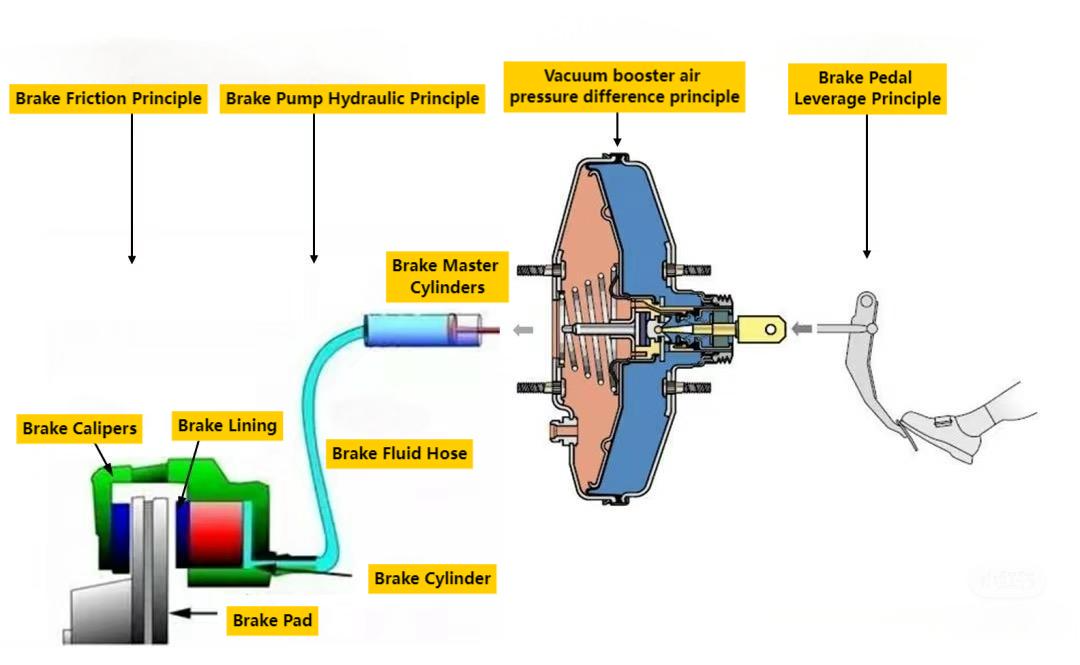
The braking system uses a hydraulic system to push pistons, bringing the brake disc into contact with the brake pads. This generates significant friction, converts the vehicle’s kinetic energy into heat, and ultimately slows down or stops the car. Brake fluid acts as the medium for transmitting pressure in the hydraulic system. Because liquid is incompressible, the force from your foot is transmitted through the brake master cylinder’s piston and the brake fluid to the wheel calipers. The brake pads then engage with the brake disc. When you release the brake, the hydraulic pressure dissipates and the pistons return to their original positions.

Types of brake fluid

Brake fluid is categorized according to safety standards set by the U.S. Department of Transportation. The common DOT standards include DOT3, DOT4, and DOT5. For everyday vehicles, DOT3 and DOT4 are most commonly used, while DOT5 is reserved for special applications such as military or racing use.

  • DOT3Ether-based brake fluid with strong hygroscopic properties, a lower boiling point, and a higher tendency toward heat fade.
  • DOT4Ester-based brake fluid with a higher dry boiling point and better resistance to moisture.
  • DOT5Silicon-based brake fluid with a higher boiling point but different viscosity, usually used for special applications.

Function of brake fluid and boiling-point meaning

  • Function of brake fluidBrake fluid is a critical medium that transmits and amplifies braking force. It should provide lubrication, cleaning, corrosion resistance, anti-freezing performance, and a high boiling point.
  • Dry boiling pointThe boiling point of brake fluid immediately after it is added to the braking system from a sealed container.
  • Wet boiling pointThe boiling point after the brake fluid has been used and has absorbed moisture, usually described around 3.5% water content.

How to determine if brake fluid needs to be changed

  • Color of brake fluidBrake fluid should normally appear transparent or slightly yellow. If it becomes cloudy or black, or if sediment appears in the fluid, replacement should be considered.
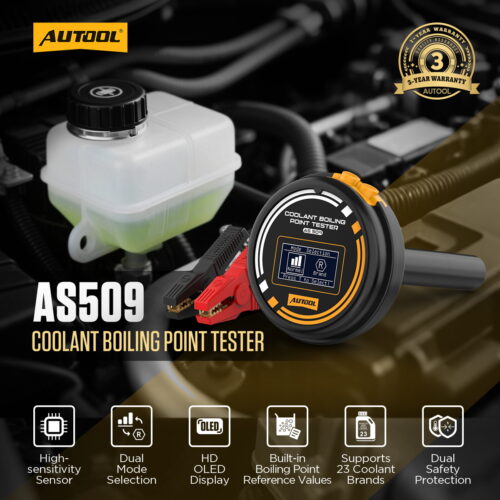
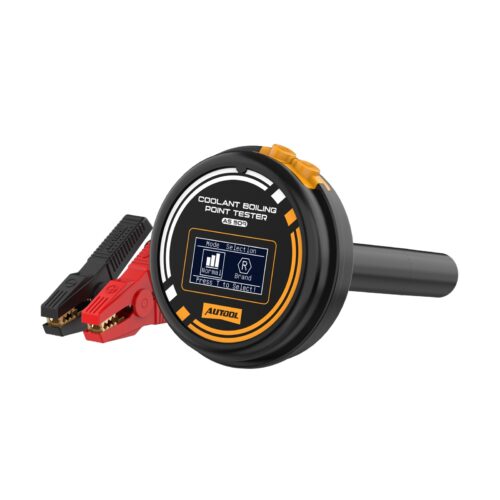
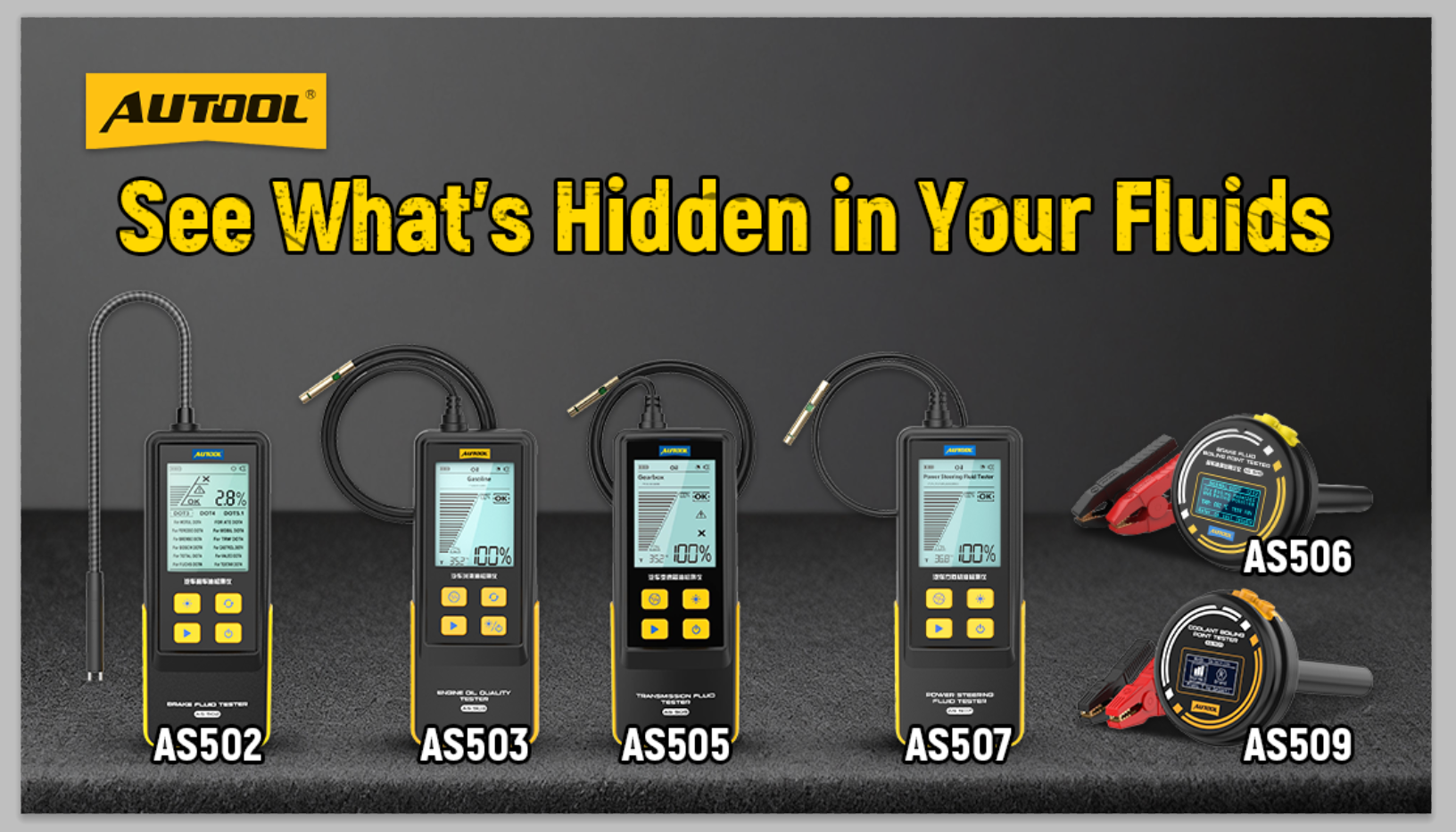
  • Boiling point of brake fluidA lower boiling point may indicate excessive moisture in the fluid. The original article mentions using an AUTOOL AS605 professional brake fluid boiling point tester to measure boiling temperature. If the boiling point is below the specified standard, the brake fluid contains too much water and should be replaced.
  • Humidity of brake fluidThe AUTOOL AS502 brake fluid tester can help measure water content. If the water content exceeds 3%, changing the brake fluid is recommended; if it exceeds 4%, the brake fluid must be replaced.
  • Brake system performanceIf you experience a lack of braking power, or if the brake pedal does not return or returns slowly after being pressed, the hydraulic lines may be losing pressure.
  • Brake warning lightIf the brake system warning light illuminates or flashes intermittently, it may indicate low brake-fluid level. It is advisable to check the fluid before the problem deteriorates.
Fluid 02

Three things to know about engine oil

2. Engine Oil: Benefits, Inspection, and Change Frequency

Regularly changing engine oil is crucial for vehicle maintenance. Engine oil is the “lifeblood” of your car. Its functions go beyond lubricating components and reducing friction; it also helps cool the engine and clean internal impurities.

Benefits of regularly changing engine oil

Regularly changing engine oil helps ensure proper engine operation, extend the lifespan of your vehicle, improve fuel efficiency, and reduce maintenance costs. Regularly checking the condition of your oil is therefore essential.

How to determine if engine oil needs to be changed

  • Observe oil colorNew lubricant is usually clear and transparent with a golden color. As use time increases, oil gradually becomes sticky and dark. However, dark oil alone does not always mean immediate replacement. It may be related to carbon deposits inside the engine or old oil not being completely emptied during replacement. If you want to understand carbon accumulation solutions, read Two Methods For Cleaning Engine Carbon Deposits – Dry Ice Blasting and Walnut Sand Cleaning >>.
  • Observe oil dropsPlace a drop of oil on a paper towel and watch how it spreads. If the drop forms a round shape with a large dark center and a narrow light-yellow edge, this usually indicates that the oil needs to be changed.
  • Check transparency and impuritiesYou can assess oil condition by testing transparency and impurities. The AUTOOL AS503 engine oil tester can help check oil transparency.
  • Smell the oilDip the dipstick into the oil and bring it close to your nose. If the oil emits a sour odor, it indicates degradation and the oil needs to be replaced.

Oil changes and how often

With the development of modern vehicles, many cars now have maintenance alarm systems. These systems track mileage from the first drive and remind you when to change the oil. If your car does not have such an alarm system, the inspection methods above can help you judge oil condition.

  • Driving habitsIf you live in a city and stop and go every day, the engine may experience more wear, which can increase oil-change frequency.
  • Type of oilConventional motor oil is made from crude oil and breaks down faster than synthetic oil or high-mileage oil, which usually have a longer service life.
  • Age of the carOlder cars may need more frequent oil changes due to engine wear and increased fuel consumption.
Fluid 03

Three things to know about automobile transmission oil

3. Automobile Transmission Oil: Change Methods and Maintenance Cycle

If engine oil is the “blood” of the car, transmission oil is the car’s “heart assistant.” Transmission oil works in a high-temperature, high-pressure environment for a long time. It can oxidize and deteriorate, leading to poor lubrication, poor heat dissipation, and reduced pressure-carrying performance. Impurities can block the filter and oil passages, aggravate friction inside the gearbox, and produce abnormal noise. For these reasons, transmission oil should be checked regularly to decide whether it needs to be replaced.

Methods for changing transmission oil

  • Gravity oil changeOld oil flows out naturally until it reaches a stationary state, and an equal amount of new oil is added to the normal level according to the amount drained. The replacement rate is about 40%-50%, so much of the old oil remains. When new oil is added, it is diluted by the old oil, directly affecting transmission efficiency.
  • Circulation-machine oil changeThis method is more thorough. Old-oil removal can reach 95%-98%, including old oil in the gearbox coupler and valve body. The cleaning effect is significant, gearbox service life can be extended, shifting becomes smoother, and shift shock can be improved.

Role of transmission oil

  • Heat dissipationGears generate heat, and transmission oil helps dissipate that heat.
  • CleaningTransmission oil helps clean the shifting system and extend transmission life.
  • LubricationProper lubrication makes shifting smoother and helps ensure normal gearbox operation.

Transmission oil maintenance cycle

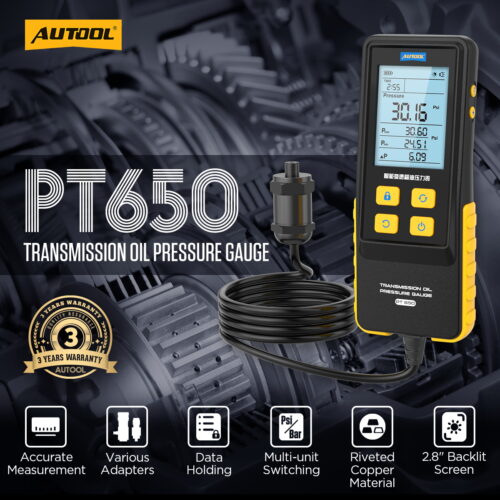
Under normal driving conditions, the original article recommends replacing transmission oil every 40,000 kilometers. AUTOOL AS505 transmission oil tester can be used to test oil transmittance. When transmission oil needs replacement, a circulating oil changer is recommended because automatic transmissions have complex structures and high oil-change requirements. Circulating oil changes are more thorough and can extend the maintenance cycle.

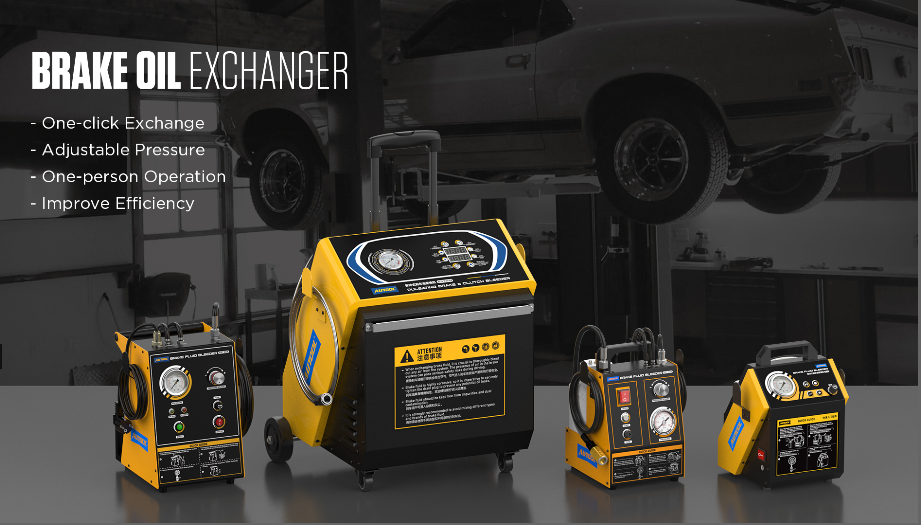
For shops that do not have an ATF transmission oil changer, the original article recommends learning about AUTOOL transmission-oil service tools.

Summary

Regular Fluid Checks Support Safer Driving

It is necessary to regularly check the fluids in your car to help protect driving safety. Brake fluid, engine oil, and transmission oil all influence vehicle performance in different ways, and each fluid has its own inspection logic. AUTOOL brand products can solve many common fluid-checking and fluid-service problems. The original article also highlights a three-year warranty, favorable prices, and good service quality.

AUTOOL Official Team
Mobile/WhatsApp/Wechat: +86 189 2647 7404
Email: autoolstore.com
Website Official Shop: https://autoolstore.com/

Related Products

Rendered through WooCommerce product shortcode so the cards inherit the global product-card structure and Blocksy/WooCommerce styles.

Leave a Reply

Vaša e-mailová adresa nebude zverejnená. Vyžadované polia sú označené *