Conseils et tutoriels, Non classé
Guide simple pour vérifier et remplacer soi-même sa batterie de voiture

octobre 28, 2025
Partager:
 autoolstore.com
Conseils et tutoriels
La batterie d'une voiture est l'élément essentiel de son système de démarrage. C'est une source d'énergie à courant continu rechargeable qui convertit l'énergie chimique en énergie électrique pour alimenter le véhicule. Lorsque le véhicule est en marche, elle stocke également l'énergie électrique sous forme chimique pour une utilisation ultérieure.
Au quotidien, la batterie remplit deux rôles essentiels. Premièrement, elle fournit le courant nécessaire au démarreur pour que le moteur démarre sans problème. Deuxièmement, elle alimente les composants électriques tels que les phares, le système audio et l'écran de commande central.
Lorsque la batterie est faible ou défectueuse, la voiture risque de ne pas démarrer et le conducteur de se retrouver immobilisé. C'est pourquoi un contrôle régulier et un test approprié de la batterie sont des éléments essentiels de l'entretien d'un véhicule.
Vérification de l'état de la batterie
Combinez l'inspection visuelle, les tests fonctionnels et les mesures professionnelles. Cette approche offre un diagnostic plus fiable que la simple observation d'un symptôme isolé.
Cette étape ne nécessite aucun outil et constitue une première inspection utile de la batterie de voiture.
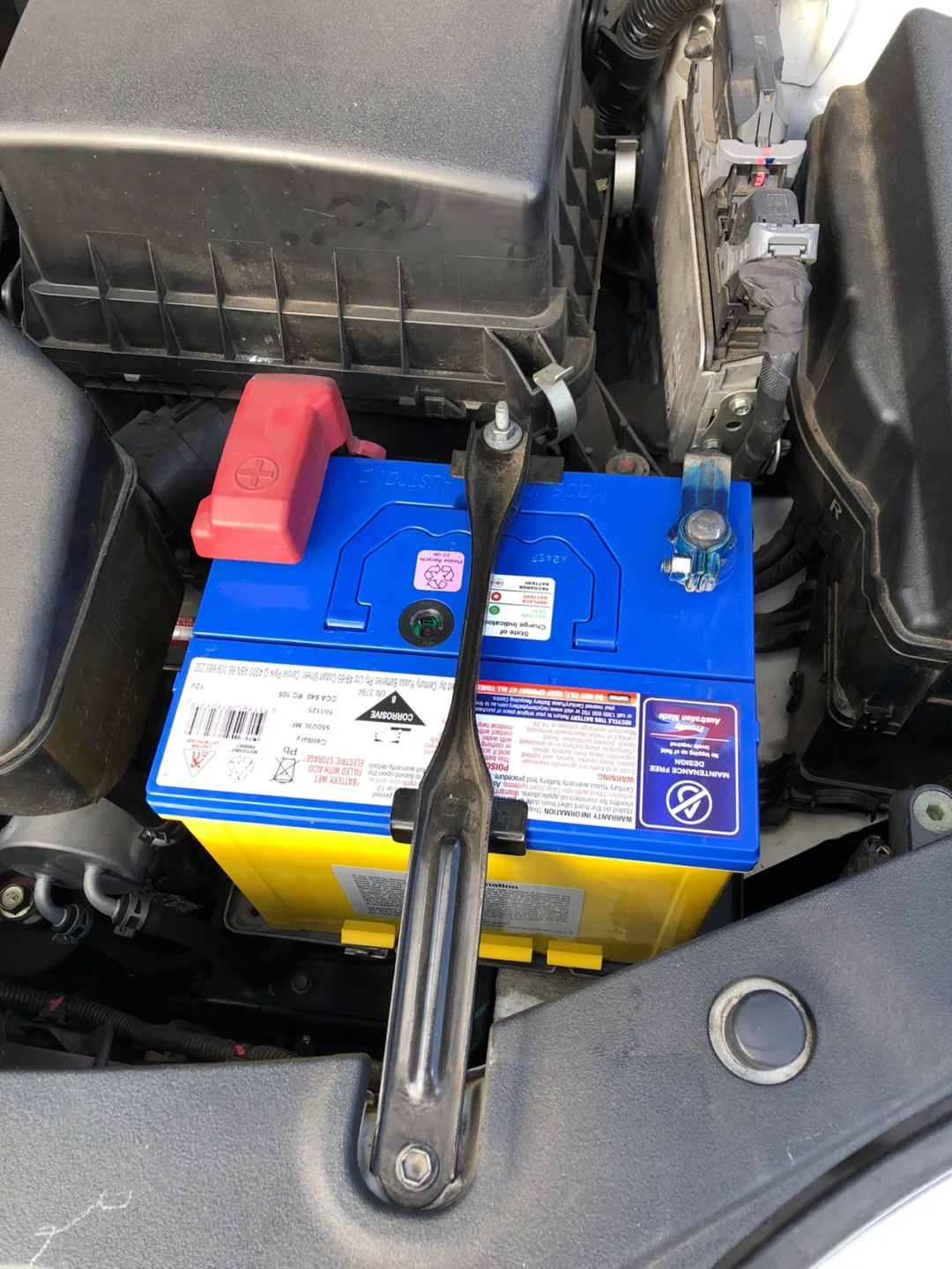
Ouvrez le capot et repérez la batterie, généralement un boîtier en plastique noir avec des bornes positive et négative. Si vous constatez un gonflement, des fissures ou une corrosion poudreuse blanche ou verte autour des bornes, la batterie est peut-être endommagée ou présente une fuite. C'est un signe évident qu'il faut la remplacer.
Vérifiez également l'âge de la batterie. Recherchez la date de production sur le boîtier, généralement indiquée au format année/mois ou semaine/année. La durée de vie moyenne d'une batterie au plomb est de : 3 à 5 ansSi un appareil a été utilisé pendant plus de cinq ans, il est judicieux de le remplacer même si son aspect extérieur semble encore normal.
Vous pouvez évaluer les performances de la batterie au quotidien sans équipement spécial.
Si, en appuyant sur le bouton de démarrage, le moteur tourne lentement, a un faible bruit ou nécessite plusieurs tentatives pour démarrer, la batterie se décharge et ses performances diminuent. Si aucun bruit de démarrage n'est audible, seulement un clic, ou si les voyants du tableau de bord s'éteignent brusquement, la batterie est hors service et doit être remplacée.
Contact mis (moteur éteint), allumez les phares, l'écran d'infodivertissement et les vitres électriques. Une faible intensité lumineuse, un affichage saccadé ou une lenteur des vitres, surtout si plusieurs appareils électroniques sont utilisés simultanément, peuvent indiquer une tension de batterie insuffisante pour une alimentation stable.
Si vous avez encore des doutes après les deux premières vérifications, utilisez des outils de diagnostic pour un test de batterie de voiture plus précis.
Mesurer la tension avec un multimètre : Moteur éteint, réglez le multimètre en mode tension continue (DC). Connectez la sonde rouge à la borne positive et la sonde noire à la borne négative. Une batterie en bon état devrait afficher une tension comprise entre [valeur manquante]. 12,4 V et 12,8 V. Si c'est en dessous 12.2V, la batterie est sous-chargée. Si elle est en dessous de 12V, il nécessite un remplacement immédiat.
Après avoir démarré la voiture et l'avoir laissée tourner au ralenti, effectuez une nouvelle mesure. Une valeur de charge normale devrait être : 13.5V-14.5VSi elle reste inférieure 13VIl se peut que l'alternateur ne charge pas correctement la batterie ; il convient donc de vérifier à la fois l'alternateur et la batterie.
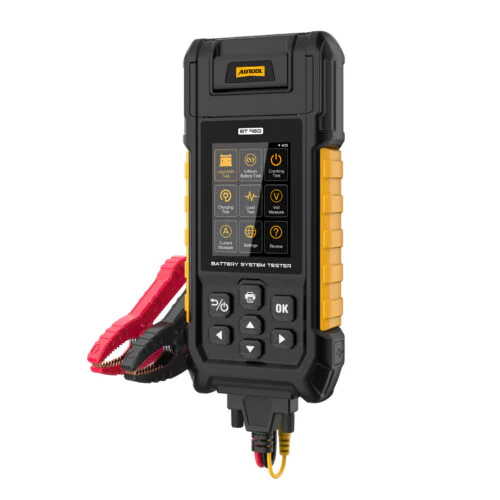
Utilisez un analyseur de batterie ou un testeur de batterie de voiture : Un testeur de batterie automobile professionnel peut afficher l'état de santé (SOH) et l'état de charge (SOC). Si le SOH est inférieur à 60%, il est temps de planifier le remplacement de la batterie de votre voiture, même si le véhicule démarre encore.
Outils de test de batterie
Utilisez un testeur de batterie, un multimètre ou un testeur de circuit pour vérifier la tension, l'état de charge et l'état de la batterie avant de remplacer des pièces.

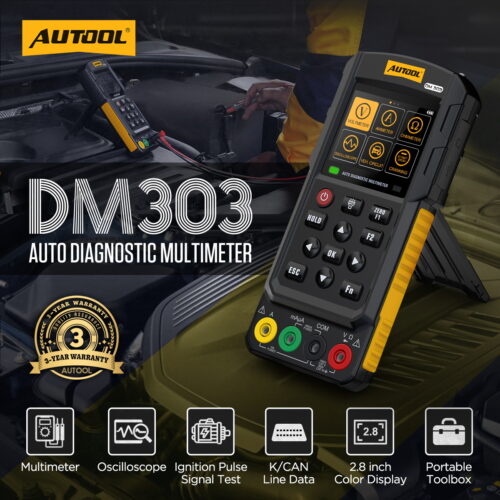
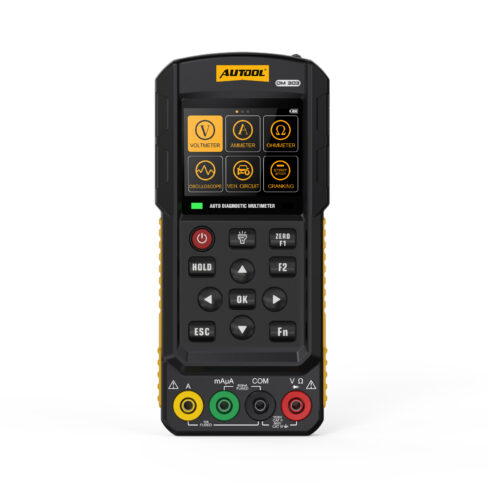

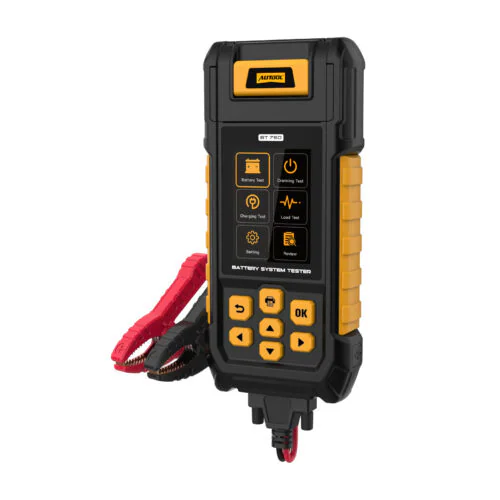
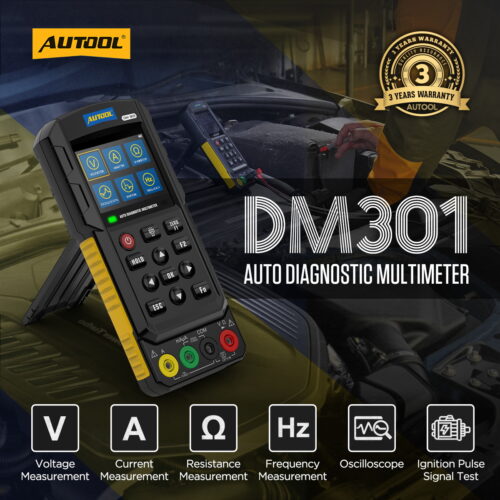
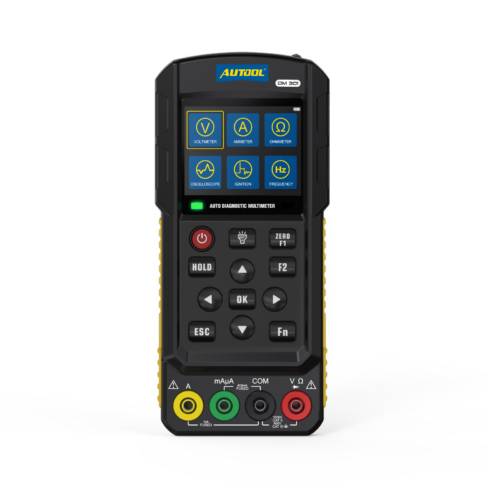
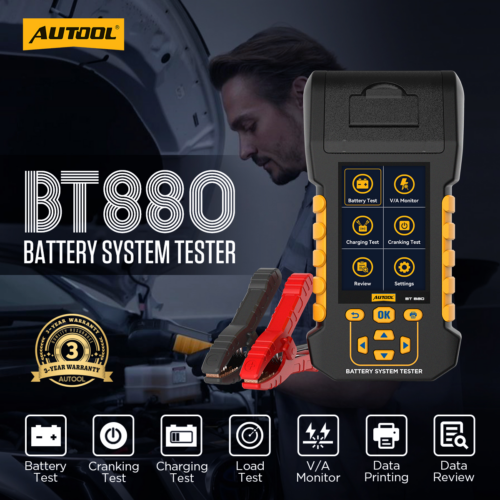
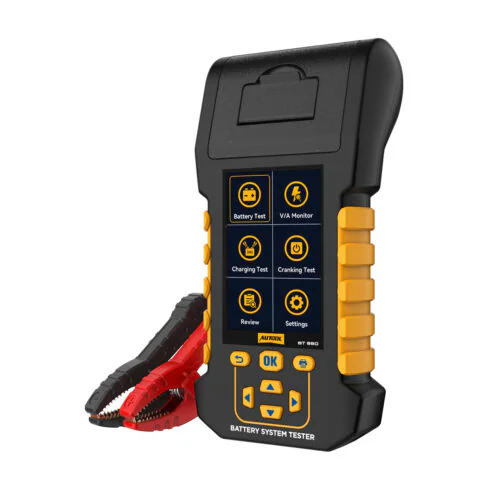
Avant le remplacement
La préparation réduit les risques de courts-circuits, d'incompatibilités de pièces, de perte de données ou d'interruption lors de l'installation.
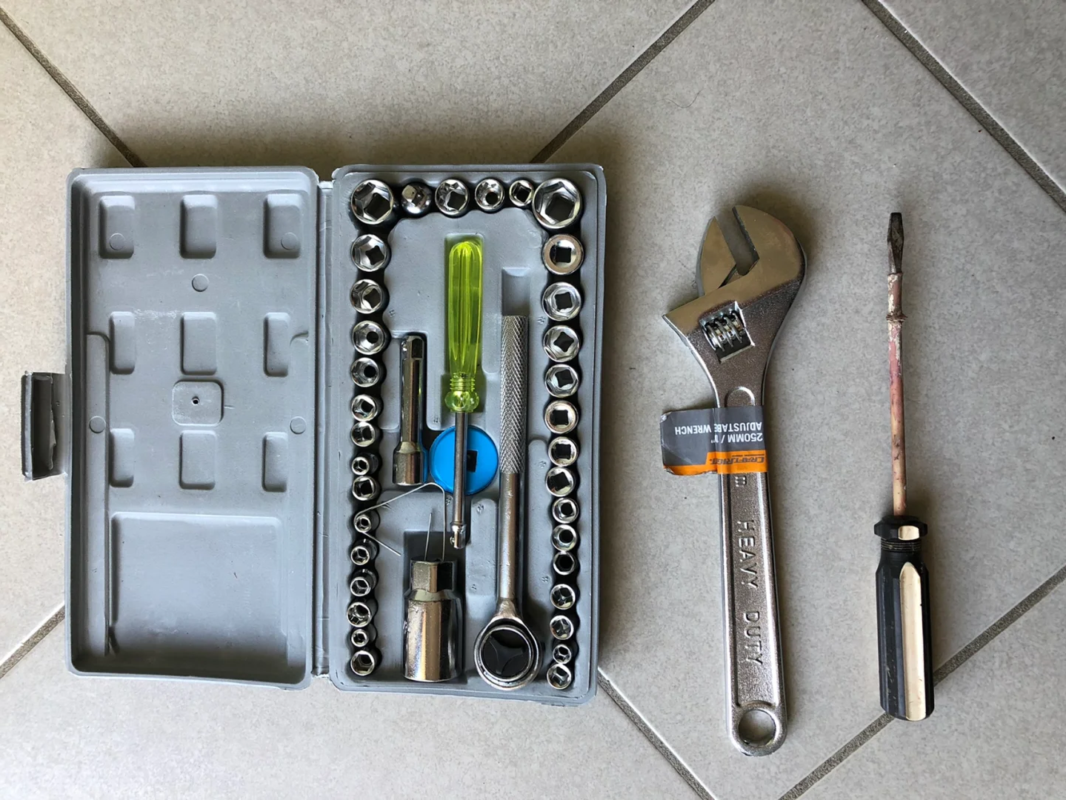
Préparez une clé à douille ou un jeu de clés plates pour retirer les écrous des bornes positive et négative de la batterie. Les dimensions courantes des bornes sont : 8-13 mmmais vous devez vérifier au préalable la taille des bornes de la batterie.
Munissez-vous d'un tournevis plat pour enlever délicatement la corrosion ou la rouille des bornes si nécessaire, et utilisez un chiffon propre pour essuyer la poussière ou la saleté de la surface de la batterie.
Vérifiez l'étiquette de l'ancienne batterie pour connaître son modèle, par exemple : 55D23L ou 6-QW-60La nouvelle batterie doit correspondre au modèle et aux dimensions physiques requis pour s'adapter correctement.
Vérifiez la capacité nominale, mesurée en Ah, par exemple : 60 AhLa nouvelle batterie doit avoir une capacité égale ou supérieure. Une capacité inférieure peut entraîner une faible puissance de démarrage.
La plupart des véhicules à essence utilisent 12V Les batteries, et la plupart des batteries auxiliaires des véhicules hybrides, sont également de 12 V. N'achetez pas par erreur une batterie de camion de 24 V.
Le remplacement d'une batterie implique des systèmes électriques et des matériaux chimiques ; une préparation adéquate en matière de sécurité est donc essentielle.
Portez des gants isolants pour éviter tout risque d'électrocution lorsque vous touchez les bornes. Si la batterie usagée fuit, portez des lunettes de sécurité pour vous protéger les yeux des projections d'électrolyte.
Assurez-vous que le véhicule est complètement éteint, que la clé est retirée et que tous les systèmes électriques sont hors tension. Cela permet d'éviter les courts-circuits lors de l'inspection et du remplacement.
Certains véhicules perdent les données enregistrées en cas de coupure de courant. Si votre voiture ne conserve pas automatiquement les fonctions de mémorisation, enregistrez les stations de radio préréglées, les positions des sièges et les réglages des vitres électriques.
En option, vous pouvez utiliser un dispositif d'alimentation de secours via le port OBD ou directement aux bornes de la batterie si vous craignez une perte de données de l'ECU ou l'allumage de voyants d'avertissement après une coupure de courant.
Étapes de remplacement
Respectez scrupuleusement l'ordre des câbles. Débrancher et rebrancher les bornes dans le bon ordre permet de réduire les risques de court-circuit.
Coupez complètement le contact, retirez la clé ou coupez l'alimentation électrique, puis serrez le frein de stationnement. Portez des gants isolants avant de toucher les bornes.
Vérifiez si la batterie usagée présente des fuites. Si c'est le cas, portez des lunettes de protection pour éviter tout contact de l'électrolyte avec la peau ou les yeux. Ouvrez le capot, repérez la batterie, vérifiez la polarité (positif/négatif) et nettoyez la zone environnante pour avoir suffisamment d'espace pour travailler.
Débranchez d'abord la borne négative : Utilisez une clé pour desserrer l'écrou de la borne négative. Après avoir retiré le câble, enveloppez son extrémité avec un chiffon propre afin d'éviter tout contact accidentel avec la borne positive ou les pièces métalliques.
Débranchez ensuite la borne positive : Desserrez l'écrou de la borne positive et retirez le câble avec précaution, en le tenant éloigné des surfaces métalliques.
Retirez la pince de maintien : Desserrez le support de fixation, puis retirez l'ancienne batterie à deux mains. Les batteries de voiture pèsent généralement [poids manquant]. 10-15 kilogrammesSoulevez donc les meubles progressivement pour éviter les blessures.
Comparez l'ancienne et la nouvelle batterie pour confirmer le modèle et la disposition des bornes. Placez la nouvelle batterie en toute sécurité dans son logement, en alignant la borne positive avec le câble positif et la borne négative avec le câble négatif.
Réinstallez le support de fixation et serrez-le fermement afin que la batterie ne bouge pas lorsque le véhicule est en mouvement.
Rebranchez d'abord la borne positive, puis la borne négative. Serrez les écrous fermement sans endommager le filetage, puis tirez doucement sur chaque câble pour vérifier que la connexion est bien fixée.
Après le remplacement de la batterie, fermez le capot et démarrez le moteur. Observez le tableau de bord. Si le voyant de la batterie s'éteint comme d'habitude, l'installation a réussi.
Testez les principaux composants électriques tels que les phares, le système d'infodivertissement et les vitres électriques. Si aucune alimentation de secours externe n'a été utilisée, réinitialisez l'horloge, les stations de radio préréglées et les préférences enregistrées. Sur certains modèles, il peut être nécessaire de réinitialiser la fonction d'ouverture/fermeture automatique des vitres en maintenant enfoncé le bouton de remontée des vitres pendant environ… 3 secondes en première position.
Une inspection finale ou un test de la batterie de voiture permet de confirmer que la nouvelle unité fonctionne correctement.
Résumé
En combinant inspection visuelle, tests fonctionnels et mesures professionnelles, vous pouvez déterminer si un remplacement de la batterie est nécessaire avant qu'une panne de démarrage ne laisse le véhicule immobilisé.
Lorsque vous remplacez vous-même la batterie, préparez les outils appropriés, vérifiez la compatibilité des spécifications, protégez-vous des risques électriques et chimiques et notez les réglages du véhicule qui pourraient être perdus en cas de coupure de courant.
Contact AUTOOL
Pour toute question concernant les testeurs de batterie de voiture, les testeurs de circuit ou les outils d'entretien, veuillez nous contacter. AUTOOL par WhatsApp ou par e-mail.
Produits associés
Rendu via le shortcode produit WooCommerce afin que les cartes héritent de la structure de carte produit utilisée par la mise en page de l'article de référence.