Sin categoría
¿El coche se desvía hacia un lado? ¡Puede que no sean los neumáticos!

junio 16, 2025
Compartir:
 autoolstore.com
Si su coche se desvía hacia un lado y la dirección se siente rígida, una posible causa puede ser la desalineación de las ruedas. La desalineación puede provocar desgaste irregular de los neumáticos, aumentar el riesgo de daños o reventones y hacer que la conducción a alta velocidad sea menos estable.
Sin embargo, los neumáticos no son la única razón por la que un vehículo puede desviarse a la izquierda o a la derecha. La deformación del chasis, el desgaste del sistema de dirección, problemas en los amortiguadores, desgaste de la suspensión, frenos que rozan e incluso la inclinación de la carretera pueden crear una sensación similar. Un buen diagnóstico debe revisar todo el vehículo en lugar de asumir que la alineación de las cuatro ruedas por sí sola resolverá todos los problemas de desviación.
La desviación del vehículo, a menudo descrita como que el coche “se sale de la carretera” o tira hacia un lado, ocurre cuando el coche se desplaza por sí solo hacia la izquierda o la derecha al circular a velocidad constante por una carretera plana, recta, seca y limpia después de que el conductor suelta el volante.
En esta situación, la línea entre los ejes delantero y trasero no coincide con la trayectoria real del coche. Debido a diferencias de diseño y fabricación, ningún coche puede evitar por completo una pequeña desviación. En general, si un coche se desvía más de 5 metros en una distancia de 1.000 metros, puede considerarse un problema de tirón o desviación que necesita diagnóstico.
El vehículo se desvía hacia la izquierda o la derecha incluso cuando la carretera está plana y se suelta el volante.
Muchos conductores sospechan primero de los neumáticos, la presión de los neumáticos o la alineación de las ruedas.
La dirección, la suspensión, los amortiguadores, los frenos y el estado del chasis también pueden estar implicados.
Encuentra la causa real de la desviación antes de sustituir piezas o realizar alineaciones repetidamente.
La mayoría piensa que los problemas de neumáticos son la causa principal de que un coche tire hacia un lado. Una presión desigual o un desgaste irregular de la banda de rodadura pueden causarlo, pero fallos ocultos pueden producir el mismo síntoma y hacer que el coche se desvíe de su trayectoria.
Una causa habitual de desalineación ocurre cuando una reparación tras un choque no devuelve completamente el chasis del vehículo a su estado original.
Las piezas de unión desgastadas, una holgura excesiva, rodamientos desgastados, pasadores principales o casquillos pueden afectar a la conducción en línea recta y hacer que el coche se desvíe de su trayectoria normal.
Si el muelle del amortiguador delantero está deformado o la amortiguación en ambos lados es irregular, el vehículo puede quedar y reaccionar de forma desigual. Esto puede evaluarse presionando o comparando el muelle después del desmontaje.
Cuando falla un amortiguador delantero, un lado de la suspensión puede quedar más alto que el otro, provocando una fuerza desigual y desviación del vehículo. Un comprobador especial o una prueba por estiramiento tras desmontarlo pueden ayudar a evaluar su estado.
Si el chasis en conjunto se deforma y la diferencia entre ambos lados de la distancia entre ejes supera el rango permitido, puede medirse con una cinta métrica y corregirse en una bancada de enderezado o repararse sustituyendo las piezas dañadas.
Algunas carreteras son más altas en el centro y más bajas en ambos lados. Este bombeo de la calzada puede hacer que el coche parezca tirar hacia la derecha aunque el vehículo esté en buen estado.
Un mal retorno del freno puede aumentar la resistencia de rodadura en una rueda. Si un cubo de rueda está mucho más caliente que los demás después de conducir, se deben inspeccionar y reparar los frenos.
El desgaste de las piezas del chasis y la suspensión puede crear holguras anormales. Las rótulas de las barras de dirección y los casquillos de goma de la barra estabilizadora son zonas habituales donde puede aparecer una holgura excesiva.
Antes de asumir que el vehículo necesita alineación, realiza una sencilla comprobación en carretera. El objetivo es distinguir los problemas de presión de los neumáticos, los problemas de centrado del volante y los síntomas reales de alineación de las cuatro ruedas.
Asegúrate de que los cuatro neumáticos tengan la presión adecuada antes de evaluar el estado de la dirección o la alineación.
En una carretera recta y llana, el volante debe estar centrado y el coche debe circular en línea recta.
Si el coche circula recto pero el volante está descentrado, no se trata necesariamente de un problema de alineación de ruedas. Puede que solo sea necesario ajustar el varillaje de la dirección.
Si el coche se desvía hacia un lado y debe corregir el volante para mantenerse recto, es más probable que sea un problema de alineación de las cuatro ruedas o relacionado con el chasis.
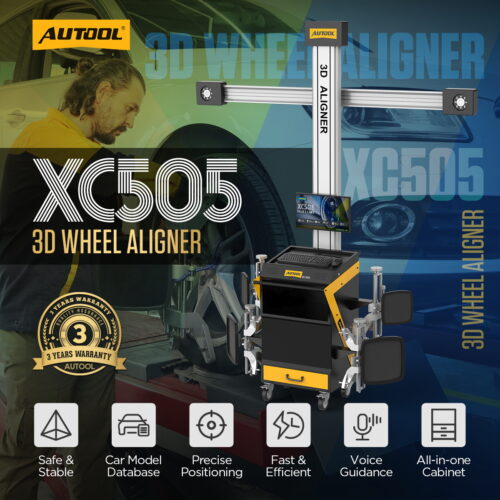
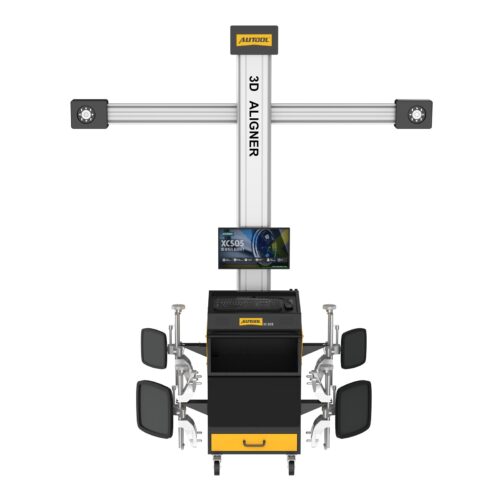
La alineación de las cuatro ruedas es importante, pero no es una solución universal. Si el vehículo se desvía por un bastidor doblado, componentes de dirección desgastados, arrastre de frenos, amortiguadores dañados o piezas de suspensión deterioradas, la alineación por sí sola puede no dar un buen resultado.
| Hallazgo | Significado probable | Comprobación recomendada |
|---|---|---|
| Presión de neumáticos o dibujo irregular | El estado de los neumáticos puede estar causando el desvío. | Primero corrija la presión e inspeccione el desgaste de los neumáticos. |
| Volante descentrado, pero el vehículo circula recto | El varillaje de dirección puede necesitar ajuste. | Compruebe el centrado del volante y la posición del varillaje. |
| El vehículo se desvía y el conductor debe corregir el volante para mantenerse recto | La alineación o la geometría del chasis pueden ser incorrectas. | Realice una inspección completa de la alineación de las cuatro ruedas. |
| Un buje de rueda está mucho más caliente que los demás | El arrastre de frenos puede estar aumentando la resistencia en un lado. | Inspeccione el retorno de freno y los componentes del sistema de frenos. |
| El vehículo sufrió un accidente anteriormente | Puede quedar deformación del bastidor o de la carrocería después de la reparación. | Mida la diferencia de batalla e inspeccione el estado del bastidor. |
| Las piezas de suspensión presentan holgura o separación anormal | Las piezas envejecidas del chasis pueden estar causando una trayectoria inestable. | Revise rótulas, bujes, manguitos estabilizadores y amortiguadores. |
En resumen, la alineación de las cuatro ruedas no lo soluciona todo. En algunos casos, el efecto de la alineación no es bueno porque el problema real está en otra parte. Deben considerarse la presión de los neumáticos, las piezas de dirección, los amortiguadores, el estado del bastidor, el retorno de freno, el desgaste de la suspensión y la pendiente de la carretera.
Cuando un coche se desvía hacia un lado, lo mejor es analizar el síntoma desde varios ángulos, confirmar la causa real y después elegir la reparación o el procedimiento de alineación adecuados.
Productos relacionados
Renderizado mediante el shortcode de producto de WooCommerce para que las tarjetas hereden la estructura product-card de estilo 67682.