Informace o opravách
Možná budete potřebovat kontrolu chladiva klimatizace!

16 května, 2025
Podíl:
 autoolstore.com
Chladivo klimatizace, někdy nazývané chladicí kapalina nebo freon, může časem unikat nebo se zhoršovat. Když k tomu dojde, sníží se výkon klimatizace, může se zvýšit hluk, může selhat chlazení a kompresor se může přehřát nebo poškodit.
Tento problém se stává obzvláště patrným s přechodem jara do léta, kdy mnoho řidičů začíná věnovat pozornost výměně chladiva. Důležité není měnit chladivo podle pevně stanoveného sezónního harmonogramu, ale pochopit, kdy je skutečně potřeba ho zkontrolovat a jak s ním správně zacházet.
Chcete-li zjistit, zda má klimatizace vašeho vozu nedostatek chladiva, můžete se podívat na několik běžných příznaků. Tyto kontroly vám pomohou rozhodnout, zda systém skutečně potřebuje pozornost, než naplánujete doplnění.
Pokud klimatizace již nechladí efektivně, může být součástí problému nízká hladina chladiva.
Některá vozidla jsou vybavena systémem sledování tlaku chladiva, který spustí varování, když je hladina nízká.
Olejové skvrny, námraza nebo jiné viditelné známky kolem potrubí klimatizace mohou naznačovat únik chladiva.
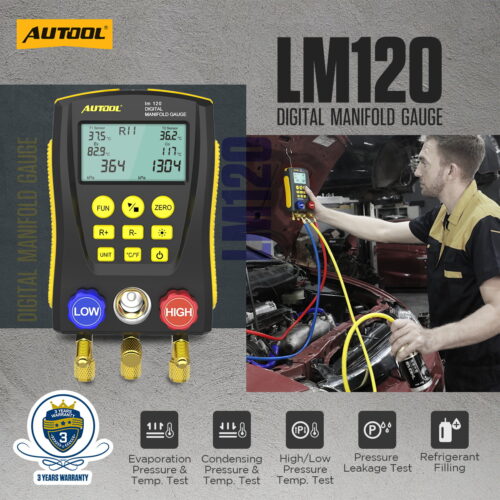
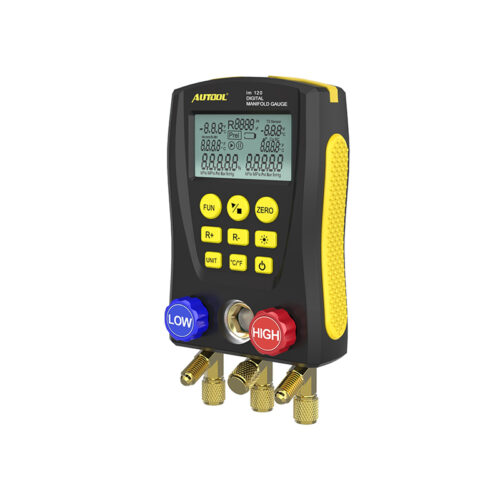
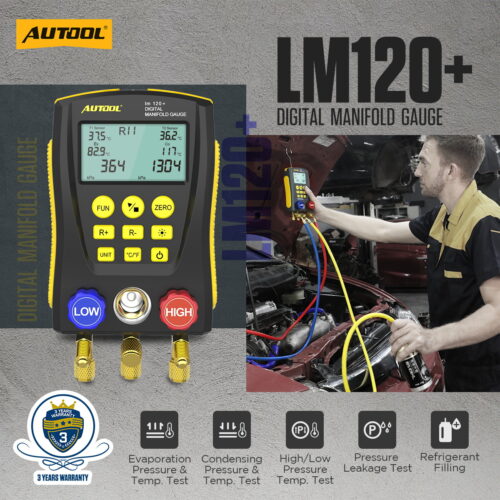
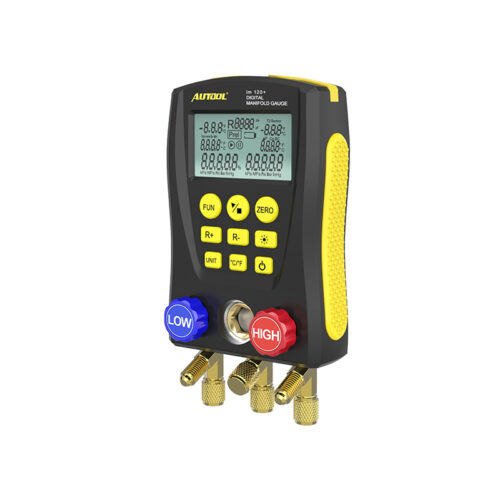
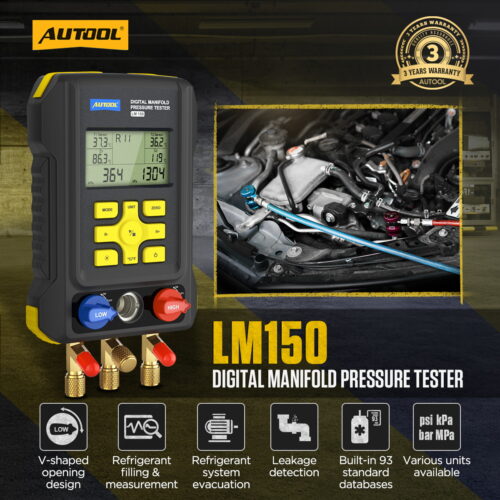
Pro přesnější kontrolu systému použijte v případě potřeby detektor úniku chladiva nebo elektronickou váhu.
Pro chladivo v automobilu neexistuje žádný pevný cyklus výměny. Řidiči by měli posoudit stav chladiva na základě toho, jak je vůz používán a jak dobře klimatizace chladí.
Pokud systém nechladí efektivně, zkontrolujte, zda je příčinou nízká hladina chladiva, a doplňte jej pouze v případě potřeby. Při správné údržbě a běžných jízdních návycích nebude mnoho řidičů muset chladivo doplňovat po dobu tří až čtyř let.
Zvláštní opatření: Chladivo by se nikdy nemělo dotýkat kůže přímo a plnění by se nemělo provádět uvnitř vozidla ani v uzavřených prostorách.
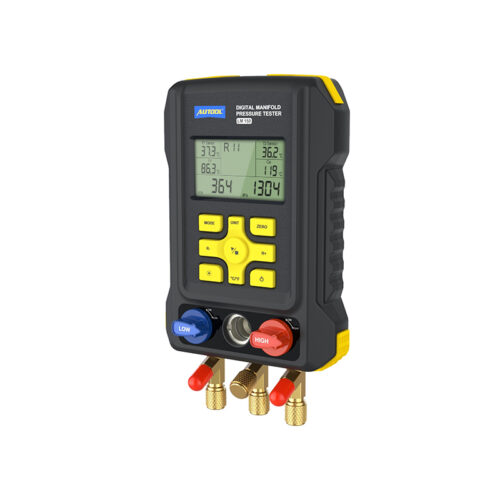
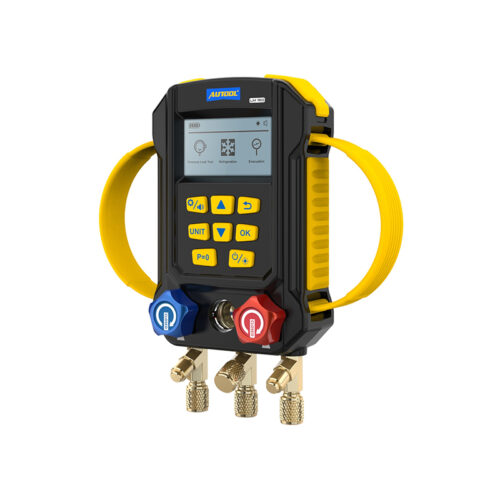
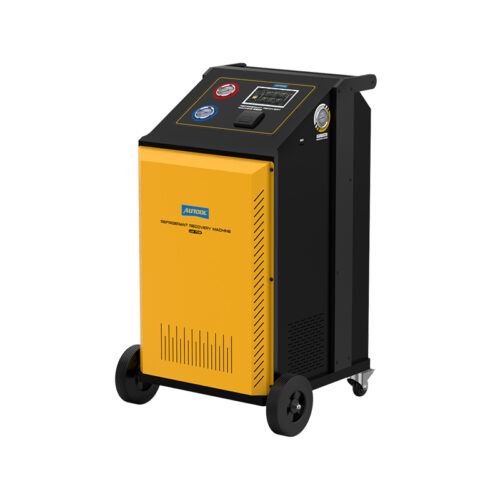
Pokud máte jakékoli obavy ohledně výměny chladiva, nejbezpečnějším přístupem je nejprve zkontrolovat systém, opravit případné netěsnosti a použít správné zařízení pro odsávání a plnění. Tím se zabrání dočasným opravám a ochrání se kompresor a další komponenty.
Pokud potřebujete podporu, využijte raději oficiální servisní kanály než staré kontaktní cesty. Správná diagnostika a pečlivé nabíjení udržují chladicí systém stabilní a pomáhají vozidlu fungovat dle očekávání i v horkém počasí.
Související produkty
Vykresleno pomocí shortcodu produktu WooCommerce, takže karty dědí globální strukturu produktových karet a styly Blocksy/WooCommerce.