Съвети и уроци
Функция и поддръжка на автомобилната система за окачване

юли 29, 2021
Споделяне:
 autoolstore.com
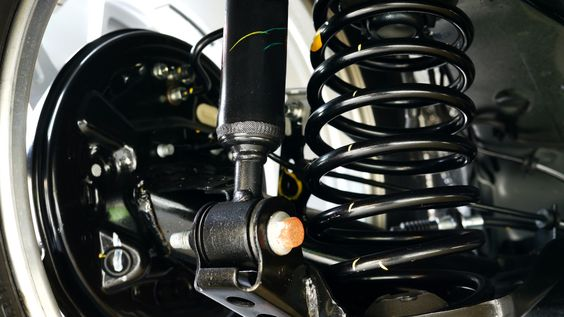
Системата за окачване е опорната система между каросерията на превозното средство и гумите. Тя се състои от пружини, амортисьори и свързани механични компоненти, които поддържат каросерията, абсорбират вибрациите и подобряват усещането при возене.
Различните настройки на окачването предоставят на водачите различно изживяване при шофиране. Една семпла на вид система за окачване всъщност интегрира много сили и пряко влияе върху стабилността, комфорта и безопасността на автомобила. Ето защо окачването е един от най-важните компоненти в съвременните автомобили.
Принцип на работа
Системата за окачване съществува по две причини: да изолира неравностите на пътя, за да направи шофирането по-комфортно, и да поддържа гумите в контакт с пътя, когато превозното средство се движи по неравни повърхности. За шофьорите, фокусирани върху управлението, подобряването на окачването има една ясна цел: да подобри контрола.
Пружините на окачването най-често са винтови пружини, защото са лесни за производство, ефективни и евтини. Във физиката пружината съхранява енергия. Когато към пружината се приложи фиксирана сила, тя се деформира. Когато силата бъде премахната, пружината се стреми да се върне в първоначалното си състояние.
Когато обаче пружината се отдръпне, амплитудата на трептене може да надвиши първоначалната си дължина. Съпротивлението на триене и амортисьорът забавят свободното трептене на пружината. Ето защо амортисьорът е от съществено значение: той контролира движението на пружината след удара.
Типичната пружина е линейна пружина. Това означава, че степента на компресия и деформация под действието на сила следва закона на Хук: F=KX, където F е приложената сила, K е коефициентът на еластичност, а X е деформацията. Например, ако линейна пружина, носеща 40 кг компресира с 1 см, всеки допълнителни 40 кг тегло ще увеличи компресията с още 1 см.
В реалните условия на експлоатация на превозното средство, пружините на окачването са изложени на повече от просто вертикално натоварване. Дори когато пружината е напълно разтегната, тя остава под налягане, така че да остане на мястото си върху автомобила. При конвенционалната конструкция на окачването с пружини и амортисьори, пружината поддържа каросерията и абсорбира ударите от неравни пътища, както и силите от ускорение, забавяне, спиране и завиване.
Най-важното е да се поддържа постоянен контакт на гумата с пътя, докато вибрациите се контролират. Подобряването на контакта между гумите и пътя е основно съображение, когато се опитвате да подобрите управлението.
Ролята на пружините
Основните функции на пружините са да поддържат комфорта на превозното средство и да поддържат гумите в пълен контакт със земята. Използването на грешни пружини може да повлияе негативно както на качеството на шофиране, така и на управлението.
Ако пружините са напълно твърди, системата за окачване няма да работи правилно. Твърдата настройка на пружините може едновременно да намали комфорта и управлението. Когато колата прескача по неравна повърхност, гумите могат да се откъснат от земята. Ако това се случи по време на ускорение, спиране или завиване, колата губи сцепление.
Ако пружините са твърде меки, окачването може да достигне дъното, което означава, че ходът му се изчерпва. Ако достигне дъното по време на завиване, коефициентът на пружиниране на практика става безкраен, защото няма място за компресия. Незабавното прехвърляне на теглото може да доведе до загуба на сцепление.
Дългият ход на амортисьора може да помогне да се избегне достигане на дъното, но каросерията става по-висока. Високата каросерия означава по-висок център на тежестта, а по-високият център на тежестта има решаващо влияние върху управляемостта. Поради тази причина, твърде меките амортисьори могат да създадат пречки при управлението.
Ако пътят е абсолютно равен, пружини и окачване няма да са необходими. Когато пътищата са по-неравни, са необходими по-меки пружини, за да се помогне на гумите да останат в контакт с пътя, а ходът на пружините трябва да се увеличи. Неравностите на пътя определят твърдостта на пружините, но колко мека трябва да бъде пружината е критичен въпрос, който често изисква опит от производителите на автомобили и състезателните отбори.
Обикновено по-меките пружини осигуряват по-добър комфорт и по-добро сцепление върху неравни пътища. Те обаче могат да накарат окачването да се люлее повече нагоре и надолу по нормални пътища, което влияе на управлението. При превозни средства със силни аеродинамични компоненти, меките пружини могат също да причинят промени във височината при висока скорост, което води до различни характеристики на управление при ниски и високи скорости.
Пружините имат две основни функции: те омекотяват окачването или шасито от земята, за да поддържат комфорт, и помагат гумите да се задържат на земята, когато автомобилът се движи по неравни повърхности. Тези цели могат да си противоречат, така че може да са необходими различни коефициенти на еластичност.
Един от начините за балансиране на тези цели е използването на пружини със сложен коефициент на пружиниране, известни още като прогресивни пружини. Прогресивните пружини увеличават коефициента на пружинна сила при свиване. Те са трудни за проектиране и производство, но могат да комбинират първоначална мекота с по-силна устойчивост на натиск.
На неравни пътища, първоначално по-меката пружина подобрява сцеплението на гумите. С увеличаване на компресията, нарастващият коефициент на еластичност помага за поддържане на стабилността на каросерията и предотвратява достигането на дъното на окачването или пружината. Това може да позволи на пружина с по-ниска височина да намали центъра на тежестта, като същевременно поддържа къс ход на окачването, без достигане на дъното.
За да се създаде прогресивна пружина, коефициентът на еластичност трябва да се променя с компресията. Много прогресивни пружини използват пружини с неравномерен стъпка или пружини с различни диаметри. Когато пружина с неравномерен стъпка се компресира, част от намотките влизат в контакт, променяйки ефективния брой навивки и коефициента на еластичност K. Друг директен начин за промяна на коефициента на еластичност е чрез промяна на диаметъра на горната и долната намотка.
Модификация на пружината
Основната цел на модификацията на пружините е да се подобри управлението, обикновено чрез използване на по-твърди или по-къси пружини. Пружините контролират много фактори, свързани с управлението, така че промените в пружините могат да създадат сложни промени в поведението на автомобила.
Увеличаването на твърдостта може да подобри способността на окачването да се съпротивлява на накланяне и да намали накланянето на каросерията по време на завиване. Намаляването на височината на возене понижава центъра на тежестта, намалява пренасянето на теглото по време на завиване и може да подобри стабилността. По-ниската височина може също да създаде желания естетически ефект.
В същото време, модификацията на пружините не трябва да се третира като обикновена визуална промяна. Тъй като пружините влияят върху комфорта, сцеплението, хода на окачването, поведението при достигане на дъното и контакта на гумите с пътната настилка, всяка промяна трябва да отчита пътната среда на превозното средство и действителната му употреба.
Отстраняване на неизправности
Едно често срещано явление при повреда е, че когато колата се движи и вибрира нагоре и надолу, окачването издава кудкудякващ или тропащ звук. Това обикновено показва, че окачването не работи правилно, особено когато звукът се усилва по неравни пътища.
Нормалният амортисьор ще бъде горещ, когато работи. Ако не се нагрее или ако се установи теч на масло, амортисьорът може да е повреден. По време на проверката проверете и състоянието на втулката на амортисьора. Ако втулката е счупена, тя трябва да се смени заедно с амортисьора навреме.
Системата за окачване е разположена между колелата и каросерията на автомобила. Тя носи каросерията и абсорбира вибрациите, за да осигури комфорт при возене. Тя също така влияе върху проходимостта, стабилността и сцеплението. Системата включва амортисьори, пружини, стабилизиращи щанги, мотовилки и други механични компоненти.
Ако каросерията се наклони твърде много по време на рязък завой, компонентите на амортисьора, стабилизиращата щанга или направляващия механизъм може да са повредени. Тези симптоми трябва да се проверяват, а не да се игнорират, тъй като състоянието на окачването пряко влияе върху плавността и стабилността на автомобила.
Автомобилната система за окачване е повече от набор от пружини и амортисьори. Тя поддържа каросерията, абсорбира ударите от пътя, държи гумите свързани със земята и влияе върху комфорта, стабилността, проходимостта, сцеплението и управлението.
Разбирането на твърдостта на пружините, прогресивното поведение на пружините, състоянието на амортисьорите, необичайните звуци и свързаните с тях проверки на спирачките улеснява ранното идентифициране на проблеми и поддържането на по-безопасно поведение на превозното средство на реални пътища.
Свързани продукти
Рендира се чрез продуктов шорткод на WooCommerce, така че картите наследяват структурата на продуктовата карта, използвана от стила на референтната публикация.