اتجاهات التكنولوجيا
ما هو مصباح زينون الأمامي؟

يوليو 23, 2021
يشارك:
 autoolstore.com
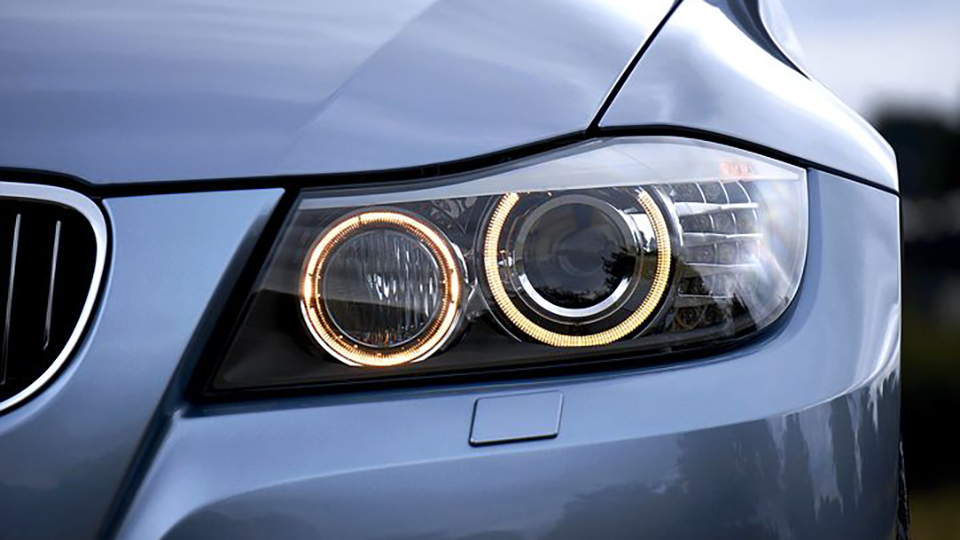
مصباح الزينون، المعروف أيضاً باسم مصباح التفريغ عالي الكثافة (HID)، هو مصباح يعمل بتفريغ الغاز عالي الضغط. يستخدم أنبوباً زجاجياً من الكوارتز البلوري المقاوم للأشعة فوق البنفسجية، مملوءاً بغاز الزينون وغازات خاملة أخرى. من خلال مُعزِّز، يتم رفع جهد مصدر الطاقة في السيارة من 12 فولت إلى 23000 فولت على الفور، مما يسمح لغاز الزينون بالتأين وإنتاج مصدر ضوئي بين قطبيه.
لقد تحسن أداء مصابيح الزينون بشكل ملحوظ مقارنة بمصابيح الهالوجين. فتدفقها الضوئي يزيد عن ضعف تدفق مصابيح الهالوجين، كما زادت كفاءة تحويل الطاقة الكهربائية إلى طاقة ضوئية بأكثر من 70% مقارنة بمصابيح الهالوجين.
مبدأ انبعاث الضوء
الاسم الكامل لمصابيح الزينون الأمامية هو HID، أو مصباح التفريغ عالي الكثافة. تستخدم هذه المصابيح مُحَوِّلًا إلكترونيًا داعمًا يرفع جهد بطارية السيارة (12 فولت) فورًا إلى أكثر من 23 كيلو فولت. يتأين غاز الزينون داخل المصابيح الأمامية مُشكِّلًا قوسًا كهربائيًا، مما يُنتج ضوءًا ثابتًا لنظام إضاءة المصابيح الأمامية للسيارة.
تكسر مصابيح الزينون مبدأ إضاءة فتيل التنجستن الذي اخترعه إديسون. فهي تملأ مصباح الكوارتز بغاز الزينون الخامل عالي الضغط ليحل محل الفتيل التقليدي، وباستخدام مركبات الزئبق والكربون على القطبين، يقوم الصمام بتحفيز غاز الزينون لإصدار الضوء من خلال تيار عالي الجهد يبلغ 23000 فولت، مما يشكل قوسًا أبيض مثاليًا بين القطبين وينتج ضوءًا قريبًا من ضوء الشمس.
المزايا
تتمتع مصابيح الزينون بميزتين هامتين مقارنة بالمصابيح العادية: من ناحية، فهي توفر ثلاثة أضعاف شدة الإضاءة التي توفرها مصابيح الهالوجين العادية مع استهلاك ثلثي الطاقة فقط؛ ومن ناحية أخرى، فهي تستخدم لون ضوء مطابق تقريبًا لضوء النهار، مما يخلق ظروف رؤية أفضل للسائق.
بالمقارنة مع مصابيح LED التي ستُستخدم على نطاق واسع، تتميز مصابيح الزينون بأداء أفضل في تبديد الحرارة. تحتوي مصابيح الهالوجين والمصابيح العادية على فتائل، بينما لا تحتوي مصابيح الزينون على ذلك. يستخدم مصباح الزينون القوس الكهربائي الناتج عن التفريغ بين قطبين كهربائيين لإصدار الضوء، تمامًا مثل ضوء القوس الساطع الذي يُرى في اللحام.
درجة حرارة لون هذا الضوء مشابهة لضوء الشمس، لكنه يحتوي على مكونات خضراء وزرقاء أكثر، لذا يظهر كضوء أبيض مزرق. يُحسّن هذا الضوء الأبيض المزرق بشكل ملحوظ سطوع إشارات المرور واللوحات الإرشادية. يبلغ التدفق الضوئي المنبعث من مصابيح الزينون أكثر من ضعف تدفق مصابيح الهالوجين، بينما تزيد كفاءة تحويل الطاقة الكهربائية إلى طاقة ضوئية بأكثر من 70%. أما تيار التشغيل فهو نصف تيار مصابيح الهالوجين فقط.
كما أن زيادة سطوع الأضواء تعمل بشكل فعال على توسيع نطاق الرؤية أمام السيارة، مما يخلق ظروف قيادة أكثر أمانًا.
مزايا مصابيح الزينون الأمامية
مقارنة شاملة
المنتجات ذات الصلة
يتم عرضها من خلال رمز WooCommerce المختصر للمنتج بحيث ترث البطاقات بنية بطاقة المنتج العالمية وأنماط Blocksy/WooCommerce.