AUTOOL Blogg, Reparationsinformation
Varför bör bromsvätska bytas regelbundet?

april 23, 2025
Dela:
 autoolstore.com
Vad är bromsvätska?
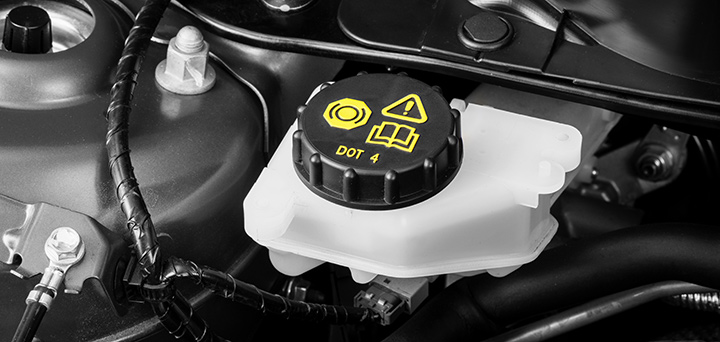
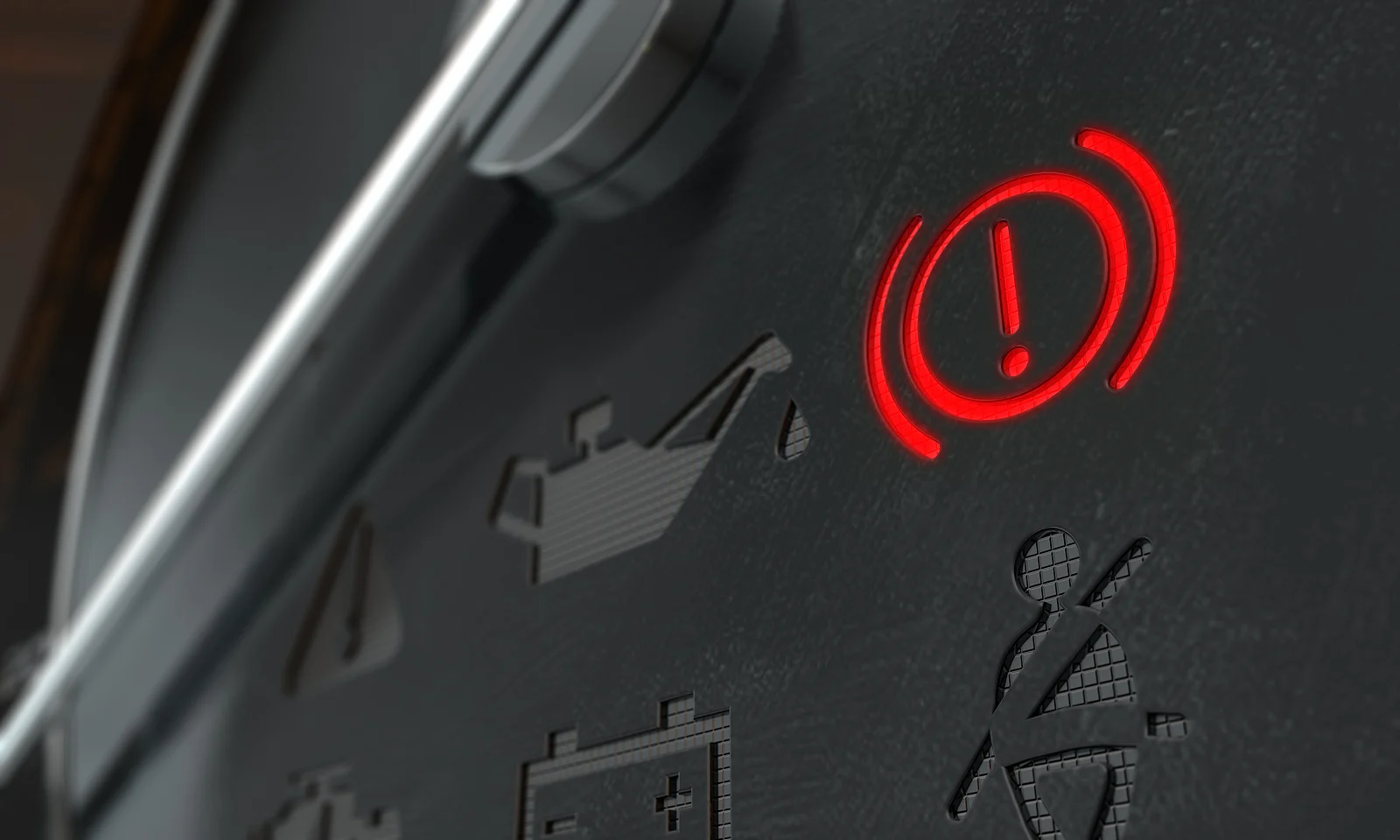
Bromsvätska, även känd som bilbromsvätska eller hydraulisk bromsvätska, är en funktionell vätska som används i ett fordons hydrauliska bromssystem för att överföra tryck och möjliggöra bromsning. Den fungerar enligt hydraulisk princip: när föraren trycker på bromspedalen komprimeras bromsvätskan och skickar tryck genom bromssystemet.
Detta tryck gör att bromsbeläggen trycker mot bromsskivorna, vilket skapar den friktion som behövs för att bromsa eller stanna fordonet. Eftersom vätskan är central i systemet har dess tillstånd en direkt effekt på bromsprestanda och körsäkerhet.
Varför ska bromsvätska bytas regelbundet?
Det finns flera anledningar till varför bromsvätska bör bytas regelbundet. När bromssystemet arbetar under höga temperaturer kan fukt i bromsvätskan förångas och bilda luftbubblor. Om vattenhalten blir för hög kan bromseffektiviteten försämras allvarligt.
Förhindra fuktförångning
Värme kan orsaka att fukt i bromsvätskan förångas, vilket bildar luftbubblor som minskar bromsprestanda.
Bibehåll bromsvätskans renhet och prestanda
Bromsvätska absorberar fukt med tiden och kan bli förorenad eller oxiderad, vilket sänker dess kokpunkt och försvagar bromssystemet.
Säkerställ körsäkerheten
Att inte byta bromsvätska under en längre tid kan minska bromsprestanda och direkt påverka körsäkerheten.
Förhindra oåterkalleliga skador
Att försena bytet kan skada bromssystemet och göra senare reparation svårare och dyrare.
Anpassa till användningsförhållandena
Bytesintervallen beror på bromsvätsketyp, körfrekvens, klimat och resultat av regelbunden inspektion.
När ska bromsvätskan bytas?
Den allmänna rekommendationen är att byta bromsvätska vartannat år eller var 40 000 kilometer. Detta intervall kan dock variera beroende på faktiska användningsförhållanden.
Lyxfordon eller efterfrågade fordon
På vissa fordon kan byte behövas med 1 års intervall eller efter 20 000 kilometer.
Tropiska regioner
Det rekommenderade bytesintervallet kan vara cirka 60 000 kilometer i varmare klimat.
Södra områden
Fordonsägare i södra områden kan behöva byta bromsvätska vart 3:e till 4:e år.
Nordliga områden
Förare i norra regioner bör vanligtvis byta bromsvätska varje 4 till 5 år.
Vilka verktyg används för att byta bromsvätska?
Traditionella bromsvätskeavluftare kräver vanligtvis två personer att använda och innebär en komplex och tidskrävande process. Vanliga traditionella verktyg inkluderar en manuell bromsvätskepump, en tryckbromsvätskeavluftare och en vakuumbromsvätskepump.
Manuell bromsvätskepump
Kräver två personer: en trycker på bromspedalen medan den andra använder en manuell pump för att fylla på ny vätska.
Tryckbromsvätskeavluftare
Fungerar genom att applicera tryck på bromssystemet för att tvinga ut den använda vätskan, vanligtvis med två personer inblandade.
Vakuumbromsvätskepump
Använder en dammsugare för att suga ut använd olja och luft, men det krävs fortfarande två personer för att använda den.
Pulserande bromsvätskeväxlare
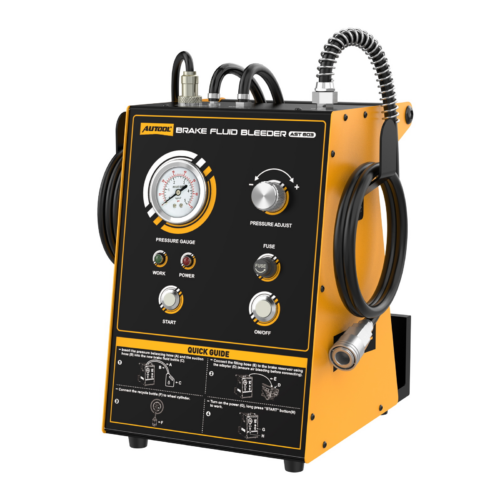
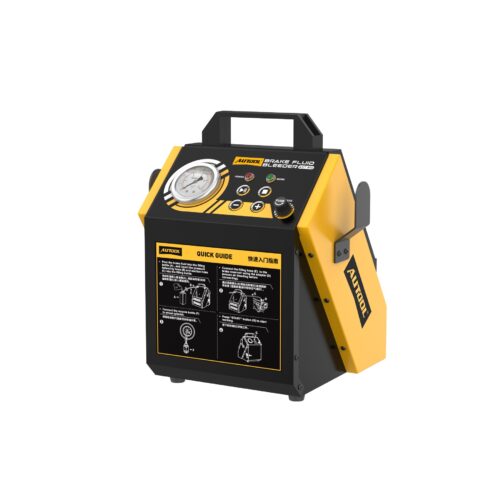
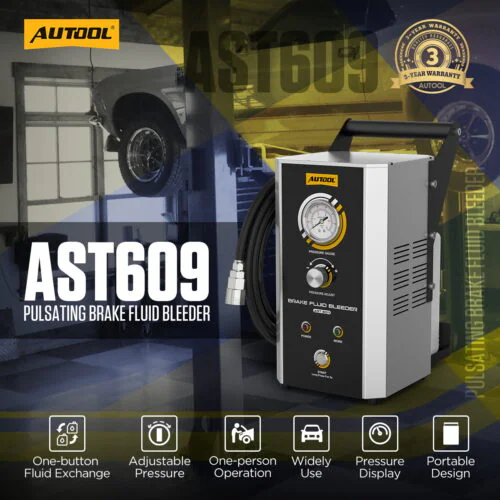
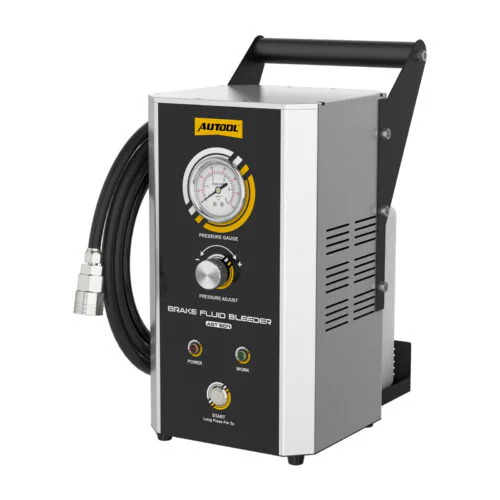
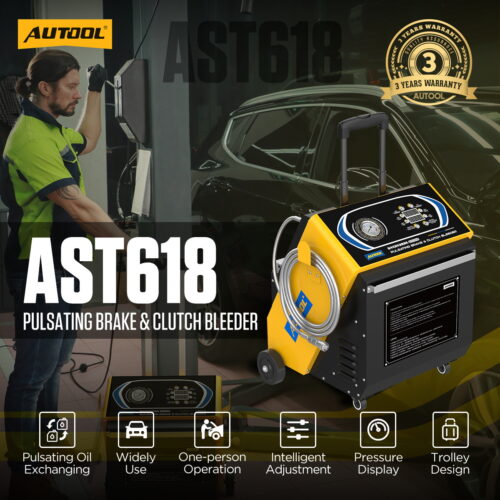
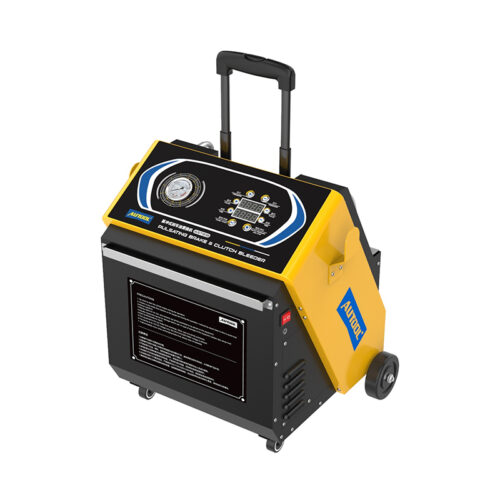
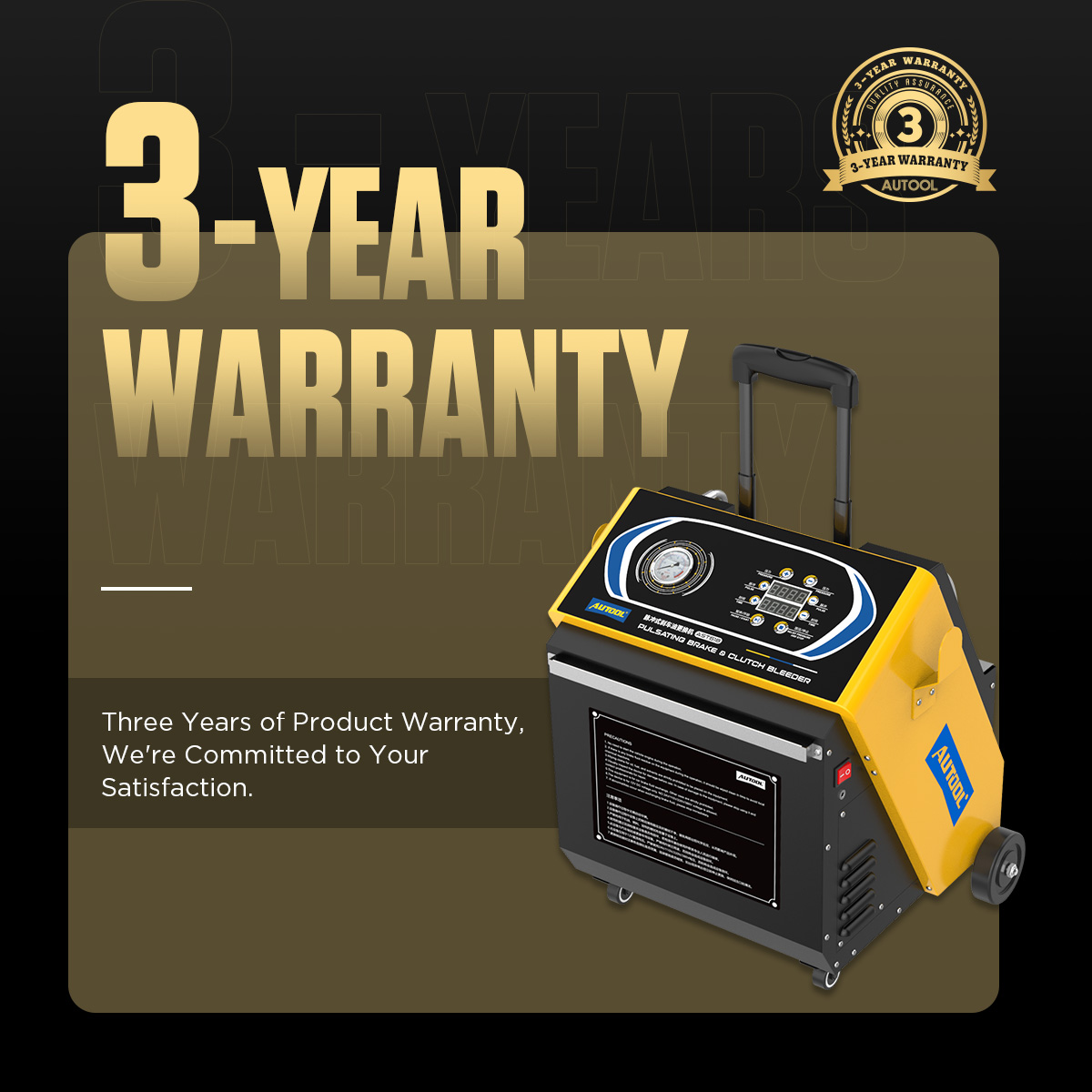
Jämfört med traditionella bromsvätskeavluftare erbjuder den pulserande bromsvätskeväxlaren en mer effektiv och automatiserad lösning. AUTOOL AST603 Pulserande bromsvätskeavluftare är utformad med ett pulserande automatiskt system som gör att en person kan slutföra hela vätskebytesprocessen.
Jämfört med traditionella metoder förbättrar den pulserande bromsoljeavluftaren arbetseffektiviteten, minskar arbetsbehovet och hjälper till att hålla bromssystemet stabilt och säkert. Regelbundet byte av bromsvätska är fortfarande viktigt för körsäkerhet och systemprestanda.
Att välja ett effektivt verktyg gör processen enklare, säkrare och mer tillförlitlig för verkstäder som vill erbjuda en mer professionell bromsvätskeservice.
Behöver du ett effektivare arbetsflöde för att byta bromsvätska?
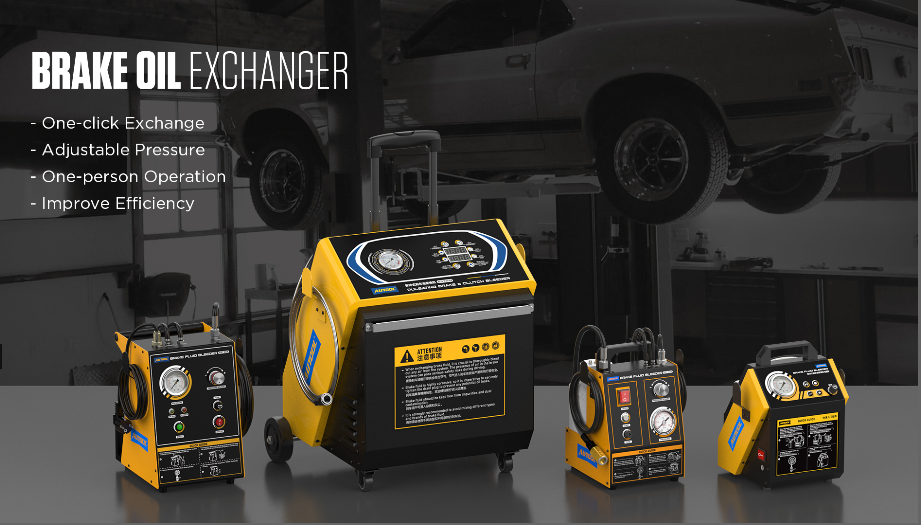
Jämföra AUTOOL bromsvätskeavluftare och testare nedan för att matcha rätt verktyg till din verkstad.
Relaterade produkter
Renderas via WooCommerce-produktens kortkod så att korten ärver den globala produktkortsstrukturen och Blocksy/WooCommerce-stilarna.