AUTOOLautoolstore.com
Šaltinis: https://autoolstore.com/lt/best-automotive-borescope-in-2026-compare-autool-v80-v81-v82-v83-v85-v86/

Is there visible carbon buildup inside the engine? Are there scratches on the cylinder walls? Could foreign objects be hiding in narrow passages? Many automotive inspections start with one simple step: seeing what is actually there. But when components have enclosed cavities or complex internal structures, external inspection often provides limited information, while disassembly adds time and labor. An automotive borescope gives technicians a practical way to look inside hard-to-reach areas and adjust the viewing angle to gather visual evidence.

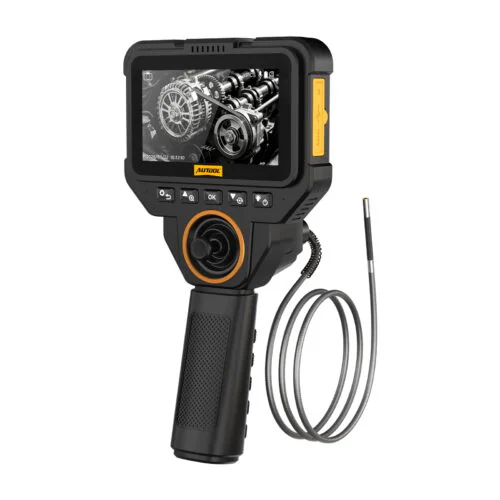
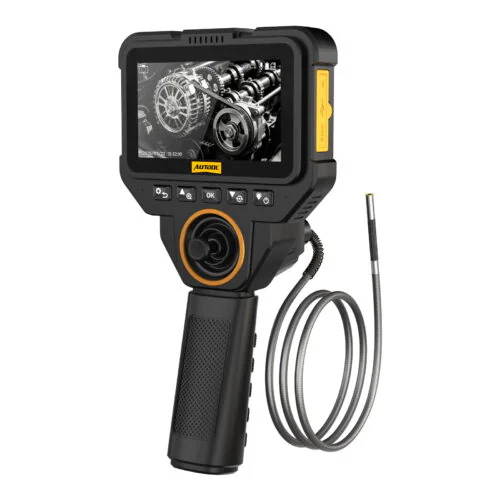
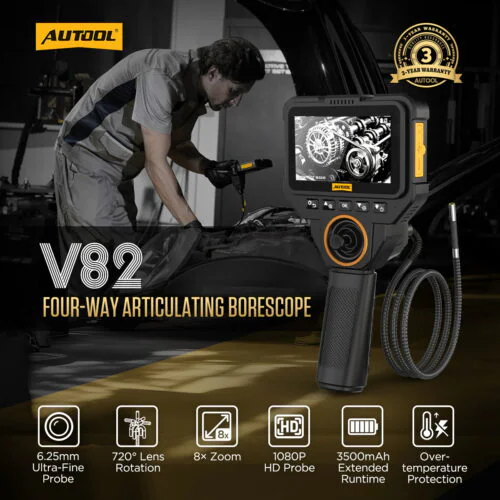
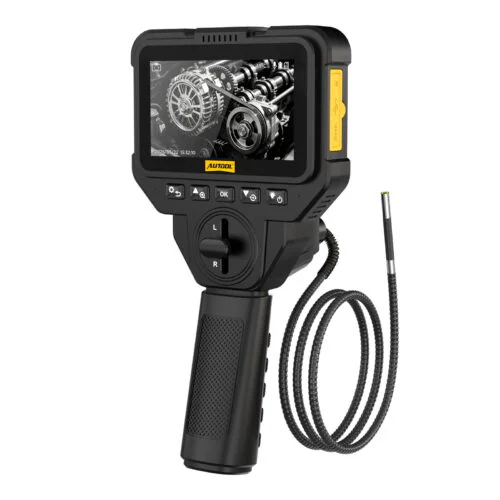
To meet different inspection needs, AUTOOL offers six automotive borescope models: the V80, V81, V82, V83, V85, and V86. With two-way and four-way articulation options and probe diameters ranging from 2.8mm to 6.25mm, the series covers a range of applications. From routine inspections to areas with tighter access, repair shops can choose a tool based on entry size, viewing direction, and imaging requirements.

The value of an automotive borescope lies in targeted inspection. When the access opening and available working space are suitable, technicians can guide the probe into the target area and examine visible deposits, marks, or foreign objects. These observations provide useful reference points for further testing. By combining the images with other diagnostic findings before deciding on repairs, technicians can avoid unnecessary disassembly and follow a more systematic diagnostic process.

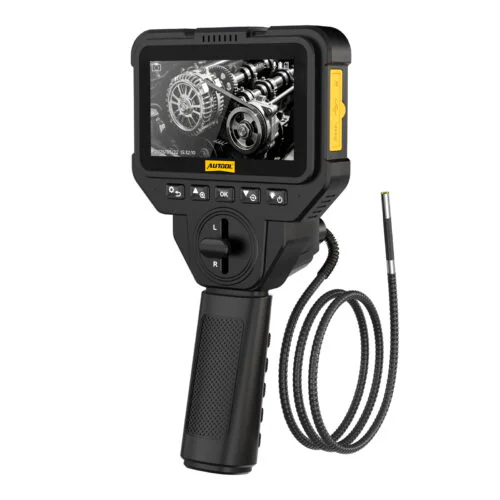
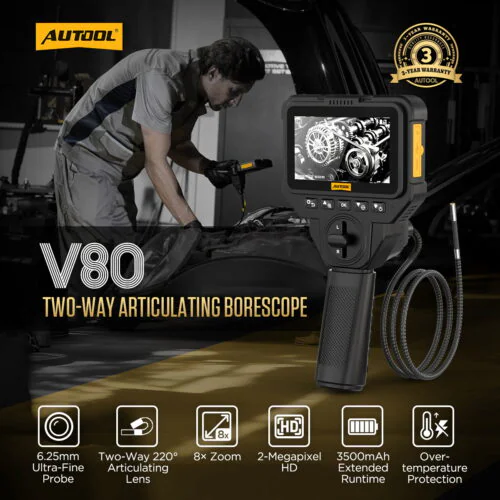
For everyday inspections, the AUTOOL V80 offers a practical combination of features: a 6.25mm probe, two-way articulation, and 1920×1080 imaging. It is a useful starting point for inspections where the access opening is large enough and the viewing direction is relatively straightforward. By adjusting the probe angle, technicians can examine the target area and capture images for further analysis under suitable lighting and viewing-distance conditions.

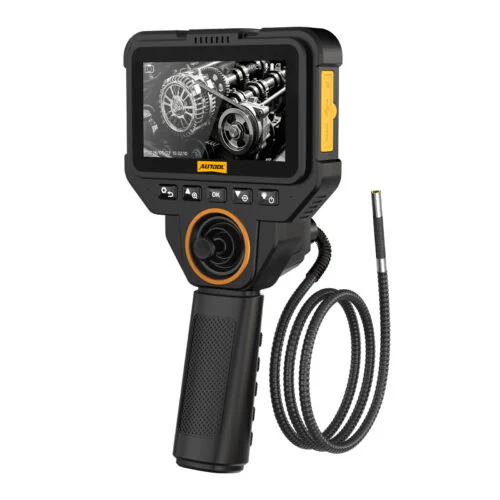
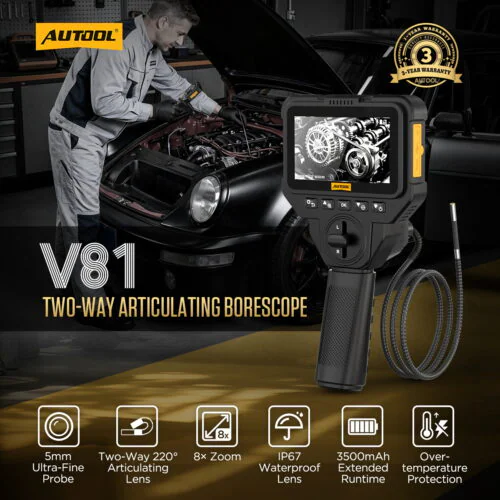
When an inspection requires a smaller probe, the V81 reduces the diameter to 5mm and combines two-way 220°articulation with 1280×720 imaging. This makes it another option for narrower access points. It also features a standalone 4.3-inch screen, allowing technicians to view the live image without connecting a phone. For technicians who move between workstations and need to perform inspections as they go, this all-in-one setup offers a straightforward workflow.

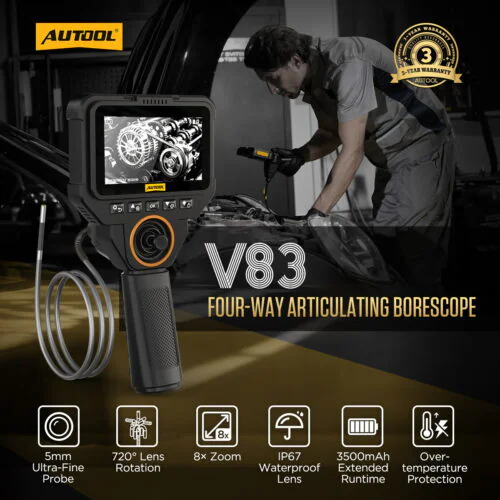
The V83 combines four-way articulation with a 5mm probe, giving users an option that balances a smaller probe diameter with multi-directional viewing. If a 5mm probe can pass through the available opening and the inspection requires frequent changes in viewing direction, the V83 is worth considering. Comparing it with the V81 also helps clarify the choice: both use a 5mm probe, but their articulation capabilities differ.

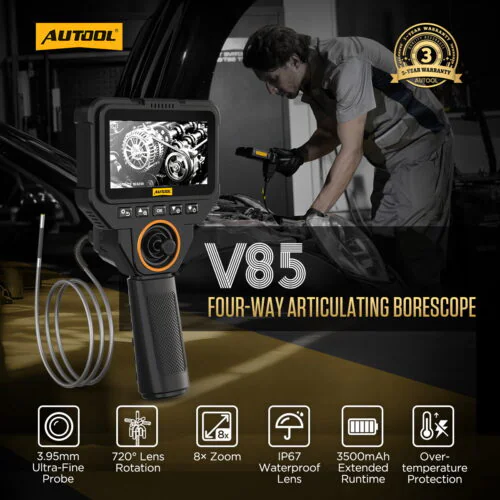
For even narrower inspection paths, the V85 uses a 3.95mm probe while retaining four-way articulation and 1920×1080 imaging. This combination is appealing for repair tasks that require both a slim probe and flexible viewing angles. Adjustable lighting also allows technicians to adapt illumination to the brightness and reflectivity of the inspected surfaces, helping create suitable conditions for examining details.

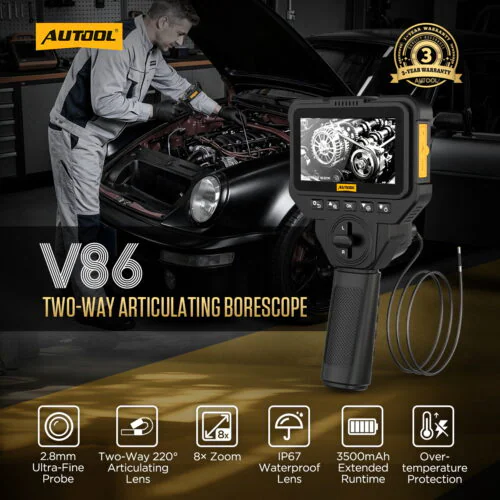
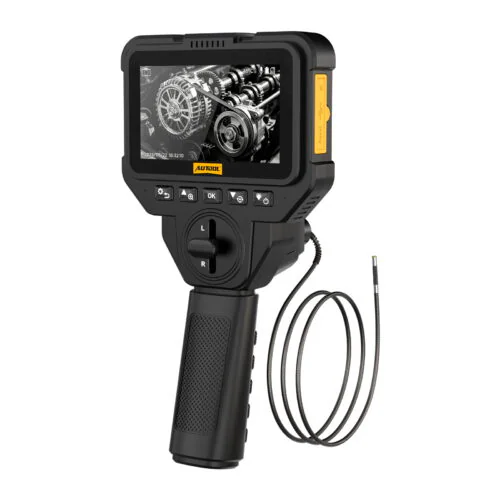
The V86 takes probe size down to 2.8mm, making it the slimmest-probe model in this six-model lineup. It combines two-way 220°articulation with a 4.3-inch screen and photo and video recording. When the size of the access opening is the main limitation, the V86 is an option worth considering. Before use, technicians should still check the probe’s full dimensions, the route through the passage, and the available turning space to confirm that it can reach the target area safely.

Beyond live inspection, image and video recording can also support a repair shop’s service workflow. For example, the V85 supports photo capture, video recording, and playback, making it easier to retain key inspection images. A shop can document visible conditions before and after cleaning or repairs at the same location, then save the images alongside the work order and inspection notes for future reference.

These records can also make customer communication more effective. When explaining a finding to a vehicle owner, showing a photo of the relevant area helps clarify what the technician observed, why further testing may be recommended, and how the proposed repair is supported by the findings. Combining clear visual evidence with a professional explanation can make the service process more transparent.

How should a repair shop choose the right model? Start with the vehicles it services most often and the areas it regularly inspects. Determine the probe diameter that can fit through the access opening, then decide whether two-way articulation is sufficient or four-way control is needed. Next, compare imaging specifications and recording requirements. Shops that handle a broad range of inspection tasks may also benefit from combining models with different probe diameters and articulation options.

Choosing the right tool is only part of a reliable inspection process. Following the model-specific manual, observing operating-temperature limits, adjusting lighting and viewing distance, and recording the inspection location and direction all help make images easier to interpret and review. If an image alone cannot confirm a suspected issue, continue testing in accordance with the vehicle’s repair procedures. Visual inspection should support—not replace—a professional diagnosis.

From routine visual checks to inspections in tight spaces, the AUTOOL automotive borescope series gives technicians a range of options for seeing inside hard-to-reach areas. Bring hidden details into view, and turn inspection images into useful evidence for diagnosis and customer communication. Explore the AUTOOL V80, V81, V82, V83, V85, and V86 to find the right inspection tool for your workshop and make every inspection more informed.

Palikite atsakymą

El. pašto adresas nebus skelbiamas. Būtini laukeliai pažymėti *

Choose your language

Choose your language

Prefer another language?

Continue
Language