Tendenze tecnologiche
Batterie agli ioni di sodio: la nuova tendenza del futuro dei veicoli elettrici

Luglio 19, 2021
Condividere:
 autoolstore.com
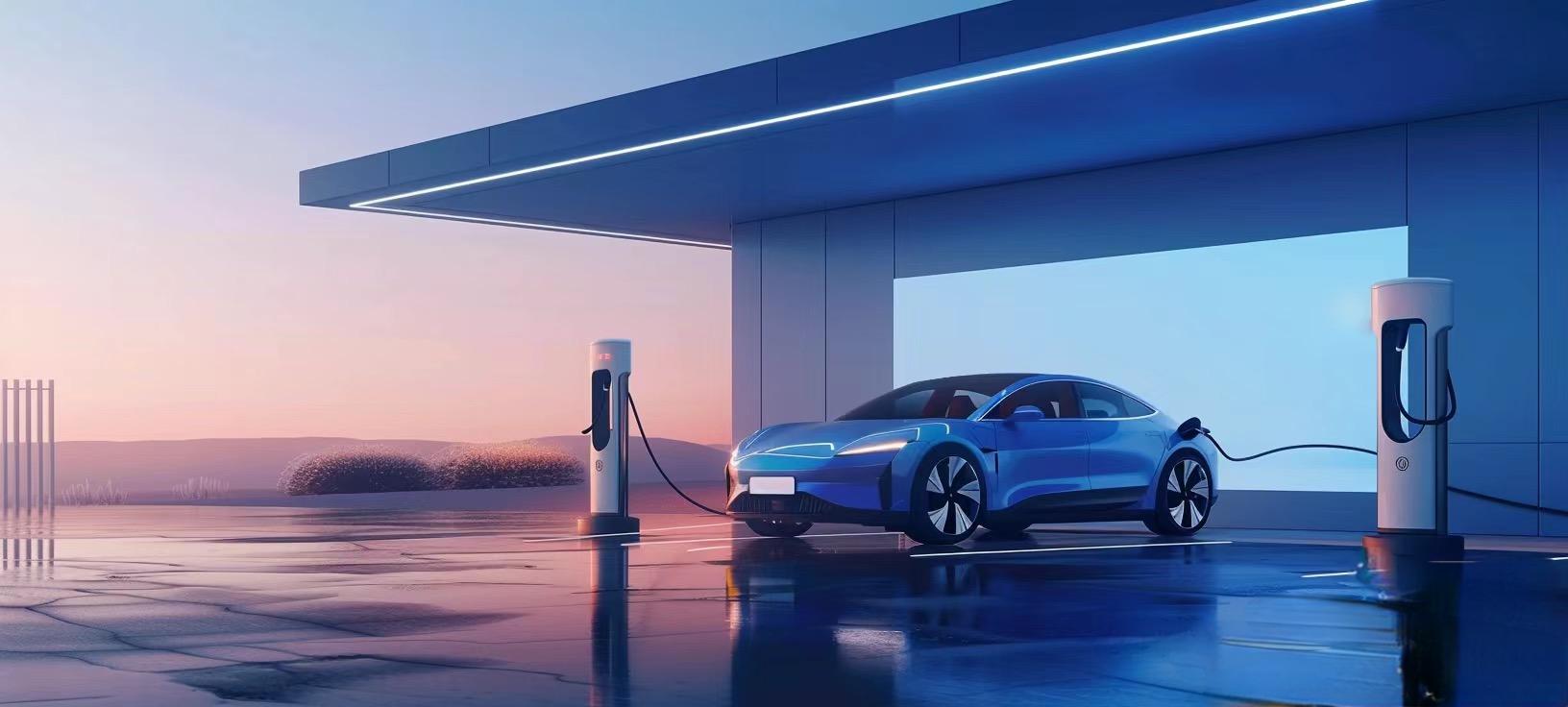
Le batterie al litio utilizzate nei veicoli elettrici sono costose, e questo è uno dei motivi per cui la diffusione di questi veicoli è ancora limitata. Ora, tuttavia, si prevede una svolta nella tecnologia delle batterie.
In futuro, i veicoli elettrici potrebbero utilizzare batterie agli ioni di sodio, economiche e a basso impatto ambientale, al posto delle batterie al litio.
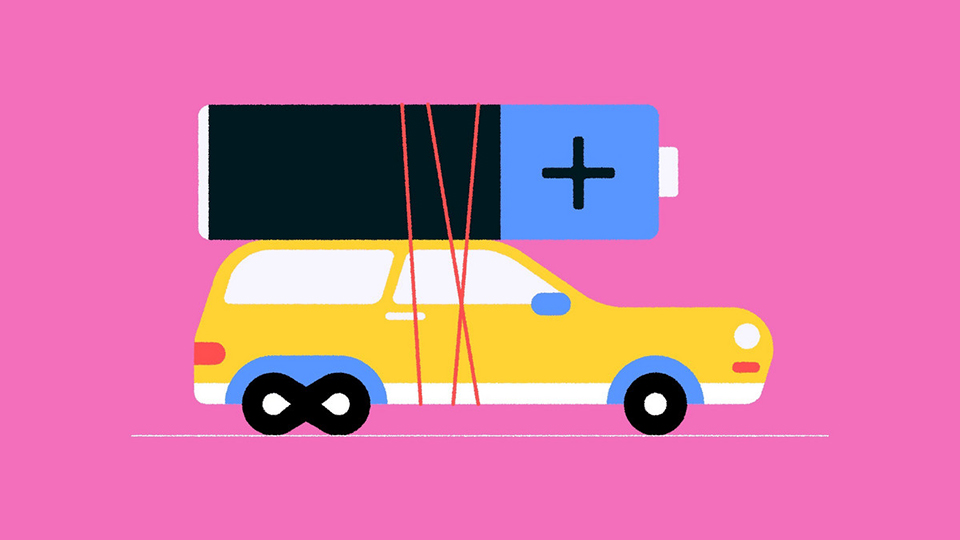
costo della batteria del veicolo elettrico
I veicoli elettrici, soprattutto quelli che utilizzano energie rinnovabili per generare elettricità, sono considerati il modello del futuro che contribuirà alla protezione del clima globale. Tuttavia, per anni le case automobilistiche hanno utilizzato il litio, un materiale raro e relativamente costoso, nella tecnologia delle batterie, rallentando la diffusione di massa dei veicoli elettrici in tutto il mondo.
Sebbene le auto elettriche, i veicoli commerciali e le biciclette elettriche siano in piena espansione, il loro utilizzo è ancora limitato. I prezzi elevati, le infrastrutture di ricarica ingombranti e un processo di produzione delle batterie che consuma grandi quantità di materie prime ostacolano il rapido sviluppo dei veicoli elettrici.
Per rendere i veicoli elettrici ampiamente disponibili, le case automobilistiche devono introdurre batterie più potenti, durevoli, sostenibili ed economiche.
Misurazione del materiale
Le batterie agli ioni di sodio potrebbero rappresentare un'opzione valida, e i recenti sviluppi in questo campo sono stati sorprendentemente progressivi. In un futuro non troppo lontano, le batterie agli ioni di sodio potrebbero sostituire le batterie al litio utilizzate nei veicoli elettrici, negli smartphone e nei notebook.
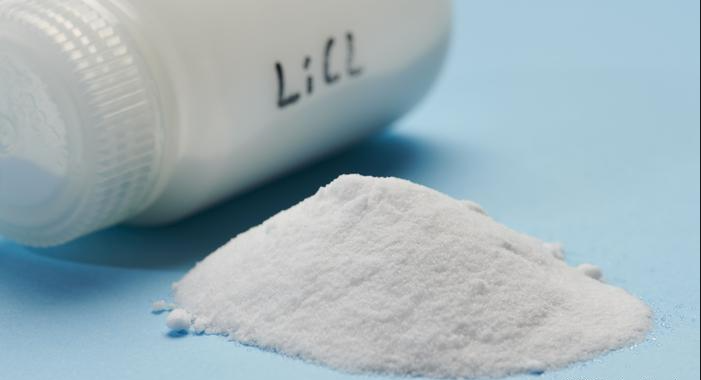
Il litio e il sodio, due metalli alcalini, hanno proprietà chimiche molto simili. Sebbene il sodio abbia una densità energetica inferiore rispetto al litio, che è più raro, è più facile da reperire e risulterà relativamente economico.
Avanzamento del prototipo
Le prestazioni delle batterie agli ioni di sodio sono ancora indietro di circa 20 anni rispetto a quelle delle batterie al litio. Il motivo è che negli ultimi dieci anni circa i ricercatori si sono concentrati esclusivamente sullo sviluppo delle prestazioni superiori del litio.
Oggi non ci sono solo pubblicazioni scientifiche rivoluzionarie, ma anche prototipi molto all'avanguardia. Secondo un rapporto pubblicato a maggio, una batteria agli ioni di sodio sviluppata in Corea del Sud ha completato circa 500 cicli di carica prima che la sua capacità scendesse all'80% di quella originale.
Un'altra batteria, sviluppata da un team di ricerca sino-americano, può completare circa 450 cicli di ricarica a parità di capacità. Una batteria agli ioni di sodio di produzione cinese ha una capacità inferiore, ma dopo 1200 cicli di ricarica rapida da 12 minuti, conserva ancora il 70% della sua capacità.
Potrebbe non sembrare molto, ma in pratica queste batterie potrebbero essere in grado di sopportare un numero maggiore di cicli di ricarica perché, nella vita di tutti i giorni, non vengono solitamente ricaricate dopo essersi scaricate completamente. Scaricare e ricaricare completamente la batteria nell'esperimento comporta una maggiore usura.
Il litio, un elemento metallico, è più raro e costoso, ma la maggior parte delle attuali tecnologie per batterie utilizza batterie al litio. La figura originale mostra i principali paesi in termini di riserve di litio nel 2019.
Inoltre, la tecnologia agli ioni di sodio non richiede l'utilizzo di risorse scarse. Per la produzione dei catodi non sono necessari rari sali di litio, in quanto è sufficiente il sale da cucina. Gli anodi ad alte prestazioni possono essere realizzati con lignite, legno e altre biomasse. Nel processo produttivo non sono necessari cobalto o altre sostanze rare simili.
Grafene e ioni di sodio
Il sodio presenta due svantaggi: pesa tre volte di più del litio, quindi, anche se le batterie al litio contengono meno del 5% del peso totale della batteria, una batteria con ioni di sodio peserebbe comunque più di una batteria al litio.
Inoltre, le prestazioni delle batterie al sodio sono inferiori. Poiché gli ioni di sodio conducono una tensione inferiore di 0,3 volt rispetto alle batterie al litio, si verifica un'inevitabile perdita di densità energetica pari a circa il 10%. Ancora più importante, gli anodi di grafite delle batterie attuali non consentono la presenza di una quantità sufficiente di sodio.
Secondo un rapporto pubblicato da un gruppo di lavoro tedesco-russo guidato dal Centro Helmholtz per la ricerca scientifica (HZDR) di Dresda, in Germania, il nanocarbonio può contribuire a risolvere questo problema. Il rapporto rileva che l'utilizzo di un materiale carbonioso ultrasottile, il grafene a doppio strato, può immagazzinare più ioni di sodio nell'anodo rispetto alla grafite.
Se in futuro sarà possibile installare elettrodi di grafene nelle batterie al litio, in sostituzione degli anodi di grafite comunemente utilizzati oggi, si potrebbe aumentare significativamente la capacità delle batterie.
Krasheninkov, fisico presso l'HZDR, ha paragonato il fenomeno all'inserimento di una piccola pallina tra due fogli di carta: continuando ad aggiungere piccole palline tra i fogli, questi si allontaneranno sempre di più, aumentando lo spazio tra di essi.
Struttura multistrato
Se una struttura multistrato funziona per le batterie al litio, è applicabile anche ad altri metalli alcalini come il sodio? Un team di ricercatori di Dresda, Stoccarda e Mosca spera di scoprirlo utilizzando sofisticate simulazioni con supercomputer.
Poiché i prototipi di batterie agli ioni di sodio finora realizzati non hanno funzionato bene, dato che il sodio riesce a penetrare a fatica nell'anodo di grafite, i calcoli computerizzati dimostrano che il sodio, proprio come il litio, può essere incorporato tra gli strati di grafene in una struttura multistrato.
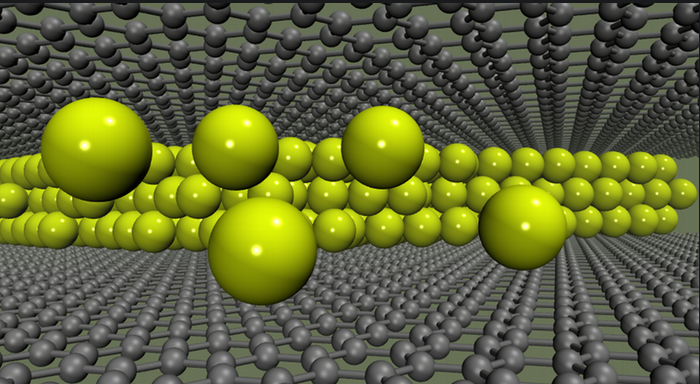
In futuro, se nelle batterie agli ioni di sodio venissero installati elettrodi di grafene al posto degli attuali anodi di grafite, si potrebbe ottenere una maggiore capacità di accumulo.
I risultati di questi studi potrebbero rappresentare una svolta nello sviluppo di batterie al sodio a basso costo. Krasheninkov ha affermato che il lavoro è puramente teorico e non prevede lo sviluppo di una nuova generazione di batterie nel prossimo futuro basandosi unicamente sui risultati dello studio, ma potrebbe fornire nuovi spunti interessanti per gli ingegneri.
Prospettive future
Fortunatamente, la batteria agli ioni di sodio non è più solo un concetto teorico. Una svolta nelle tecnologie correlate sembra essere imminente.
Le ultime scoperte dimostrano che esistono già alternative pratiche, economiche ed efficienti in termini di risorse alle costose batterie al litio, e che queste potrebbero persino migliorare le loro prestazioni grazie a strutture multistrato.
Ci vorrà sicuramente del tempo prima che la tecnologia delle batterie agli ioni di sodio sia pronta per la produzione di massa e l'utilizzo in veicoli elettrici o telefoni cellulari. Ma una volta che i tempi saranno maturi, non dovrebbero esserci grossi problemi nel convertire la linea di produzione dalle batterie al litio a quelle agli ioni di sodio, poiché la tecnologia è relativamente simile.
Prodotti correlati
Il rendering avviene tramite lo shortcode del prodotto WooCommerce, in modo che le schede ereditino la struttura globale delle schede prodotto e gli stili di Blocksy/WooCommerce.