Teknologiatrendit, Luokittelematon
Kuinka valita turvallinen ja oikea nostin autotalliin

9 helmikuun, 2026
Jakaa:
 autoolstore.com
Aloita lahden pohjapiirroksesta ennen hintojen vertailua
Selvitä työpajasi tila- ja korkeusvaatimukset ennen autonostimen ostamista. Eri nostimilla on erilaiset tilavaatimukset, ja väärä valinta voi tehdä päivittäisestä työstä vähemmän tehokasta, vaikka nostin itsessään olisi tehokas.
| Nostotyyppi | Työpajavaatimus | sopiva istuvuus |
|---|---|---|
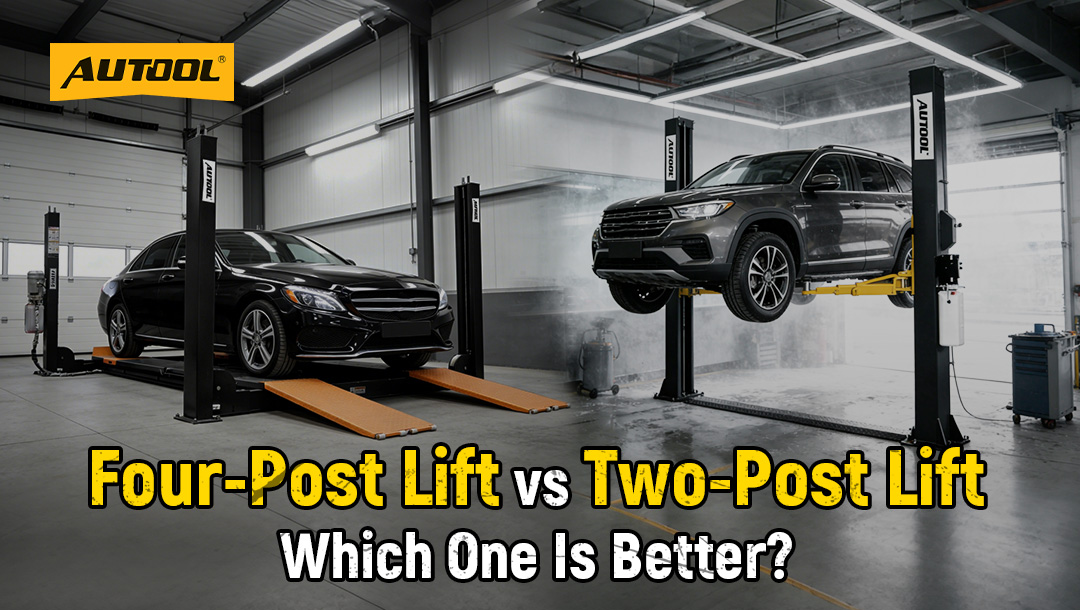
| Kaksipylväiset nostimet | Vaatii korkean katon ja tyypillisesti suuren avoimen tilan. | Rutiinihuolto, rungon huolto ja yleiset korjauspaikat. |
| Nelipylväiset nostolaitteet | Tarjoavat enemmän joustavuutta korkeusvaatimuksissa erilaisen kuormankantomenetelmänsä ansiosta, mutta vievät suuremman alueen. | Raskaammat ajoneuvot, varastointi, pyöränsuuntaus ja vakaa pitkäaikainen työ. |
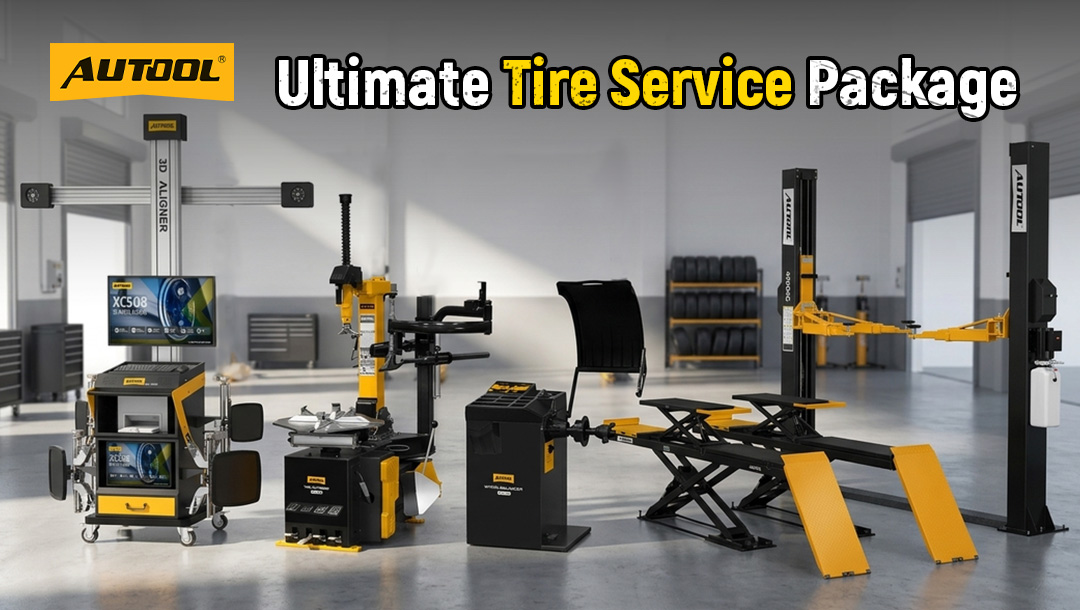
| Saksinostimet | Pienikokoisempi ja sopii työpajoihin, joissa on rajoitetusti tilaa. | Rengaskorjaamot, pienet autotallit, matalat maavara-alueet ja joustavat työalueet. |
Ennen ostamista mittaa työpajasi pituus, leveys ja korkeus. Varmista myös, että lattialla on riittävän paksu betoniperustus. Useimmat nostimet vaativat ≥100 mm betonia vakauden varmistamiseksi, joten lattian kunto on tarkistettava ennen laitteen saapumista.
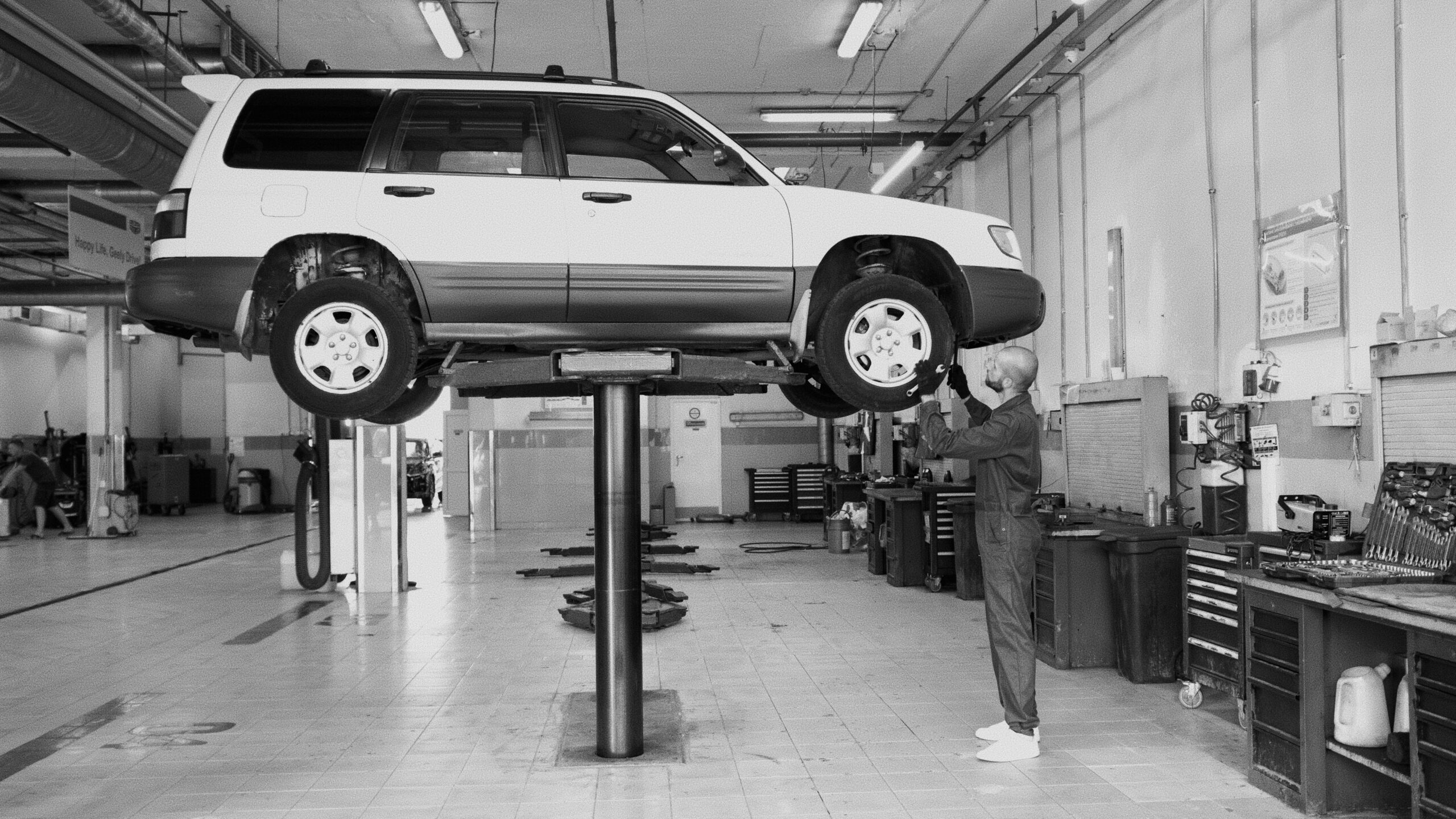
Nostimen on kannateltava raskainta ajoneuvoa todellisissa korjaamo-olosuhteissa
Nostimen kuormituskyky on tärkeä mittari. Sen on kyettävä tukemaan vakaasti korjaamosi raskaimman ajoneuvon painoa, ei vain päivittäin huoltamasi keskimääräisen ajoneuvon painoa.
Suosittelemme tietyn turvamarginaalin huomioimista. Valitse nostin, jonka kuormakapasiteetti on 20–30 % suurempi kuin suurimman ajoneuvosi paino, jotta se selviytyy dynaamisista kuormista ja ajoneuvon painopisteen muutoksista. Tämä vähentää tehokkaasti laitteiden ylikuormitusriskiä ja pidentää nostimen käyttöikää.
Älä koskaan valitse nostinta pelkästään hinnan tai ulkonäön perusteella
Nykymarkkinoilla käyttäjät kohtaavat lukuisia merkkejä ja malleja ostaessaan nostinta. Jotkut ovat edullisia, jotkut tyylikkäästi muotoiltuja ja jotkut ovat tunnettujen tuotemerkkien tuotteita, mikä saa monet käyttäjät tuntemaan olonsa hämmentyneiksi. Kaikkien käyttäjien, olipa kyseessä pieni yksityinen autotalli tai ammattimainen korjaamo, on noudatettava turvallisuusperiaatetta.
Priorisoi laitteita, joilla on arvovaltaiset alan sertifikaatit, kuten Automotive Lift Associationin ALI Gold -sertifikaatti tai CE-merkintä. Nämä nostimet ovat läpäisseet kolmannen osapuolen testaukset, ja niiden rakenteellinen lujuus ja turvallisuustoiminnot täyttävät sääntelyvaatimukset.
Hyväksytyssä nostimessa tulee olla automaattinen mekaaninen lukituslaite, monivaiheiset turvalukot, ylikuormitussuoja, rajakytkimet, selkeät varoitustarrat ja käyttöohjeet oikean käytön varmistamiseksi.
Älä koskaan tingi turvaominaisuuksista kustannusten säästämiseksi. Joistakin edullisista laitteista ei välttämättä puutu tarvittavia suojausmekanismeja, mikä voi aiheuttaa vakavan vaaran pitkäaikaisessa käytössä.
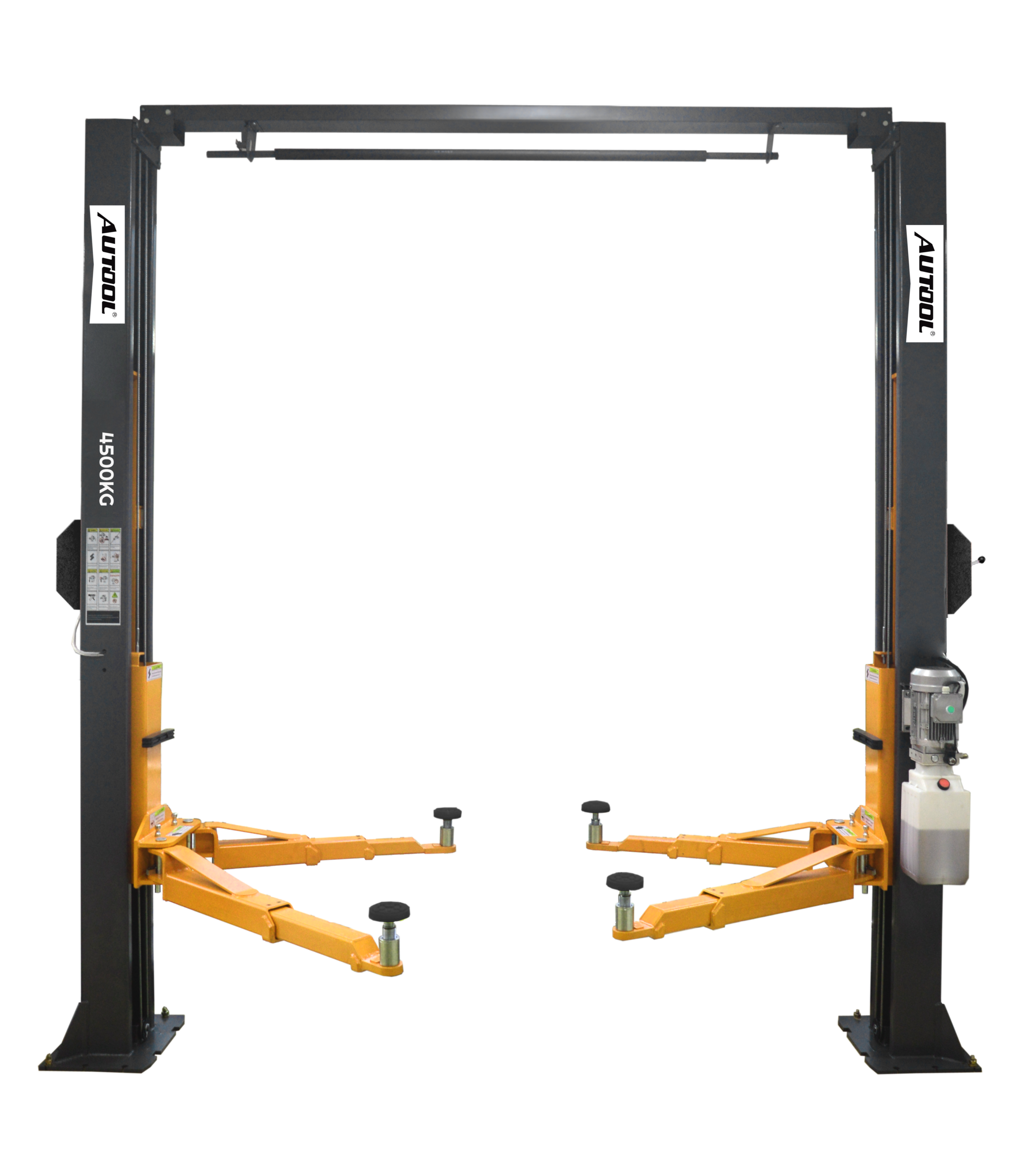
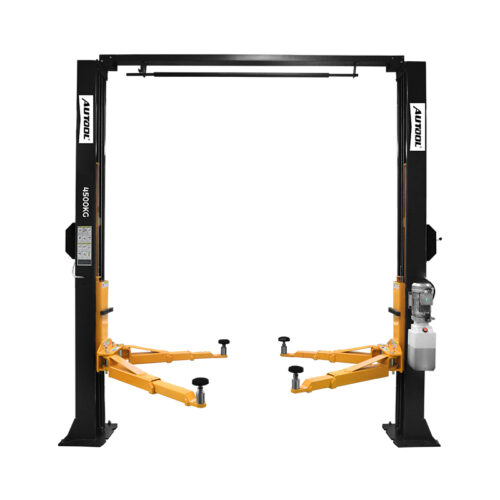
AUTOOL ATL-4.5DA Portaalinostin kestää 4500 kg:n painon. Tämä sähköisesti lukitsematon ja levennetty portaalinostin on varustettu kaksipuolisella lukituksen avausmekanismilla ja hammaspyörän lukituslaitteella. Useat turvarakenteet parantavat sen suojaustasoa, ja pinta on hiekkapuhallettu ja pinnoitettu korkeassa lämpötilassa, mikä tekee siitä korroosionkestävän, säänkestävän ja säilyttää ulkonäkönsä pitkään.
Sovita hissin rakenne korjaustyönkulkuusi
Etuja ovat korkea tilankäyttöaste, kätevä pääsy alustalle ja soveltuvuus useimpiin rutiinihuoltotehtäviin. Se sopii säännölliseen huoltoon ja alustan korjauksiin.
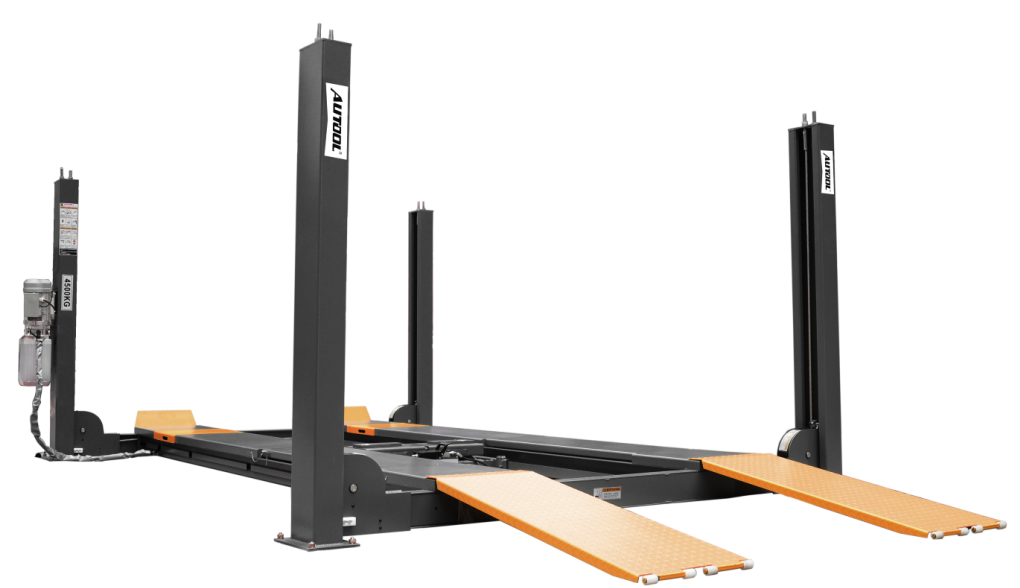
Sopii paremmin korjaamoille, joissa käsitellään raskaita ajoneuvokuormia, kahden auton säilytystä tai renkaiden suuntaustyötä. Se tarjoaa hyvän vakauden tasaisen painonjakautumisen ansiosta kaikille neljälle pyörälle, mutta vie enemmän tilaa.
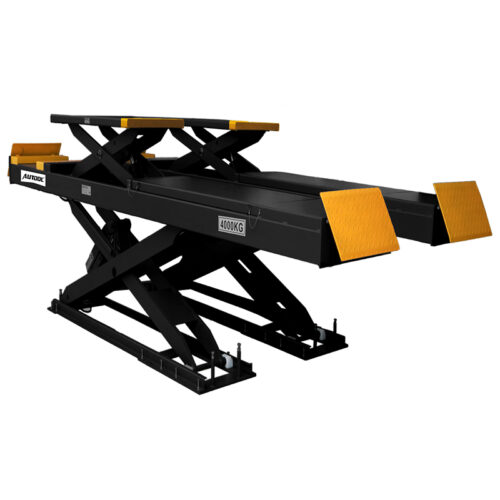
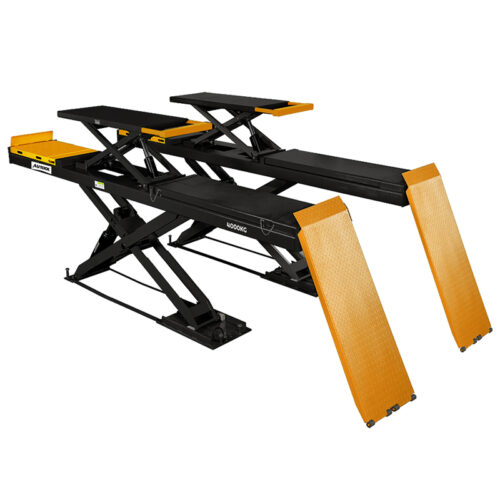
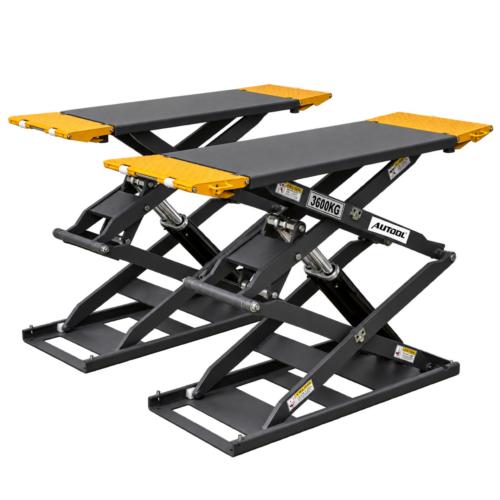
Sopii erityisesti paikkoihin, joissa maavara on alhainen tai jotka vaativat joustavaa liikkumista. Jotkut mallit ovat irrotettavia tai liikuteltavia, joten ne sopivat rengaskorjaamoihin, pieniin autotalleihin ja tilapäisiin työtiloihin.
Nostolaitteiden vaihtoehdot
Nämä kortit käyttävät WooCommerce-lyhytkoodeja, joten tuotteen tuloste noudattaa samaa globaalia korttirakennetta kuin referenssiasettelu.
Turvallinen hissin omistus jatkuu oston jälkeen
Vaikka laitteet olisivatkin oikeat, turvallinen käyttö edellyttää asianmukaista asennusta ja huoltoa. Asennuksen saa suorittaa pätevä teknikko, ja sen on täytettävä valmistajan asennusohjeet tai paikalliset standardit.
Käyttäjät on koulutettava ja heidän on käytettävä laitteita käyttöohjeen mukaisesti. Korjaamon tulee tarkastaa säännöllisesti kriittiset komponentit, kuten mekaaniset lukot, hydrauliikkajärjestelmät ja pulttiliitokset. Noudata huoltosuunnitelmaa ja vaihda helposti kuluvat osat viipymättä.
Turvallinen asennus, standardoitu käyttö ja huolto ovat avainasemassa onnettomuuksien vähentämisessä ja laitteiden käyttöiän pidentämisessä. Nostinta tulisi pitää turvavarusteena, ei vain työpajan mukavuusalueena.
Tasapainota turvallisuus, sopivuus ja pitkäaikainen tuki
Kun valitset nostinta, tee kattava arviointi, joka perustuu korjaamon tilaan, ajoneuvon tyyppiin ja painoon, turvallisuussertifikaatteihin, kuormituskapasiteettiin, budjettiin ja huoltopalveluun.
Tämä varmistaa, että nostimesi on sekä turvallinen että soveltuu pitkäaikaiseen ja vakaaseen käyttöön, samalla parantaen huoltotehokkuutta ja lisäarvoa korjaamollesi.
Käy osoitteessa AUTOOL virallinen verkkosivusto ostaaksesi nostolaitteita verkosta tai ottamalla yhteyttä AUTOOL asiakaspalvelu ostotietoja, alennuksia ja teknistä tukea varten.
WhatsApp: +86 189 2647 7404
Sähköposti: [email protected]
Aiheeseen liittyvät tuotteet
Renderöity WooCommerce-tuotekoodin kautta, joten kortit perivät globaalin tuotekorttirakenteen ja Blocksy/WooCommerce-tyylit.