EV Charging Guide

Home Charging Station Guide

With electric vehicles becoming more and more popular, car owners are coming to realize that having their own EV charging station is not only a convenience, but also a quality of life improvement. If you are still relying on public charging stations, consider the benefits of having a charging station for your home.

In this article, we will walk you through how to choose the right home charging station and share the benefits of owning a home charging station.

Home EV charging station
Overview

What Is a Home Charging Station?

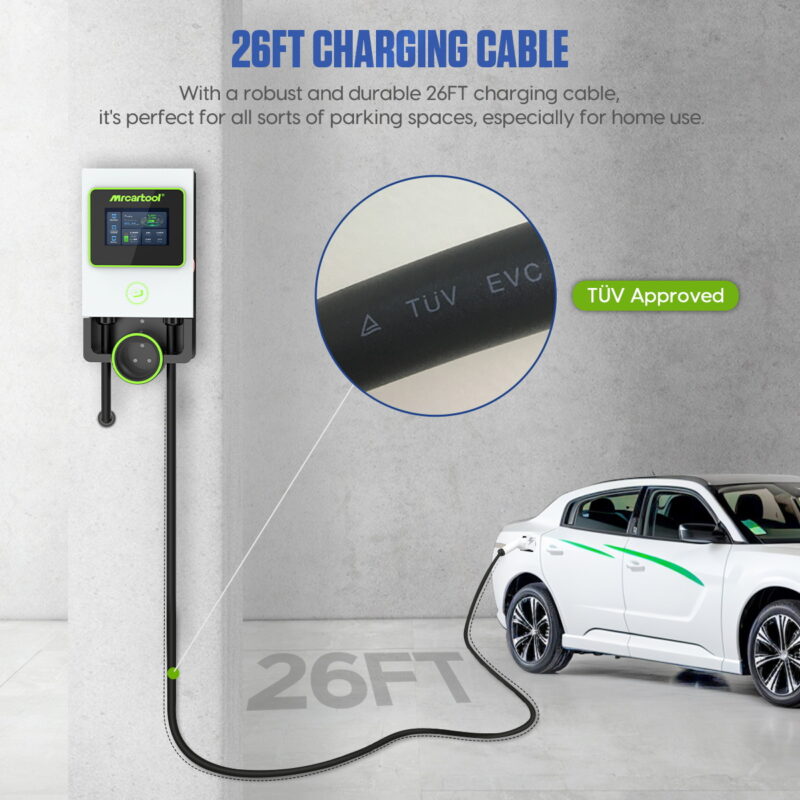
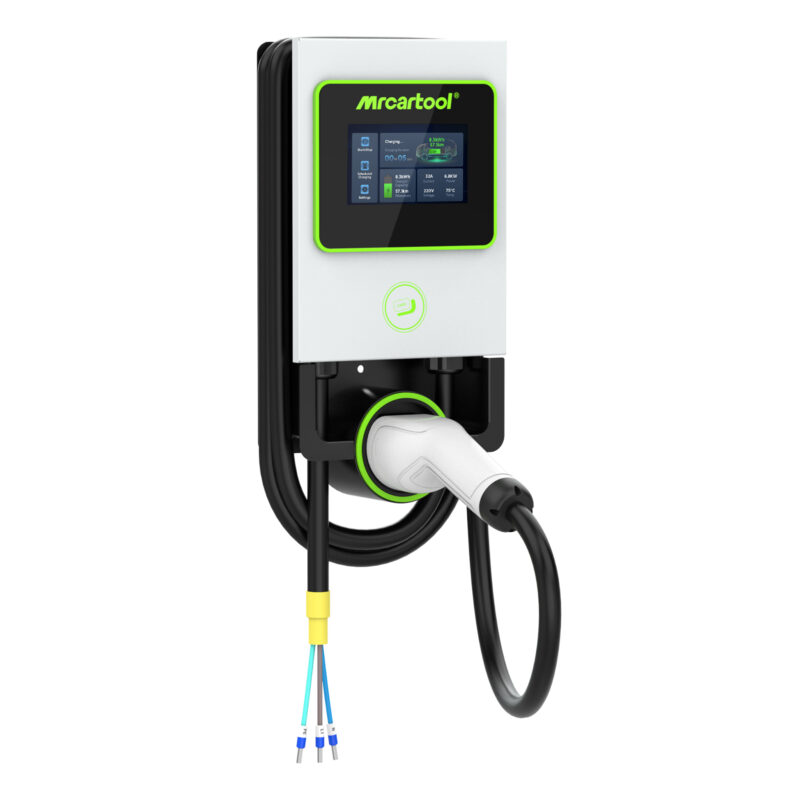
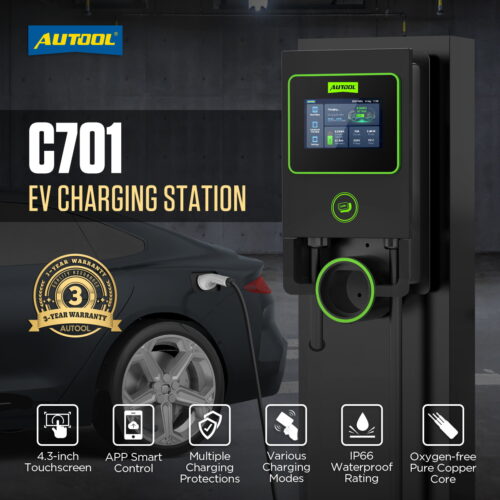
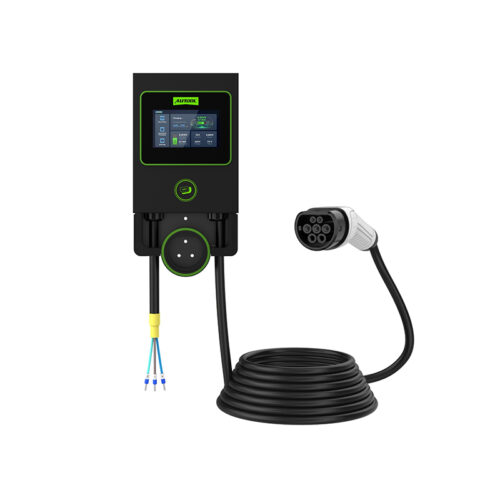
This product primarily consists of a charging station main unit, a charging gun, cables, and installation back brackets. It is an electric vehicle charging device that, when connected to the mains power supply, charges electric vehicles through the charging station and the charging gun’s head. It can be installed at home and is easy to use.

Why Home Charging

Why Do You Need to Have a Home Charging Station?

Charging Is No Longer Limited by Public Charging Stations

While public charging stations are becoming more common in cities and on highways, they are still unevenly distributed and sometimes require waiting in line or searching for a suitable charging location. With a home charging station, you can charge at home whenever you want without worrying about waiting times or locations. This convenience saves time and reduces unnecessary traveling.

Save Money in the Long Run

Installing a home charging station may require some initial investment, but the investment can be worth it in the long run. Home charging is usually cheaper than public charging, and many electricity companies offer more favorable rates at night. By choosing the right charging times, you can make further savings on your electricity bill.

Enjoy a Smart Charging Experience

Modern home charging stations are often equipped with smart features that can be controlled and monitored remotely through a mobile app. You can set charging schedules, view charging progress, and optimize charging speeds based on grid load.

Improve Charging Efficiency

Home charging stations usually have higher charging power, allowing them to charge electric vehicles faster. Compared with slower public charging options, home charging stations can improve charging efficiency and help you enjoy a full charge every day.

Enhanced Vehicle Safety

Private charging stations give you control over the charging environment. You can choose high-quality charging equipment and perform regular maintenance to ensure that the charging process is free of potential safety hazards.

Environmental Protection and Green Travel

Having a home charging station is not only a way to improve personal quality of life, but also a way to support the environment. By using renewable energy to charge at home, you can further reduce your carbon footprint and contribute to the environment.

Types

Common Charging Station and Connector Types

The original guide separates the charging equipment type from the connector or charging standard. Both matter when choosing a home charging station because the charger must match your vehicle and your local electrical environment.

Three Common Types of Charging Stations

  • AC ChargerSuitable for home installation charging stations; charging speed is relatively slow.
  • DC Fast ChargerSuitable for public charging stations, providing high-power fast charging.
  • SuperchargerHigh-power charging equipment used by specific brands, such as Tesla, with extremely fast charging speeds.

Types of Home Charging Station Standards

  • Type 1 (J1772)Used primarily in the North American market for some EV brands.
  • Type 2 (Mennekes)Widely used in Europe and some other regions, and supports higher-power AC charging.
  • CHAdeMOA DC fast charging standard mainly used in the Japanese market, but also adopted by some international EV brands.
  • CCS (Combined Charging System)Combines AC and DC charging functions, supports high-power DC fast charging, and is currently a widely adopted standard worldwide.
Level Comparison

What’s the Difference Between Home Charging Stations Level 1 and Level 2?

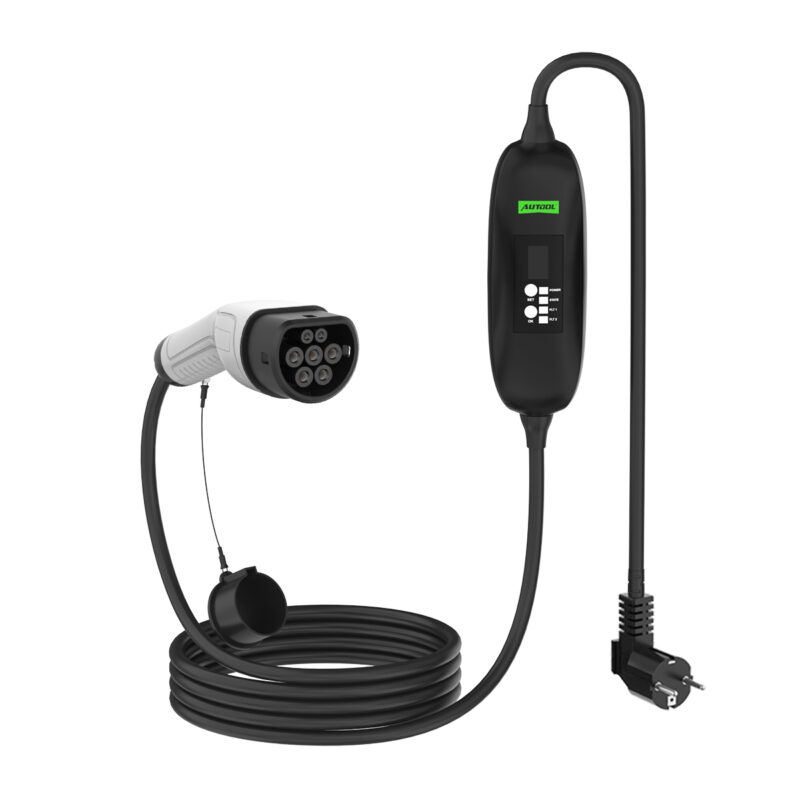
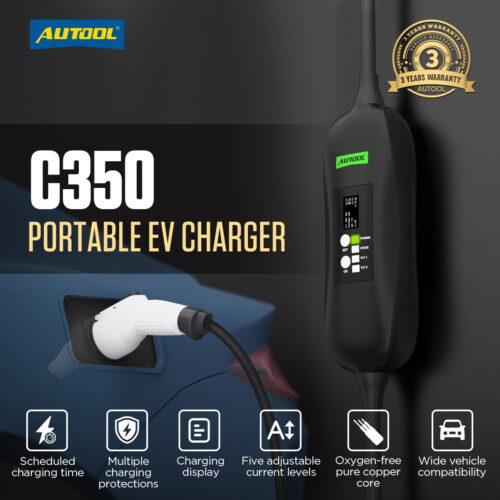
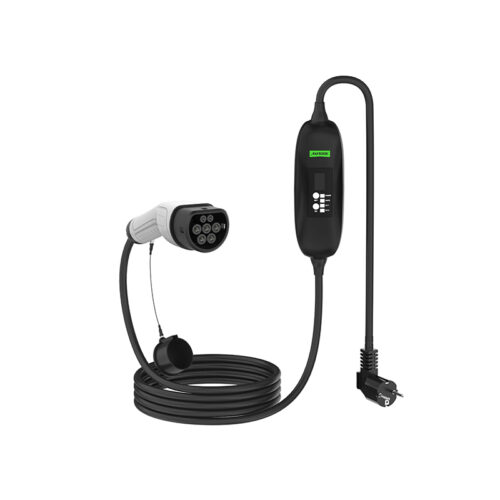
Level 1 home charging station reference image

Level 1 Charging

This corresponds to EV charging completed with the charger usually supplied with the purchase of the car. These chargers plug into a standard 120-volt socket and can charge an electric car in 20 hours, giving it a range of 200 km.

Level 2 home charging station reference image

Level 2 Charging

These chargers require a 240-volt outlet and charge your EV 3 to 7 times faster depending on the model of Level 2 charging station you have, as well as your electric vehicle and its battery capacity.

Some Level 2 charging stations are smart and can be controlled remotely with an app on your phone over WiFi or Bluetooth. These smart home charging stations do not charge faster, but they offer perks such as access control or data monitoring.

We recommend using a Level 2 charging station for all electric vehicles and plug-in hybrids to enable faster charging and get the most out of your EV’s charging capacity. Provincial and municipal incentives are available in some regions to help cover the cost of purchasing and installing these charging stations.

Installation

Considerations for Installing a Home Charging Station

  • Power requirementsEnsure that the home electrical system can handle the power requirements of the charging station. Typically, home charging stations require a minimum of 240 volts and may require an upgraded electrical box or additional circuits. Have an electrician perform a professional assessment.
  • Location optionsChoose a safe installation location away from flammable materials and humid environments. Typically, charging stations should be installed near a garage or driveway.
  • Type of charging stationChoose the right charging station based on the vehicle’s charging needs and the electrical system’s capabilities. Commonly available are Level 1 (110V) and Level 2 (240V) charging stations.
  • Safe installationHave a professional electrician perform the installation to ensure that all electrical connections comply with safety regulations. After installation, conduct a thorough system inspection to ensure the charging station is working properly and there is no risk of electrical leakage.
Summary

Ready to Choose the Right Home Charging Station?

Choosing a home charging station may seem complicated, but the decision becomes clearer when you compare vehicle compatibility, charging level, installation requirements, safety, and smart features. Browse Level 2 charging stations available in the online store and find your match or compare them before choosing.

Related Products

Rendered through WooCommerce product shortcode so the cards inherit the global product-card structure and Blocksy/WooCommerce styles.

Leave a Reply

Sähköpostiosoitettasi ei julkaista. Pakolliset kentät on merkitty *