Nyheder og begivenheder, Produktpræsentation
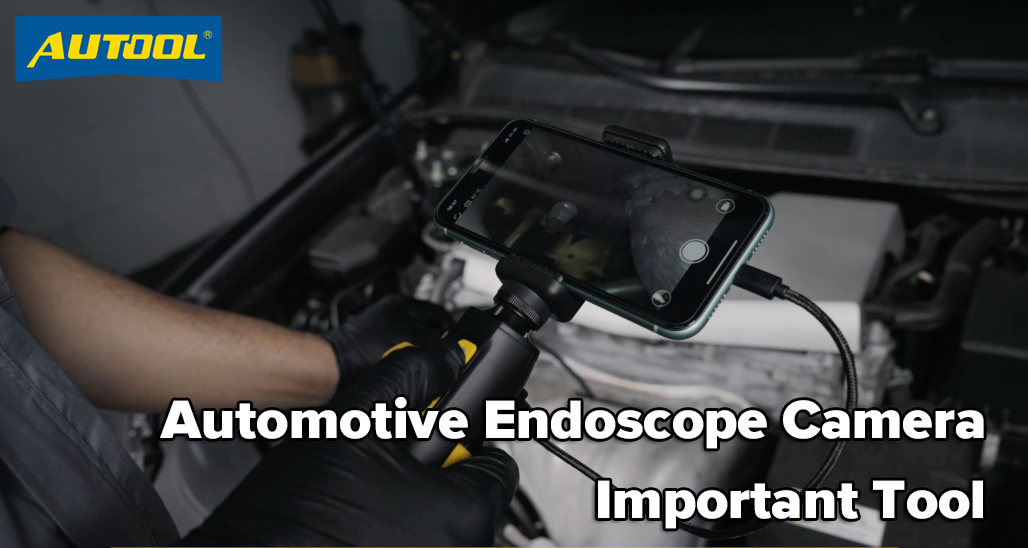
Endoskopkamera til biler - vigtigt værktøj

juli 3, 2024
Dele:
 autoolstore.com
Med den hurtige udvikling af endoskopkameraer til biler er rollen og vigtigheden af endoskopkameraer i forbindelse med bilvedligeholdelse blevet stadig mere fremtrædende. Denne artikel diskuterer anvendelsen og vigtigheden af endoskopkameraer til biler i forbindelse med bilvedligeholdelse.
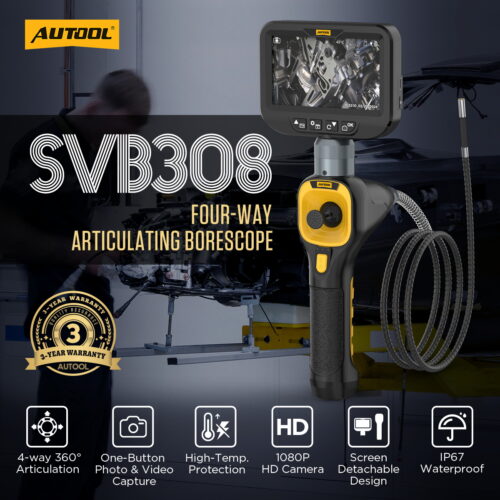
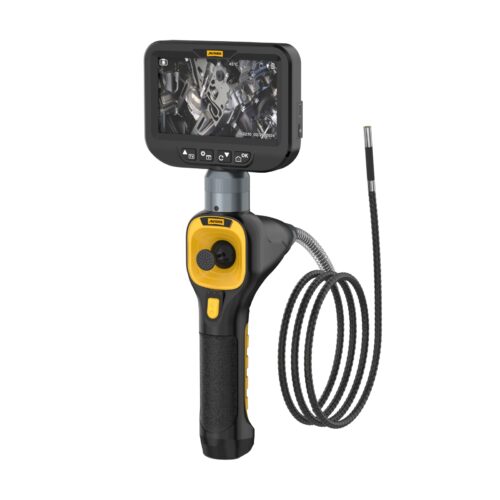
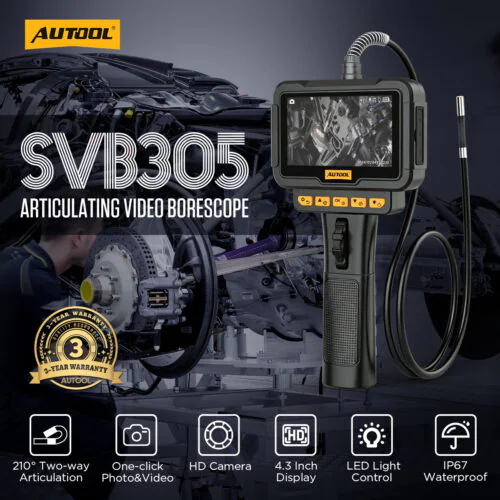
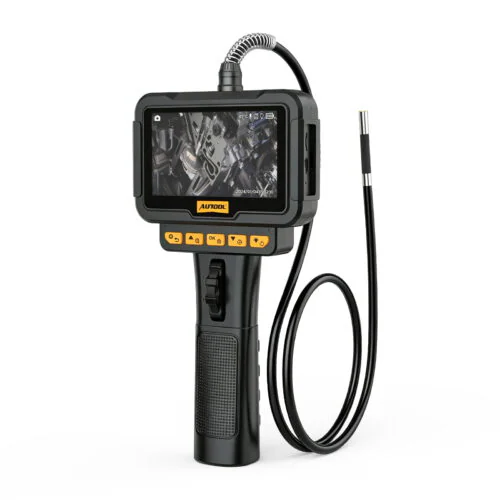
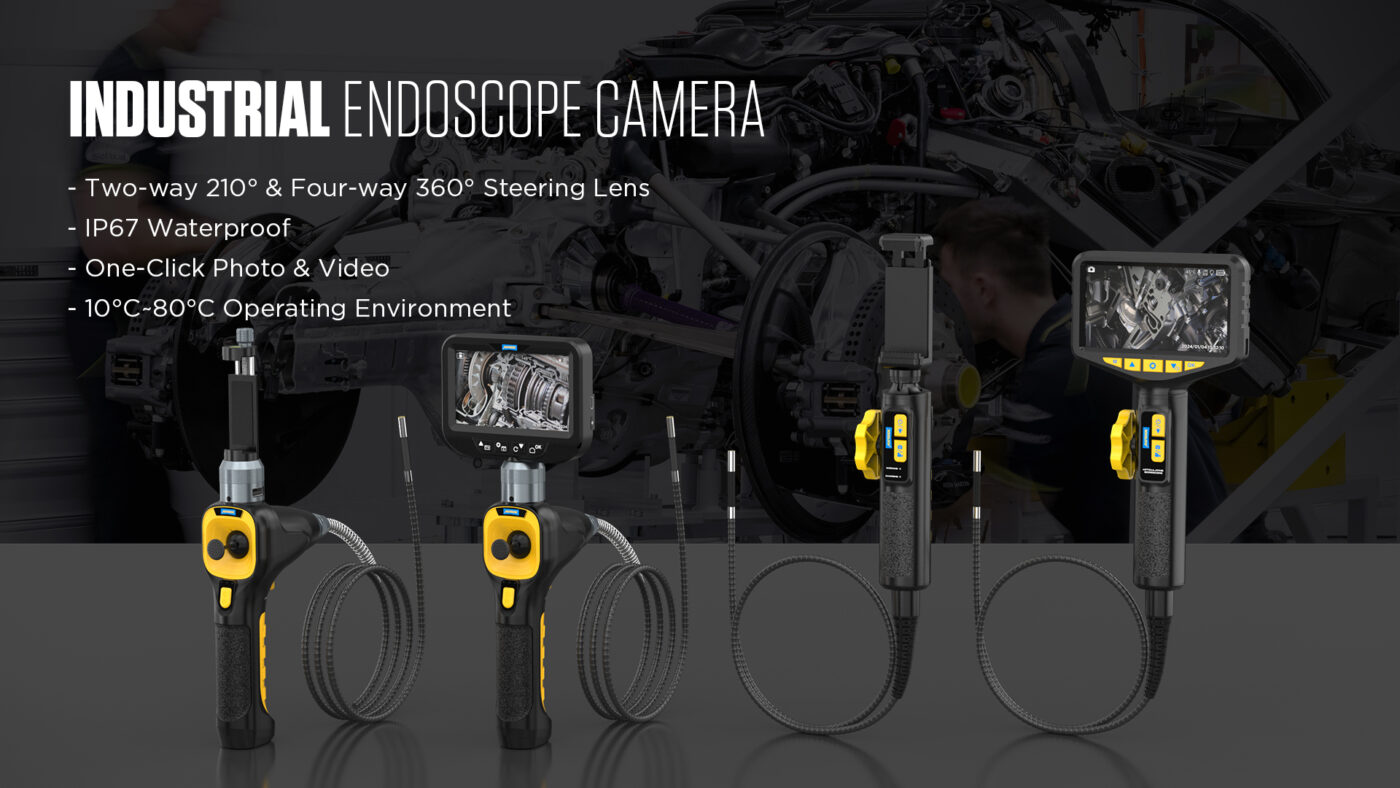
Et bil-endoskopkamera, også kaldet et industrielt boreskop eller kamera, er et værktøj, der bruges til at inspicere og visualisere lukkede eller svært tilgængelige områder. Det består normalt af en fleksibel eller stiv rørformet sonde med et kamera og en lyskilde i enden, der er i stand til at overføre billeder til en ekstern skærm eller skærm.
Grundlæggende om inspektionskameraer
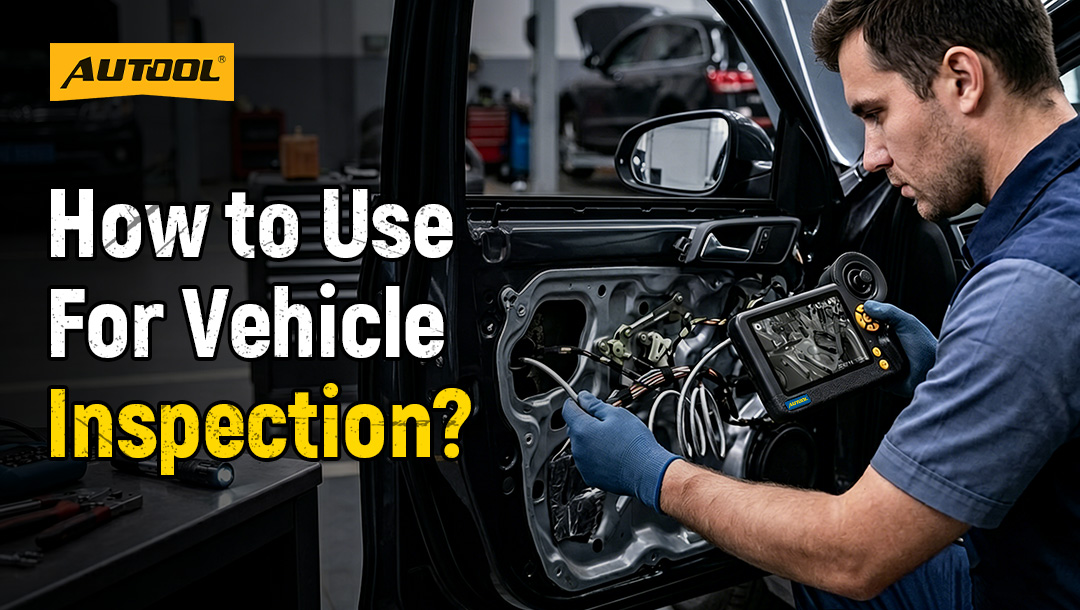
Når endoskopkameraer til biler anvendes til reparation og vedligeholdelse af biler, kan de hjælpe reparatører med at inspicere det indre af motorer, drivlinjer, brændstofsystemer og andre komponenter i områder, der er vanskelige at få adgang til med reparationsudstyr. Dette hjælper teknikere med at foretage mere præcise diagnoser af funktionsfejl og skader.
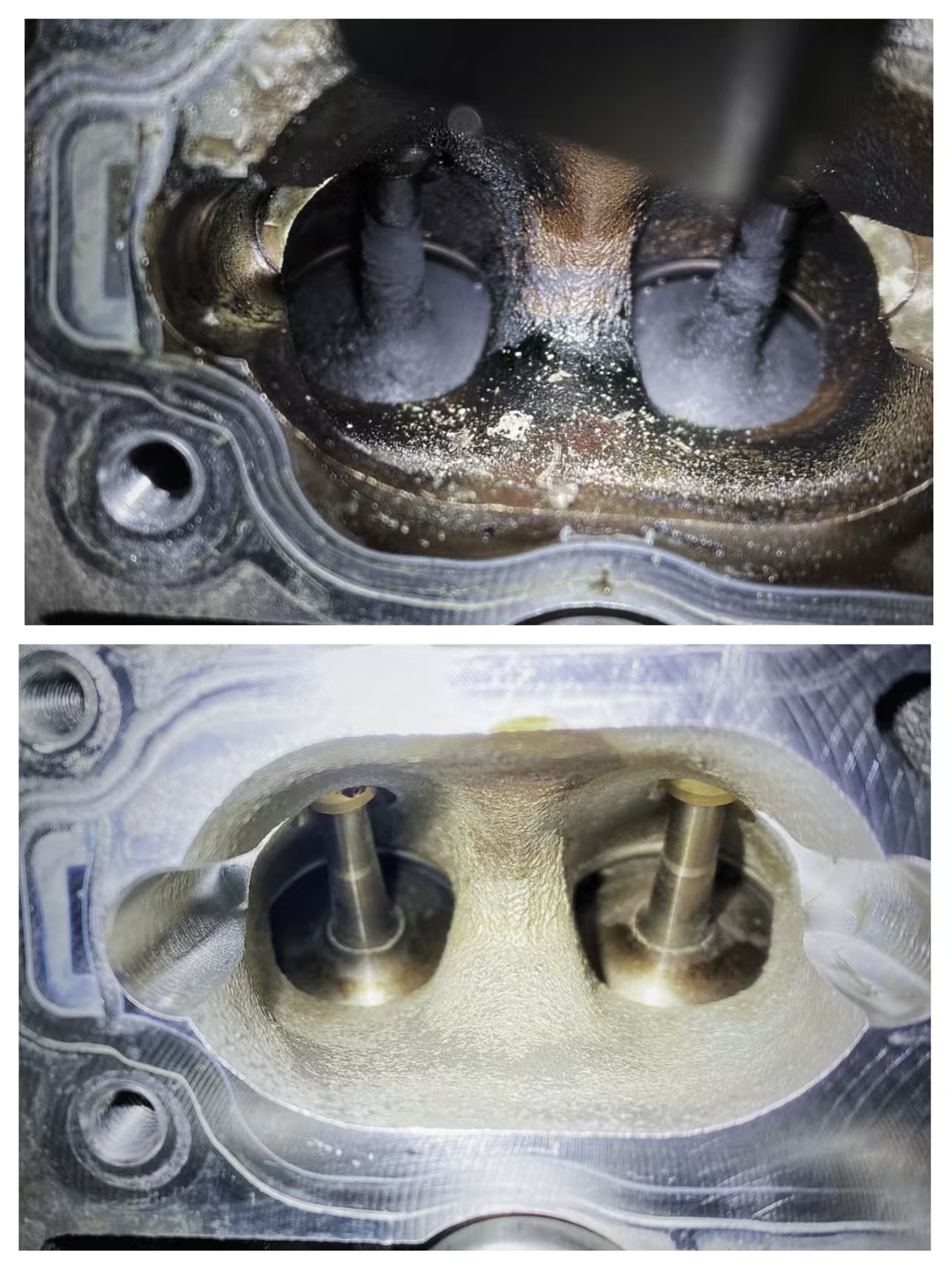
Diagnose af kulstofophobning
Kulstofaflejringer er geler, der ophobes på motorkomponenter såsom motorventiler, indsugningsmanifold og injektorer. Når motoren er i drift, kan visse komponenter i benzin kondensere og danne geléagtigt kulstof. Dette kondenserede kulstof kan fortsætte med at ophobe sig og påvirke den normale drift af det sofistikerede motorstyringssystem.
Diagnosen af kulstofaflejringer på indsugningsrøret er enkel i forbindelse med bilreparationer: fjern gashåndtaget og kontroller omfanget af kulstofaflejringer. Det har dog altid været vanskeligere at diagnosticere kulstofaflejringer i ventilerne. Den originale artikel præsenterer to diagnostiske metoder.
Demonteringsmetoden skiller motoren ad og kontrollerer for kulstofaflejringer. Den er intuitiv, men tidskrævende og arbejdskrævende. Hver gang dele skilles ad, kan ydeevnen blive påvirket, og levetiden kan reduceres.
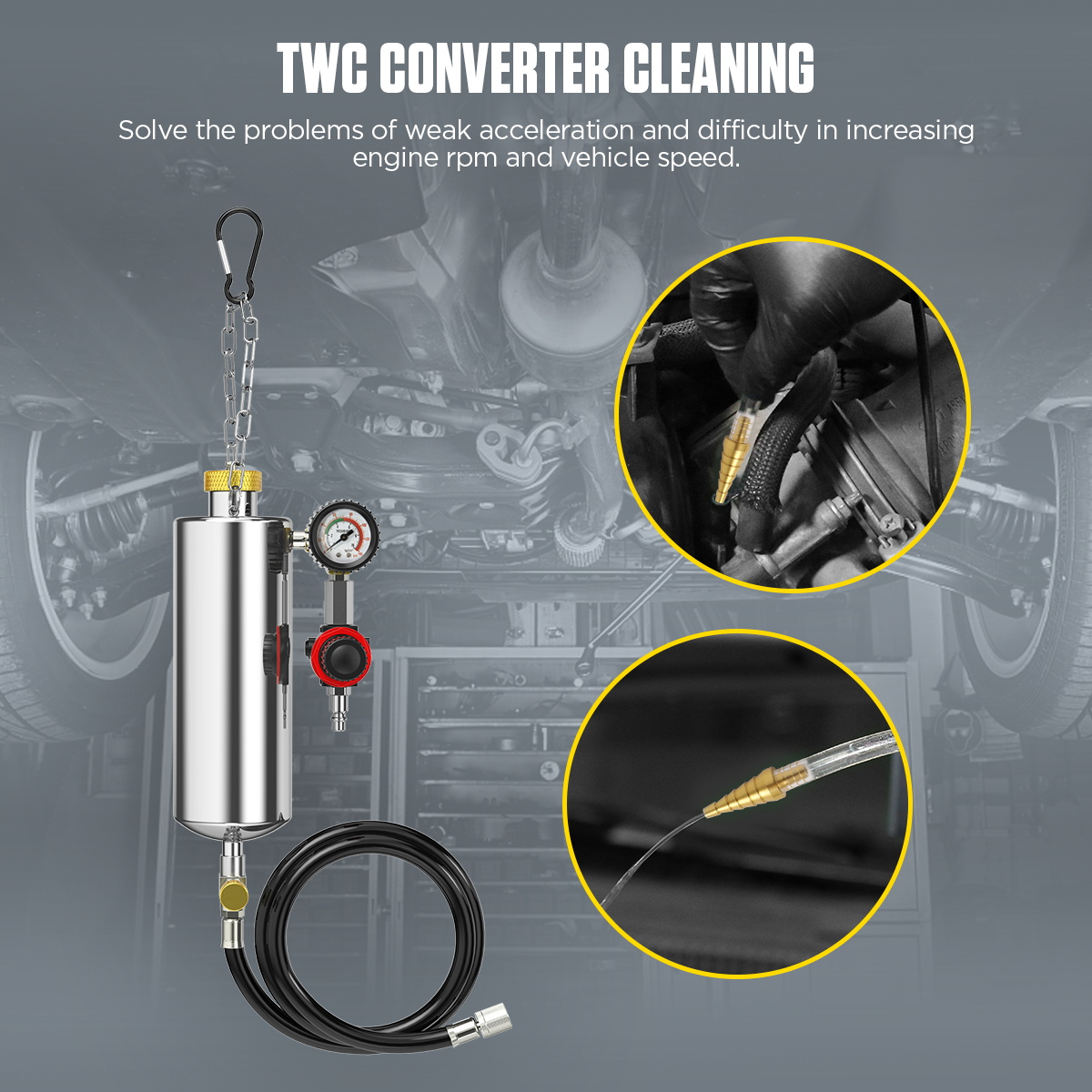
Fjern tændrørene eller injektorerne, og brug et endoskopkamera til at observere omfanget af kulstofaflejringer på ventilerne. Når observationen er afsluttet, skal kameraet forsigtigt trækkes ud af inspektionsområdet, så det ikke beskadiger dele eller påvirker køretøjets drift.
Brug af et endoskopkamera til biler forbedrer inspektionseffektiviteten og nøjagtigheden, samtidig med at risikoen for skader, der kan opstå ved adskillelse af dele, reduceres. Dette er vigtigt for at sikre bilens sikkerhed, pålidelighed og lange levetid.
Klik for at hoppe til butikken for at købe AUTOOL endoskopkamera til biler.
Oprindelig købsprompt
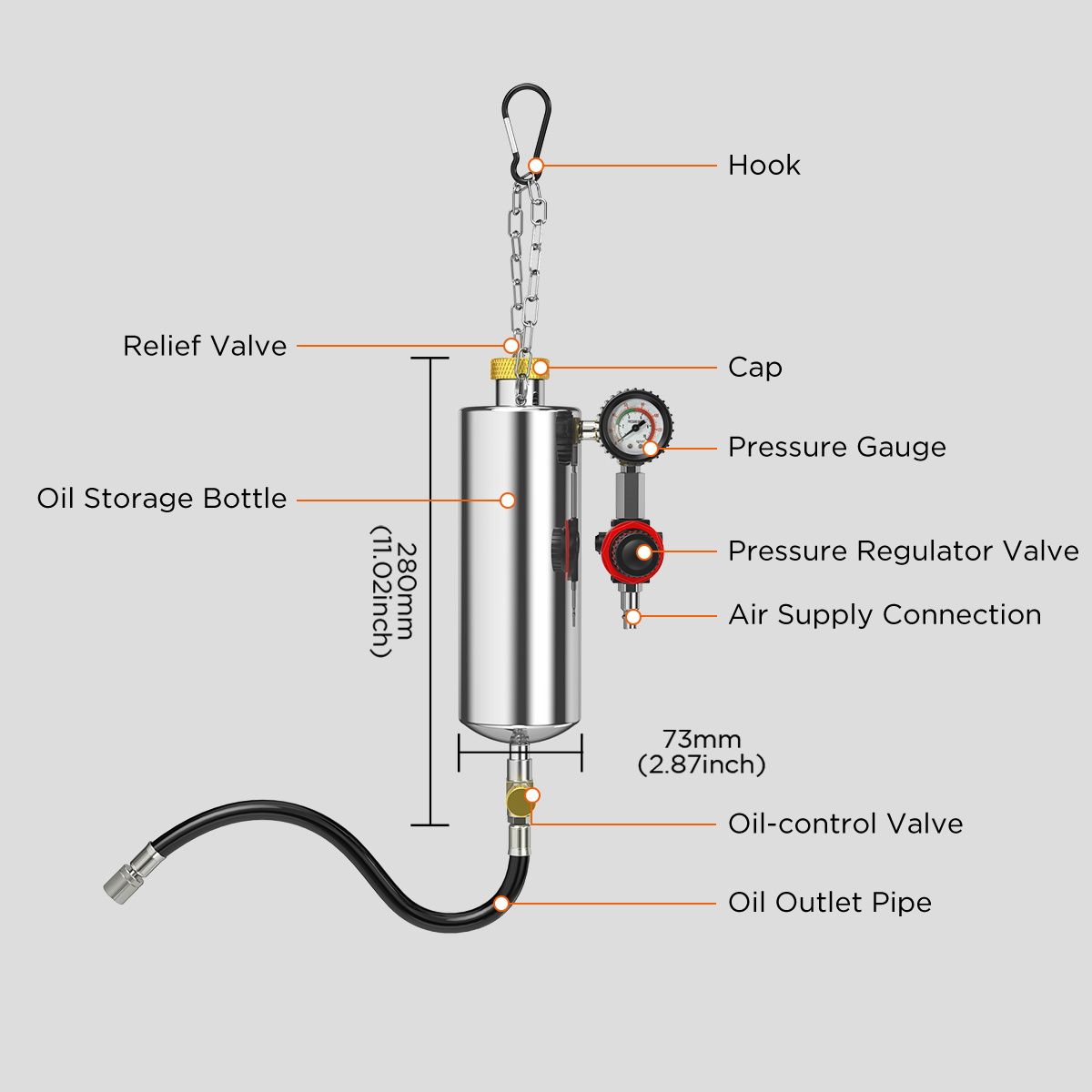
Scenarier for vedligeholdelsesinspektion
Motoren er bilens kernekomponent, og hvorvidt dens indre struktur er intakt, er direkte relateret til ydeevne og levetid. Industrielle endoskoper kan detektere kulstof, slitage, revner og andre interne motorproblemer, hvilket hjælper vedligeholdelsespersonale med at lokalisere fejlpunkter præcist og forbedre vedligeholdelseseffektiviteten.
Brændstofsystemets driftstilstand påvirker direkte brændstofforbruget og effektydelsen. Bilens endoskopkameraer kan registrere blokeringer og slid på brændstofindsprøjtningsdyser, brændstofledninger og andre komponenter og give detaljerede fejloplysninger til vedligeholdelsespersonalet.
Kølesystemet opretholder motorens normale driftstemperatur. Et endoskopkamera til biler kan detektere kalkaflejringer, korrosion og andre problemer i kølesystemet, hvilket hjælper vedligeholdelsespersonalet med at finde og håndtere potentielle sikkerhedsfarer i tide.
Klimaanlæggets driftstilstand påvirker direkte passagerernes komfort. Bilens endoskopkamera kan registrere snavs og skader på fordampere, kondensatorer og andre dele af klimaanlægget og dermed levere præcise vedligeholdelsesprogrammer.
Med øget brug af køretøjet kan dele i bremsesystemet blive slidt, ældet eller beskadiget, hvilket fører til reduceret bremseevne og sikkerhedsproblemer. Regelmæssig test og vedligeholdelse af bremsesystemet er derfor afgørende.
Vedligeholdelsesværdi
Traditionel bilvedligeholdelse kræver ofte, at mange dele skilles ad for at blive detekteret. Dette er tidskrævende og arbejdskrævende og kan forårsage sekundære skader. Endoskopkameraer i biler kan teste bilens interiør direkte uden at skille dele ad, hvilket forbedrer vedligeholdelseseffektiviteten betydeligt.
Det højopløselige billede, der leveres af et endoskopkamera i bilen, gør det muligt for vedligeholdelsespersonale at identificere subtile defekter inde i køretøjet mere præcist, hvilket reducerer fejlvurderinger og udeladelser og forbedrer vedligeholdelseskvaliteten.
Ikke-destruktiv testning med endoskopkameraer i biler kan undgå unødvendig adskillelse og udskiftning af dele, hvilket reducerer vedligeholdelsesomkostningerne. Præcis fejldiagnose hjælper også med at reducere returprocenten og yderligere sænke reparationsomkostningerne.
Endoskopkameraer i bilen kan bruges uden at ødelægge køretøjets struktur, hvilket undgår potentielle sikkerhedsrisici forårsaget af adskillelse af komponenter. Rettidig opdagelse og behandling af skjulte problemer inde i bilen bidrager også til at forbedre køretøjets sikkerhed.
Kort sagt spiller endoskopkameraer til biler en vigtig rolle i bilvedligeholdelse og har en bred vifte af anvendelsesmuligheder. Med videnskabelige og teknologiske fremskridt og udviklingen af industriel endoskopteknologi vil anvendelsen inden for bilvedligeholdelse blive mere dybdegående og omfattende. For bilvedligeholdelsespersonale vil mestring af industriel endoskopteknologi blive en nødvendig færdighed.
For mere information om AUTOOL endoskopkameraer til biler, brug de originale kontaktoplysninger nedenfor.

Relaterede produkter
Renderet via WooCommerce-produkts shortcode, så kortene arver den globale produktkortstruktur og Blocksy/WooCommerce-stilarter.