AUTOOL Blogg, Reparationsinformation
Varför din bil skakar och vad du kan göra åt det

oktober 22, 2025
Dela:
 autoolstore.com
Reparationsinformation
Att uppleva bilskakningar under körning är en frustration som många bilägare möter, särskilt med fordon som har högre körsträcka eller längre livslängd. Vibrationerna kan visa sig som en lätt skakning i ratten vid tomgång, eller som märkbara karosseriskakningar vid högre hastigheter.
Många förare behandlar bilskakningar som ett mindre problem eller antar att det helt enkelt är ett tecken på fordonets åldrande. I verkligheten är vibrationer ofta en tidig varningssignal. Det kan tyda på dolda mekaniska eller elektriska fel som bör kontrolleras innan de blir större reparationsproblem.
Snabbkontroll
Det säkraste sättet att börja är att notera när skakningarna inträffar. Tidpunkten för vibrationerna avgör vanligtvis vilket system som behöver inspekteras.
Symtom och åtgärder
Använd följande avsnitt för att jämföra symptom, sannolika orsaker och rekommenderade reparationsriktningar. Målet är att först inspektera rätt system istället för att byta ut delar i blindo.
Symptom: Fordonet kan skaka vid rött ljus, under uppvärmning av motorn, vid start från låg hastighet eller vid plötslig acceleration. Skakningarna kan uppstå i form av trög kraftöverföring eller knackande ljud.
Orsaka: Den främsta boven i dramat är oftast tändningssystem. Tändstift kan slitas ut eller bli kolförorenade, vilket minskar antändningseffektiviteten och orsakar ofullständig förbränning. Detta är vanligare när tändstiften byts ut efter det rekommenderade intervallet, vanligtvis 30 000–60 000 km.
Tändspolarna kan också försämras. Om isoleringen går sönder eller den interna kretsen slutar fungera blir utgångsspänningen instabil och kan leda till feltändningar i cylindern, märkbara tomgångsskakningar och vibrationer under acceleration.
Lösning: Testa tändningssystemet först. Byt ut tändstiften mot tändstiften med rätt specifikation om de är slitna eller smutsiga. Om en tändspole är felaktig, byt ut den berörda spolen eller hela tändspolen vid behov för att återställa jämn motorprestanda.
Symptom: Om bilen går smidigt i neutralläge men börjar vibrera när man lägger i körläge eller backläge, kommer problemet troligen från motorfästet. Vibrationerna kan uppstå tillsammans med motorljud och kan förvärras vid kallstart.
Orsaka: Motorfästen absorberar vibrationer från den igånggående motorn. Med tiden kan gummimaterialet åldras, hårdna eller spricka. När man växlar till vänster eller vänster ökar motorbelastningen, och ett försvagat fäste kan överföra vibrationer direkt till karossen.
Lösning: Byt ut slitna eller skadade motorfästen mot originaldelar eller högkvalitativa eftermarknadsdelar. Korrekt installation och inriktning hjälper till att återställa stabiliteten och minska skakningar vid växling.
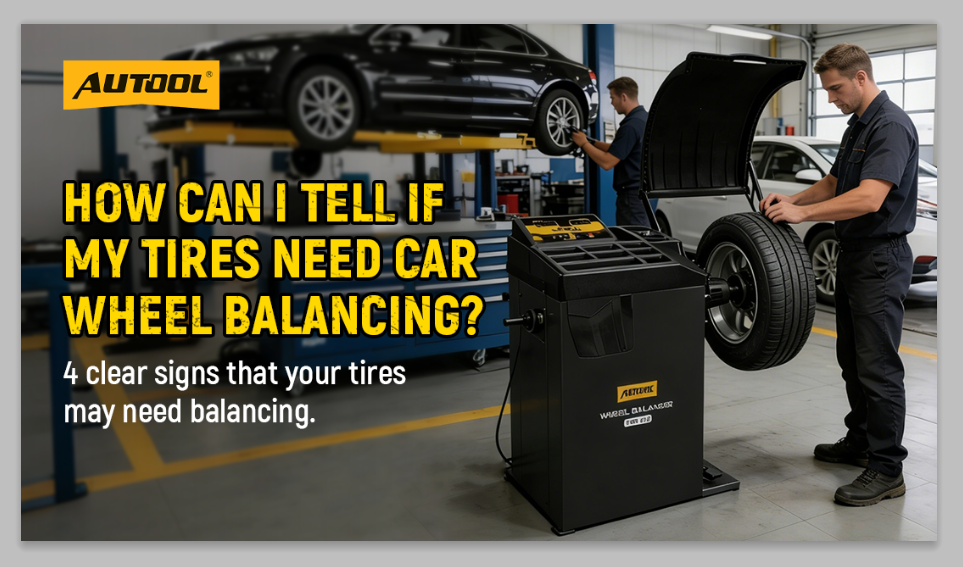
Symptom: När man kör ovanför 80 km/h, eller ungefär 50 mph, vibrationer genom ratten eller sätet tyder ofta på obalans i hjulen. Vibrationsintensiteten ökar vanligtvis med hastigheten och kan påverka fordonets bana.
Orsaka: Saknade eller förskjutna hjulvikter, ojämnt däckslitage eller en excentrisk roterande enhet kan skapa obalans i centrifugalkraften och få hela fordonet att skaka vid hög hastighet.
Lösning: Utför en hjulbalanseringsservice för att justera balansklämmornas position och vikt. Kontrollera även däcktryck, slitage på mönster och om fälgarna är böjda. Reparera eller byt ut defekta delar för att eliminera höghastighetsvibrationer.
Symptom: Om bilen vibrerar eller ger ifrån sig ett metalliskt ljud vid plötslig acceleration över 60 km/h, eller ungefär 37 mph, men går normalt vid jämn marschfart, kan problemet ligga i drivaxeln.
Orsaka: En sliten universalkoppling, fettförlust eller lös koppling kan orsaka ojämn kraftöverföring. Om själva drivaxeln är böjd eller deformerad blir dess rotation obalanserad vid hög hastighet och skapar starka vibrationer.
Lösning: Mindre problem kan åtgärdas genom att byta ut universalkopplingsdamasken, smörja in den med fett eller dra åt bultarna. I mer allvarliga fall bör en böjd eller alltför sliten drivaxel rätas ut eller bytas ut.
Symptom: Om bilen skakar något på tomgång, till exempel under uppvärmning eller när man väntar vid ett trafikljus, men vibrationerna försvinner när du trycker på gaspedalen, handlar problemet ofta om gasspjället.
Orsaka: Kol Uppbyggnad inuti spjällhuset stör luftflödesbalansen, vilket kan leda till instabil förbränning och tomgångsvibrationer.
Lösning: Ta bort och rengör spjällhuset noggrant, inklusive ventilplattan och luftkanalerna. Utför en tomgångsinlärningsprocedur efteråt för att kalibrera om luftflödet och återställa en stabil tomgångsdrift.
Symptom: Om ratten skakar eller bromspedalen vibrerar när man bromsar beror problemet troligen på slitna eller skeva bromsskivor. Vibrationerna blir ofta starkare vid hårdare inbromsning.
Orsaka: Ojämn uppvärmning eller kraftig inbromsning över tid kan förvränga bromsskivorna eller skapa djupa spår på ytan. Detta orsakar ojämn kontakt med beläggen och vibrationer under inbromsning.
Lösning: Om rotorerna bara är lätt slitna kan en ny ytbehandling lösa problemet. Om de är kraftigt skeva eller för tunna är ett byte den säkrare lösningen.
Symptom: Om bilen skakar och även ger ifrån sig konstiga avgasljud, såsom djupa mullrande ljud eller metalliska skrammel vid acceleration, kan problemet ligga i avgassystemet.
Orsaka: Kolavlagringar, läckor i rör eller lösa avgasanslutningar kan begränsa gasflödet eller orsaka vibrationer och buller.
Lösning: Rengör avgaskanalerna och katalysatorn för att ta bort kolavlagringarReparera läckor, byt ut packningar och bultar vid behov och byt ut svårt korroderade rör.
Symptom: Om bilen vibrerar våldsamt eller avger klonkande ljud när den kör över gropar, gupp eller farthinder, handlar problemet vanligtvis om stötdämpare eller bussningar i fjädringen.
Orsaka: Slitna stötdämpare förlorar sin dämpande effekt, och åldrade gummibussningar kan skapa kontakt metall mot metall, vilket orsakar ljud och vibrationer.
Lösning: Byt ut trasiga stötdämpare, helst parvis, och byt ut slitna bussningar i hjulupphängningen. Dra åt alla relaterade komponenter för att återställa stabil och smidig körning.
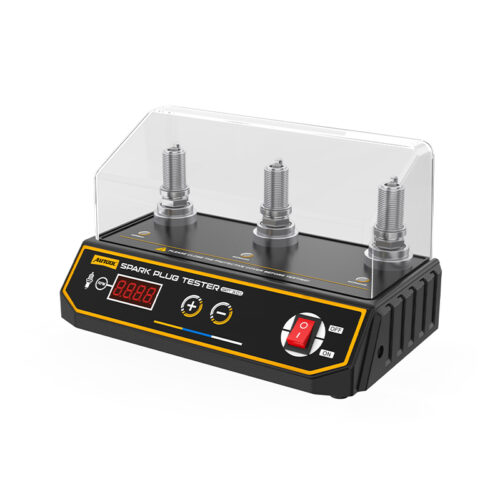
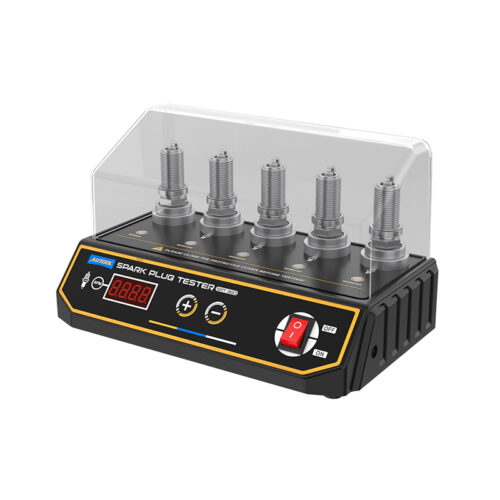
Verktyg för tändsystem
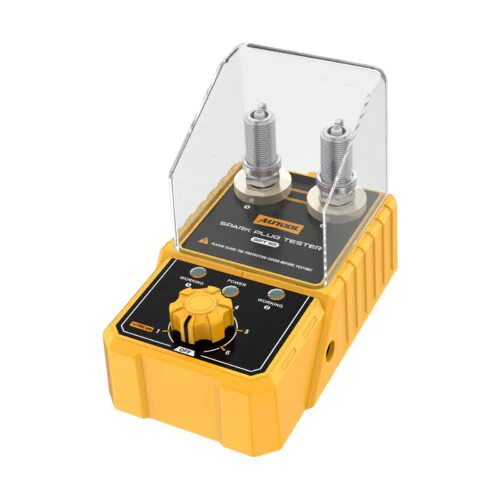
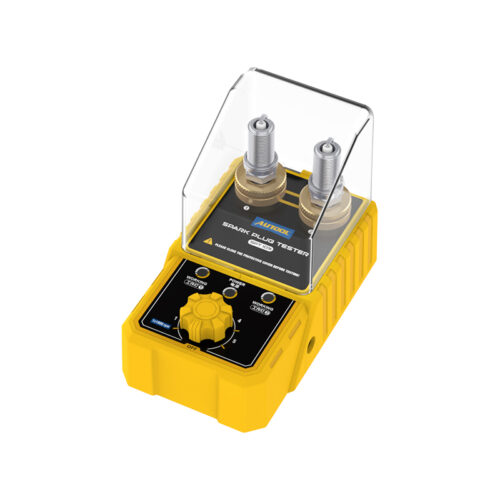
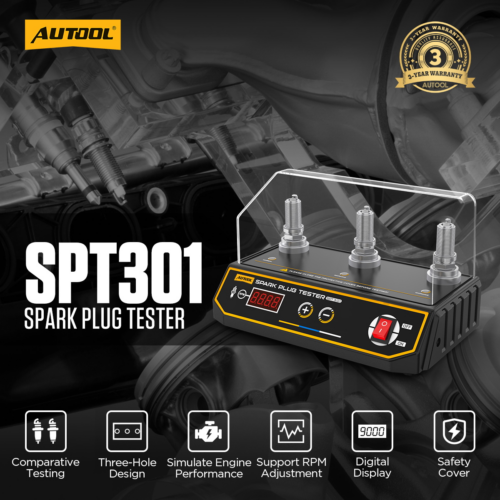
När vibrationer pekar mot tändstift eller tändspolar, hjälper det att undvika onödiga reparationer genom att testa tändsystemet innan delar byts ut.



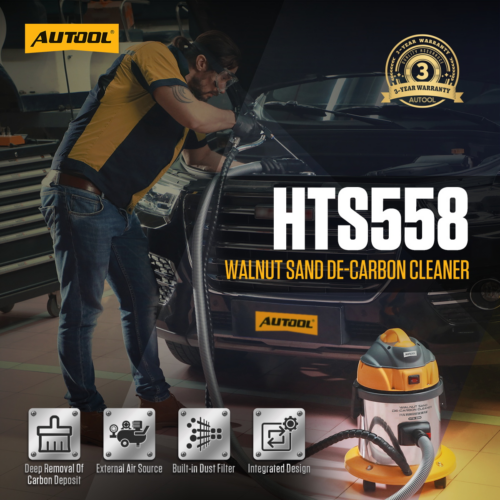
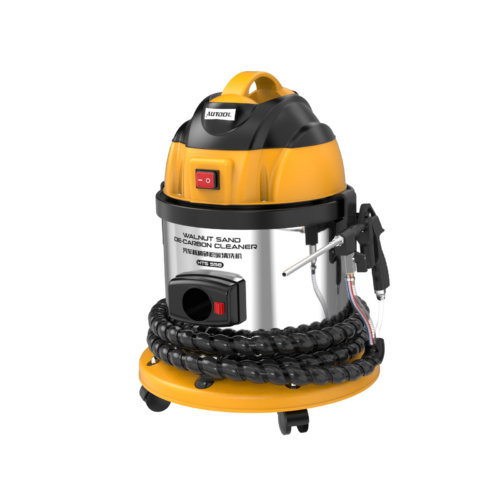
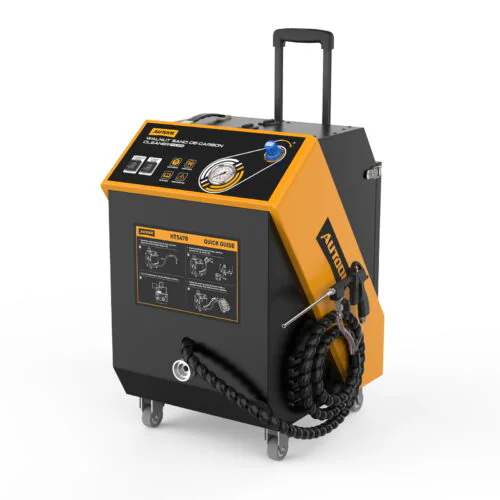
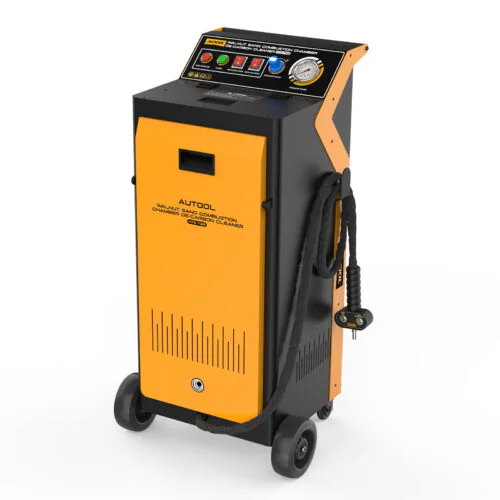
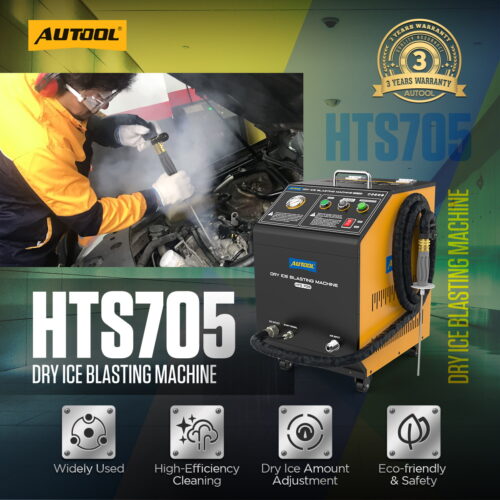
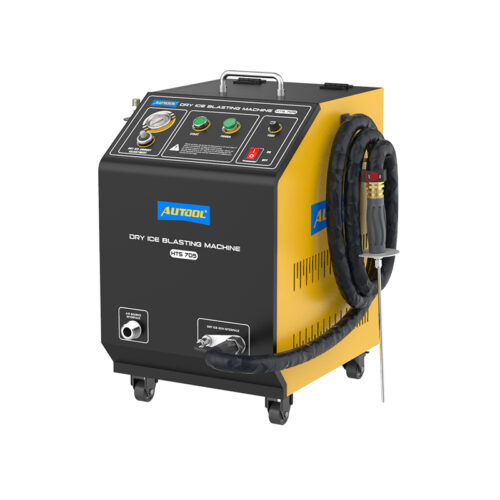
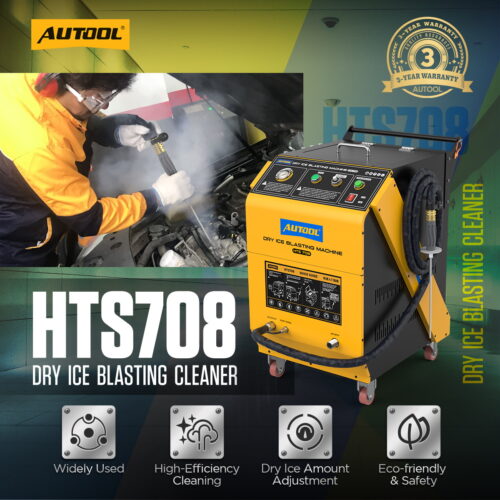
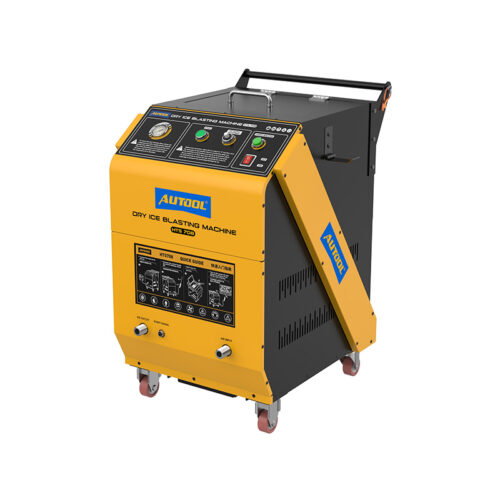
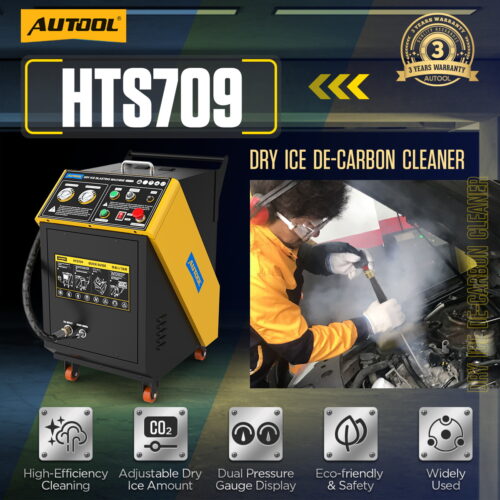
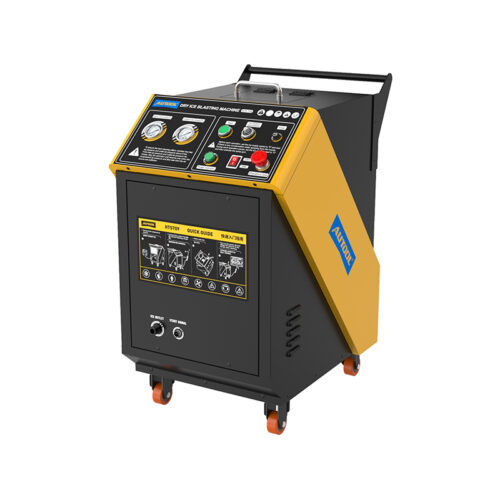
Verktyg för rengöring av kolavlagringar
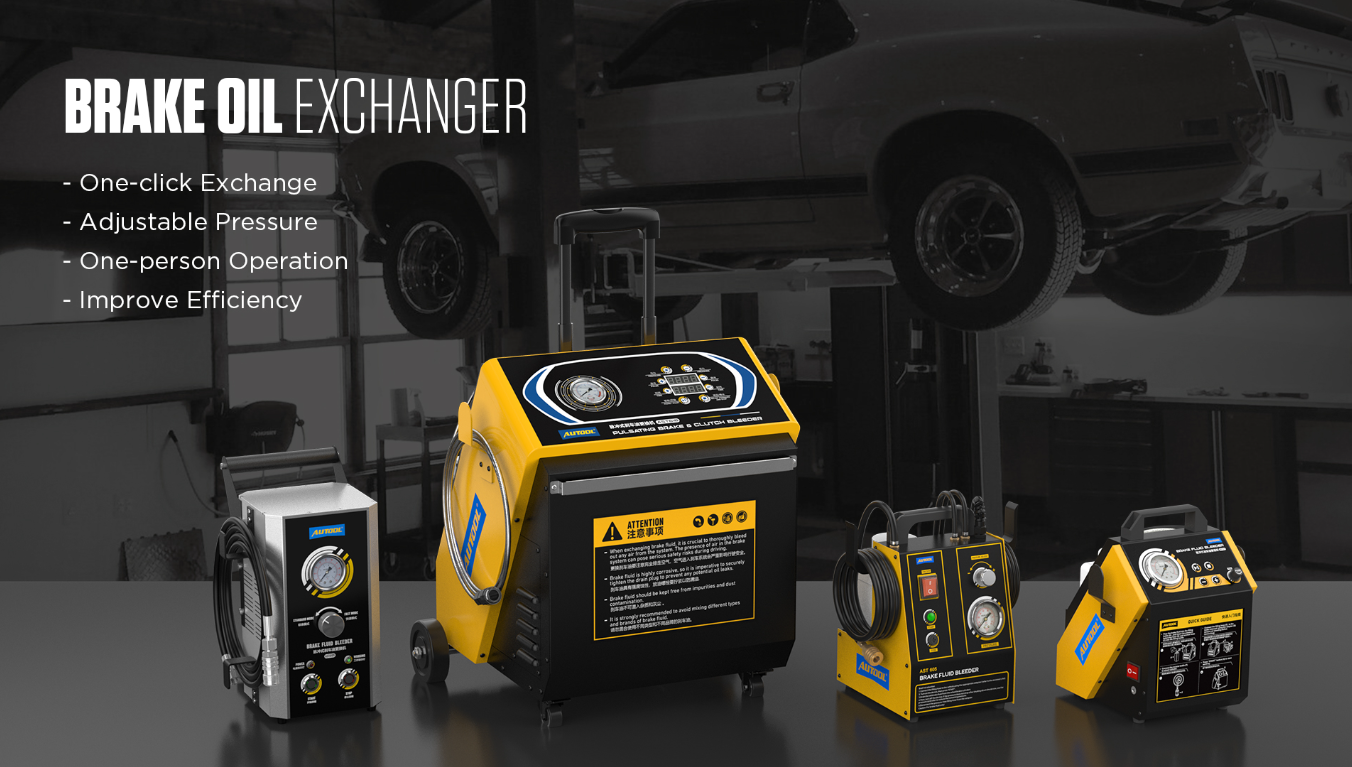
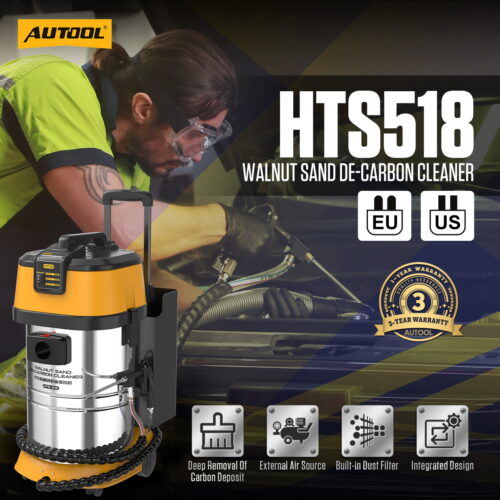
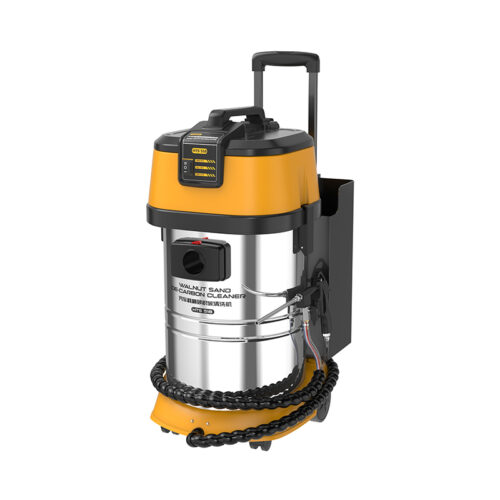
Om vibrationer är relaterade till kolavlagringar i spjällhuset, insugningssystemet, avgaskanalerna eller katalysatorn, kan rengöringsutrustning stödja ett riktat reparationsarbetsflöde.


Slutsats
Bilskakningar är vanliga, men de döljer ofta djupare mekaniska, elektriska eller strukturella fel. Oavsett om det inträffar vid tomgång, acceleration, inbromsning, körning i hög hastighet eller vid körning på ojämna vägar, förtjänar varje symptom uppmärksamhet.
Korrekt inspektion och riktade reparationer eliminerar inte bara vibrationer utan bidrar också till att förlänga fordonets livslängd och ge en säkrare och bekvämare körning.
För regelbundet underhåll, kontrollera tändningssystemet, hjulbalansen, drivaxeln, fjädringen och bromssystemet. Rengör kolavlagringar regelbundet och byt ut slitna komponenter omedelbart. Om onormala vibrationer eller ljud uppstår, boka professionell diagnostik tidigt eftersom små problem kan leda till större reparationer om de ignoreras.
Kontakta AUTOOL
För produktsupport eller frågor om verktygsval, kontakta AUTOOL via WhatsApp eller e-post.
Relaterade produkter
Renderas via WooCommerce-produktens kortkod så att korten ärver produktkortsstrukturen som används av referensinläggets layout.