AUTOOL Blogg, Köpguider
Hur man väljer rätt valnötsblästringsmaskin för dig

januari 25, 2026
Dela:
 autoolstore.com
Anpassningsförmåga är nyckeln
Innan du väljer en blästersats för valnöt, ställ två frågor: ”Vad ska jag rengöra?” och ”Hur ofta ska jag rengöra?” Dessa två svar påverkar direkt maskinens kärnparametrar och hjälper dig att undvika att betala för mycket för en alltför kraftfull modell eller köpa en maskin som är för svag och benägen att skada.
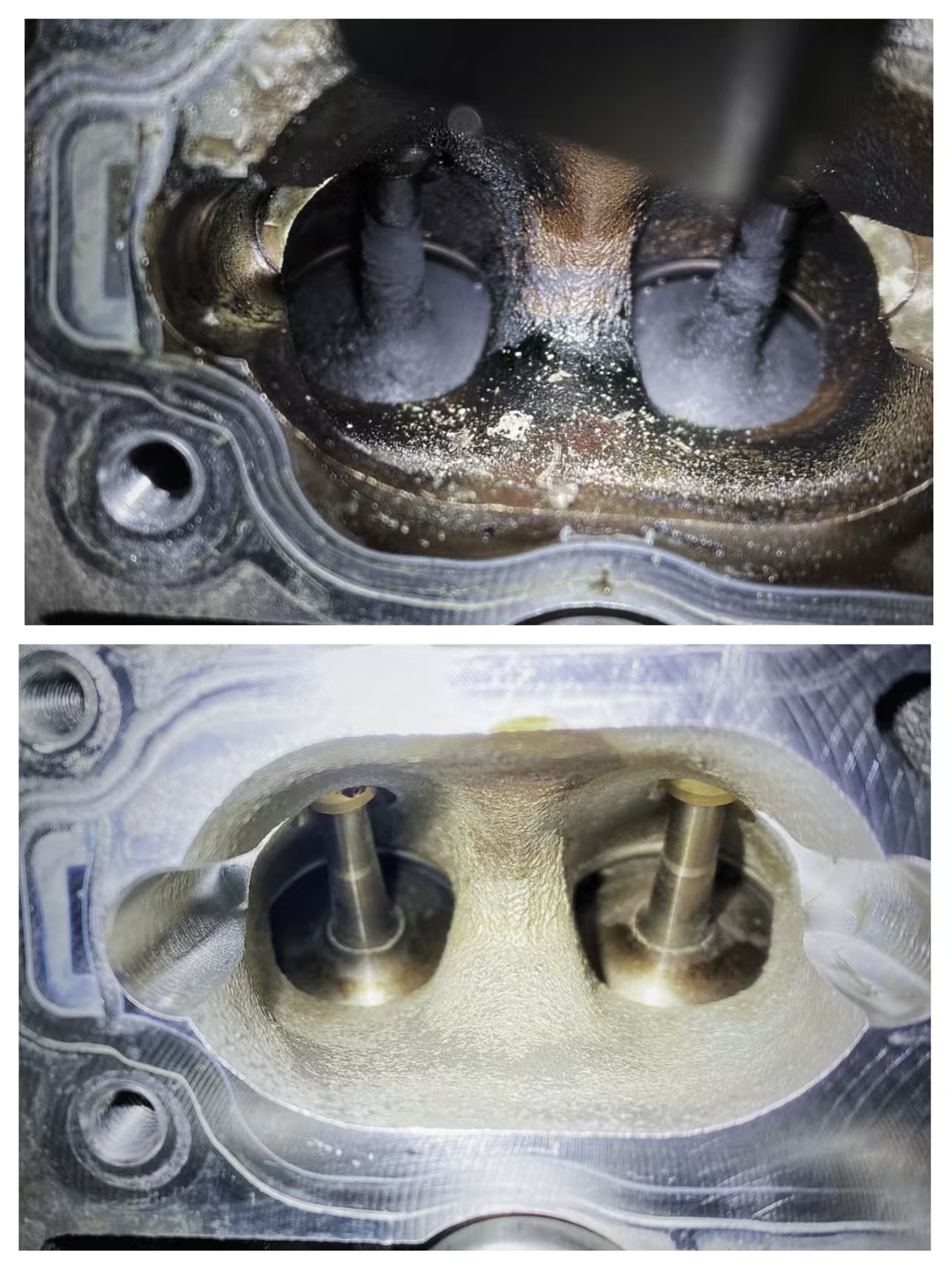
Om du bara behöver rengöra tändstift, spjällhus, insugningsventiler och andra små komponenter, välj ett kompakt och portabelt blästerverktyg i valnötsfärg. Fin kontroll är viktig eftersom ömtåliga delar inte bör skadas av överdimensionerat valnötsfärgat medium.
För motorcylindrar, insugningsgrenrör och förbränningskammare i bilar eller lastbilar bör du välja en medelstor standardmodell med stabilt tryck och effektiv cirkulation av valnötsskal som blästermedel.
För privata verkstäder, deltidsreparationsföretag eller sporadisk användning räcker en kostnadseffektiv grundmodell. Fokusera på stabila kärnfunktioner istället för att jaga extrafunktioner.
Stora bilverkstäder eller kedjebutiker bör leta efter avancerad industriell blästringsutrustning i valnöt med överbelastningsskydd, automatisk sandrengöring och frekvensjustering för långsiktig stabil drift.
Medelfrekvensanvändning skiljer sig från tillfällig personlig användning och storskaligt arbete i kedjebutiker. Små och medelstora reparationsverkstäder som hanterar dagliga beställningar behöver vanligtvis en mellanstor modell. I så fall blir hållbarheten och det enkla underhållet av valnötsmediecirkulationssystem särskilt viktigt eftersom driftstopp direkt påverkar driftseffektiviteten.
Parametrar som avgör rengöringsprestanda
Om dina behov är riktningen, är kärnspecifikationerna styrkan. En högkvalitativ blästermaskin i valnöt bör uppfylla standarder för effekt, cirkulation, lufttryck, mediekapacitet och noggrannhet i sandkontrollen.
| Specifikation | Vad man ska kontrollera | Varför det spelar roll |
|---|---|---|
| Kraftsystem | Kontrollera att strömgränssnittet matchar din befintliga luftkompressor. | Detta undviker extra adaptrar och säkerställer att kompressorn kan uppfylla maskinens driftskrav. |
| Mediecirkulation | Leta efter ett återvinnings- och filtreringssystem, särskilt för medel- och högfrekvent användning. | Valnötsmedia är en förbrukningsvara, så bättre cirkulation minskar de långsiktiga driftskostnaderna. |
| Filtreringsstruktur | Föredra filtergaller plus cyklonseparation på modeller i mellan- till högklass. | En återvinningsgrad på >=80 % är acceptabel, medan >=90 % är utmärkt för att kontrollera förbrukningskostnaderna. |
| Lufttryck och flöde av blästermedel | Välj justerbart tryck och flöde. | För lågt tryck kan inte avlägsna hårda kolavlagringar, men för högt tryck eller för stort flöde av blästermedel kan repa metallytor eller skada ventiltätningar. |
| Mediekapacitet och tätning | Små modeller är vanligtvis <=5 liter, medan mellanstora modeller ofta är 5-15 liter. | God tätning förhindrar medieläckage och dammspridning, vilket skyddar både förbrukningsartiklar och operatörens andningshälsa. |
Det ursprungliga rådet är tydligt: välj maskiner med filter i rostfritt stål eftersom de är mindre benägna att täppas till, mindre benägna att skadas och lättare att ta bort för rengöring. Detta minskar underhållstiden och hjälper till att hålla verkstaden igång.
Anpassa utrustningen till ditt arbetsflöde
När kärnspecifikationerna är täckta är nästa steg att matcha maskinen med din driftsmiljö, användningsmetod och tillgängligt utrymme. Detta gör utrustningen mer praktisk och förbättrar arbetseffektiviteten.
För garanti rekommenderar den ursprungliga vägledningen minst 1 års maskingaranti och 2 år på viktiga delar som motor, luftpump och cirkulationssystem. För större industrimodeller kan installation på plats eller teknisk support på distans minska kostnaderna för trial-and-error.
AUTOOL rekommendationer för valnötsblästringsmaskiner
Efter att ha förstått hur man väljer rätt valnötsblästringsmaskin kanske du fortfarande är osäker på vilket märke och modell du ska välja. AUTOOL Valnötsblästringsmaskiner är utformade för att passa verkstadsstorlekar av olika storlekar, från privata garage och medelstora reparationsverkstäder till stora kedjebutiker.
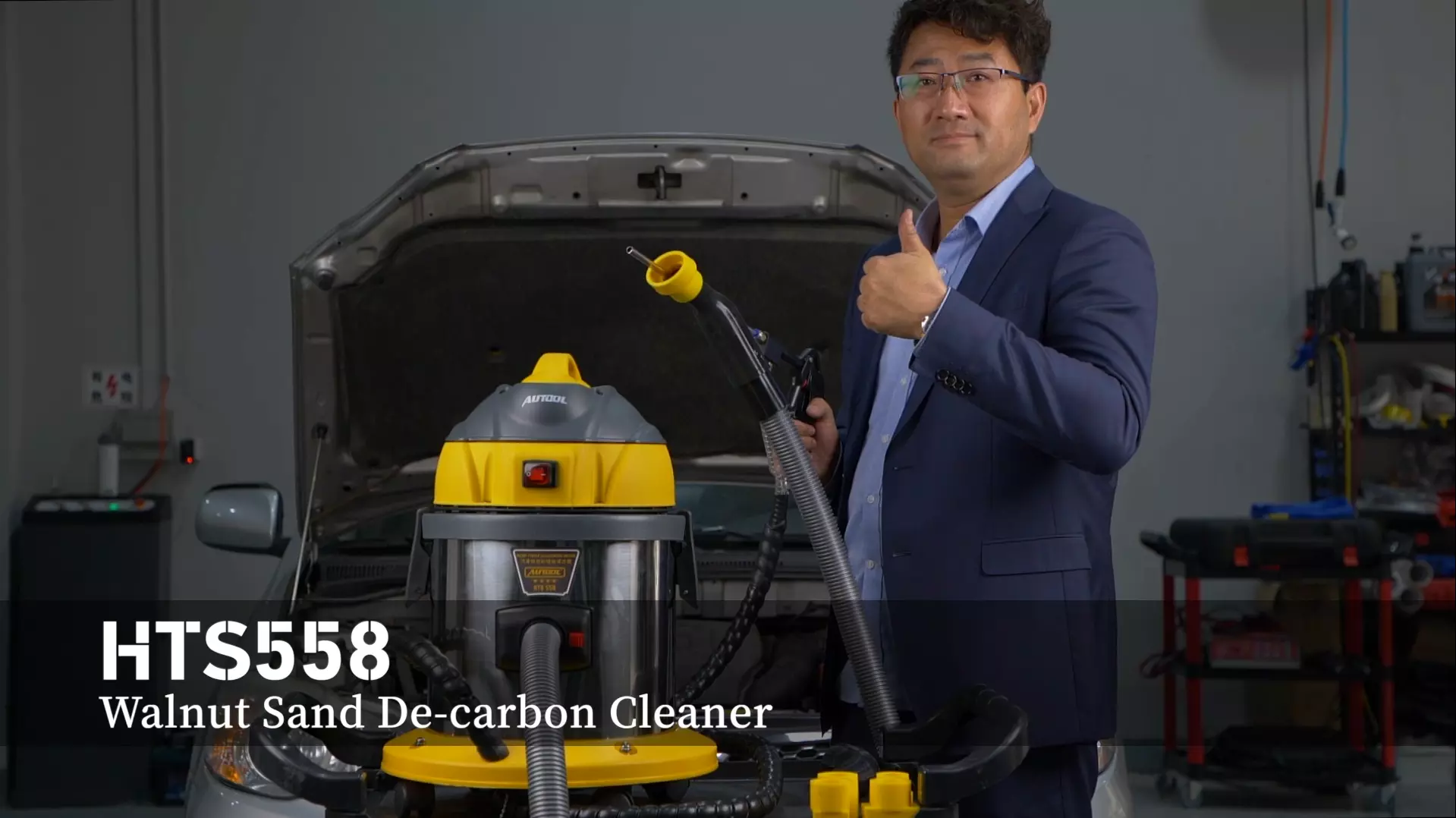
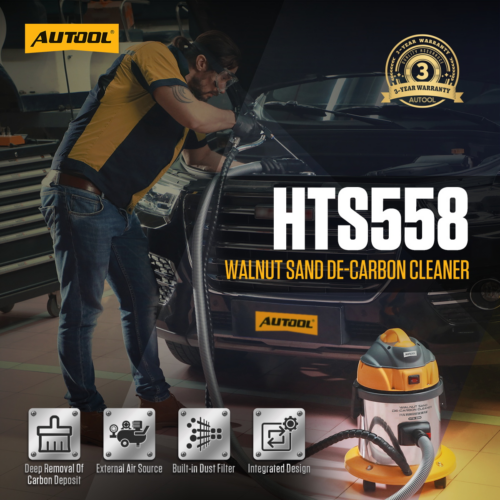
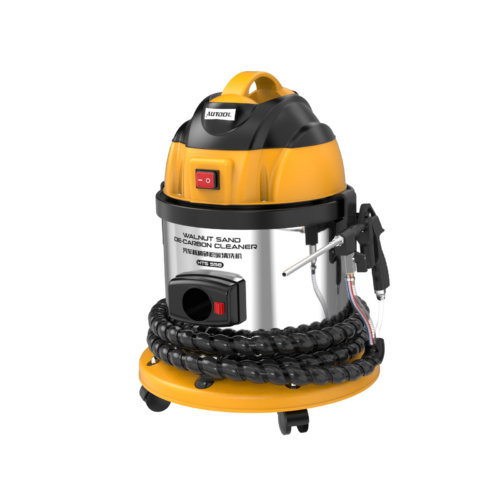
HTS558 är lämplig för lågfrekvent användning, privata verkstäder och deltidsreparationsföretag. Dess kompakta design, lätta struktur och viktiga funktioner gör den till ett kostnadseffektivt val.
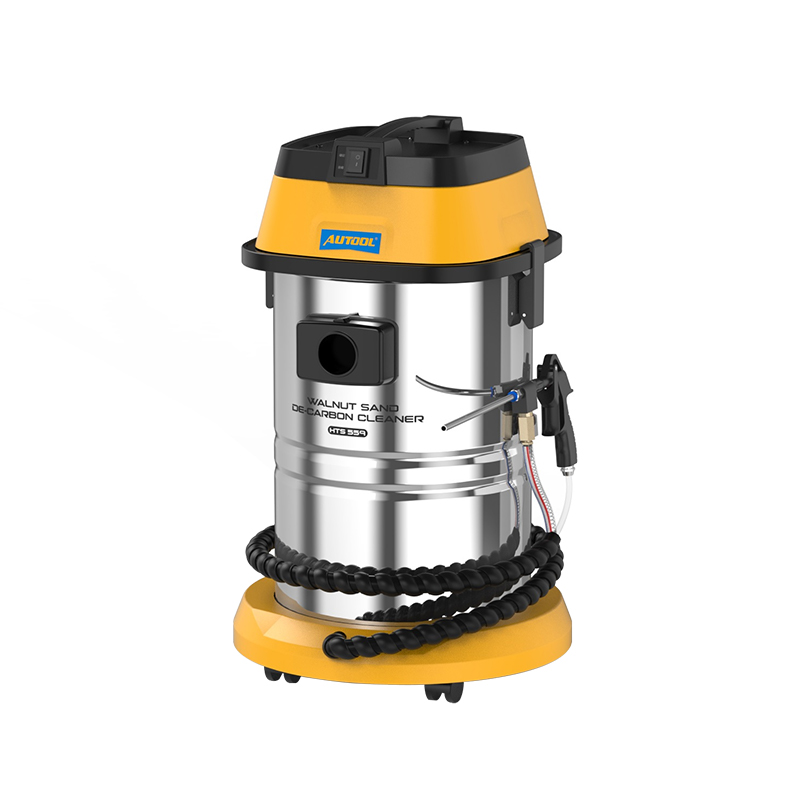
HTS559 är lämplig för verkstäder som behöver en starkare valnötsblästringsuppsättning än en maskin på instegsnivå, samtidigt som drift och underhåll fortfarande är praktiskt.
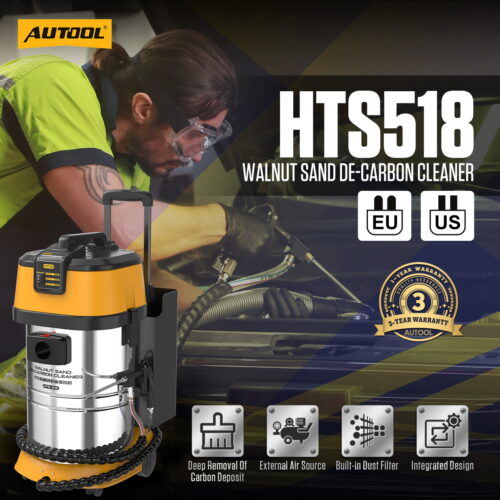
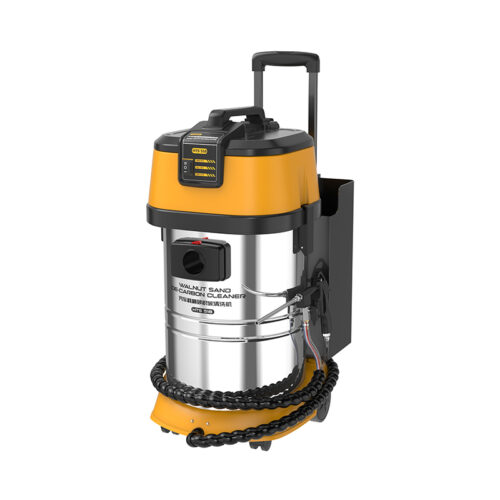
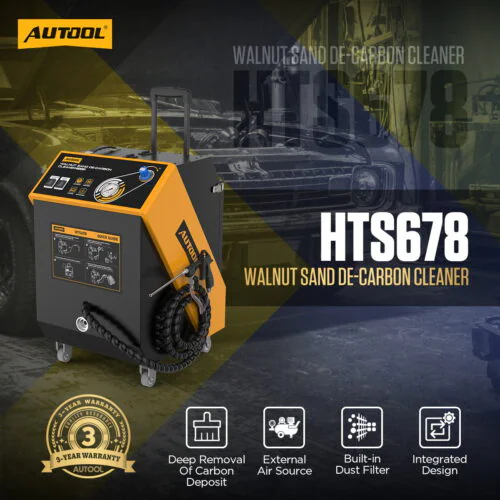
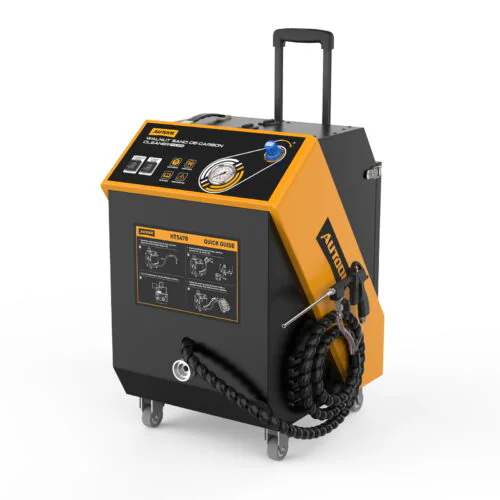
HTS518 och HTS678 stödja utökning av tjänster för borttagning av kolavlagringar för verkstäder som vill ha mer strukturerad insugs- och ventilrengöringskapacitet.
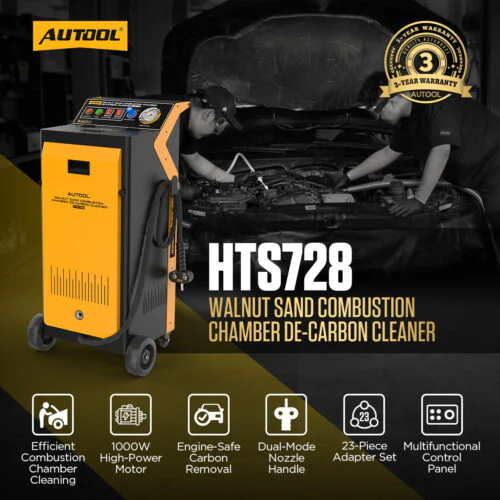
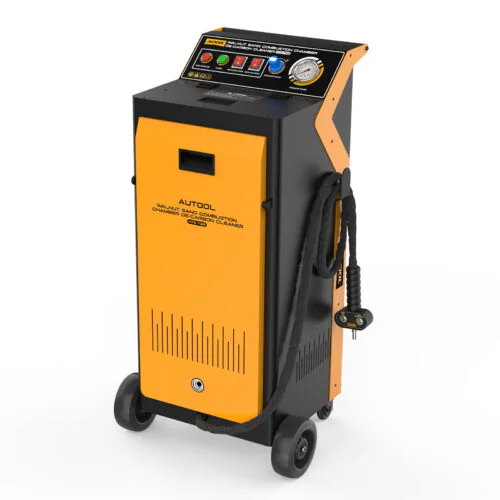
HTS728 är lämplig för medelhög till högfrekvent användning i små och medelstora verkstäder. Den använder ett effektivt cirkulationssystem med en återvinningsgrad av valnötsmedium på >=90 % och är kompatibel med de flesta vanliga fordon.
Valnötsblästringsmaskiner
Dessa kort använder WooCommerce-shortcodes så produktutdata följer samma globala kortstruktur som används av referenslayouten.
Välj utifrån verkliga behov, inte bara utifrån utseende
Den viktigaste logiken för att välja en blästringsmaskin för valnöt är enkel: definiera dina behov först, fokusera sedan på kärnspecifikationerna, matcha sedan maskinen till din arbetsmiljö och slutligen överväg eftermarknads- och förbrukningssupport.
Om du följer den här metoden är det osannolikt att du gör fel. AUTOOL Valnötsblästringsutrustning uppfyller dessa kriterier och är betrodd av många bilverkstäder. Oavsett om du driver en privat verkstad eller en stor reparationsanläggning, AUTOOL har en modell som kan passa dina behov.
Kontakta AUTOOL för att jämföra modeller och hitta rätt modell för din kolrengöringstjänst.
WhatsApp: +86 189 2647 7404
E-post: [email protected]
Relaterade produkter
Renderas via WooCommerce-produktens kortkod så att korten ärver den globala produktkortsstrukturen och Blocksy/WooCommerce-stilarna.