Tips & Tutorials

Does Engine Carbon Cleaning Really Work?

Engine carbon buildup is an almost unavoidable issue for every car owner. Whether the vehicle uses a traditional Multi-Point Fuel Injection (MPI) engine or a common Gasoline Direct Injection (GDI) engine, carbon deposits can lead to reduced power, increased fuel consumption, abnormal emissions, and even a check engine light.

So, does engine carbon cleaning really work? The answer depends on where the deposits are located, how severe the buildup is, and whether the right cleaning method is used. Light deposits may respond to routine maintenance, while heavy deposits on intake valves, piston tops, or combustion chamber walls often require professional equipment.

This guide explains how carbon deposits form, how to identify symptoms, and how to choose between fuel additives, throttle body cleaning, injector cleaning, walnut blasting, and dry ice blasting.

Basics 01

Engine deposits

What Is Carbon Build-Up in an Engine?

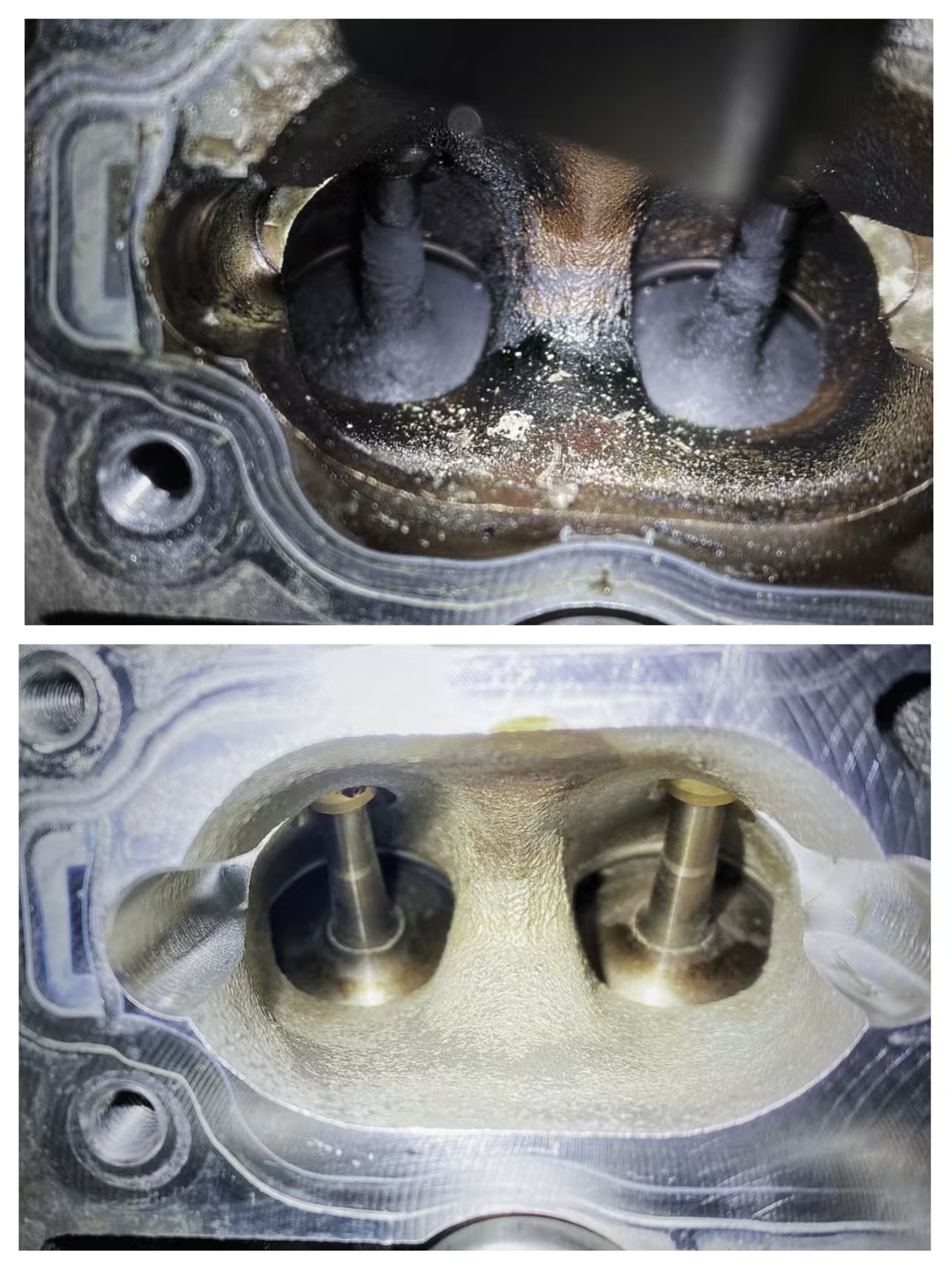
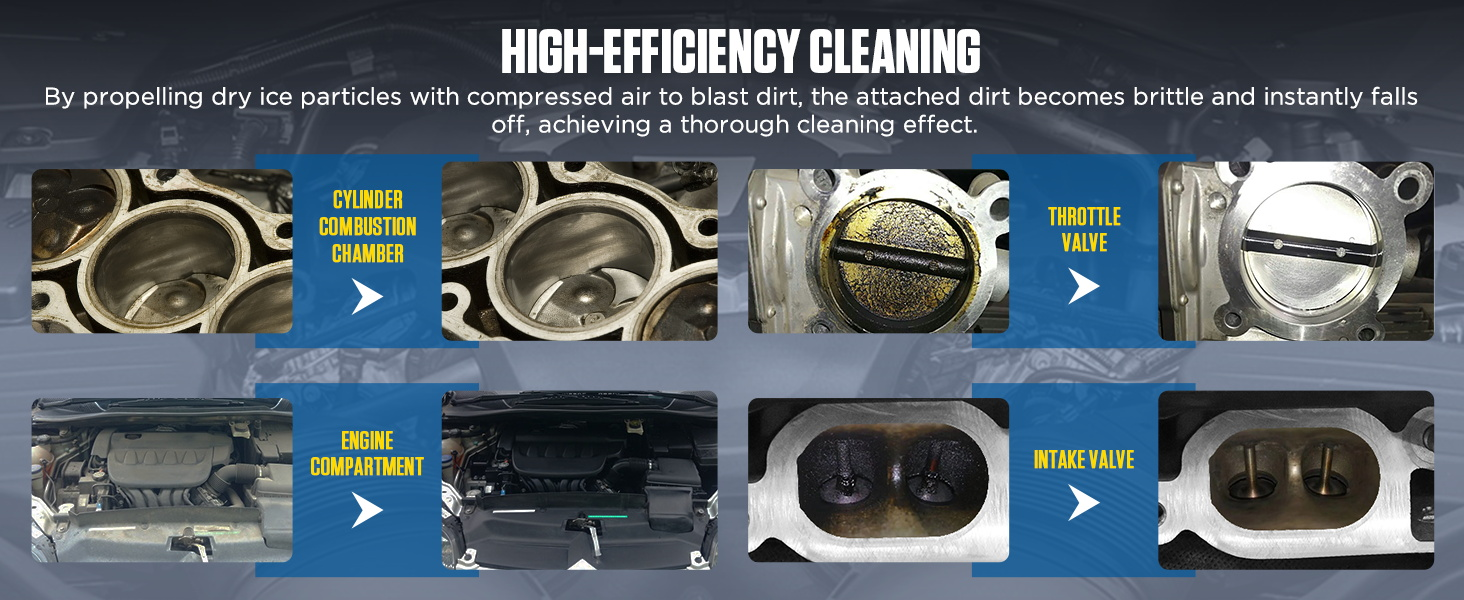
Carbon deposits are leftover residues formed when gasoline does not burn completely. Like tar, they create hard, sticky layers inside the engine. Carbon often builds up on fuel injector tips, the throttle body, the back of intake valves, the intake manifold, piston tops, combustion chamber walls, and inside turbochargers.

These deposits can reduce engine power, increase fuel use, and cause more pollution. When buildup becomes severe, it may also affect combustion stability, airflow, fuel atomization, and sensor readings.

Causes 02

Why deposits form

What Causes Carbon Deposits in Engines?

The formation of carbon deposits is a complex process related to combustion, oil management, fuel quality, and engine design. Key causes include:

1. Incomplete Combustion

When the engine frequently operates at low temperatures, during short trips, or in stop-and-go conditions, fuel cannot burn completely. Carbon residues gradually accumulate in the combustion chamber. This is especially common in congested urban traffic, where engine temperature may be insufficient for complete fuel atomization and combustion.

2. Oil Vapor Recirculation in GDI Engines

The Positive Crankcase Ventilation (PCV) system can carry oil vapors into the intake system. These vapors condense on the intake manifold or intake valves, forming sludge and carbon deposits. Over time, the deposits harden and affect airflow and fuel atomization.

3. Poor Fuel Atomization

When fuel injectors are contaminated by carbon or debris, the spray pattern worsens, fuel droplets become larger, and combustion efficiency decreases. Incomplete combustion then creates new deposits on valves, combustion chamber walls, or intake manifolds.

4. Low-Quality Fuel

Fuels with high sulfur content or low detergent levels tend to produce carbon residues that stick to engine components. Long-term use of low-quality fuel may also contribute to clogged injectors, oxygen sensor failure, and excessive emissions.

5. GDI Design Limitations

In Gasoline Direct Injection (GDI) engines, gasoline is injected directly into the combustion chamber and bypasses the intake valves. This prevents intake valves from being washed by fuel, making them more prone to hard carbon deposits than many traditional Multi-Point Fuel Injection (MPI) engines.

Symptoms 03

When to inspect

How to Tell if Your Car Has Carbon Build-Up

The more severe the carbon buildup, the more noticeable the vehicle’s performance issues become. Key symptoms include:

  • Rough cold start and unstable idleCarbon on intake valves or the throttle body can disrupt airflow and cause uneven combustion during cold starts or idling.
  • Increased fuel consumptionCarbon deposits on fuel injectors or in the combustion chamber reduce fuel atomization efficiency, causing the ECU to inject more fuel to maintain power.
  • Reduced power and sluggish accelerationCarbon in the combustion chamber can reduce compression efficiency and lower overall combustion performance.
  • Engine knocking or metallic tapping soundsHot spots formed by carbon deposits may trigger premature ignition. Persistent severe knocking can damage pistons or valves and shorten engine lifespan.
  • Abnormal emissions and check engine lightCarbon buildup can skew the air-fuel ratio, trigger oxygen sensor warnings, increase emissions, and illuminate the check engine light.
  • Sluggish start and poor gear shiftsCarbon on the throttle body can interfere with throttle opening measurements, causing ECU miscalculations, slow starts, or delayed automatic transmission shifts.
  • Visible black smoke or foul exhaust odorIncomplete combustion due to carbon deposits can produce black smoke and unpleasant exhaust odors, especially at low speeds or idle.
Methods 04

Cleaning strategy

How to Remove Engine Carbon Deposits

Carbon removal methods range from regular maintenance to professional cleaning techniques. Depending on the severity and location of deposits, the following methods are commonly used:

1. Regular Air Filter Replacement

Keeping the intake system clean prevents dust and debris from entering the engine. Check or replace air filters every 10,000-15,000 km.

2. Use High-Quality Fuel and Fuel Additives

Premium fuel burns more completely, and fuel additives can help clean injectors and combustion chamber surfaces, reducing carbon buildup at its source.

3. Regular High-Speed Driving

Driving at higher RPMs increases exhaust temperature and airflow, which may help loosen light carbon deposits.

4. Throttle Body Cleaning

Removing and cleaning the throttle body with a specialized solution can restore proper airflow and help resolve idle or startup issues.

5. Fuel Injector Cleaning

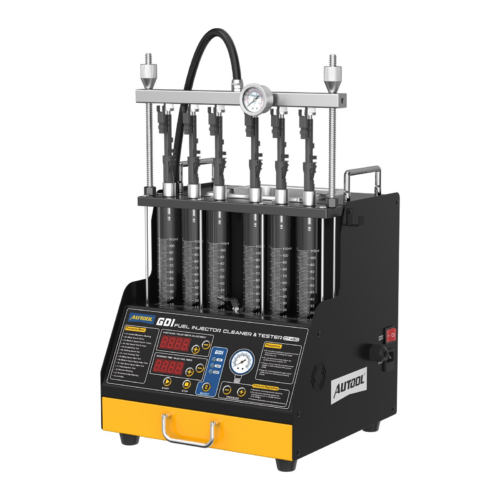
Carbon on injectors worsens fuel atomization. Injector cleaning solutions or car injector cleaning machines can help restore spray performance.

6. Intake Manifold and Valve Cleaning

Professional cleaning tools remove carbon from the intake manifold and valves, which is especially important for GDI engines. Walnut blaster equipment is commonly used in workshops.

7. Combustion Chamber Cleaning

Hard deposits inside the combustion chamber can be removed with specialized cleaners or professional methods such as walnut blasting. This restores compression and improves combustion efficiency.

8. Dry Ice Cleaning

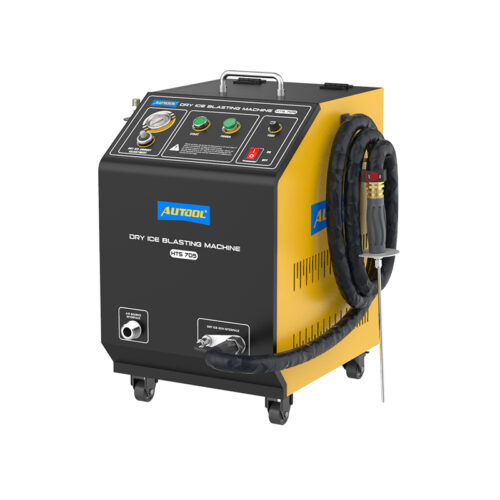
Dry ice blasting machines for cars use frozen CO2 pellets to crack carbon deposits, which are then blown away with airflow. This precise, non-damaging method is cost-effective and widely used in modern automotive maintenance.

Decision 05

Choose by severity

Which Cleaning Method Should You Choose?

Although engine carbon buildup cannot be completely avoided, proper maintenance and professional cleaning can effectively restore engine performance. Different levels of carbon deposits require corresponding cleaning methods:

Carbon Level Recommended Cleaning Method
Mild Carbon Buildup Air filter replacement, fuel additives, throttle body cleaning.
Moderate Carbon Buildup Fuel injector cleaning and intake manifold cleaning.
Severe Carbon Buildup Combustion chamber cleaning, dry ice blasting, or walnut blasting.

Proper carbon cleaning not only restores engine power and reduces fuel consumption, but also extends engine life. For high-mileage vehicles or GDI engines, regular carbon inspections and cleaning are especially important.

Summary 06

Summary

Engine carbon cleaning works when the method matches the problem. Light deposits may improve through regular maintenance and fuel-system care, while GDI intake-valve deposits, heavy combustion chamber carbon, and severe injector contamination usually require professional cleaning equipment.

For workshops, combining injector cleaning, walnut blasting, and dry ice blasting provides broader coverage for different deposit locations and vehicle conditions.

Contact AUTOOL

Want to learn more? Contact us to enjoy a 10% discount for new customers and a 3-year warranty.

Related Products

Rendered through WooCommerce product shortcode so the cards inherit the same product-card structure used by the reference post.

Lämna ett svar

Din e-postadress kommer inte publiceras. Obligatoriska fält är märkta *