Informações sobre reparos, Sem categoria
Guia profissional para troca do fluido de freio por tipo de sistema

Julho 4, 2025
Compartilhar:
 autoolstore.com
No sistema de segurança de um veículo, o sistema de freios é um dos componentes mais críticos, e o fluido de freio é o "sangue" que o mantém funcionando corretamente. À medida que mais motoristas e oficinas mecânicas reconhecem a importância da segurança na frenagem, a troca do fluido de freio tornou-se um item de manutenção que exige mais atenção.
O ponto importante é que os sistemas de freio dos veículos atuais não são todos iguais. Sistemas hidráulicos tradicionais, sistemas hidráulicos com assistência a vácuo, sistemas com controle eletrônico, sistemas EPB, sistemas de freio eletrônico (brake-by-wire), sistemas de frenagem regenerativa e sistemas pneumáticos possuem estruturas diferentes. Por isso, o método correto de troca do fluido de freio também varia de acordo com o tipo de sistema.
Este guia explica a função do fluido de freio, por que ele precisa ser substituído, quais os tipos de sistemas de freio mais comuns e como os métodos de substituição diferem entre os sistemas hidráulicos tradicionais e os modernos sistemas de freio eletrônicos.
Por que o fluido de freio é importante?
O fluido de freio desempenha um papel fundamental na transmissão de pressão dentro do sistema de freios. Quando o motorista pressiona o pedal do freio, o fluido de freio transfere rapidamente a força do pedal para as pinças ou tambores de freio, fazendo com que as pastilhas de freio entrem em contato com os discos ou tambores de freio. Esse atrito reduz a velocidade ou para o veículo.
O fluido de freio deve manter um desempenho estável sob altas temperaturas. A frenagem gera uma quantidade significativa de calor, e o fluido deve evitar a ebulição ou vaporização. Se houver formação de vapor nas linhas de freio, a pressão de frenagem pode se tornar insuficiente e o desempenho da frenagem pode cair. O fluido de freio também ajuda a proteger os componentes metálicos da corrosão, prolongando a vida útil do sistema de freios.
Especialistas geralmente recomendam a troca do fluido de freio a cada 2 ou 3 anos, ou após percorrer de 40 000 a 60 000 quilômetros. Esta é apenas uma recomendação geral. O intervalo ideal deve ser determinado pelas condições de uso do veículo e pelos resultados da análise do fluido de freio.
Se o veículo for frequentemente conduzido em ambientes empoeirados, úmidos ou com altas temperaturas, ou se for dirigido de forma agressiva, o sistema de freios estará sujeito a maior desgaste e o intervalo de troca deverá ser reduzido. Caso surjam sintomas como pedal de freio macio, distância de frenagem maior ou ruído anormal durante a frenagem, verifique imediatamente o nível do fluido de freio e troque-o o quanto antes, se necessário.
Escolha o método pela arquitetura do freio.
Um sistema amplamente utilizado em carros e motocicletas. Ele usa a força hidráulica para amplificar e transmitir a força do pedal aos freios das rodas. Sua confiabilidade, custo-benefício e maturidade o tornam uma solução convencional para veículos de passageiros e comerciais.
Comum em veículos a gasolina e alguns híbridos. Um servofreio amplifica a força aplicada pelo motorista, e então o sistema hidráulico aplica a força de frenagem. Ele ainda predomina em veículos movidos a combustíveis fósseis, embora os veículos de novas energias utilizem cada vez mais tecnologias de frenagem eletrônica.
Sistemas como ECB, ABS e ESP utilizam controle eletrônico para tornar a frenagem mais inteligente e precisa. O artigo original mencionava a rápida adoção e a expansão esperada com o desenvolvimento da mobilidade inteligente.
O EPB aprimora o freio de mão tradicional com controle eletrônico e funções inteligentes. Sua evolução reflete a tendência em direção a sistemas de chassi eletrificados e integrados.
O sistema de freio eletrônico (brake-by-wire) substitui a transmissão hidráulica ou mecânica tradicional por sinais elétricos, oferecendo resposta mais rápida, menor peso e maior inteligência para veículos de última geração.
Utilizado em modelos EV e HEV. Durante a desaceleração ou frenagem, o motor converte a energia cinética em energia elétrica e a armazena na bateria, melhorando a autonomia e reduzindo o desgaste mecânico dos freios.
Projetado para veículos comerciais médios e pesados, como caminhões, ônibus e máquinas de construção. Utiliza ar comprimido para transmitir a força de frenagem e pode incluir funções EBS e AEBS em veículos modernos.
Métodos de substituição de óleo por sistema
O fluido de freio é o meio de transmissão de pressão e energia no sistema de freios. À medida que os sistemas de freios evoluem de sistemas hidráulicos mecânicos para sistemas de controle eletrônico complexos, a substituição do fluido de freio também mudou. O método correto depende da estrutura de controle, dos módulos envolvidos, do projeto do circuito de óleo e se o sistema requer uma ferramenta de diagnóstico.
Este artigo apresenta principalmente dois métodos comuns de substituição: um método de sangria do fluido de freio para sistemas hidráulicos tradicionais e um método assistido por ferramenta de diagnóstico para sistemas de controle eletrônico.
Sistemas hidráulicos e assistidos por vácuo
Este método aplica-se a sistemas de freio hidráulicos tradicionais e a sistemas de freio hidráulicos com assistência a vácuo. Esses sistemas são adequados para a maioria dos veículos a gasolina mais antigos e para a maioria dos veículos a gasolina modernos.
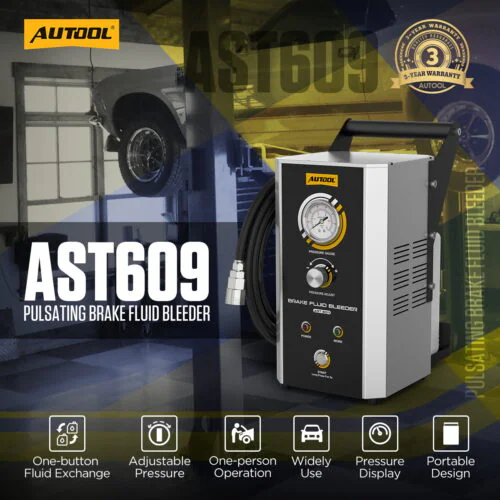
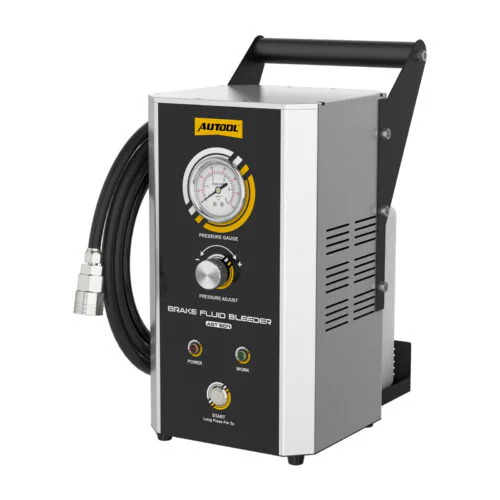
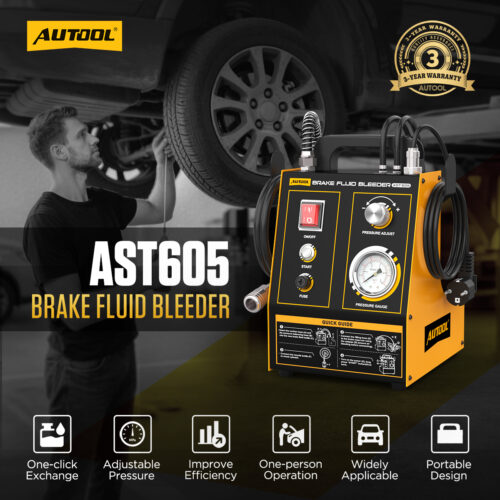
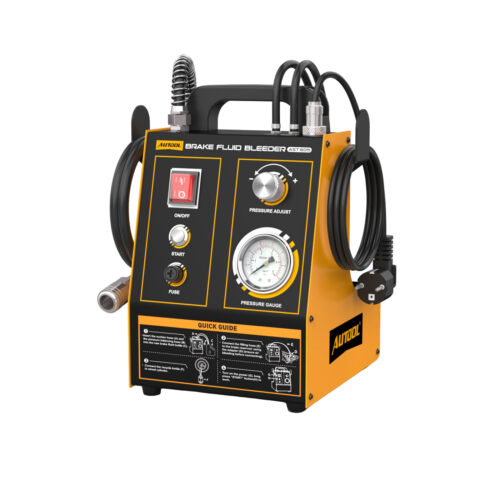
O método de substituição para ambos os sistemas é praticamente o mesmo e inclui duas abordagens comuns: substituição por gravidade e substituição por pressão. A substituição por gravidade utiliza a diferença de nível do líquido, permitindo que ele flua naturalmente pelo dreno. É um método simples, mas pode deixar resíduos do fluido antigo. A substituição por pressão utiliza equipamentos especializados para impulsionar ou trocar o fluido de forma mais eficiente e com menos resíduos. AUTOOL A série AST oferece o método de substituição do fluido pressurizado.
Durante a substituição, verifique se há fluido suficiente no reservatório de óleo novo. O equipamento pode não parar imediatamente se o reservatório ficar vazio. Se o reservatório ficar vazio, mas o equipamento continuar a injetar fluido, pode entrar ar no sistema. A função de desligamento por baixo nível de óleo visa proteger contra o esgotamento total do fluido do veículo, mas os operadores devem monitorar o reservatório durante todo o processo.
Sistemas de controle eletrônico
Este método aplica-se a sistemas de freio com controle eletrônico, sistemas de freio de estacionamento eletrônico e sistemas de frenagem regenerativa. Como esses sistemas podem não possuir servofreios de grande porte e estruturas de vácuo tradicionais, os técnicos nem sempre podem utilizar apenas os métodos de sangria convencionais. Os requisitos de equipamento são mais exigentes.
Recomenda-se o uso do AUTOOL Sangrador de fluido de freio da série AST, que pode fornecer uma pressão de reposição estável de 2 a 3 bar. Um dispositivo de diagnóstico, como o LAUNCH X431 Ferramenta de diagnóstico que pode ser usada em conjunto com o sangrador de fluido de freio. Essa combinação permite a substituição do fluido dos sistemas ABS e EPB e é adequada para diversos modelos de veículos.
Após a substituição do fluido, alguns veículos, especialmente os elétricos ou aqueles equipados com sistemas EPB, exigem uma ferramenta de diagnóstico para redefinir o sistema.
Teste de freio antes da entrega
Após a substituição, realize as seguintes verificações para confirmar se o sistema de freios está funcionando corretamente.
| Item de verificação | Instrução |
|---|---|
| Nível do fluido de freio | Abra a tampa do reservatório de fluido e verifique se o nível está entre as marcações MIN e MAX. |
| Sensação do pedal | Pressione o pedal do freio várias vezes. O pedal deve ficar firme gradualmente e não deve parecer esponjoso ou afundar sob pressão. |
| Parafusos da pinça de freio | Certifique-se de que os parafusos da pinça estejam totalmente apertados e que não haja vazamentos de fluido no sistema de freio. |
| Vedação do bujão de drenagem | Verifique a integridade de todos os componentes para evitar vazamentos de óleo ou fluidos. |
| Luzes de aviso do painel | Certifique-se de que nenhuma luz de advertência do ABS, EPB ou do sistema de freios permaneça acesa no painel. |
| Desempenho de frenagem em teste de estrada | Realize um teste de curta distância para verificar a resposta dos freios e confirmar o desempenho normal da frenagem. |
Problemas comuns após a substituição
Operação incorreta ou ferramentas incompatíveis podem causar problemas comuns durante a troca do fluido de freio. Use a tabela abaixo para solucionar problemas rapidamente, aumentar a eficiência do trabalho e reduzir retrabalho.
| Problema Sintoma | Possível causa | Solução |
|---|---|---|
| Pedal macio, frenagem fraca | Ar nas linhas de freio | Repita o processo de sangria do sistema para garantir que não restem bolhas de ar. |
| A luz do ABS permanece acesa. | Bomba ABS não ativada ou códigos de falha residuais | Ative a bomba do ABS usando uma ferramenta de diagnóstico e apague o código de falha (DTC). |
| A cor do fluido antigo permanece após a substituição. | Substituição incompleta de fluidos | Utilize a função de troca de fluidos por um período mais longo ou ative o módulo ESP. |
| Não foi possível drenar o fluido das rodas traseiras. | As pinças EPB não foram divulgadas. | Libere o sistema EPB usando uma ferramenta de diagnóstico. |
| Aviso no painel ou freios que não funcionam após a substituição | Modo de manutenção não ativado em veículos elétricos | Desligue a alimentação de alta tensão ou entre no modo de serviço antes de prosseguir. |
O sistema de freios é fundamental para a segurança do veículo, e o fluido de freio afeta diretamente a transmissão da força de frenagem. Com a evolução da tecnologia veicular, do ABS para o EPB e sistemas de freio eletrônico (brake-by-wire), a troca do fluido de freio deixou de ser um simples processo de drenar o fluido antigo e adicionar fluido novo. Agora, requer o procedimento correto, ferramentas adequadas, suporte de diagnóstico quando necessário e verificação final.
Para sistemas hidráulicos tradicionais e sistemas de frenagem assistida por vácuo, um sangrador de fluido de freio pode realizar a substituição do fluido pressurizado de forma eficiente. Para sistemas de freio com controle eletrônico, sistemas EPB e sistemas de frenagem regenerativa, uma ferramenta de diagnóstico e um sangrador de fluido de freio devem ser usados em conjunto para entrar no modo de serviço, liberar as funções do EPB, ativar os módulos e apagar os códigos de falha.
Contato AUTOOL Para obter conhecimento especializado sobre a substituição do fluido de freio e recomendações de ferramentas.
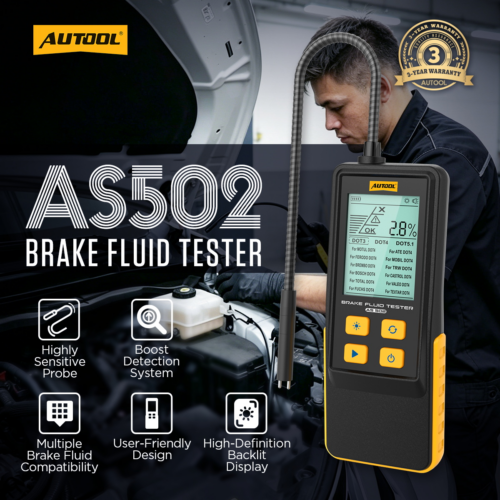
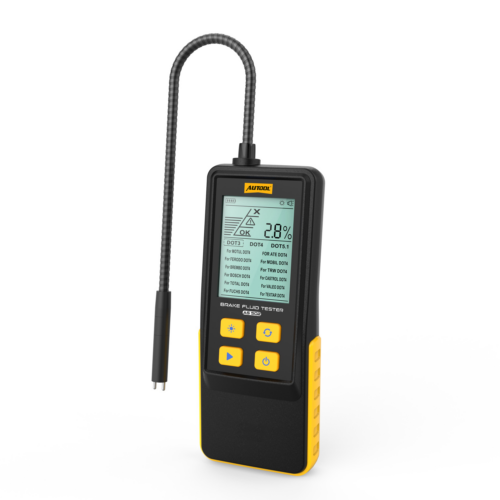
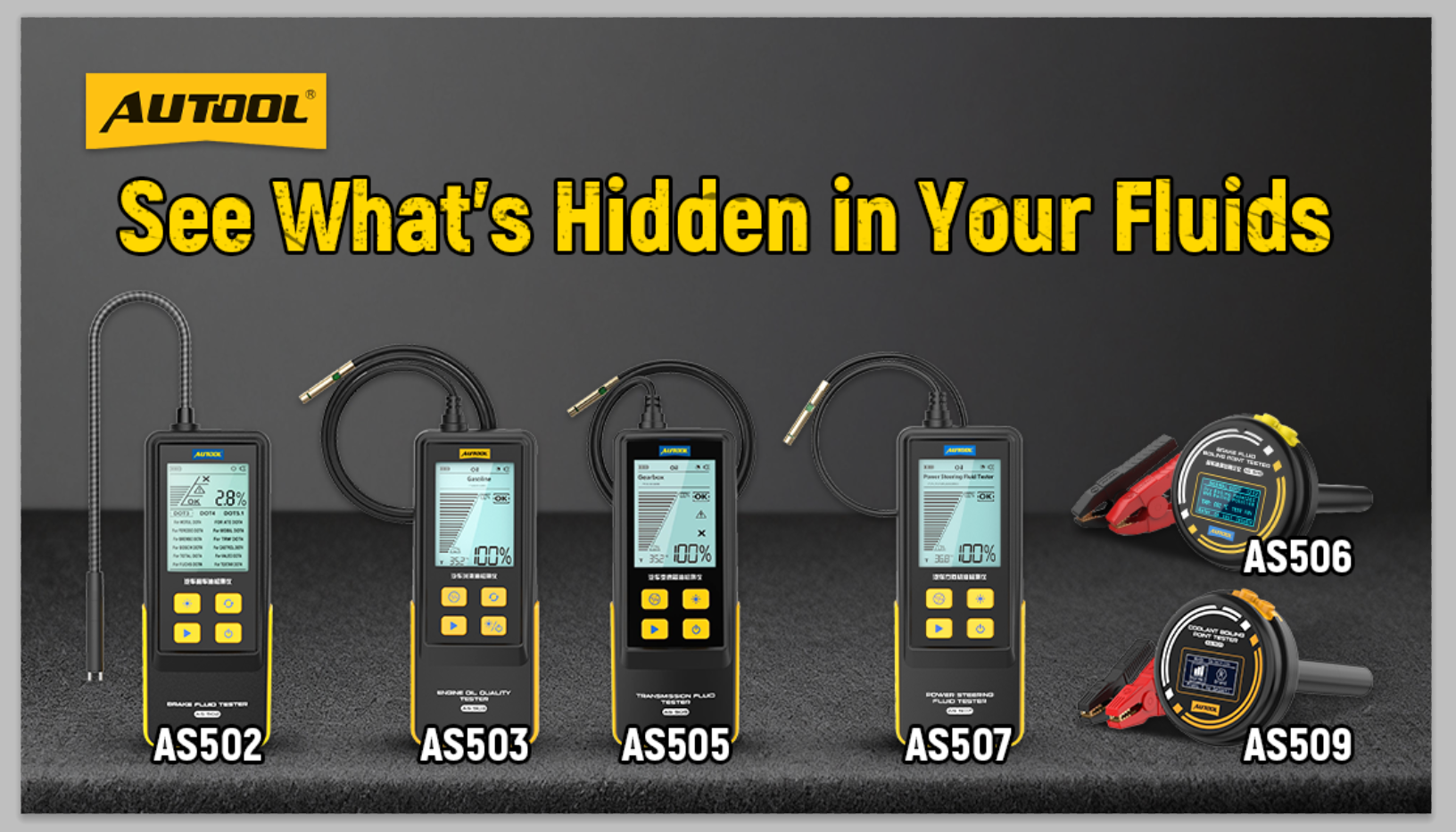
Contato AUTOOL Compare sangradores de fluido de freio, testadores de fluido de freio e ferramentas de diagnóstico para sua oficina.
Produtos relacionados
Renderizado através do shortcode do produto WooCommerce, de forma que os cards herdem a mesma estrutura de card de produto usada no layout da postagem de referência.