AUTOOL Blogs
Vai automašīnas pārbaudes kamera ir nepieciešams remonta instruments automašīnu apkopē?

28 augusts, 2025
Kopīgot:
 autoolstore.com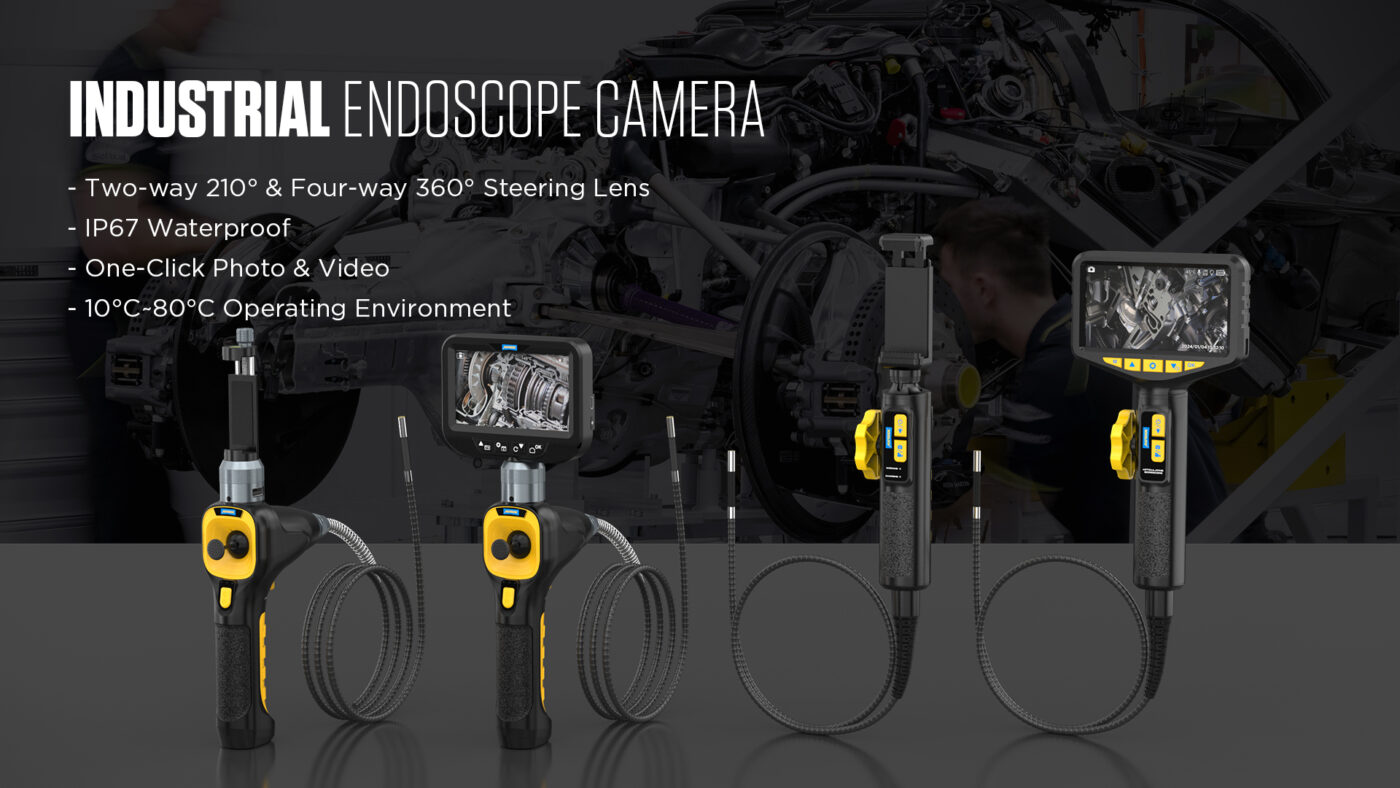
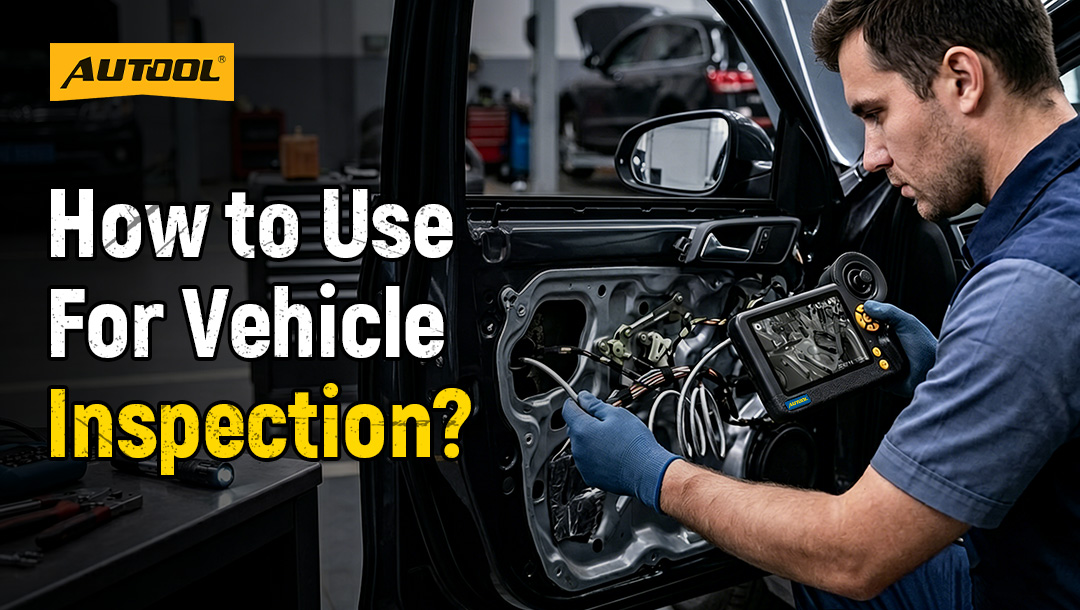
Kad tiek pieminēts termins “endoskops”, daudzi cilvēki uzreiz domā par tā pielietojumu medicīnas jomā. Tomēr automobiļu remontā automobiļu pārbaudes kamera ir arī bieži izmantots būtisks instruments tehniķiem.
Tādu zonu kā dzinēju un ieplūdes sistēmu šauro un sarežģīto struktūru dēļ tehniķiem bieži vien ir grūti atklāt slēptas problēmas ar neapbruņotu aci. Bez atbilstoša pārbaudes aprīkojuma daudzas kritiskas problēmas var palikt nepamanītas. Šajā rakstā ir aprakstīts automobiļu endoskops, ko sauc arī par automobiļu pārbaudes kameru, un paskaidrots, kā tas palīdz tehniķiem veikt remontu efektīvāk un precīzāk.
Automobiļu pārbaudes kameru pamati
Endoskops ir specializēta ierīce, ko izmanto dažādās jomās, piemēram, automobiļu remontā, aviācijā un kosmosā. Automobiļu remontā to parasti izmanto, lai pārbaudītu dzinēja iekšējo stāvokli un citas grūti sasniedzamas vietas, neizjaucot dzinēju.
Ierīce parasti sastāv no garas, elastīgas caurules, kuras vienā galā ir kamera vai optiskā lēca, bet otrā galā — okulārs vai monitors. Endoskops tiek ievietots caur mazām atverēm vai atverēm dzinējā, ļaujot tehniķiem pārbaudīt tādas vietas kā cilindri, vārsti un sadegšanas kameras, vai tajās nav nodiluma, bojājumu vai gružu.
Šī neinvazīvā metode ir svarīga dzinēja veselības uzturēšanai, potenciālu problēmu identificēšanai un optimālas veiktspējas nodrošināšanai bez nevajadzīgas demontāžas.
Kāpēc tehniķi izmanto automašīnas endoskopu
Automašīnas endoskopa izmantošanas priekšrocības dzinēja pārbaudei ietver paaugstinātu efektivitāti problēmu identificēšanā, samazinātu dīkstāves laiku apkopes laikā un nevajadzīgas dzinēja izjaukšanas novēršanu. Tas palīdz ietaupīt gan laiku, gan izmaksas, vienlaikus ļaujot tehniķiem veikt rūpīgāku grūti sasniedzamu vietu pārbaudi.
Endoskops var iekļūt šaurās telpās, piemēram, dzinēja blokā, cilindros, ieplūdes sistēmā un izplūdes caurulēs, atklājot problēmas, kuras ir grūti pamanīt ar neapbruņotu aci.
Tas ļauj veikt iekšējo pārbaudi, neizjaucot lielas detaļas, tādējādi palīdzot izvairīties no nevajadzīgas demontāžas un ietaupot gan laiku, gan remonta izmaksas.
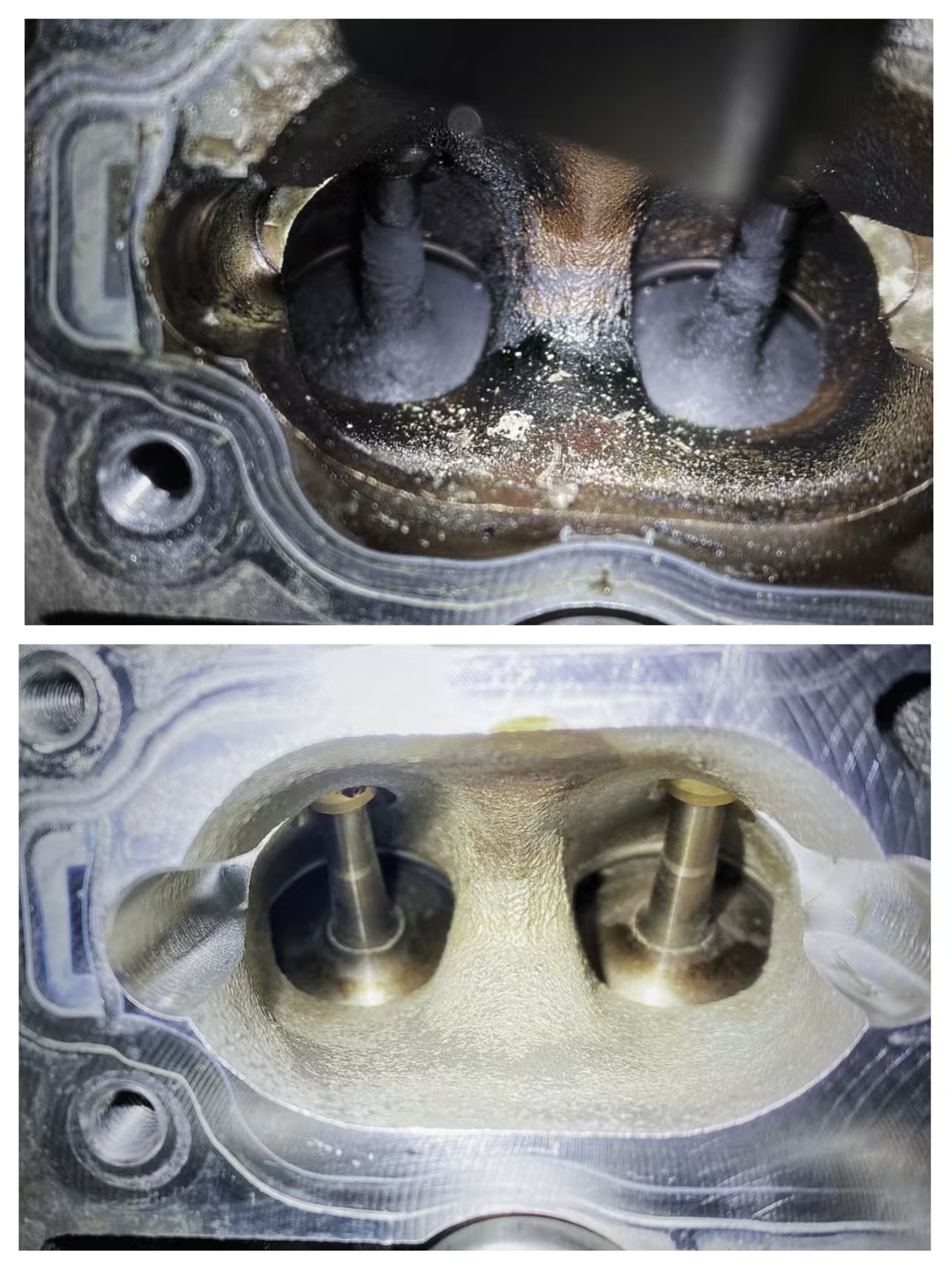
Tas palīdz laikus identificēt oglekļa nogulsnes, nodilumu, plaisas un svešķermeņus, samazinot remonta izmaksas, kas saistītas ar šo problēmu saasināšanos.
Ātri nosakot defektu atrašanās vietu, endoskops palīdz izvairīties no akla remonta, samazinot darbaspēka izmaksas un nevajadzīgu detaļu nomaiņu.
Pārbaudes process ir intuitīvs un ātrs, ievērojami saīsinot remonta laiku un uzlabojot darbnīcas produktivitāti.
Endoskopu var izmantot ne tikai dzinēja pārbaudei, bet arī transmisijas sistēmām, gaisa kondicionēšanas līnijām, virsbūves spraugām un citām slēptām vietām.
Kādas ir atšķirības starp tirgū pieejamajiem automašīnu boreskopiem?
Automobiļu boreskopi virspusēji var izskatīties līdzīgi, taču patiesās atšķirības ir displeja tipā, zondes diametrā, lēcas dzidrumā, lēcas leņķī, apgaismojumā, aizsardzības iespējās un ierakstīšanas funkcijās. Šīs atšķirības nosaka, vai instruments ir labāks vienkāršām neregulārām pārbaudēm vai profesionālai diagnostikai darbnīcā.
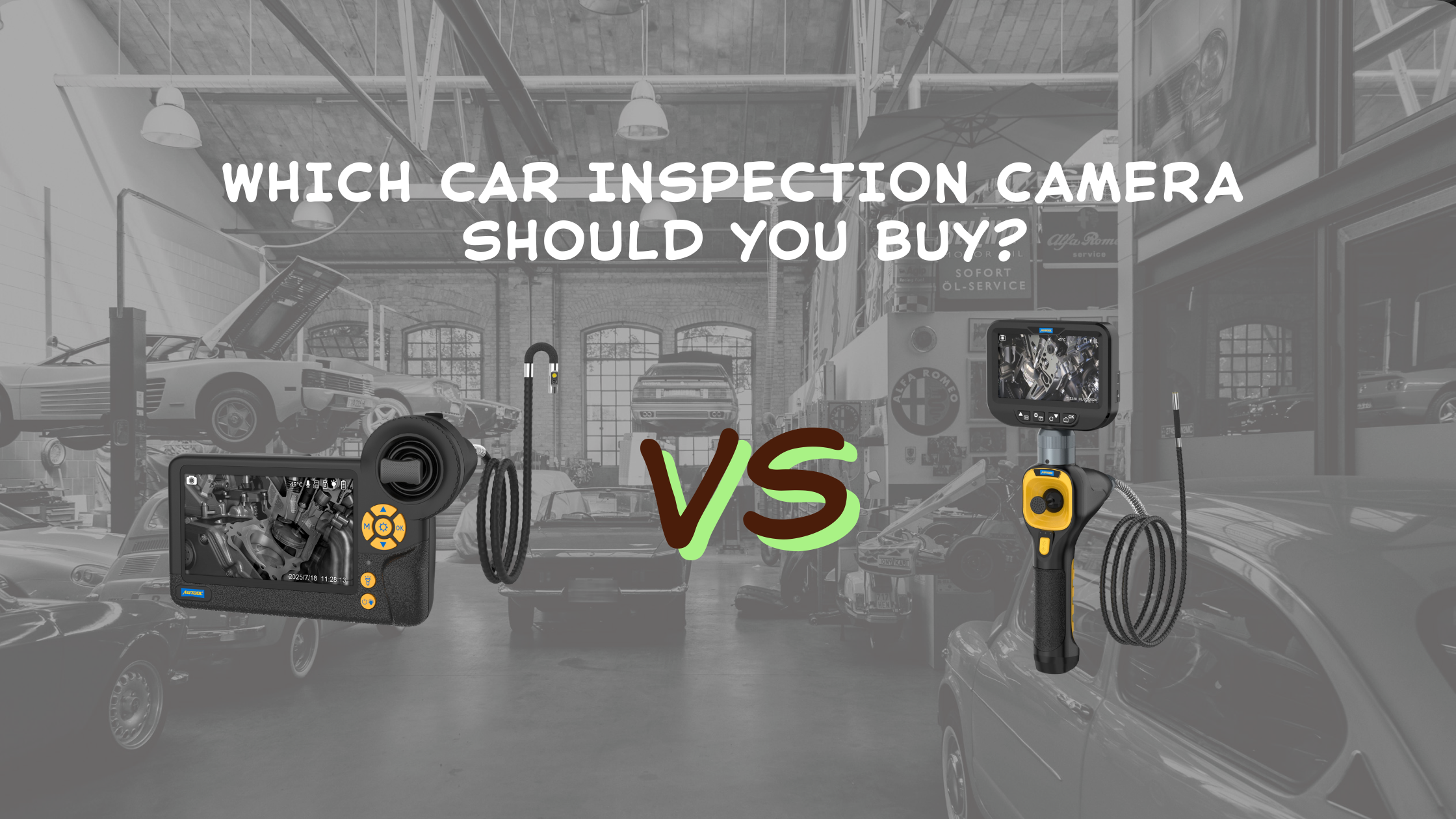
Neatkarīgs ekrāna tips: Aprīkots ar iebūvētu displeja ekrānu un to var nekavējoties lietot bez tālruņa vai datora savienojuma.
Mobilā savienojuma veids: Izveido savienojumu ar viedtālruni, izmantojot Wi-Fi vai USB, piedāvājot pieejamāku un pārnēsājamāku iespēju, taču tas ir atkarīgs no tālruņa saderības.
Datora savienojuma veids: Izveido savienojumu ar datoru, padarot to piemērotu remontdarbnīcām, kurām nepieciešams reģistrēt un saglabāt pārbaudes ziņojumus. Tas ir mazāk pārnēsājams un tam ir nepieciešams dators.
Bieži sastopamie izmēri ietver 3,9 mm, 5,5 mm, 7,9 mm un 8,5 mmMazāks zondes diametrs var piekļūt šaurākām vietām.
Plāna zonde ir piemērota aizdedzes sveču caurumu un dzinēja spraugu meklēšanai, savukārt lielāka zonde var radīt skaidrākus un spilgtākus attēlus.
Izšķirtspēja svārstās no 640×480, 720P, līdz 1080P un pat 2K/4KAugstāka izšķirtspēja nodrošina skaidrākas detaļas, taču tā parasti ir dārgāka.
Fiksēts tiešais skats: Vērsts taisni uz priekšu un ir piemērots regulārām pārbaudēm.
Sānu skata objektīvs vai divkāršas kameras: Nodrošina lielāku elastību, skatoties gan no sāniem, gan no priekšpuses.
Regulējama virziena lēca: Zondes galviņu var saliekt, lai novērotu grūti sasniedzamus leņķus, nodrošinot lielāku profesionalitāti.
Automobiļu boreskopi parasti ir aprīkoti ar LED gaismām, parasti ar 4 līdz 6 spuldzēm. Augstākās klases modeļiem ir regulējams spilgtums dažādiem apgaismojuma apstākļiem.
Ūdensizturības vērtējums: IP67 ir izplatīta un ļauj to izmantot vidē ar eļļu vai dzesēšanas šķidrumu, kas ir svarīgi automobiļu pārbaudes darbiem.
Pamata modeļi: Atbalsta tikai skatīšanos reāllaikā.
Augstas klases modeļi: Atbalsta fotoattēlu uzņemšanu, video ierakstīšanu un saglabāšanu TF kartē, tādējādi atvieglojot pārbaudes datu saglabāšanu un koplietošanu.
Praktiska artikulēta boreskopa izvēle
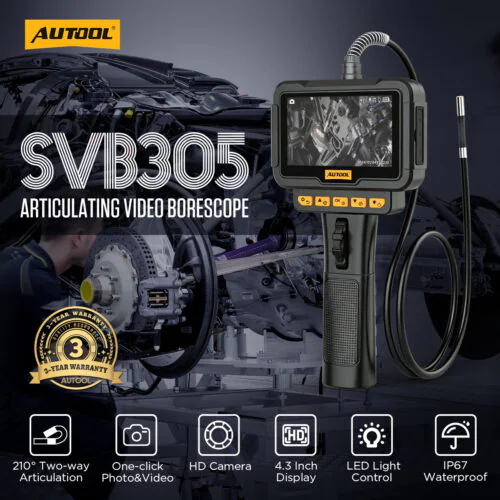
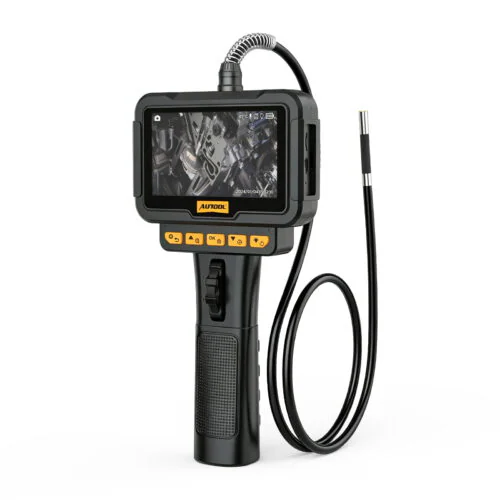
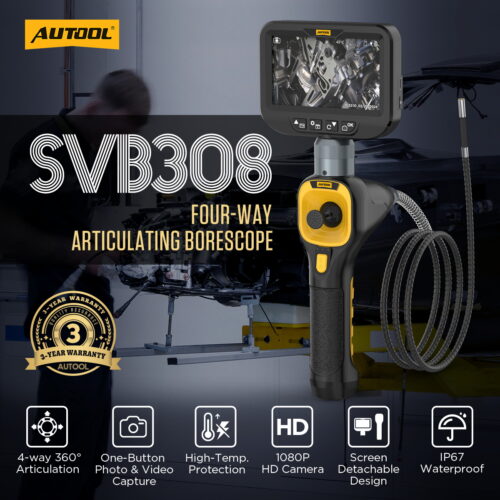
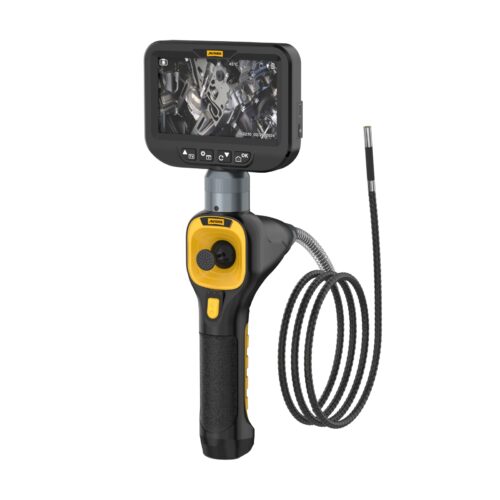
Tehniķiem, kuriem nepieciešams skaidrāks skats uz dzinēja iekšpusi, ieplūdes kanāliem un citām grūti sasniedzamām vietām, artikulējams automobiļu boroskops bieži vien ir praktiskāks nekā vienkārša fiksēta skata kamera. Šīs rokasgrāmatas sākotnējā produktu grupa ietver AUTOOL SVB302, SVB303, SVB305, SVB308, SVB403un SVB408 pārbaudes kameras. Starp tām ir SVB308 ir lieliski piemērots, ja svarīgs ir elastīgs skata leņķis un profesionāla lietošana darbnīcā.
Kā izvēlēties pareizo artikulējošo boreskopu
Pēc artikulējamo boreskopu funkciju un pielietojuma izpratnes automašīnu īpašnieki saskaras ar praktisku problēmu: ņemot vērā tik daudzos tirgū pieejamos modeļus un dažādās funkcijas, ir ļoti svarīgi izvēlēties pareizo boreskopu, kas atbilst viņu vajadzībām. Neatkarīgi no tā, vai tas ir paredzēts personīgai lietošanai ar vienkāršām, regulārām pārbaudēm vai biežai tehniķu lietošanai darbnīcā, izvēloties jāņem vērā lietošanas biežums, budžets un funkcionālās prasības.
Šis tips ir piemērots budžeta apzinīgiem vai neregulāri lietojamiem transportlīdzekļu īpašniekiem. Tas izveido savienojumu ar tālruni vai datoru, izmantojot Wi-Fi vai USB, piedāvājot pieejamu un pārnēsājamu risinājumu.
Tas var apmierināt pamata pārbaudes vajadzības, piemēram, dzinēja spraugu, ieplūdes oglekļa nogulšņu un citu bieži sastopamu problēmu pārbaudi. Tas ir labāk piemērots iesācējiem vai mazāk pieprasītām pārbaudēm, kur nav nepieciešama vairāku leņķu skatīšanās vai īpaši augstas izšķirtspējas attēlveidošana.
Šis veids ir piemērots transportlīdzekļu īpašniekiem ar lielāku budžetu un tehniķiem, kuri ikdienā izmanto pārbaudes kameras. Iebūvētais ekrāns novērš nepieciešamību izveidot savienojumu ar citu ierīci, tāpēc lietotājs var to ieslēgt un sākt pārbaudi tieši.
Daži modeļi atbalsta 210 grādu divvirzienu vai 360 grādu četrvirzienu rotāciju, piedāvājot skaidrāku attēla kvalitāti un pilnīgākas funkcijas. Papildus dzinēja spraugu un oglekļa uzkrāšanās pārbaudei tie var uzņemt fotoattēlus, ierakstīt video un saglabāt pārskatus, padarot tos piemērotus augstas frekvences profesionālām pārbaudēm.
Automobiļu boreskopa lietošanas rokasgrāmata
Pirms automašīnas boreskopa lietošanas pārliecinieties, vai akumulators ir pilnībā uzlādēts, un pārbaudiet zondes, lēcas un kabeļu pareizu darbību. Sagatavojiet tīru, vēsu vidi pārbaudei.
Pēc ierīces ieslēgšanas noregulējiet apgaismojumu un uzmanīgi virziet zondi. Pagrieziet zondi vai izmantojiet artikulējošo lēcu, ja nepieciešams, lai iegūtu skaidru skatu. Pārbaudes laikā novērojiet attēlu reāllaikā, uzņemiet fotoattēlus, ierakstiet video un saglabājiet noderīgu pārbaudes materiālu.
Pēc lietošanas uzmanīgi noņemiet zondi, notīriet to un pareizi uzglabājiet kabeļus sausā, no putekļiem brīvā vietā, lai paildzinātu instrumenta kalpošanas laiku.
Ja vēlaties vizuāli saprast, kā lietot automašīnas boreskoopu, varat apskatīt demonstrācijas video. AUTOOL SVB305. Video parāda tā funkcijas un darbības principu: Noklikšķiniet, lai skatītos SVB305 operācijas video.
Automobiļa pārbaudes kamera ir neaizstājams instruments mūsdienu transportlīdzekļu apkopē un diagnostikā. Tas palīdz automašīnu īpašniekiem un tehniķiem ātri noteikt problēmas, neizjaucot detaļas, tādējādi ietaupot gan laiku, gan remonta izmaksas.
Neatkarīgi no tā, vai tiek pārbaudīti dzinēja bloki, noteiktas vārstu oglekļa nogulsnes vai novērstas slēptas vietas, piemēram, caurules un elektroinstalācija, endoskops demonstrē nepārprotamas priekšrocības. Izvēloties pareizo endoskopu un apgūstot pareizas lietošanas metodes, lietotāji var uzlabot darba efektivitāti un palīdzēt pagarināt transportlīdzekļa kalpošanas laiku.
Ja vēlaties uzlabot automašīnu pārbaužu un apkopes efektivitāti, profesionāls automašīnas endoskops var būt vērtīgs papildinājums jūsu instrumentu komplektam. Sazinieties ar Hannu, lai uzzinātu par īpašu atlaidi.
WhatsApp: +86 189 2647 7404
Email: [email protected]
Saistītie produkti
Renderēts, izmantojot WooCommerce produkta īskodu, tāpēc kartes manto globālo produktu karšu struktūru un Blocksy/WooCommerce stilus.