AUTOOL Dienoraštis, Remonto informacija, Nekategorizuota
Įprastas automobilių dalių keitimas ir identifikavimas

18 rugsėjo, 2025
Bendrinti:
 autoolstore.com
Nesvarbu, ar tai kasdienės kelionės į darbą ir atgal, ar ilgos kelionės, kiekvieną kartą užvedus transporto priemonę, ji nuolat tikrina jos sistemas ir komponentus. Nors šiuolaikinės transporto priemonės yra sukurtos ilgaamžiškumui ir skirtingoms vairavimo aplinkoms, senėjimas ir nusidėvėjimas vis tiek neišvengiami po ilgo naudojimo.
Norint išlaikyti optimalų našumą ir pailginti transporto priemonės tarnavimo laiką, labai svarbu reguliariai prižiūrėti. Šiuose skyriuose apžvelgiami pagrindiniai komponentai, kuriuos reikia reguliariai tikrinti ir keisti, kad transporto priemonė veiktų sklandžiai, saugiai ir patikimai.
Akumuliatorius yra labai svarbi transporto priemonės dalis, nes jis tiekia energiją, reikalingą varikliui užvesti.
Transporto priemonei senstant, akumuliatoriaus talpa neišvengiamai mažėja. Priklausomai nuo akumuliatoriaus prekės ženklo ir įkrovimo būklės, dauguma akumuliatorių paprastai tarnauja nuo 2 iki 6 metų. Jei transporto priemonę sunku užvesti arba mirksi įspėjamosios lemputės, patartina išbandyti akumuliatorių. Jei akumuliatoriaus talpos nepakanka, nedelsdami jį pakeiskite, kad išvengtumėte veikimo problemų.
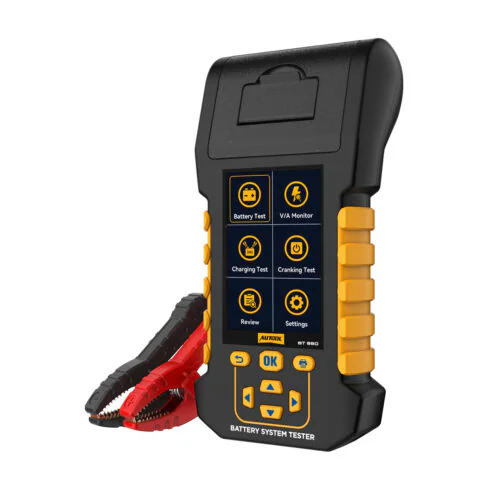
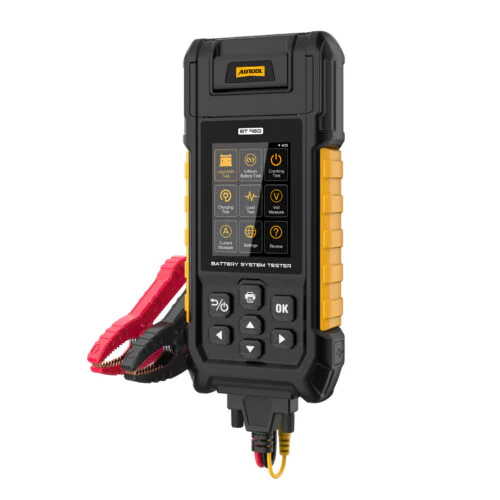
Baterijų bandymo įrankiai
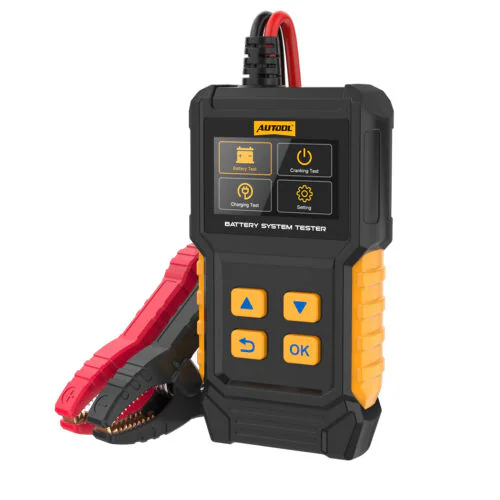
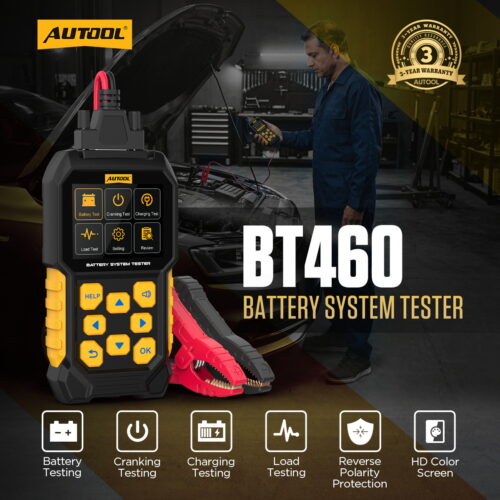
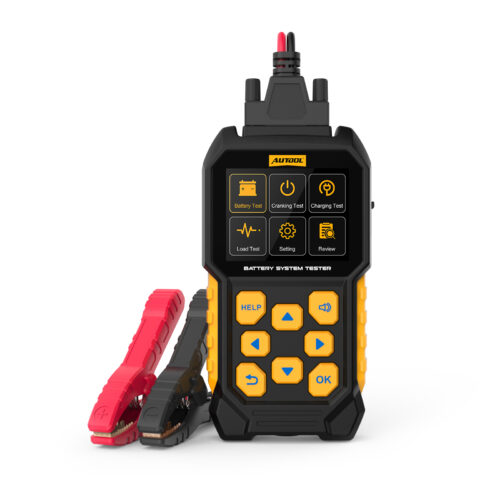
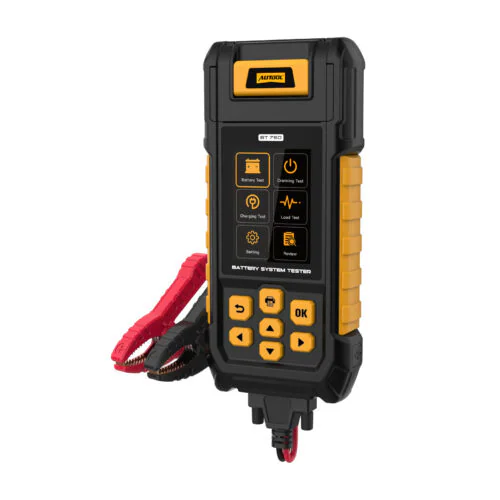
Originalus akumuliatoriaus skyrius nurodytas AUTOOL BT360, BT460, BT760, BT880ir BT960 testeriai. Jie lieka grupuojami kaip akumuliatorių diagnostikos įrankiai per „WooCommerce“ trumpuosius kodus.
Uždegimo žvakė yra labai svarbus variklio uždegimo sistemos komponentas. Ji sumontuota ant cilindro galvutės ir per uždegimo ritės tiekiamą aukštą įtampą generuoja elektros kibirkštį tarp elektrodų, uždegdama oro ir kuro mišinį degimo kameroje.
Laikui bėgant, dėl atšiaurių degimo sąlygų uždegimo žvakėje gali susikaupti per daug anglies nuosėdų arba susidėvėti elektrodai. Dėl to gali kilti uždegimo sunkumų, padidėti degalų sąnaudos ir variklis vibruoti. Jei kyla šių problemų, apsvarstykite galimybę kreiptis į profesionalą. uždegimo žvakė testerį, kad nustatytumėte sugedusią uždegimo žvakę ir nedelsdami ją pakeistumėte.
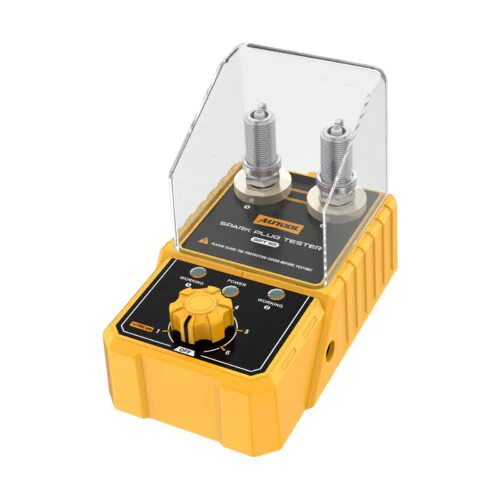
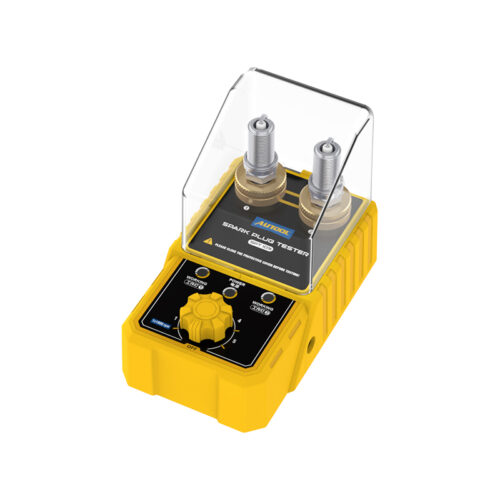
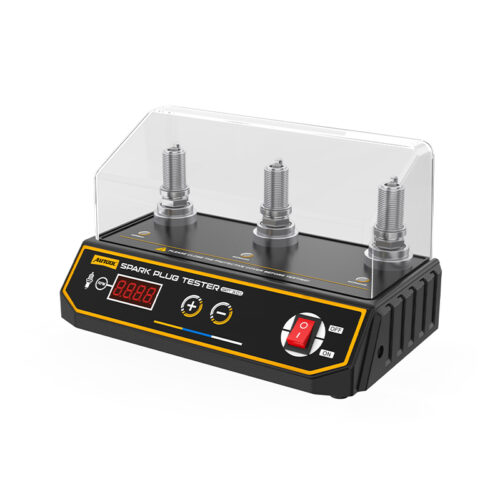
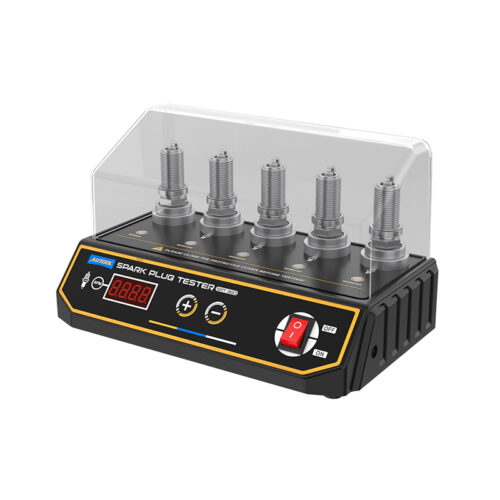
Uždegimo žvakių testeriai
Pridedama originali uždegimo žvakės dalis SPT101, SPT105, SPT301ir SPT360 testeriai uždegimo veikimui patikrinti.
Automobilio oro filtras yra labai svarbi variklio įsiurbimo sistemos dalis. Jo funkcija – filtruoti į variklį patenkantį orą, neleisti dulkėms, šiukšlėms, smėliui ir kitoms dalelėms patekti į degimo kamerą, kad degimo procesas išliktų švarus ir visiškas.
Kasdienio naudojimo metu oro filtre gali užsikimšti filtro elementai, jie gali būti pažeisti ar pasenę, arba jie gali būti netinkamai sumontuoti. Dėl šių problemų gali sumažėti oro srautas, sumažėti variklio našumas, padidėti degalų sąnaudos, sulėtėti greitėjimas arba nestabili tuščioji eiga. Jei atsiranda šių simptomų, patikrinkite oro filtrą ir pakeiskite jį pagal techninės priežiūros intervalą arba realias vairavimo sąlygas.
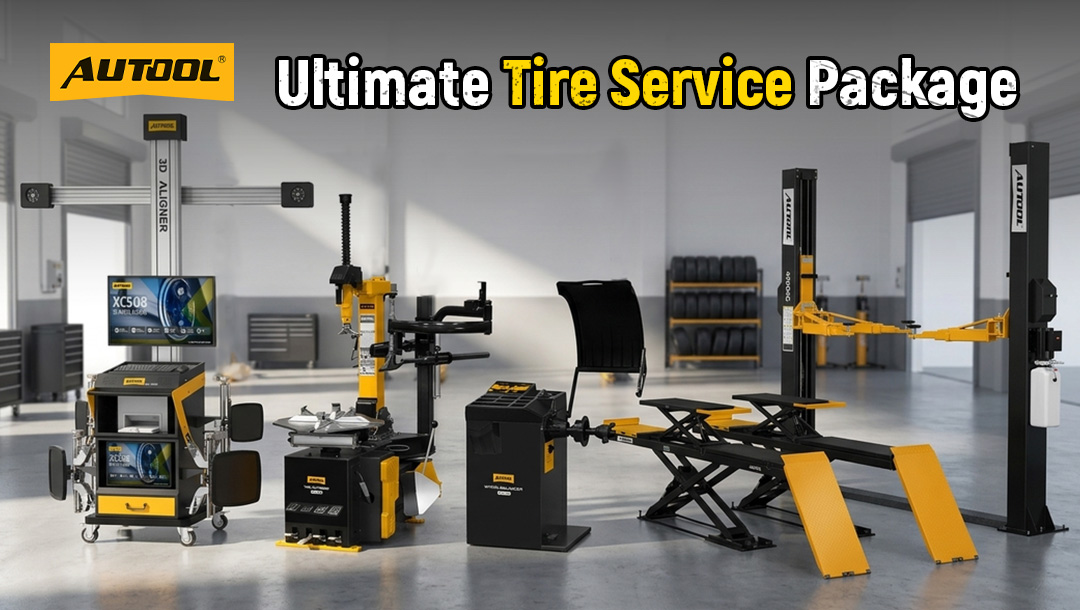
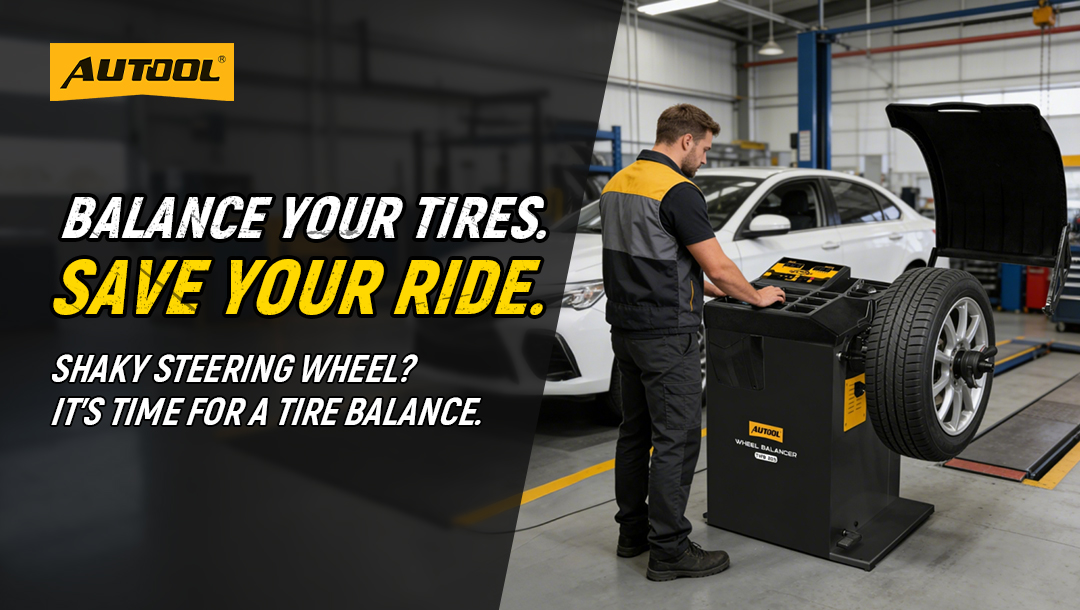
Transporto priemonės padangos yra vieninteliai komponentai, kurie liečiasi su keliu. Jos laiko visą transporto priemonės svorį ir atlieka vairavimo, stabdymo, vairavimo ir smūgių amortizacijos funkcijas. Padangos yra pirmoji eismo saugumo gynybos linija ir tiesiogiai veikia valdymą, komfortą ir degalų sąnaudas.
Laikui bėgant, padangos gali pernelyg susidėvėti protektoriaus raštu, atsirasti nenormalus padangų slėgis, netolygus nusidėvėjimas, iškilimai ar įtrūkimai, pradurtos dėl pašalinių objektų ir senėti. Šios problemos gali sumažinti sukibimą, padidinti degalų sąnaudas, sukelti nestabilų vairavimą ar net sukelti padangų sprogimą. Transporto priemonių savininkai turėtų reguliariai tikrinti protektoriaus gylį, šoninės sienelės būklę, padangų slėgį ir nusidėvėjimo pobūdį, o kai tai paveikia saugumą, nedelsdami pakeisti padangas.
Stabdžių kaladėlės yra vienas svarbiausių trinties komponentų stabdžių sistemoje. Paspaudus stabdžių pedalą, stabdžių kaladėlės prisispaudžia prie stabdžių disko ir per trintį paverčia transporto priemonės kinetinę energiją šiluma, sulėtindamos arba sustabdydamos transporto priemonę. Stabdžių kaladėlių veikimas tiesiogiai veikia stabdymo kelią ir vairavimo saugumą.
Įprasto važiavimo metu stabdžių kaladėlės gali pernelyg susidėvėti, girdėtis neįprastas triukšmas, stabdžiai gali vibruoti arba sumažėti stabdymo efektyvumas. Dėl šių problemų gali pailgėti stabdymo kelias, vibruoti vairas stabdant arba net sumažėti stabdymo efektyvumas, o visa tai gali smarkiai pakenkti eismo saugumui. Savininkai turėtų patikrinti stabdžių kaladėlių storį, įsiklausyti į neįprastą triukšmą ir kuo anksčiau spręsti vibracijos ar sumažėjusios stabdymo jėgos problemas.
Stabdžių skystis, dar žinomas kaip stabdžių skystis, yra hidraulinės stabdžių sistemos terpė, perduodanti slėgį. Jis perduoda stabdymo jėgą iš stabdžių pedalo į stabdžių suportus, spausdamas stabdžių kaladėles prie stabdžių diskų. Stabdžių skysčio virimo temperatūra, klampumas ir stabilumas lemia stabdymo reakciją ir saugumą.
Ilgėjant vairavimo laikui, stabdžių skystis linkęs į vandens įgėrimą, jo virimo temperatūra mažėja, stabdžių linijos užteršiamos, o keitimo intervalai gali būti nepaisomi. Šios problemos sumažina stabdymo efektyvumą ir sunkiais atvejais gali sukelti stabdžių gedimą. Daugumai automobilių savininkų patariama reguliariai tikrinti stabdžių skystį ir jį keisti pagal gamintojo rekomendacijas arba aptikus užterštumą.
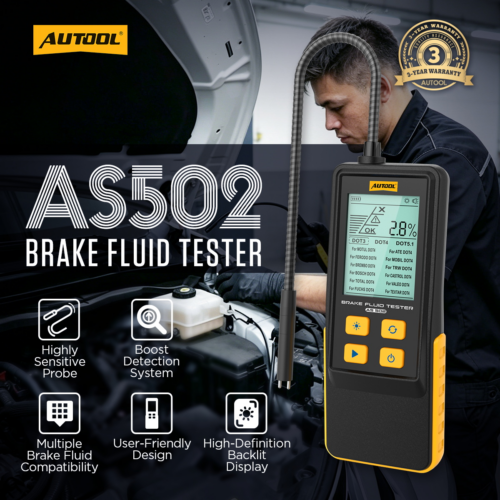
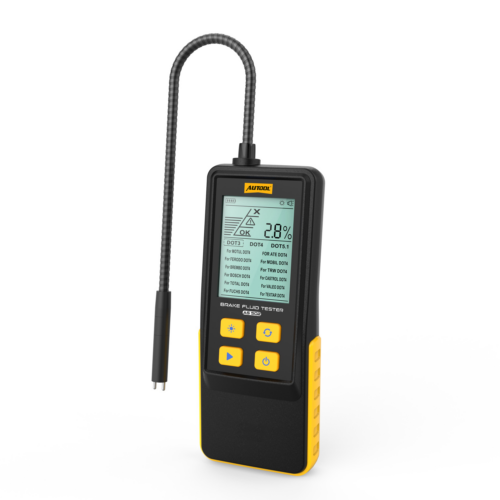
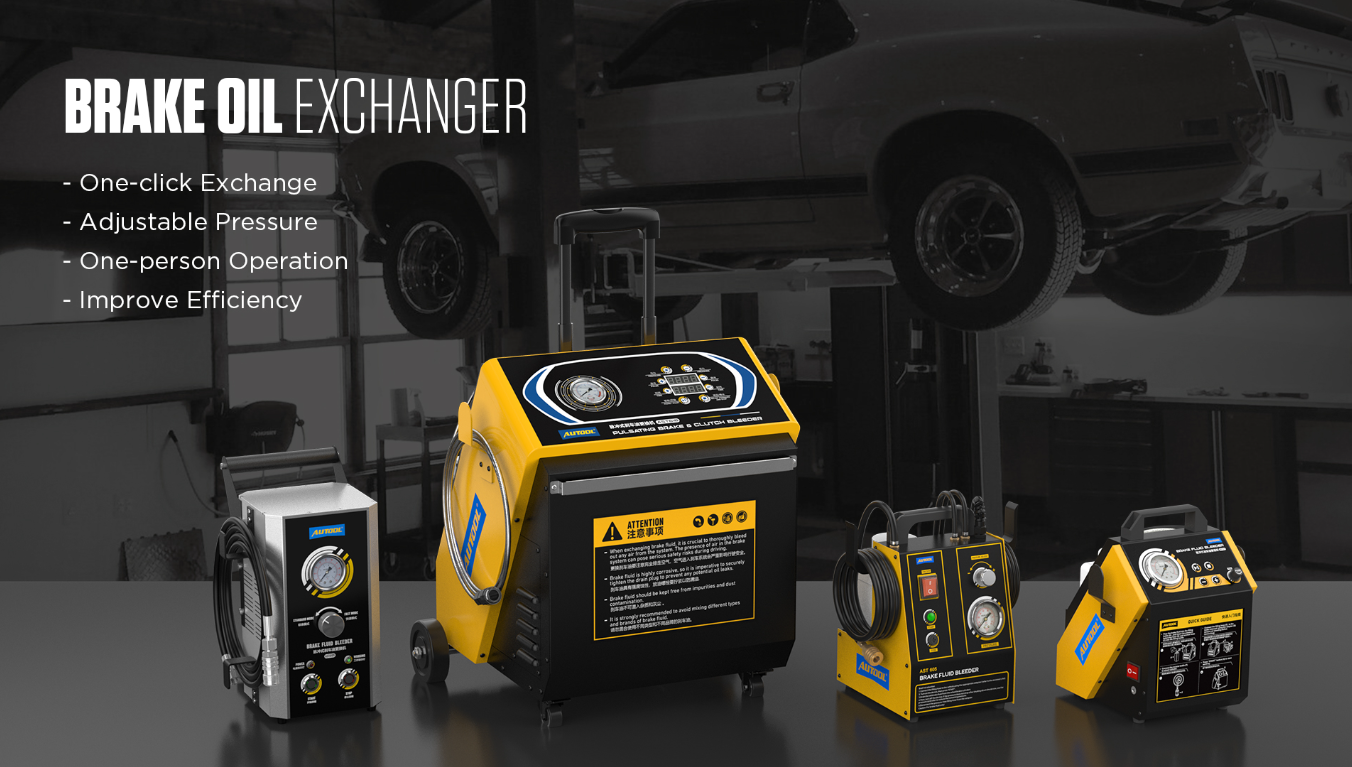
Stabdžių skysčio aptarnavimo įrankiai
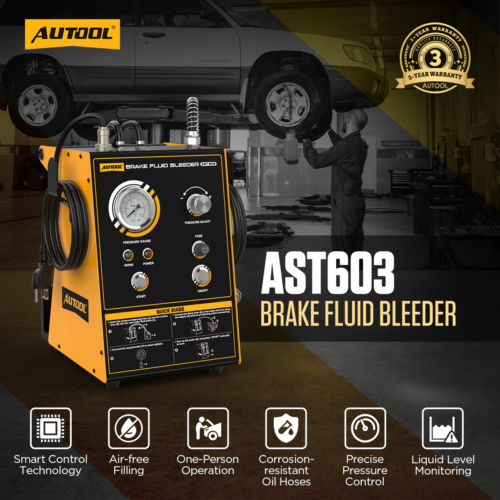
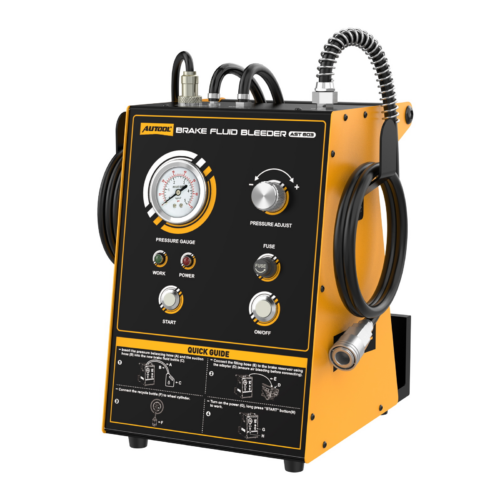
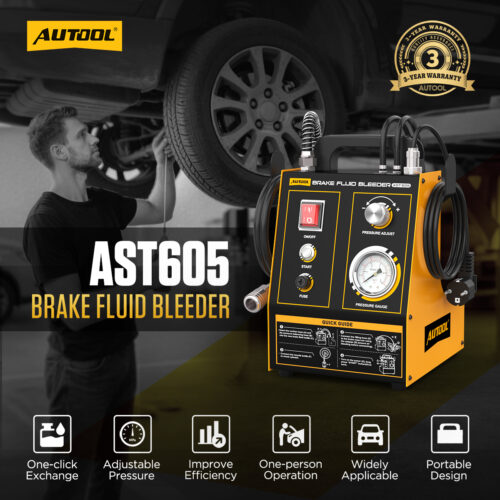
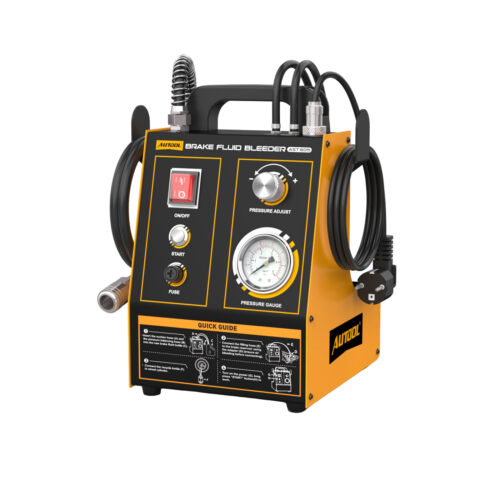
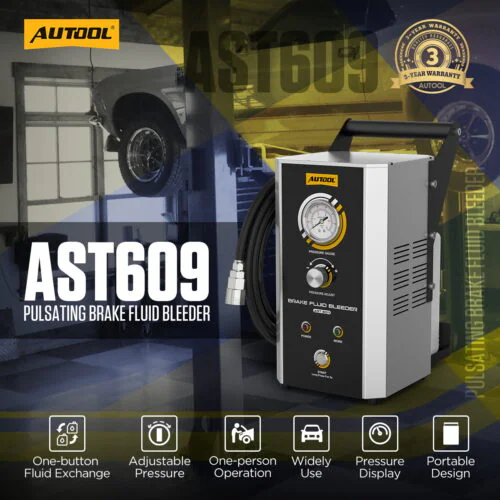
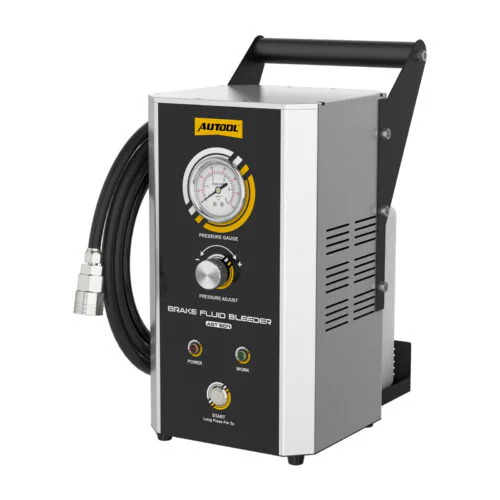
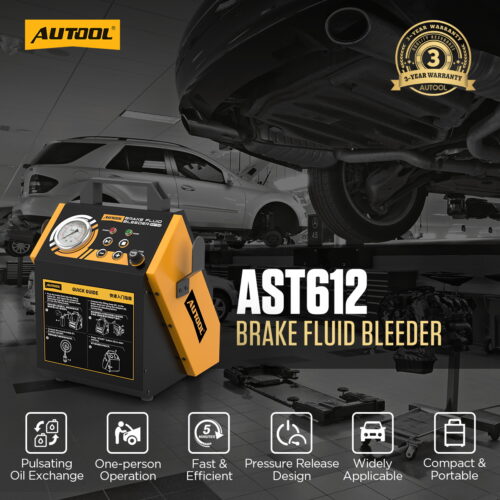
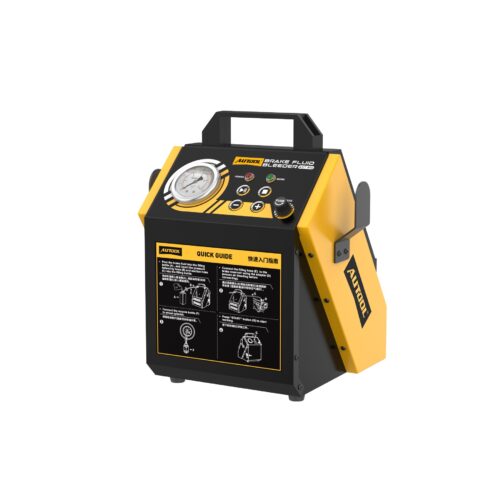
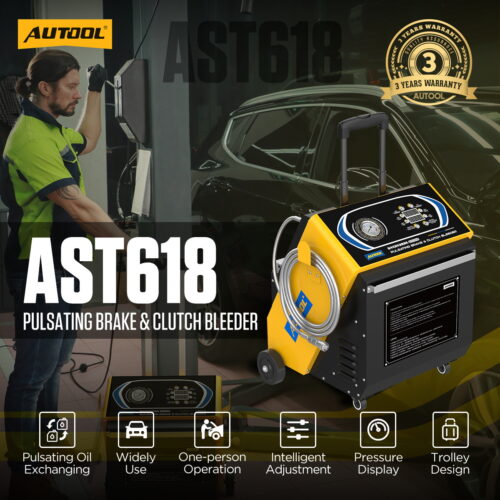
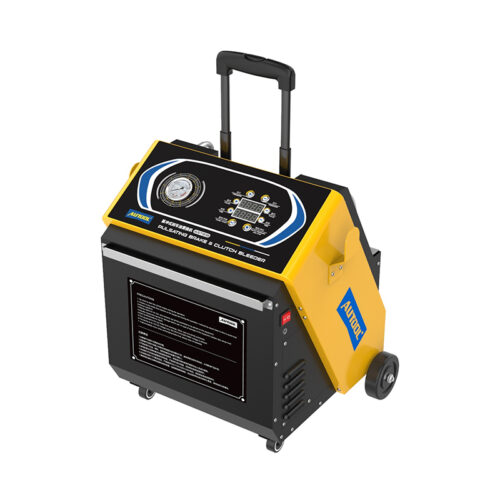
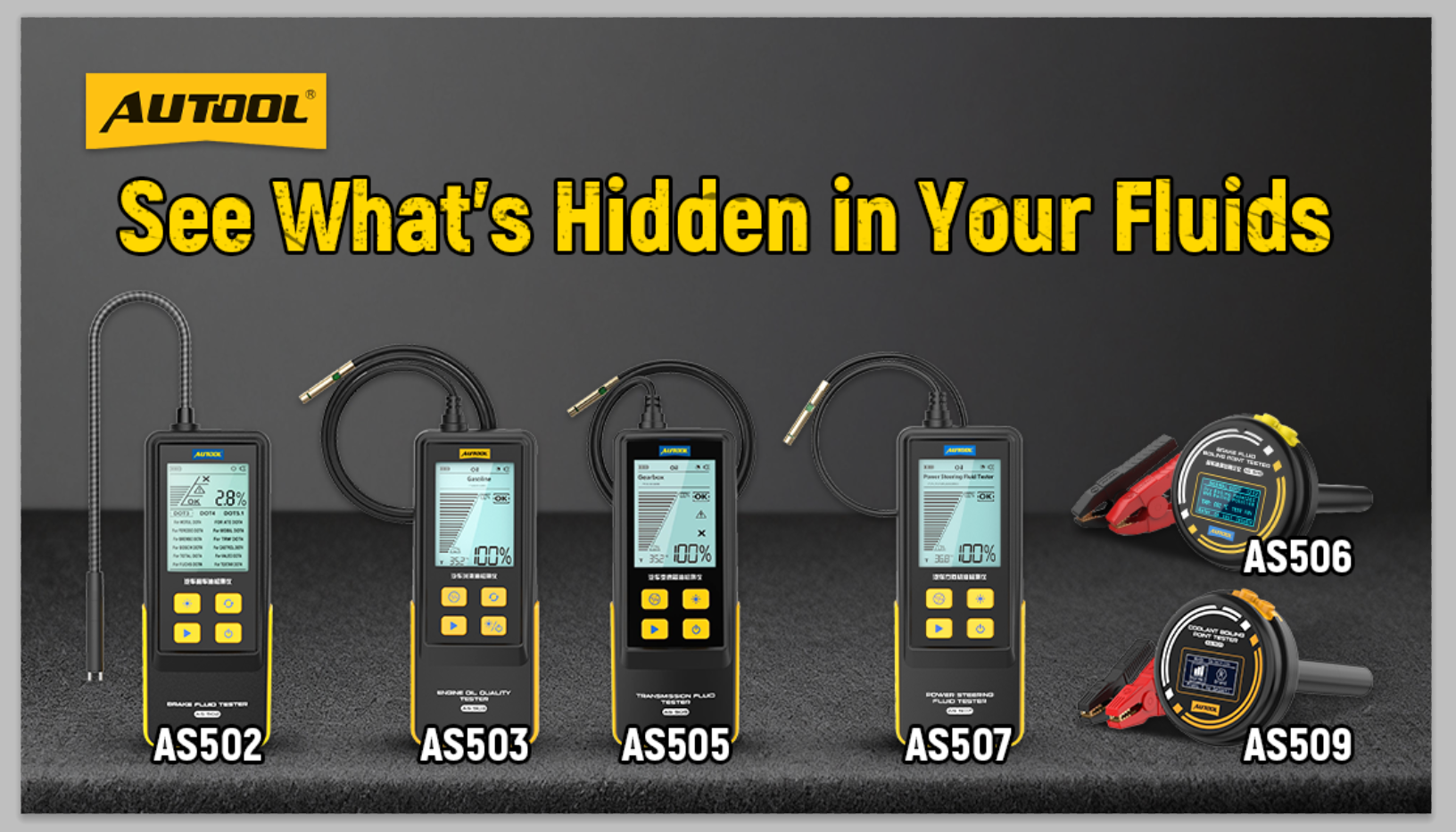
Originalus stabdžių skysčio skyrius, nurodytas AUTOOL AS502, AST603, AST605, AST609, AST612ir AST618 stabdžių skysčio patikrinimui, nuorinimui ir keitimui.
Transporto priemonės žibintai, įskaitant priekinius žibintus, galinius žibintus, stabdžių žibintus, posūkių signalus, rūko žibintus ir kt., yra būtini apšvietimui ir signalizavimui. Jie atlieka svarbų vaidmenį užtikrinant matomumą ir saugumą vairuojant naktį, lyjant ar rūkant, taip pat užtikrinant posūkių signalus.
Kasdien vairuojant, automobilio žibintai gali neveikti, mirgėti, pritemti, rodyti neįprastą spalvą arba atsirasti automatinio valdymo gedimų. Šios problemos trukdo matomumui naktį, lemia netikslų signalizavimą ir padidina eismo įvykių riziką. Žibintus reikia dažnai tikrinti, ypač prieš važiuojant didelius atstumus arba keliaujant prastu oru.
Automobilio valytuvai yra būtini norint išlaikyti gerą matomumą, ypač lyjant, sningant ar dulkėtomis sąlygomis. Jų pagrindinė funkcija – pašalinti vandenį, sniegą ar šiukšles nuo priekinio stiklo, kad vairuotojo matomumas išliktų aiškus ir vairavimo saugumas būtų užtikrintas.
Laikui bėgant, valytuvai gali netinkamai valyti, skleisti per didelį triukšmą, negalėti judėti arba susidėvėti valytuvų šluotelės. Šios problemos gali trukdyti matomumui lyjant, užtemdyti vairuotojo matymo lauką ir padidinti avarijų riziką. Savininkai turėtų patikrinti guminių šluotelių būklę, valymo švarumą, triukšmą ir judėjimą, o tada, kai jos nebevalo priekinio stiklo efektyviai, jas pakeisti.
Automobilių dalys laikui bėgant natūraliai susidėvi, tačiau daugelį gedimų galima nustatyti dar prieš jiems tampant rimtais. Reguliariai tikrinant, reikėtų patikrinti akumuliatoriaus talpą, uždegimo žvakių būklę, oro filtro oro srautą, padangų susidėvėjimą, stabdžių kaladėlių storį, stabdžių skysčio kokybę, žibintų veikimą ir valytuvų veikimą.
Spustelėkite, jei norite sužinoti daugiau
WhatsApp: +86 18926477404
El. paštas: [email protected]
Susiję produktai
Atvaizduojama naudojant „WooCommerce“ produkto trumpąjį kodą, todėl kortelės paveldi visuotinę produkto kortelės struktūrą ir „Blocksy“ / „WooCommerce“ stilius.