Remonto informacija
Kaip veikia kuro sistema?

30 liepos, 2021
Bendrinti:
 autoolstore.com
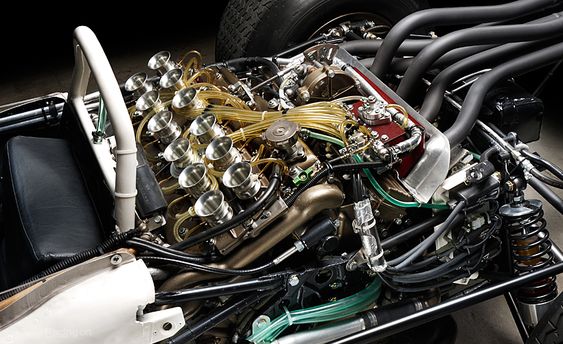
Kuro sistema perima kuro pildymą ir transportavimą. Ji užtikrina, kad degalai sklandžiai pasiektų variklį ir būtų tiekiami jam, kad variklis galėtų dirbti.
Sistema taip pat atsakinga už alyvos garų surinkimą ir išleidimą į atmosferą po filtravimo. Be automobilių degalų sistemos funkcijos, originaliame straipsnyje taip pat pristatomi turboveleno variklių reikalavimai, tipiniai specifikacijų standartai ir keli degalų sistemos patentų pavyzdžiai.
Kuro tiekimas ir garavimo kontrolė
Kuro sistema tvarko degalų pildymą, transportavimą ir tiekimą varikliui. Ji užtikrina, kad degalai sklandžiai pasiektų variklį ir palaikytų variklio darbą.
Jis taip pat surenka alyvos garus ir išskiria filtruotas dujas į atmosferą. Garinimo sistema veikia absorbcijos ir desorbcijos būdu. Bake esantis kuras gamina alyvos garus, kai keičiasi aplinkos temperatūra.
Kai garų slėgis tampa didesnis nei nustatytas sistemos slėgis, atsidaro dvikryptis vožtuvas. Alyvos garai patenka į anglies baką ir yra adsorbuojami aktyvuotos anglies.
Kai vidinis sistemos slėgis nukrenta žemiau nustatyto slėgio, dvikryptis vožtuvas vėl atsidaro ir išorinis oras patenka į sistemą per anglies balionėlį, kad papildytų slėgį.
Kai variklis veikia ir ECU aptinka anglies filtro valymo vožtuvo atidarymo sąlygą, valymo vožtuvas atsidaro. Esant neigiamam slėgiui įsiurbimo kolektoriuje, degalų garai patenka į variklį ir dalyvauja degime.
Komponentai ir išdėstymo principai
Kuro sistemą sudaro degalų bako dangtelis, degalų vamzdis, degalų bakas, degalų siurblys, benzino filtras, anglies balionėlis, anglies balionėlio valymo vožtuvas, vamzdynas ir kiti komponentai.
Kuro sistemos išdėstymas daro didelę įtaką sistemos veikimui. Tinkamas išdėstymas reiškia sistemos apsaugą, lengvesnį nacionalinių reglamentų laikymąsi ir saugos pavojų mažinimą.
Sūkurinio veleno variklis ir standartai
Atsižvelgiant į sraigtasparnio skrydžių poreikius, turboveleno variklio degalų sistemai keliami keli reikalavimai.
Orlaivių degalų sistemos bendroji projektavimo specifikacija nustato orlaivių degalų sistemų projektavimo, veikimo, suderinamumo ir patikros reikalavimus. Šie reikalavimai ir patikros elementai taikomi karinių orlaivių degalų sistemų ir įrangos kūrimui, o specifikacija padeda inžinieriams ir technikams projektuoti degalų sistemas.
Civilinių orlaivių degalų sistemų bendrieji reikalavimai nustato bendruosius techninius ir patikros reikalavimus, keliamus civilinių orlaivių degalų sistemų funkcijai, eksploataciniam projektavimui ir konstrukcijai. Standartas taikomas civilinių orlaivių degalų sistemų projektavimui ir patikrai.
Civilinių orlaivių degalų sistemų projektavimo reikalavimuose nurodomi tinkamumo skraidyti patikrinimo reikalavimai, taikomi projektuojant ir tikrinant civilinių orlaivių degalų sistemas. Jie taikomi civilinių orlaivių degalų sistemų, naudojančių turbininius variklius, projektavimui, tikrinimui ir tinkamumo skraidyti patikrinimui.
Patentų pavyzdžiai iš originalaus straipsnio
Naujas degalų sistemos naudingojo modelio patentas yra susijęs su nauja degalų sistema. Jam būdinga tai, kad degalų sistemą sudaro pagrindinio bako korpusas, antrinio bako korpusas ir degalų papildymo bei išmetimo vamzdis, esantis tarp pagrindinio bako korpuso ir antrinio bako korpuso.
Nerūdijančio plieno vamzdis taip pat įstatytas tarp pagrindinio bako korpuso ir subbako korpuso. Du nerūdijančio plieno vamzdžio galai sujungiami su pagrindinio bako ir subbako korpusais jungiamąja jungtimi.
Techninis sprendimas yra sumanus ir kompaktiškas. Jis maksimaliai išnaudoja kėbulo erdvę, atitinka klientų reikalavimus ir suteikia daugiau selektyvumo būsimų transporto priemonių kūrimo krypčiai.
Energiją taupančios ir aplinkai nekenksmingos degalų sistemos naudingojo modelio patentas apima ECU, variklį, akumuliatorių, anglies siurblį, užrakto dangtelį ir degalų bako mazgą. ECU yra prijungtas prie akumuliatoriaus, variklio ir anglies siurblio per linijas.
Anglies siurblys prie degalų bako mazgo prijungtas linija, o užrakto dangtelis – prie degalų bako mazgo. Kuro sistemoje taip pat yra puslaidininkinis aušinimas/šildytuvas, įrengtas tarp akumuliatoriaus ir anglies siurblio per liniją.
Šis techninis sprendimas išleidžia švarias dujas į atmosferą, kai angliavandenilius adsorbuoja anglies bakas, taip apsaugodamas aplinką nuo angliavandenilių taršos. Variklio važiavimo metu sukuriamas neigiamas bronchų slėgis desorbuoja anglies bake sukauptus angliavandenilius į variklį degimui, generuodamas energiją, taupydamas energiją ir mažindamas sąnaudas.
Praktinį vidaus degimo lokomotyvo degalų sistemos tipą sudaro dyzelinis variklis, degalų bakas, degalų siurblys, degalų filtras ir slėgio reguliavimo įtaisas. Degalų bakas prie dyzelinio variklio degalų įleidimo angos prijungtas per pagrindinę degalų įleidimo liniją.
Kuro bakas yra prijungtas prie dyzelinio variklio kuro įleidimo angos per pagrindinę kuro grąžinimo liniją ir taip pat apima apėjimo vožtuvą ir kuro pašildytuvą. Pagrindinė kuro įleidimo linija paeiliui jungia kuro baką, kuro filtrą, kuro siurblį, apėjimo vožtuvą, slėgio reguliatorių ir dyzelinio variklio kuro įleidimo angą.
Apėjimo vožtuvo išleidimo anga prie kuro pašildytuvo jungiama per apėjimo alyvos liniją. Slėgio reguliatorius prie kuro pašildytuvo jungiamas per slėgio reguliatoriaus alyvos liniją, o kuro pašildytuvas prie kuro bako jungiamas per pagalbinę grįžtamąją liniją.
Patente nustatyta ir apeinamoji alyvos grandinė, ir reguliavimo alyvos grandinė. Sistemos alyvos slėgis įgyvendinamas dviem etapais: pradiniu ir tiksliu reguliavimu per apeinamosios alyvos grandinę ir reguliavimo alyvos grandinę, todėl sistemos alyvos slėgio valdymas yra tikslesnis ir užtikrinamas patikimas dyzelinio variklio veikimas.
Automobiliuose degalų sistema tiekia degalus varikliui ir valdo degalų garus per dvikryptį vožtuvą, anglies balionėlį, valymo vožtuvą, ECU logiką ir įsiurbimo kolektoriaus neigiamą slėgį.
Originaliame straipsnyje tema taip pat išplėsta, įtraukiant turboveleno variklių degalų tiekimą, orlaivių degalų sistemos standartus ir patentų pavyzdžius. Šiuose skyriuose kartu parodyta, kad projektuojant degalų sistemą reikia atsižvelgti į degalų tiekimą, saugą, slėgio kontrolę, šilumos izoliaciją, garų apdorojimą ir patikros reikalavimus.
Susiję produktai
Atvaizduojama naudojant „WooCommerce“ produkto trumpąjį kodą, todėl kortelės paveldi produkto kortelės struktūrą, naudojamą nuorodos įrašo stiliuje.