Blog AUTOOL, Suggerimenti e tutorial
Diagnosi di sterzo pesante: cosa è necessario sapere

Novembre 21, 2025
Condividere:
 autoolstore.com
Avete mai notato che il volante diventa improvvisamente più pesante del solito mentre guidate? Questo è particolarmente evidente nelle curve a bassa velocità o durante le manovre di parcheggio, quando è necessario uno sforzo notevolmente maggiore per girare il volante.
Un improvviso aumento della resistenza dello sterzo non solo rende la guida più faticosa, ma funge anche da importante segnale di avvertimento proveniente dal sistema di servosterzo, dagli pneumatici, dalle sospensioni o dai componenti dello sterzo. Ignorare questi segnali può portare a ulteriori problemi come il guasto dello sterzo o il danneggiamento dei componenti, creando seri rischi per la sicurezza.
Questa guida spiega le cause più comuni di uno sterzo pesante, come distinguere i problemi del servosterzo idraulico da quelli del servosterzo elettrico (EPS) e quali controlli effettuare prima di decidere se è necessario rivolgersi a un professionista.
resistenza dello sterzo
La mancanza di fluido è uno dei problemi più comuni nei tradizionali sistemi di servosterzo idraulico. Quando il livello del fluido si abbassa, la pressione idraulica diminuisce, impedendo alla pompa del servosterzo di generare una pressione adeguata. Di conseguenza, il volante diventa sensibilmente più pesante.
Sintomi tipici: Sterzo pesante, a volte accompagnato da lievi rumori o vibrazioni.
Con l'invecchiamento dell'impianto idraulico, tubi flessibili, guarnizioni o il servosterzo stesso possono presentare perdite. Se la perdita persiste, il sistema può aspirare aria, causando vibrazioni o una perdita intermittente dell'assistenza alla sterzata.
Consiglio professionale: Se notate del liquido rosso o ambrato sul terreno, non continuate a guidare.
Dopo un funzionamento prolungato ad alto carico, la pompa idraulica può usurarsi oppure una cinghia allentata può causare una pressione insufficiente. Quando la pompa non riesce a mantenere una pressione idraulica stabile, il volante diventa sensibilmente pesante, soprattutto a basse velocità.
Sintomi: un ronzio o una sensazione di scatto quando si gira il volante.
I veicoli moderni utilizzano spesso sistemi EPS (servosterzo elettrico), che si basano su un motore elettrico e su sensori per fornire assistenza alla sterzata. Se il motore si surriscalda, un sensore non funziona correttamente o il modulo di controllo si guasta, l'assistenza alla sterzata può cessare improvvisamente.
Segnale comune: La spia di avvertimento del servosterzo si accende sul cruscotto.
I guasti meccanici non vanno sottovalutati. Una cremagliera dello sterzo usurata, giunti sferici allentati, un albero dello sterzo bloccato e boccole usurate possono aumentare la resistenza dello sterzo e, nei casi più gravi, causare il bloccaggio del volante.
La bassa pressione degli pneumatici aumenta la superficie di contatto con la strada e rende lo sterzo più pesante. Questa è una delle cause più spesso trascurate nella guida di tutti i giorni.
Componenti delle sospensioni usurati, come boccole dei bracci oscillanti, ammortizzatori o tiranti, possono creare una resistenza allo sterzo irregolare che può apparire come uno sterzo pesante.
Ordine di ispezione della cassaforte
Scopo: Determina il tipo di sistema di servosterzo, poiché le procedure di risoluzione dei problemi variano.
Controlla sul cruscotto la presenza di spie di avvertimento relative al servosterzo o all'EPS. Consulta il manuale d'uso o l'etichetta sotto il cofano per verificare se il tuo veicolo utilizza un sistema di assistenza idraulico, elettrico (EPS) o ibrido. In caso di dubbi, procedi con la procedura di ispezione generale descritta di seguito.
Scopo: distinguere tra perdita improvvisa di assistenza e blocco meccanico.
A motore spento, ruotare lentamente il volante a sinistra e a destra. Dovrebbe risultare rigido ma fluido. Se è rigido o emette rumori, potrebbero esserci problemi meccanici, ad esempio alla cremagliera dello sterzo, all'albero o al giunto cardanico. A motore acceso, ripetere la prova al minimo. Se lo sterzo diventa molto più leggero, è probabile che ci sia un problema al servosterzo. Se rimane pesante, la causa potrebbe essere meccanica, legata agli pneumatici o alle sospensioni.
Scopo: eliminare le cause comuni e facilmente risolvibili di uno sterzo pesante.
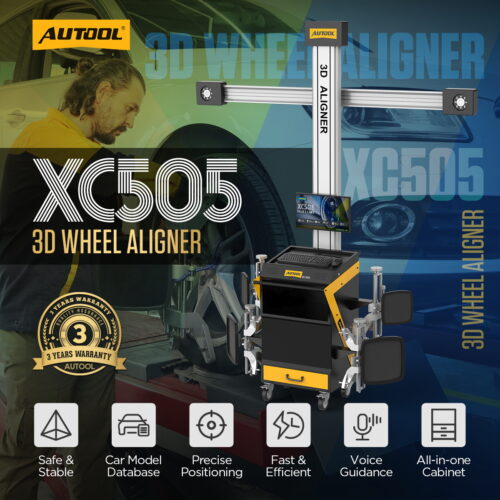
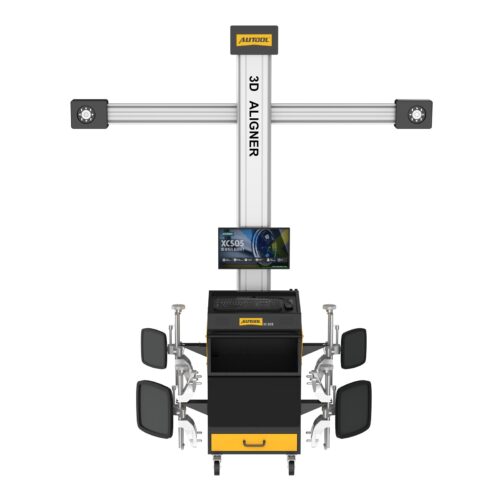
Misurare la pressione degli pneumatici e gonfiarli ai valori raccomandati dal produttore. Ispezionare gli pneumatici per verificare la presenza di usura irregolare, rigonfiamenti o corpi estranei. Controllare l'allineamento delle ruote e i componenti delle sospensioni come bracci oscillanti, boccole, tiranti e ammortizzatori. Risolvere i problemi di pressione degli pneumatici o di allineamento spesso risolve anche il problema dello sterzo pesante.
Scopo: Verificare il livello e la qualità corretti del fluido nei sistemi idraulici o ibridi.
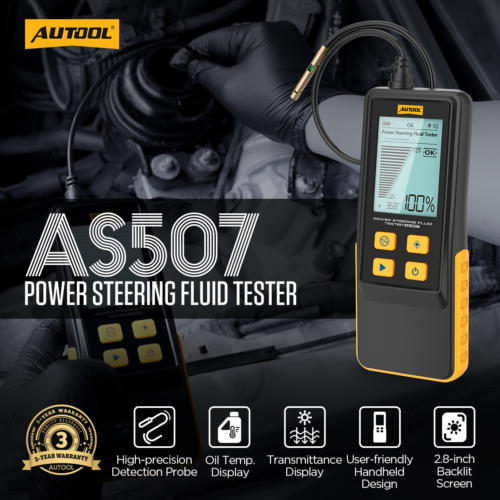
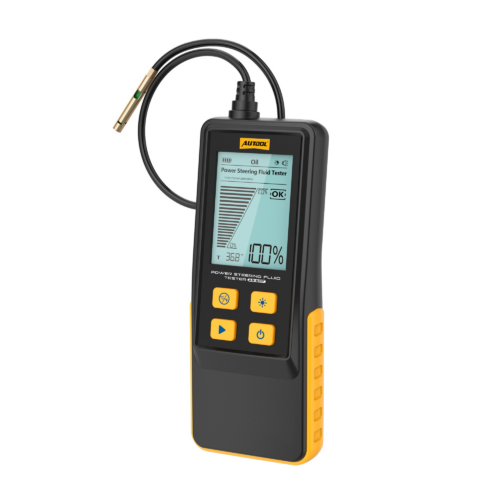
A motore freddo, controllare il livello del fluido; dovrebbe essere compreso tra MIN e MAX. Ispezionare il colore e l'odore: un fluido trasparente o marrone chiaro è normale, mentre un fluido nero, metallico o con odore di bruciato può indicare contaminazione o usura della pompa. Ruotare il volante al minimo e osservare la presenza di bolle, aria o un rapido calo del fluido. Un livello basso del fluido deve essere rabboccato temporaneamente e si deve verificare la presenza di perdite. Un fluido contaminato richiede un lavaggio del sistema, la sostituzione del fluido e l'ispezione della pompa.
Scopo: Individuare perdite esterne e verificare l'affidabilità della fonte di alimentazione nei sistemi idraulici.
Ispezionare tubi flessibili, pompa e raccordi per individuare eventuali perdite. Verificare che la cinghia non sia allentata, non presenti crepe o slittamenti. Sostituire i tubi flessibili che perdono o le cinghie usurate, se necessario.
Scopo: Utilizzare il suono per individuare con precisione le aree problematiche.
Scopo: diagnosticare sistemi elettrici senza fluido idraulico.
Controllare le spie di avvertimento dell'EPS e notare se sono accese anche le spie dell'ABS o altre spie. Utilizzare un OBD2 Strumento diagnostico per leggere i codici di errore. I problemi più comuni includono il sensore di coppia, il sensore dell'angolo di sterzata, il motore EPS o il modulo di controllo. Ispezionare fusibili, relè e cablaggi per verificare la presenza di danni o corrosione. Anche le variazioni nella sensazione di sterzata con il motore acceso e spento possono indicare problemi al servosterzo elettrico (EPS). Seguire i codici diagnostici per la sostituzione del sensore, del cablaggio o del modulo di controllo.
Scopo: quantificare i problemi e individuare i componenti difettosi.
Mappa dei problemi e delle azioni
| Tipo di problema | Azione consigliata |
|---|---|
| Problemi con gli pneumatici o con la pressione | Gonfiare, sostituire pneumatici, eseguire 4 - Allineamento delle ruote. |
| fluido basso o contaminato | Rifornire, spurgare l'impianto, riparare le perdite. |
| Problemi alla pompa o alla cinghia | Sostituire la pompa o regolare/sostituire la cinghia. |
| Vincoli meccanici, inclusi cremagliere, giunti sferici e boccole | Ispezionare, riparare o sostituire i componenti. |
| Guasti EPS con codici | Sostituire i sensori, il cablaggio, il motore o il modulo di controllo. |
| Questioni critiche per la sicurezza o incerte | Rivolgetevi immediatamente a un professionista. |
Manutenzione ordinaria
Il modo più efficace per evitare improvvisi problemi di sterzo è la manutenzione preventiva e i controlli regolari. Segui questi consigli per ridurre il rischio di guasti al servosterzo e mantenere una guida fluida:
Una manutenzione regolare, ispezioni tempestive e attenzione a pneumatici, fluidi, cinghie e sistemi EPS sono i modi migliori per prevenire improvvisi sbandamenti dello sterzo. Seguire questi passaggi contribuisce a mantenere una guida sicura, stabile e fluida del veicolo.
Vuoi saperne di più sulla riparazione auto o acquistare attrezzi per la riparazione auto a prezzi accessibili? Contattaci AUTOOL per il supporto nella selezione dei prodotti.
Prodotti correlati
Il rendering avviene tramite lo shortcode prodotto di WooCommerce, in modo che le schede ereditino la stessa struttura delle schede prodotto utilizzata dal post di riferimento.