Tippek és oktatóanyagok
6 tipp az üzemanyag-megtakarításhoz

július 14, 2021
Részesedés:
 autoolstore.com
Az üzemanyag-megtakarítás nem csak egyetlen vezetési trükkről szól. Függ a jármű állapotától, a motor hőmérsékletétől, az indítás minőségétől, a sebességszabályozástól, a fokozatválasztástól és a kiszámítható lassulástól.
A következő hat tipp összetartja az eredeti karbantartási és vezetési logikát, így a vezetők csökkenthetik a felesleges üzemanyag-fogyasztást, miközben a biztonságot helyezik előtérbe.
Napi vezetés és karbantartás
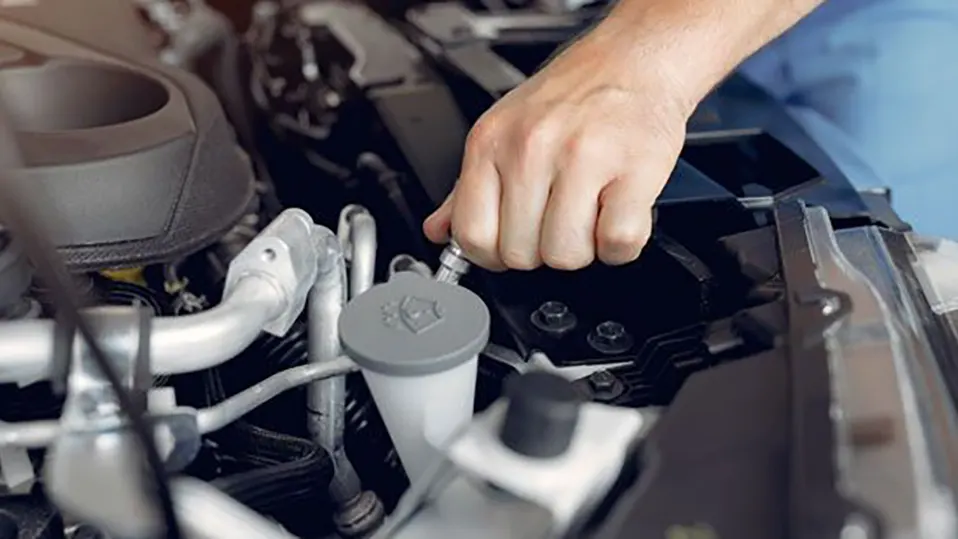
A levegőbeszívó rendszert tisztán és akadálytalanul kell tartani. A levegőszűrő elemet gyakran kell fújni, az összekötő szíjak feszességének megfelelőnek kell lennie, a gumiabroncsok nyomása nem lehet túl alacsony, és a cipők közötti rést gyakran, súrlódás nélkül kell beállítani.
A motor hőmérséklete közvetlenül összefügg az üzemanyag-megtakarítással, és a túl magas vagy túl alacsony hőmérséklet az üzemanyag-fogyasztás növekedéséhez vezet.
A motor üzemi vízhőmérsékletét 80℃-90℃ között kell tartani. Alacsony hőmérsékleten történő indításkor be kell melegíteni a motort. A motor megfelelő bemelegedése üzemanyag-megtakarítást eredményezhet.
A motor indítási minősége a jármű beindítása előtt közvetlenül összefügg az üzemanyag-fogyasztással. Minél több az indítás, annál több az üresjárati üzemanyag-fogyasztás. Ezért az indítási minőség javítása fontos része az üzemanyag-megtakarításnak.
A jármű indítása és gyorsulása az indulás után bizonyos hatással van az üzemanyag-megtakarításra. Az autó simán indul és egyenletesen gyorsul, ami üzemanyag-takarékosabb, mint a hirtelen indulás és a hirtelen gyorsulás.
Az üzemanyag-megtakarítás érdekében induláskor és gyorsuláskor a járművet induláskor erősen kell fékezni, és az üzemanyagot egyenletesen kell utántölteni. Ne lépjen hirtelen a gázpedálra, hogy elkerülje az üzemanyag-veszteséget. A kuplungnak nagyon pontosnak kell lennie, a gázpedál-vezérlésnek pedig mérsékeltnek, hogy simán és természetesen tudjon elindulni, és egyenletesen gyorsulni. Ez üzemanyagot takaríthat meg, és csökkentheti a mechanikai kopást.
A gazdaságos sebesség a legfogyasztás szempontjából leghatékonyabb sebesség, amikor az autó közvetlen vagy túlpörgésgátló fokozatban van. Az autó ugyanazon az úton halad, de a sebessége eltérő, és az üzemanyag-fogyasztás is eltérő.
Ezért csak egy bizonyos sebességnél a legalacsonyabb az üzemanyag-fogyasztás. Közepes sebességgel haladva az autónak közvetlen vagy magas fokozatot kell használnia, ami üzemanyag-megtakarítást eredményezhet.
A sebességfokozat kiválasztása és a váltási műveletek nagyban befolyásolják az üzemanyag-fogyasztást. Induláskor a teherbírásnak és az útviszonyoknak megfelelően ésszerűen kell sebességfokozatot választani.
Vezetés közben, ha úgy érzed, hogy nincs elég teljesítmény, időben vissza kell kapcsolnod, és nem szabad csak a gázt feljebb nyomni a teljesítményhiány megszüntetésére. A vakon rálépő gázadás növeli az üzemanyag-fogyasztást.
Váltáskor könnyedén, gyorsan és pontosan mozgasson. Így a jármű által sebességváltás közben megtett távolság lerövidíthető, és így elérhető az üzemanyag-megtakarítási cél.
Használd a rámpát a csúszáshoz. Amikor a lejtő nem nagy és a körülmények biztonságosak, a leereszkedő rámpát használhatod a megfelelő sikláshoz, ami üzemanyagot is takaríthat meg.
Vezetés közben a lassítás vagy megállási igényeknek megfelelően pontosan becsülje meg az előtte lévő távolságot, előre, kiszámítható módon engedje fel a gázpedált, és a lassítás vagy megállás célját csúsztatással érje el.
Röviden, ahhoz, hogy képzett és üzemanyag-takarékos sofőr legyél, a jármű jó állapotának megőrzése mellett jó személyes hozzáállást is kell fenntartanod, és érzelmek nélkül kell vezetned a járművet. A biztonság garantálása érdekében a gázpedált és a jármű sebességét a lábad alatt kell kontrollálnod.
Kapcsolódó termékek
WooCommerce termék rövidkódján keresztül renderelve, így a kártyák öröklik a globális termékkártya struktúrát és a Blocksy/WooCommerce stílusokat.