Vehicle Safety System Guide

A Traction Control System, or TCS, is also known as ASR or TRC. It helps a car achieve optimum traction under different driving conditions by monitoring wheel speed, steering intention, and drive-wheel slip.

When the car accelerates and the system detects that the speed difference between the driving wheels and non-driving wheels is too large, the computer judges that driving force is too high. It then sends commands to reduce engine oil supply or reduce driving force, lowering the slip rate of the drive wheels.

Definition

What TCS does

Traction Control System helps match driving force to road grip

The control device of the Traction Control System is a computer. It detects the speed of four wheels and the steering wheel steering angle. When the car accelerates, if the speed difference between the driving wheels and non-driving wheels is too large, the computer immediately judges that driving force is too large.

The system then sends a command signal to reduce engine oil supply and lower the driving force, thereby reducing the slip rate of the driving wheels.

The computer also understands the driver’s steering intention through the steering wheel angle sensor. It then uses left and right wheel speed sensors to detect the difference between the left and right wheel speeds, judging whether the car is steering to the same extent as the driver’s intention.

If understeer or oversteer is detected, the computer determines that the drive-wheel force is too high and issues a command to reduce driving force. The purpose is to help the vehicle follow the driver’s steering intention more closely.

Introduction

ASR / Acceleration Slip Regulation

ASR prevents drive-wheel slip during starting and acceleration

ASR stands for Acceleration Slip Regulation. It is a traction control system, or drive anti-skid system, whose purpose is to prevent vehicles, especially high-horsepower cars, from slipping at the drive wheels when starting and accelerating. This helps maintain the stability of the vehicle’s driving direction.

ASR can reduce engine power by reducing the throttle opening, or it can control wheel slip through the brakes. In a car equipped with ASR, the mechanical connection from the accelerator pedal to the gasoline engine throttle, or diesel engine injection pump lever, is replaced by an electronically controlled throttle device.

When the sensor transmits the accelerator pedal position and wheel speed signal to the control unit, the control unit generates a control voltage signal. The servo motor readjusts the throttle position, or the diesel engine lever position, according to this signal. The position signal is then fed back to the control unit so that the brake can be adjusted in time.

When a car drives on a slippery road without ASR, the drive wheels tend to slip during acceleration. If the rear-drive wheels slip, the vehicle tends to drift. If the front-drive wheels slip, the vehicle tends to lose direction.

With ASR, the car will not have this phenomenon or can mitigate it during acceleration. When turning, if a drive wheel slips, the whole vehicle may drift to one side. ASR helps the vehicle steer along the correct course.

In short, ASR maximizes the use of the engine’s driving torque to ensure stability during starting, acceleration, and steering.

The difference between ASR and ABS is that ABS prevents the wheels from skidding because they are locked during braking, while ASR prevents the car from skidding because drive wheels slip during acceleration. ASR is an expansion of ABS, and the two complement each other.

ASR was only installed on some high-grade cars, but it has been expected to become as popular as ABS because of the performance and technical integration between ASR and ABS.

Role

Role of traction control

Traction control improves stability, acceleration and climbing ability

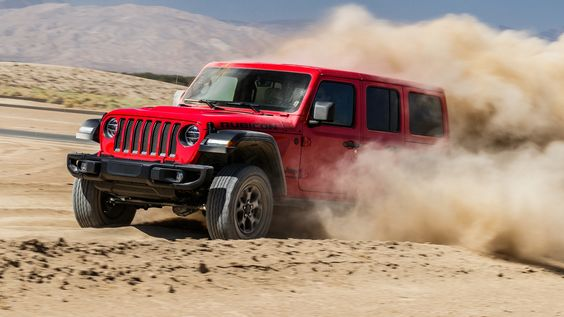
When a car is braked on a smooth road, the wheels can slip and even lose direction. Likewise, when a car starts or accelerates rapidly, the drive wheels may slip. On smooth roads such as snow and ice, this can cause loss of direction and become dangerous. Traction control is designed for this problem.

The traction control system relies on electronic sensors. When it detects that the driven wheel speed is lower than the driving wheel speed, which is the characteristic of slipping, it sends a signal to adjust ignition time, reduce valve opening, reduce throttle, downshift, or brake the wheels so that the wheels no longer slip.

Traction control can improve driving stability, acceleration, and climbing ability. Although it was once mainly installed on luxury cars, it has also been available on many ordinary cars from 2008 to 2013.

When used with ABS, traction control further enhances vehicle safety performance. The traction control system and ABS can share wheel speed sensors on the axle and connect to the trip computer to constantly monitor wheel speed.

When slip is detected at low speed, traction control immediately notifies ABS to reduce wheel slip. If slippage is detected at high speed, traction control sends a command to the trip computer to command the engine to slow down or the transmission to downshift. This helps stop the slipping wheels from slipping further and prevents the vehicle from drifting out of control.

Different manufacturers use different names for similar functions. Mercedes-Benz calls it ASR, Toyota calls it TRC, BMW calls it DTC, and Cadillac calls it TCS.

Classification

Two control methods

Traction control mainly uses brake torque control and engine torque control

Braking torque control method

Braking torque is applied to drive wheels that are about to idle. The excess torque output from the engine is consumed in the brakes, controlling the wheel slip rate within the desired range, similar to ABS.

The brake control method responds faster than the engine control method. It is more effective in preventing wheel spin when the car starts or when there is a sudden change from a high-adhesion surface to a low-adhesion surface.

The brake control method can also control each drive wheel independently, and the differential locking device has the same function. However, this method consumes extra engine power as heat in the brake. The brake then heats up severely, which affects service life and is not conducive to improving vehicle economy.

Engine torque control method

The engine torque control method controls engine torque input to the drive wheels, keeping the wheel slip rate within a suitable range.

It inputs the optimum driving torque to the drive wheels based on road conditions by varying the amount of fuel injection, ignition timing, and throttle opening. Brake torque control and engine torque control can be used individually or in combination.

Compared with braking control, engine torque control responds more slowly. Another important problem is that on roads with asymmetric adhesion coefficients, it cannot always achieve the best drive control. Its effectiveness is similar to the low-selection case of the ABS control system.

To achieve better drive control and maximize economy, power, directional stability, and maneuverability, traction control is moving toward integrated control of engine torque and wheel braking.

Quick Reference

Key ideas from the Traction Control System article

What the system monitors

  • Four wheel speedsThe computer checks wheel speed to identify slip.
  • Steering angleThe steering wheel angle sensor helps identify the driver’s steering intention.
  • Left and right wheel speed differenceThe system judges whether the vehicle is following the intended direction.
  • Understeer or oversteerDetected steering deviation can trigger driving-force reduction.

How it controls slip

  • Reduce engine forceThe system can reduce engine oil supply, throttle opening, ignition timing, or torque.
  • Brake slipping wheelsBrake torque can control drive-wheel slip quickly.
  • Work with ABSASR and ABS complement each other and may share wheel speed sensors.
  • Integrated controlModern direction combines engine torque and wheel braking control.
Summary

TCS helps prevent drive-wheel slip and supports safer acceleration

Traction Control System, ASR, TRC, DTC, and TCS are different names or related implementations of a system designed to manage drive-wheel slip. By monitoring wheel speeds, steering angle, and vehicle behavior, the system helps reduce excessive driving force when the vehicle begins to lose traction.

Brake torque control responds quickly, while engine torque control adjusts output through fuel injection, ignition timing, and throttle opening. Used alone or together with ABS, traction control improves stability during starting, acceleration, steering, climbing, and slippery-road driving.

Related Products

Rendered through WooCommerce product shortcode so the cards inherit the product-card structure used by the reference post style.

Komentiraj

Vaša adresa e-pošte neće biti objavljena. Obavezna polja su označena sa * (obavezno)