Non classé
Décalaminage des moteurs : pourquoi et solutions

avril 17, 2024
Partager:
 autoolstore.com
Le moteur est le cœur de la voiture, et son bon fonctionnement influe directement sur la sécurité et le confort de conduite. Avec le temps, les dépôts et les résidus de carbone produits par le moteur peuvent s'accumuler et devenir un problème persistant, nuisant à son bon fonctionnement.
Pour voyager en toute sécurité et ralentir le vieillissement du véhicule, il est important d'éliminer régulièrement les dépôts de carbone. Le décalaminage, également appelé décarbonisation du moteur, élimine la suie et les dépôts de carbone à l'intérieur du moteur afin d'améliorer les performances du véhicule.
Définition de base
Le décalaminage moteur est le processus d'élimination des dépôts de carbone excessifs produits par la combustion du carburant. Avec le temps, le carbone produit lors de la combustion peut s'accumuler et endommager les composants internes du moteur.
L'article original identifie plusieurs causes courantes d'accumulation de carbone :
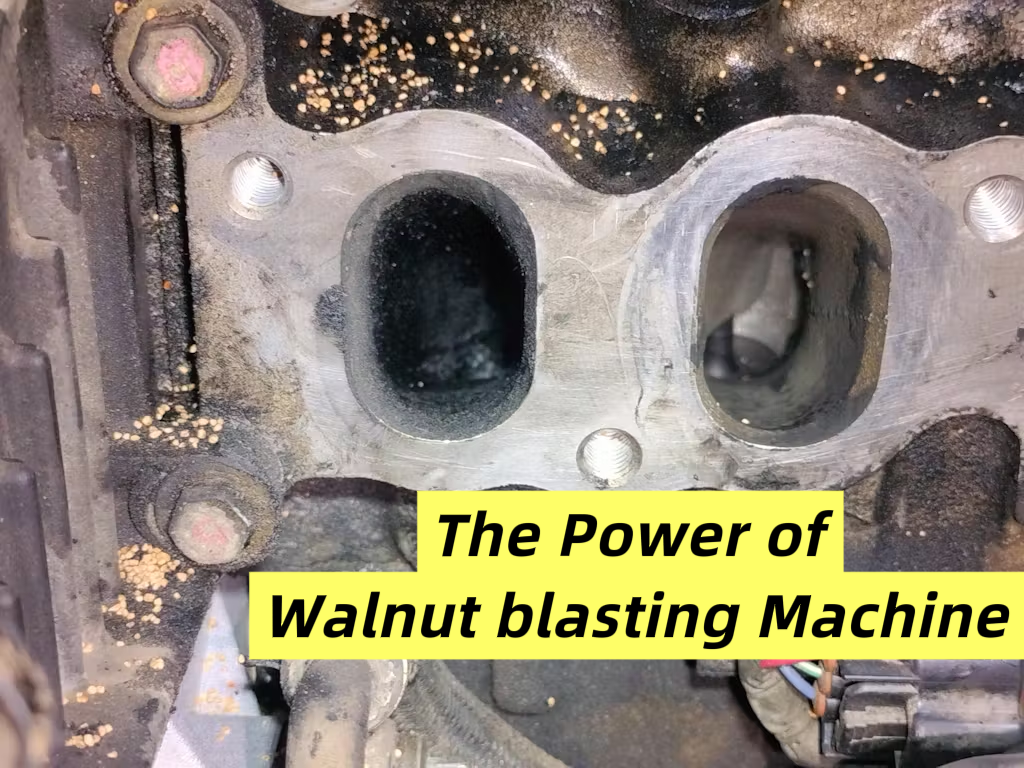
La combustion du carburant peut également produire de la fumée noire. Cette fumée peut se déposer sur les composants internes du moteur, tels que les injecteurs, les parois des cylindres, les soupapes d'admission et d'autres pièces, finissant par affecter leur fonctionnement.
Risque d'accumulation de carbone
La suie est un sous-produit de la combustion du carburant. Elle peut s'accumuler autour de nombreux composants du moteur, notamment les soupapes d'échappement, les tuyaux, les culasses, les pistons, les conduits d'admission, les injecteurs et d'autres pièces. Avec le temps, cette accumulation peut nuire au fonctionnement de ces composants.
Une méthode efficace pour prévenir les anomalies consiste à décalaminer le moteur. Une autre consiste à nettoyer le carbone de certaines pièces, telles que :
Chronologie et symptômes
Les recommandations d'entretien initiales sont basées sur le kilométrage et les pièces nettoyées :
En général, si la voiture est utilisée en ville pendant une longue période, l'article original recommande un décalaminage tous les 20 000 à 30 000 kilomètres. Si la voiture circule principalement sur autoroute, un décalaminage peut être effectué tous les 30 000 à 40 000 kilomètres.
Vous avez toujours des problèmes d'accumulation de carbone dans votre voiture ?
Rappel de maintenance
méthodes de nettoyage
L'article original présente deux formes courantes de décarbonation : la décarbonation chimique et la décarbonation logistique. L'explication détaillée fournie dans le texte original porte sur la décarbonation chimique.
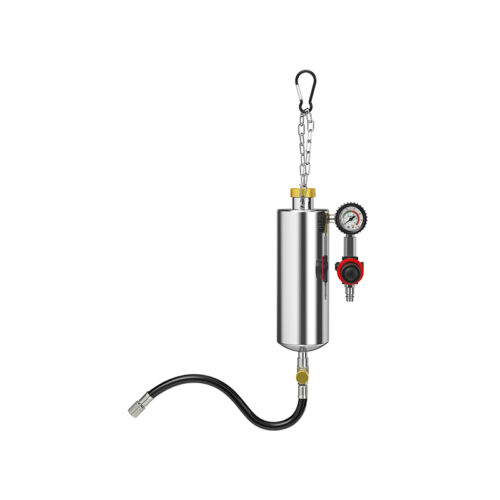
Le décarbonatage chimique est également appelé nettoyage sans démontage ou nettoyage par flacon. Cette méthode consiste à injecter un agent nettoyant dans le conduit d'admission, où il dilue et ramollit les dépôts de carbone, les transformant en une boue qui est ensuite évacuée du cylindre et de la chambre de combustion.
Le nettoyage général concerne notamment le conduit d'admission, le papillon des gaz, la soupape d'admission, l'injecteur de carburant et l'intérieur du cylindre. L'avantage de cette méthode est qu'elle peut être effectuée sans démontage. Cependant, son inconvénient est qu'il est impossible de visualiser le résultat du nettoyage.
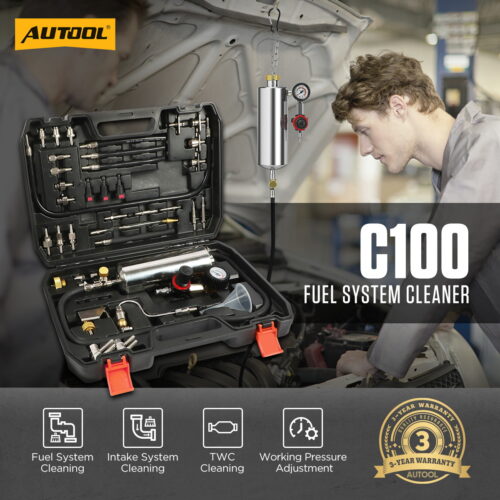
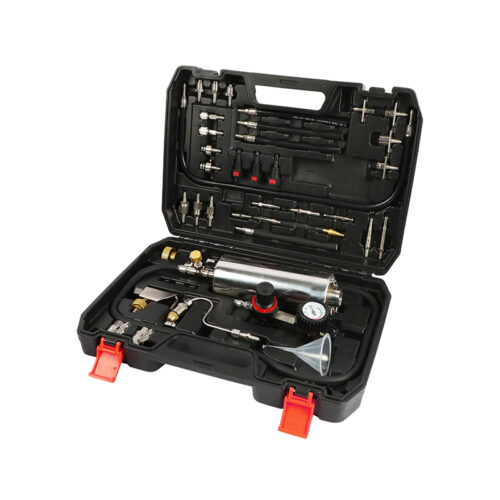
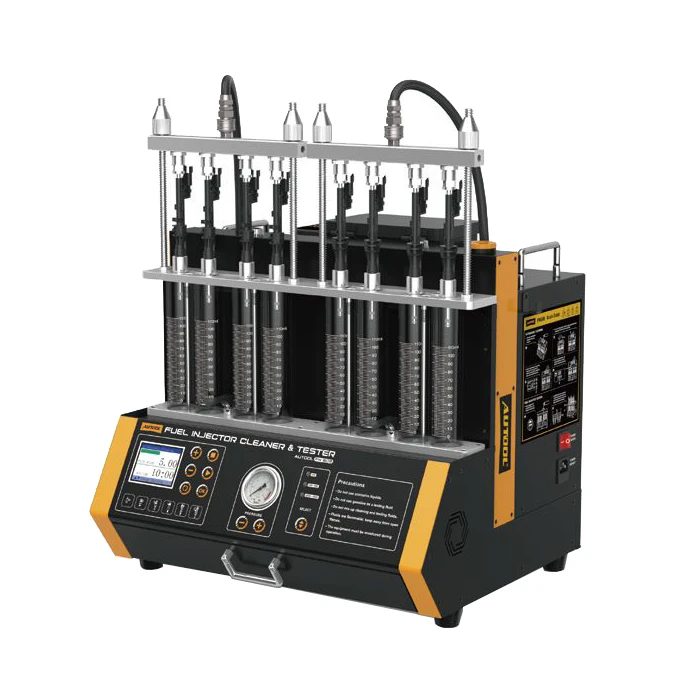
L'article original renvoie à AUTOOL C100 et une vidéo connexe pour les utilisateurs qui souhaitent en savoir plus sur le nettoyage des injecteurs de carburant et du carbone du moteur.
Produits associés
Rendu via le shortcode produit WooCommerce afin que les cartes héritent de la structure globale des cartes de produit et des styles Blocksy/WooCommerce.