AUTOOL Blogi, Korjaustiedot
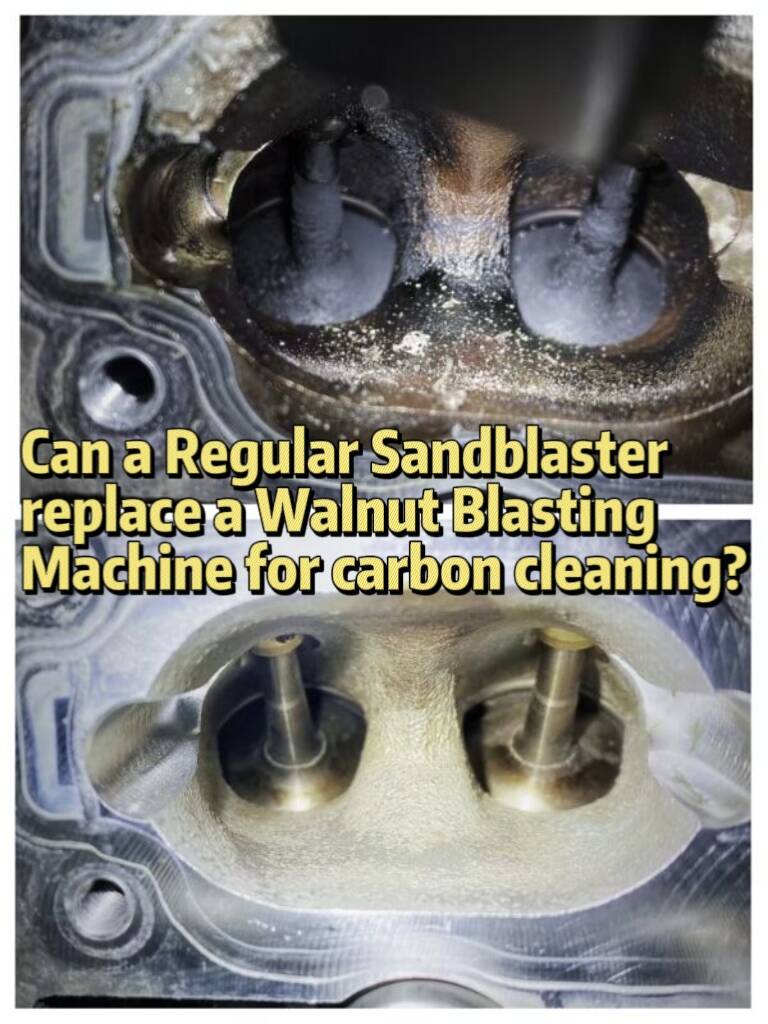
Voiko tavallinen hiekkapuhallin korvata saksanpähkinäpuhalluskoneen hiilen puhdistuksessa?

27 tammikuun, 2026
Jakaa:
 autoolstore.com
Ydinmedia määrittää, onko moottori suojattu
Hiekkapuhalluksen ydin on hioma-aineessa. Saksanpähkinäpuhalluskone ja tavallinen hiekkapuhalluslaite käyttävät täysin erilaista materiaalilogiikkaa, ja tämä ero ratkaisee suoraan, vaurioituuko moottori.
| Tuote | Pähkinänsärkijä | Tavallinen hiekkapuhallin |
|---|---|---|
| Hioma-aine | Luonnonpähkinähiekkaa, pääosin 0,8–1,2 mm, jonka Mohsin kovuus on noin 2,5–3 ja rakenne irtonainen ja sitkeä. | Kvartsihiekka, smirgeli, teräsraketit, jokihiekka ja muut kovat teollisuushioma-aineet. |
| Moottorin suojaus | Poistaa hiilikertymiä naarmuttamatta alumiiniseoksesta tai valuraudasta valmistettuja sylinterilohkoja, venttiilien tiivistyspintoja tai imusarjan sisäseinämiä. | Voi naarmuttaa pahasti sylinterilohkoja, venttiilien tiivistyspintoja ja imusarjoja, aiheuttaen ilmavuotoja, öljyn palamista, epävakaata tyhjäkäyntiä tai muita toissijaisia vikoja. |
| Medianhallinta | Käyttää tarkkaa hiekansäätöventtiiliä ja ruostumattomasta teräksestä valmistettua tukkeutumatonta poistoputkea jatkuvan ja tasaisen tuoton takaamiseksi. | Yleensä puuttuu erilliset säätöventtiilit, eikä imuventtiilien, palotilan tai kaasuventtiilien hiekan ulostuloa voida säätää tarkasti. |
| Jäännösriski | Saksanpähkinähiekka on luonnollinen kasviperäinen hioma-aine. Pienet jäämät voivat hajota korkeassa lämpötilassa moottorin käydessä. | Teollisuuden hiomajäämät voivat aiheuttaa hankauskulumaa mäntiin, sylinterin seinämiin ja venttiileihin, mikä johtaa sylinterin naarmuuntumiseen tai moottorin rikkoutumiseen. |
Tästä syystä luotettava saksanpähkinäpuhalluslaite ja täydellinen saksanpähkinäpuhallussarja ovat turvallisempia autojen kunnossapidossa kuin tavalliset teollisuuspuhalluslaitteet.
Ammattimainen saksanpähkinäpuhalluskone vähentää myös "hiekan valumista ja rikkoutumista" puhdistuksen aikana. Jatkuva ja tasainen hiekan tuotto antaa teknikoille mahdollisuuden säätää puhdistusvoimaa imuventtiilien, palotilan ja kaasuventtiilien mukaan sen sijaan, että käytettäisiin yhtä karkeaa teollisuusasetusta jokaiselle pinnalle.
Tavalliset hiekkapuhalluslaitteet luovat täysin erilaisen riskiprofiilin. Moottoriin jäävät kovat teollisuushiukkaset voivat voimistaa kitkaa, kun taas karkealla materiaalinhallintajärjestelmällä ei joko pystytä poistamaan karstaa tai se voi aiheuttaa liikaa iskuja tarkkuuspinnoille. Siksi hioma-aineen valinta ei ole mikään pieni lisävarustevalinta; se on moottorin turvallisen karstanpuhdistuksen perusta.
Moottorin ontelot tarvitsevat kontrolloitua painetta
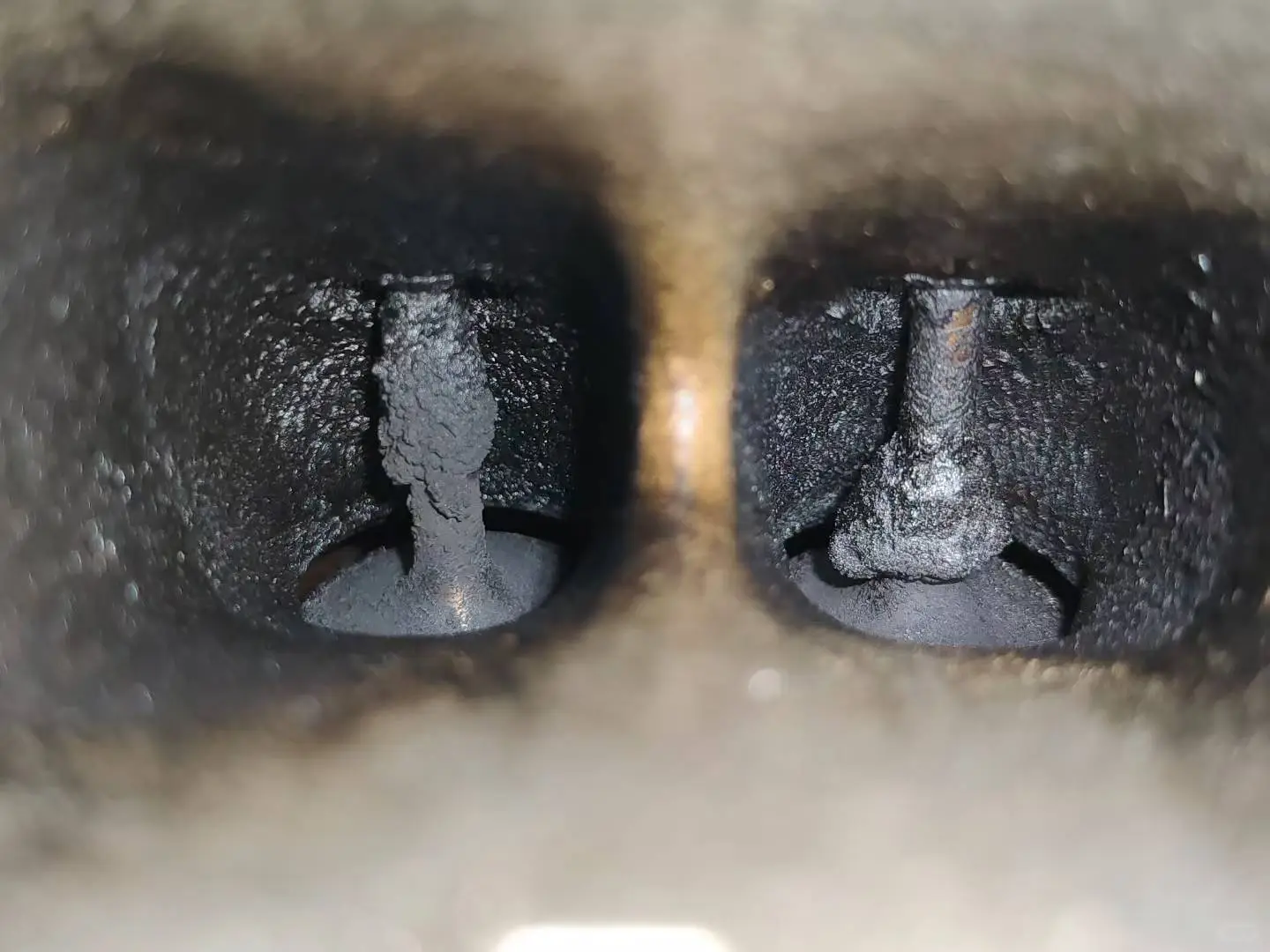
Automoottoreiden imuventtiilit, palotilat ja imusarjat ovat tarkkuusonteloita. Ne vaativat tarkkaa yhteensovitusta hiekkapuhalluspaineen ja hiekan tuoton välillä, mikä on yksi näiden kahden laitetyypin tärkeimmistä eroista.
Työilmanpainetta voidaan säätää hiilikuidun paksuuden ja puhdistettavan osan mukaan. Matalapaine ja hienon hiekan ulostulo sopivat kaasuläppäventtiileille ja sytytystulpille, keskipaine imuventtiileille ja jakotukeille, ja korkeampaa painetta voidaan käyttää paksujen palotilan hiilikerrostumien poistamiseen.
Monikulmainen kyynärpääruisku ja erityiset moottorin tiivistysliitokset voivat päästä moottoriin sytytystulppien reikien ja imusarjan liitosten kautta ilman laajamittaista purkamista.
Tavalliset hiekkapuhaltimet toimivat usein noin 0,8–2,0 MPa:n paineella, ja ne on suunniteltu teollisuustahrojen nopeaan poistamiseen, eivät moottorin tarkkuuspuhdistukseen.
Teollisuuden suoraruiskutuspistoolit eivät pääse hyvin monimutkaisiin moottorin onteloihin, ja niissä ei ole tiivistäviä liitoksia, mikä voi aiheuttaa hioma-aineiden vuotoja, pölyn leviämistä, epätäydellistä puhdistumista ja paineen epävakautta.
Saksanpähkinäpuhalluskoneessa käytetään myös paineentasausventtiiliä, joka pitää ilmanpaineen vakaana käytön aikana. Ilman paineentasausventtiiliä tavallinen hiekkapuhalluslaite voi vaihdella osia vahingoittavan paineen ja hiilikertymiä poistamattoman paineen välillä.
Alkuperäinen paineenvertailu on erityisen tärkeä suljetuissa moottoritiloissa. Alhainen paine ja pieni hiekantuotto voivat puhdistaa pieniä osia, kuten kaasuläppää ja sytytystulppia. Keskipaine ja keskikokoinen hiekantuotto sopivat imuventtiileihin ja imusarjoihin. Korkeampaa painetta ja suurempaa hiekantuottoa tulisi käyttää vain silloin, kun paksut palotilan kerrostumat vaativat voimakkaampaa puhdistusvoimaa.
Tavalliset teollisuushiekkapuhalluslaitteet on rakennettu ruosteen poistoon, hitsauskuonan poistoon ja pinnan karhennukseen. Niiden kiinteä teollisuuskorkeapaine ei ole suunniteltu venttiilien tiivistyspinnoille tai sylinterin sisäisille pinnoitteille. Väärässä paikassa käytettynä seurauksena voi olla tiivisteiden pettäminen, pinnoitteen irtoaminen ja puhdistus, joka tulee kalliimmaksi kuin itse hiiliongelma.
Tarkoin suunniteltu autojen hiilipuhdistukseen
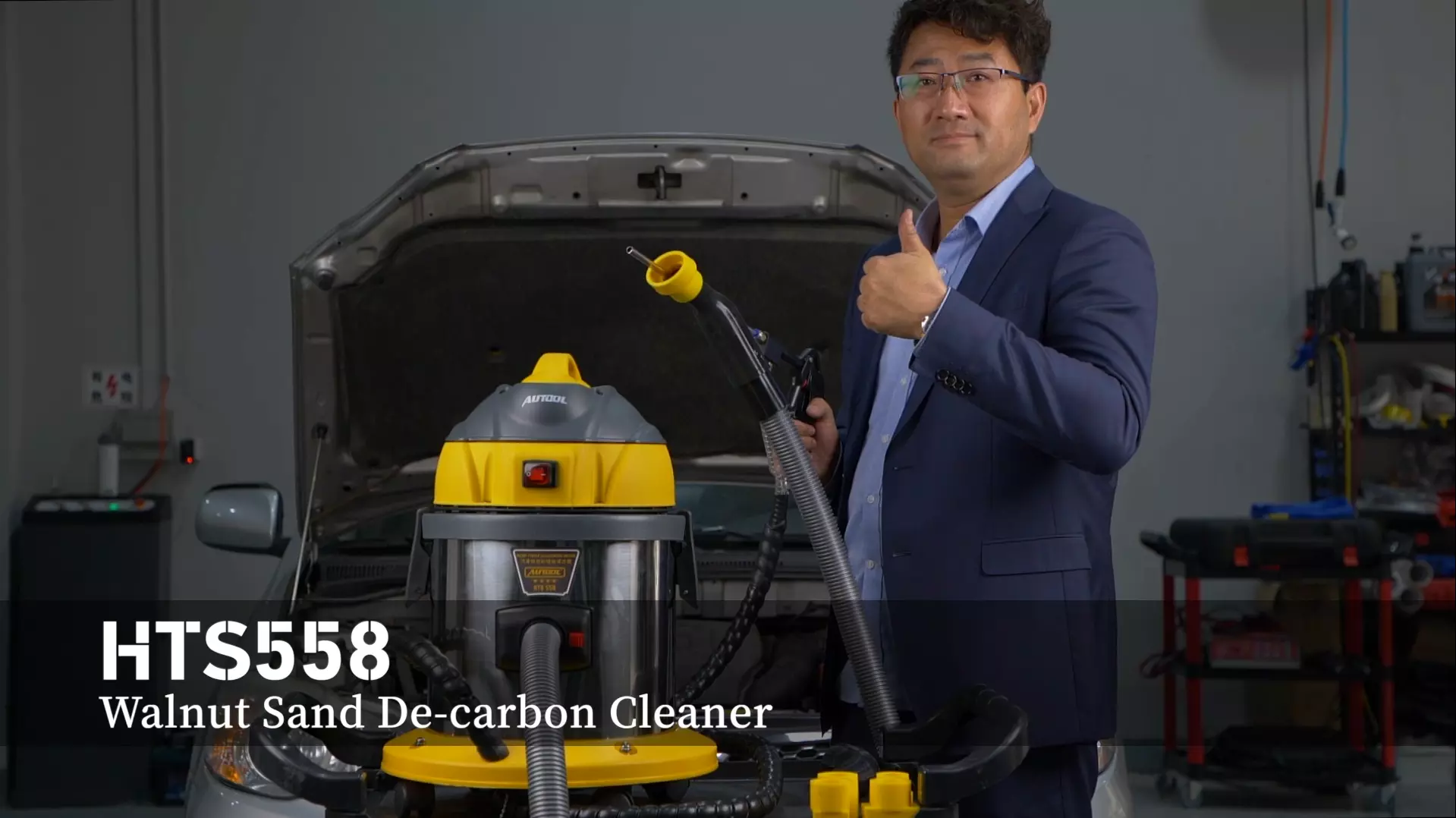
Saksanpähkinäpuhalluskone on tarkoitettu erityisesti autojen moottoreiden hiilikerrostumien poistamiseen, kun taas tavalliset hiekkapuhalluslaitteet ovat yleiskäyttöisiä teollisia laitteita. Niiden rakenne ja toiminta ovat siksi perustavanlaatuisesti erilaisia.
Tavallisista hiekkapuhalluslaitteista puuttuu yleensä kierrätys-, suodatus-, pölytiivistys-, liikuteltavuus- ja lisäpuhdistustoiminnot. Hioma-aineet ovat kertakäyttöisiä, työpajapölyä on vaikeampi hallita, ja raskaat teollisuusrakenteet eivät sovellu liikkuvaan tai kompaktiin autokorjaamokäyttöön.
Päivittäisessä korjaamotyössä tästä erosta tulee nopeasti käyttökustannuksia. Ilman talteenotto- tai suodatusjärjestelmää hioma-aineet sekoittuvat hiilikerrostumiin ja hävitetään suoraan. Ilman suljettua pölyneristystä hiekkapuhallus saastuttaa sisäkorjaamon laitteita ja lisää työperäistä altistumista. Ilman pyöriä tai kantokahvoja kone ei sovellu paikan päällä tehtäviin korjauksiin tai kompakteihin tienvarsikorjaamoihin.
Käyttöturvallisuus ja loppupuhdistusteho
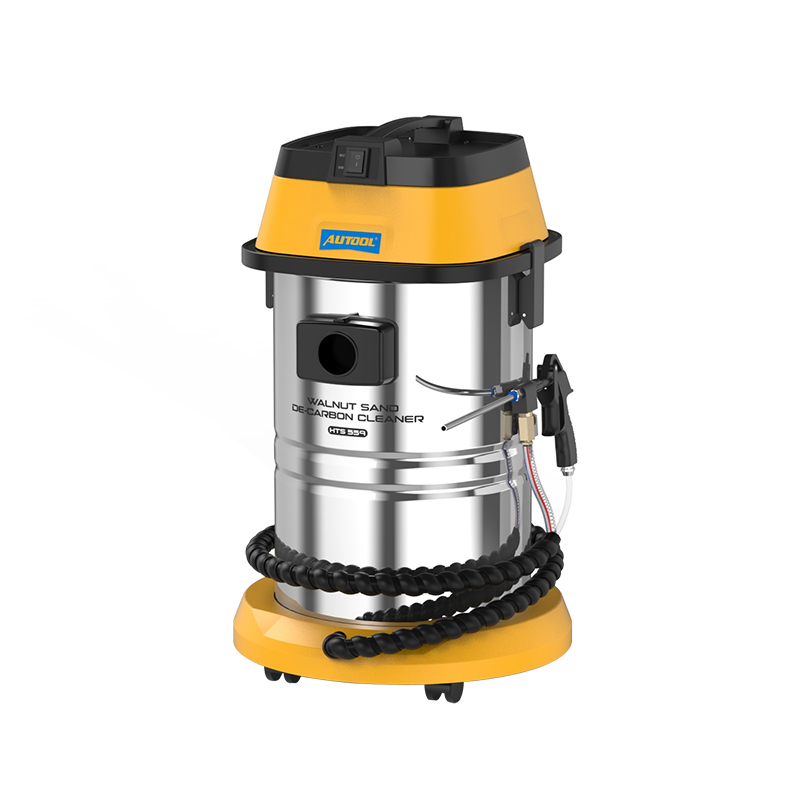
Autokorjaamot tarvitsevat nopeita, tehokkaita ja yhden käyttäjän suorittamia menetelmiä. Teknikoilla ei yleensä ole virallista hiekkapuhalluskoulutusta, joten toiminnan monimutkaisuus ja turvallisuusvaatimukset ovat tärkeitä.
| Ulottuvuus | Pähkinänsärkijä | Tavallinen hiekkapuhallin |
|---|---|---|
| Käyttö | Suunniteltu korjaamoille, yleensä ohjeiden mukaisesti ”Virta päälle – Ilmanpaineen säätö – Hiekan ulostulon säätö”. Uudet käyttäjät voivat usein aloittaa puolen tunnin kuluessa. | Vaatii teollisen hiekkapuhalluksen koulutusta, useiden parametrien säätöä ja usein kahden hengen yhteistyötä. |
| Turvallisuus | Käyttää luonnollisia saksanpähkinänkuoria, jotka eivät ole syövyttäviä eivätkä ärsytä ihoa. Pölynaamari, käsineet ja suojalasit riittävät yleensä. | Kovat hioma-aineet palautuvat helposti, ja kvartsihiekasta tai hiomapaperista irtoavan pölyn poistamiseksi saatetaan tarvita kaasunaamareita, iskunkestäviä suojalaseja ja paksuja suojavaatteita. |
| Kauppojen infrastruktuuri | Pneumaattiset mallit voivat toimia olemassa olevien 7,5–11 kW:n ilmakompressorien kanssa, kun taas sähkömallit voivat käyttää tavallista 220 V:n virtaa. | Saattaa vaatia tehokkaan, vähintään 15 kW:n ilmakompressorin ja 380 V:n teollisuussähkön. |
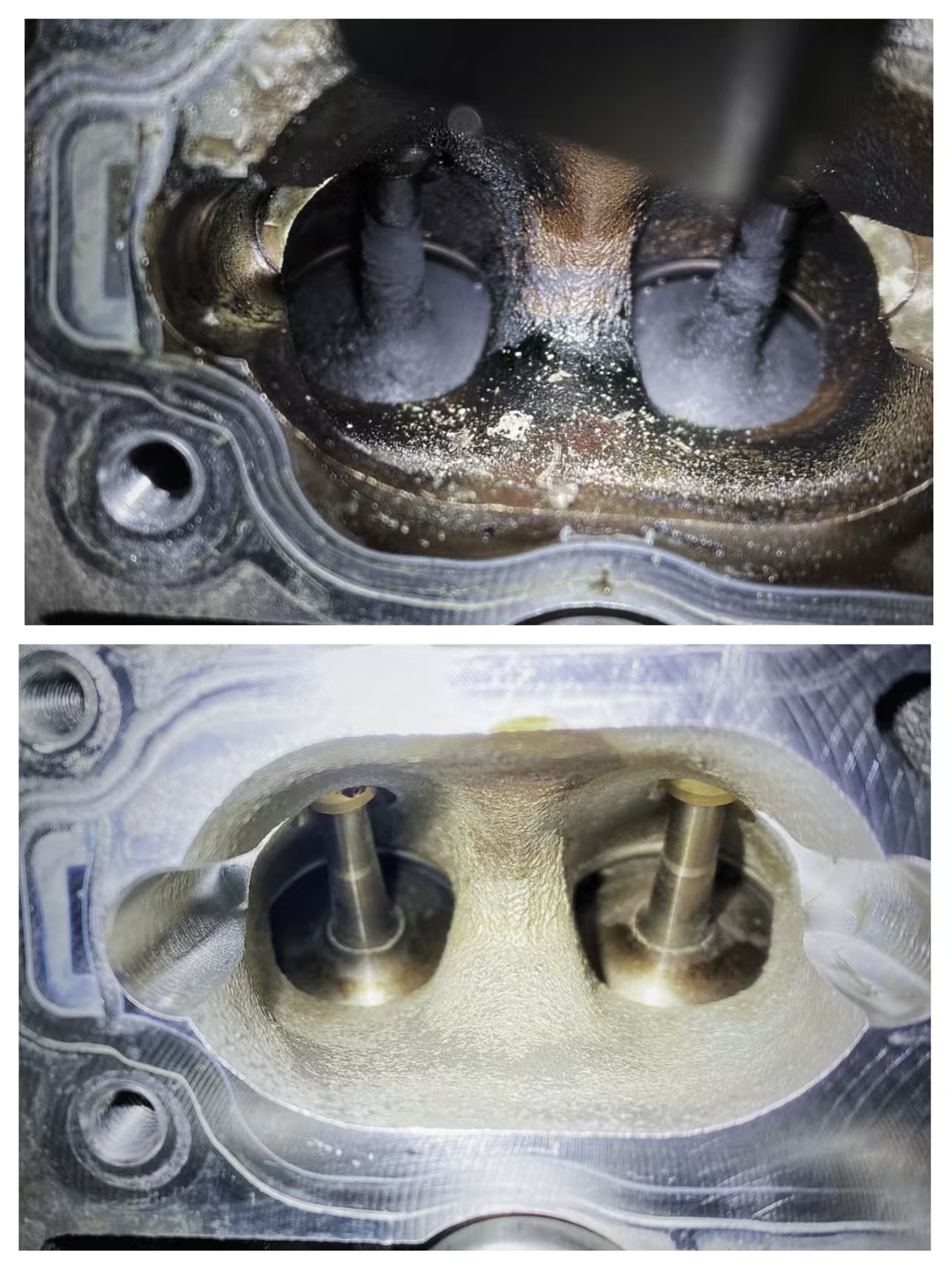
| Puhdistustulos | Saksanpähkinänkuoren hiekka voi päästä imuventtiilien takaosiin, palotilaan ja polttoainesuuttimien ympärille ja poistaa fyysisesti pinttyneitä kerrostumia. | Ruiskupistoolit saattavat puhdistaa vain pinnallisia hiilikertymiä eivätkä ne pääse moottorin ytimeen. |
| Jälkivaikutus | Ei hankausjäämien aiheuttamia vaurioita eikä asianmukaisen puhdistuksen jälkeen tarvita lisäpurkamista tai huoltoa. | Teollisuuden hioma-aineiden jäämät voivat aiheuttaa sylinterin naarmuuntumista, öljyn palamista, polttoaineletkujen tukoksia, venttiilitiivisteiden pettämistä ja sylinterin pinnoitteen irtoamista. |
Automoottoreiden hiilikerrostumien puhdistukseen tulisi käyttää vain erikoistuneita saksanpähkinänkuoren hiekkapuhalluskoneita. Tavalliset hiekkapuhalluskoneet voivat soveltua teolliseen ruosteen poistoon tai hitsauskuonan poistoon, mutta niitä ei tule muuttaa autojen hiilikerrostumien puhdistukseen.
Riski ei ole pelkkä huono puhdistus. Siihen kuuluvat hankausvauriot, jäämien kertyminen, paineen epävakaus, toissijaiset toimintahäiriöt, asiakasvalitukset ja taloudelliset tappiot.
Oikein tehty hiekkapuhallus puhdistaa imuventtiilien takaa, palotilasta ja polttoainesuuttimien ympäriltä. Asianmukaisen puhdistuksen jälkeen moottorin tyhjäkäynti palautuu tasaisemmaksi, kiihtyvyys on voimakkaampi ja polttoaineenkulutus normaalimpi. Sopimaton tavallinen hiekkapuhalluslaite saattaa poistaa vain näkyvää pintakarstaa jättäen todelliset ongelma-alueet koskemattomiksi.
Ostopäätöstä tehtäessä tulisi noudattaa seuraavaa periaatetta: käytä erikoistuneita saksanpähkinänkuoren puhalluskoneita autojen moottoreiden hiilikerrostumien poistamiseen ja varaa standardinmukaiset hiekkapuhalluskoneet teolliseen ruosteen poistoon, hitsauskuonan poistoon ja muille ei-moottoripinnoille, joilla kovat hioma-aineet ja teollisuuspaine sopivat.
Saksanpähkinäpuhalluslaitteet
Nämä kortit käyttävät WooCommerce-lyhytkoodeja, joten tuotteen tuloste noudattaa samaa globaalia korttirakennetta kuin referenssiasettelu.
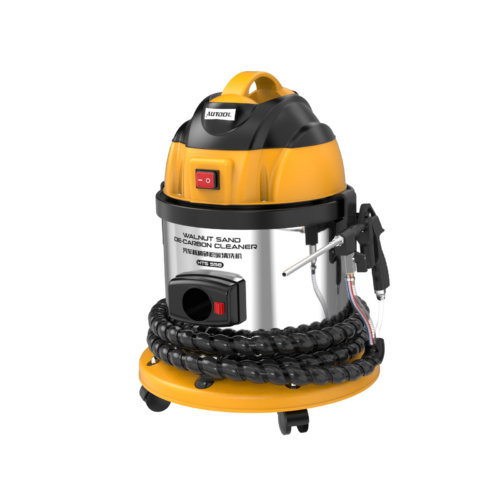
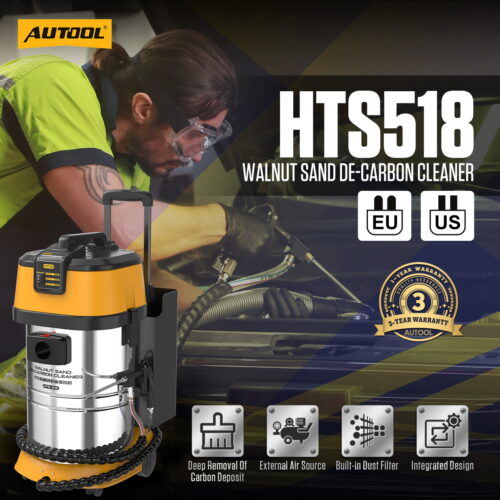
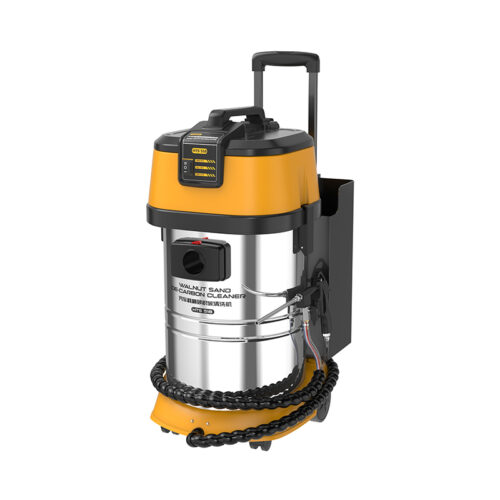
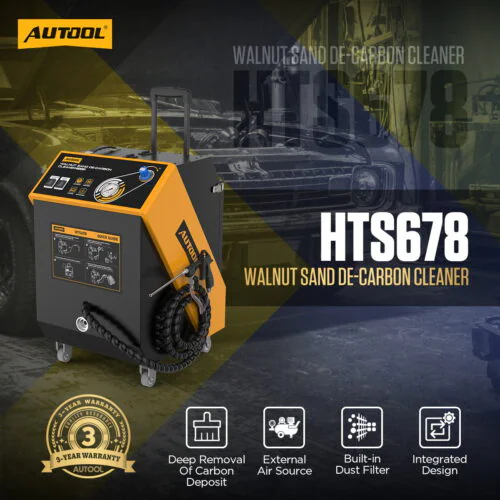
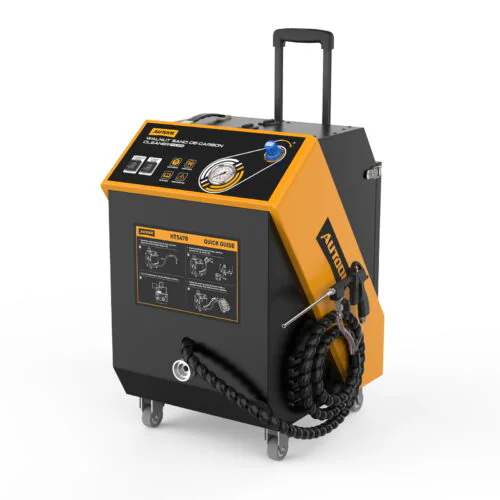
Älä korvaa ammattitason laitteita väärällä työkalulla
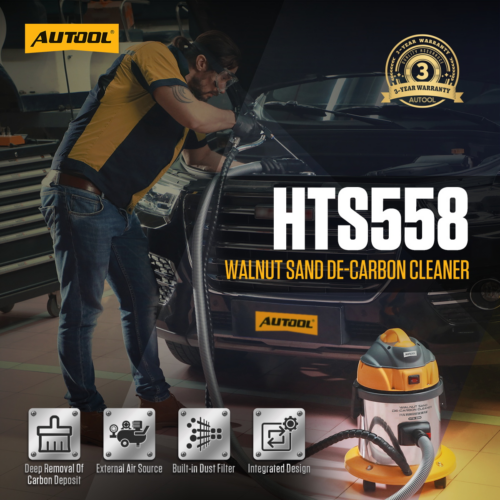
Yksinkertaisesti sanottuna saksanpähkinänkuoren karstanpuhdistimet ovat erikoismalleja autojen karstan poistoon. Tavalliset hiekkapuhaltimet ovat yleiskäyttöisiä malleja jokapäiväiseen teolliseen käyttöön. Niiden suunnittelufilosofiat ja käyttötarkoitukset ovat perustavanlaatuisesti erilaisia.
Auton hiilikerrostumien puhdistukseen tavallisella hiekkapuhalluksella ei ainoastaan saavuteta haluttua tulosta, vaan se voi myös vahingoittaa moottorin keskeisiä osia. Auton moottorin hiilikerrostumien puhdistukseen on suositeltava erikoistuneita saksanpähkinänkuorien hiekkapuhalluskoneita, joissa on säädettävä ilmanpaine ja puhallusmäärä, integroidut hioma-aineiden kierrätysjärjestelmät ja suljetut pölytiiviit rakenteet.
Ota meihin yhteyttä nyt ostaaksesi saksanpähkinäpuhalluskoneen ja nauttiaksesi uusille asiakkaille tarkoitetuista ainutlaatuisista alennuksista.
WhatsApp: +86 189 2647 7404
Sähköposti: [email protected]
Aiheeseen liittyvät tuotteet
Renderöity WooCommerce-tuotekoodin kautta, joten kortit perivät globaalin tuotekorttirakenteen ja Blocksy/WooCommerce-tyylit.