AUTOOL Blogi, Ostooppaat
Tapoja puhdistaa palotilan hiili

16 helmikuun, 2026
Jakaa:
 autoolstore.com
Hiiltä muodostuu, kun palaminen on epätäydellistä tai öljyhöyryä pääsee kammioon
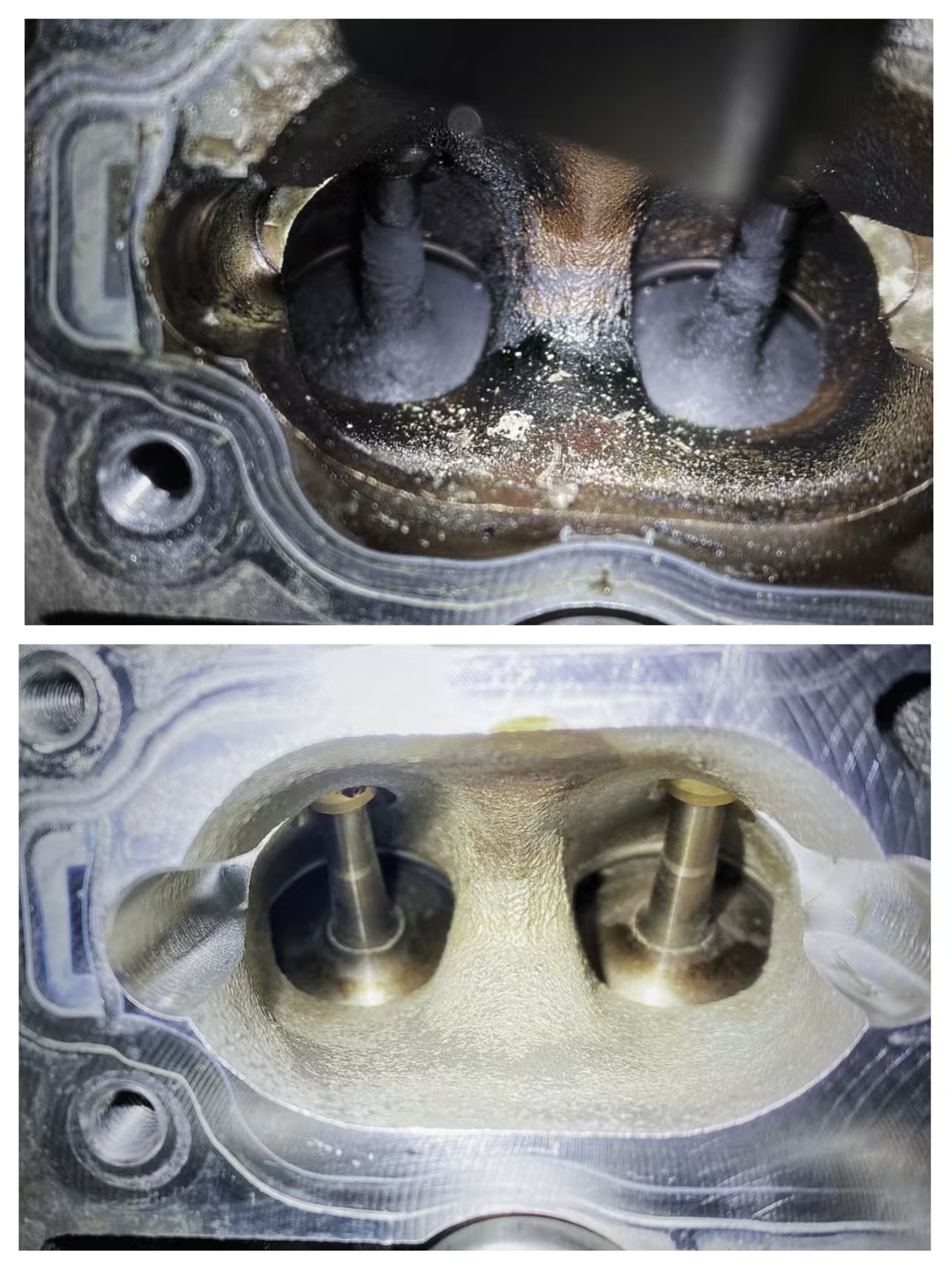
Karstaa muodostuu, kun polttoaine palaa epätäydellisesti, moottoriöljyn höyryjä pääsee palotilaan tai pakokaasut kierrätetään takaisin EGR-järjestelmän kautta. Tämä jättää hiiltä, öljylietettä ja muita kiinteitä kerrostumia moottorin sisään.
| Missä hiili esiintyy | Mihin se voi vaikuttaa |
|---|---|
| Imuventtiilit ja imusarjat | Ilmavirtaus, sumutus, kaasuvaste ja imutehokkuus. |
| Kaasuläppäkotelo ja polttoaineen ruiskuttimet | Tyhjäkäynnin vakaus, polttoaineen syöttö, kiihtyvyys ja päästöt. |
| Palotila ja männänpäät | Palamisen laatu, moottorin teho, polttoaineenkulutus ja pitkän aikavälin luotettavuus. |
Varhaisen vaiheen karstan kertymistä on vaikea havaita. Voimakas karsta voi aiheuttaa moottorin tehon laskua, epätasaista tyhjäkäyntiä, lisääntynyttä polttoaineenkulutusta ja heikkoa kaasuvastetta.
Tärkeimpiä syitä ovat liikapolttoaineen annostelu tai huono polttoaineen sumutus, palotilan alhainen lämpötila tai kylmät kohdat, pitkät seisokkiajat ja usein lyhyet ajomatkat, moottoriöljyn pääsy palotilaan PCV-järjestelmän kautta, EGR:n palauttamat palamattomat kaasut sekä heikkolaatuinen polttoaine tai sopimattomat lisäaineet. Nämä tekijät estävät täydellisen palamisen, jolloin moottoriin kertyy hiiltä.
Paras menetelmä riippuu sijainnista ja vakavuudesta
Autokorjaamot ja harrastajat käyttävät useita menetelmiä hiilen poistamiseen sijainnista ja ongelman laajuudesta riippuen.
Lisää polttoainejärjestelmän puhdistusaineita säiliöön. Kemikaalit pehmentävät ja hajottavat kevyitä karstakertymiä ajon aikana. Tämä sopii kevyeen karstakertymään ja ennaltaehkäisevään huoltoon, mutta se ei tehoa raskaaseen tai pinttyneeseen karstakertymään.
Erikoislaitteet suihkuttavat puhdistusliuosta imujärjestelmään. Sumu saavuttaa kaasuläppäkotelon, imusarjan ja palotilan pinnat. Se on nopea ja kattaa useita alueita purkamatta, mutta sen syväpuhdistuskyky on rajallinen.
Irrota kaasuläppäkotelo, imusarja ja suuttimet ja puhdista sitten osat kemikaaleilla ja harjoilla. Tämä toimii paikalliseen likaantumisen poistamiseen, mutta ei yllä kokonaan palotilaan.
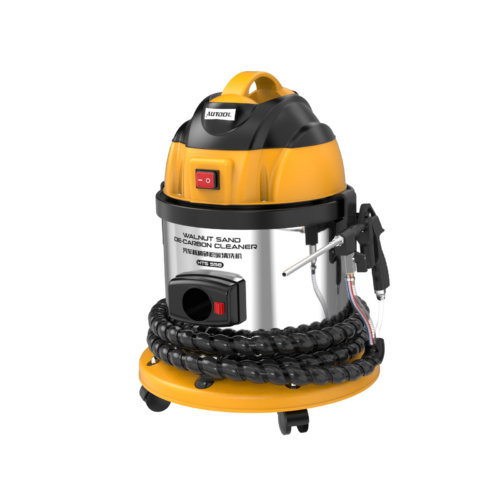
Paineilma ampuu saksanpähkinänkuoren hiukkasia imuventtiileistä ja imusarjasta. Tämä fyysinen hankaus poistaa pinttyneen karstan vahingoittamatta metallipintoja, joten se sopii keskiraskaan ja raskaan karstan poistamiseen imuventtiileistä ja imusarjoista.
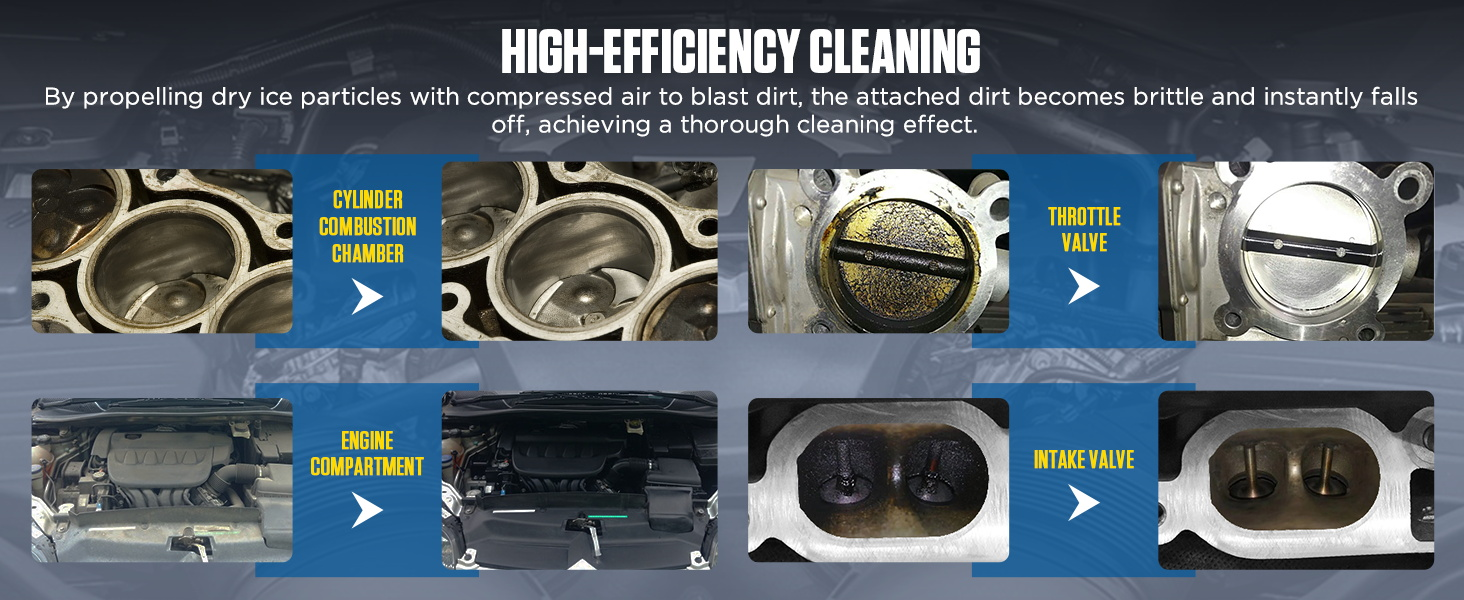
Kuivajäähiukkaset sinkoutuvat suurella nopeudella hiilikerrostumiin. Kuivajää sublimoituu välittömästi kosketuksessa, jolloin hiili irtoaa jättämättä jäämiä. Se on turvallista, perusteellista, hankaamatonta ja ihanteellista syvähiilen poistoon.
Käytä ammattimaisia laitteita, kun kerrostumia on paljon tai ne ovat syviä
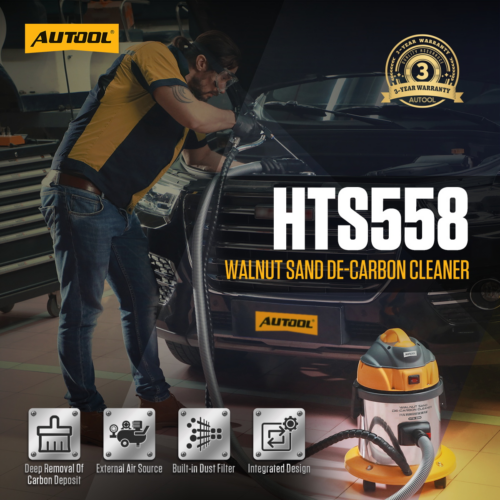
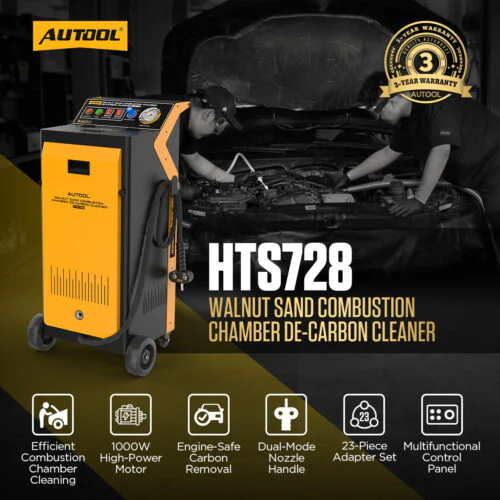
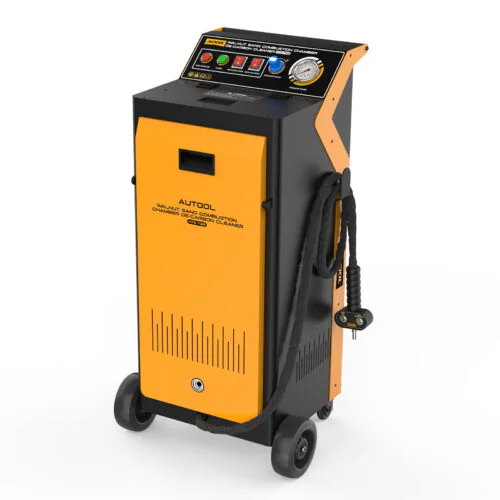
Saksanpähkinäpuhalluksessa käytetään paineilmaa saksanpähkinänkuoren hiukkasten ampumiseen hiilikerrostumiin. Tämä menetelmä poistaa hiilen vahingoittamatta moottorin metallia. HTS728 Siinä on säädettävä puhallusvirtaus ja -kulma, se toimii imuventtiileillä, imusarjan seinämillä, kaasuläppäkotelolla ja palotilan pinnalla ja sopii erinomaisesti autokorjaamoille ja ammattikäyttäjille.
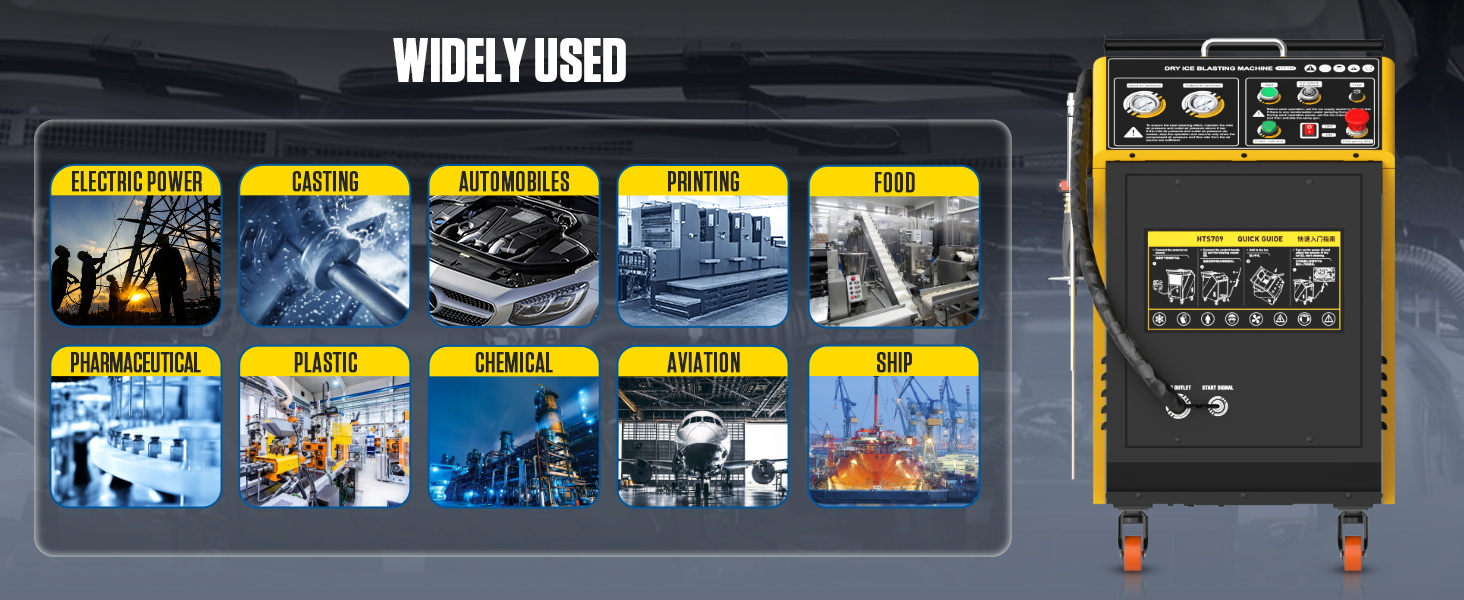
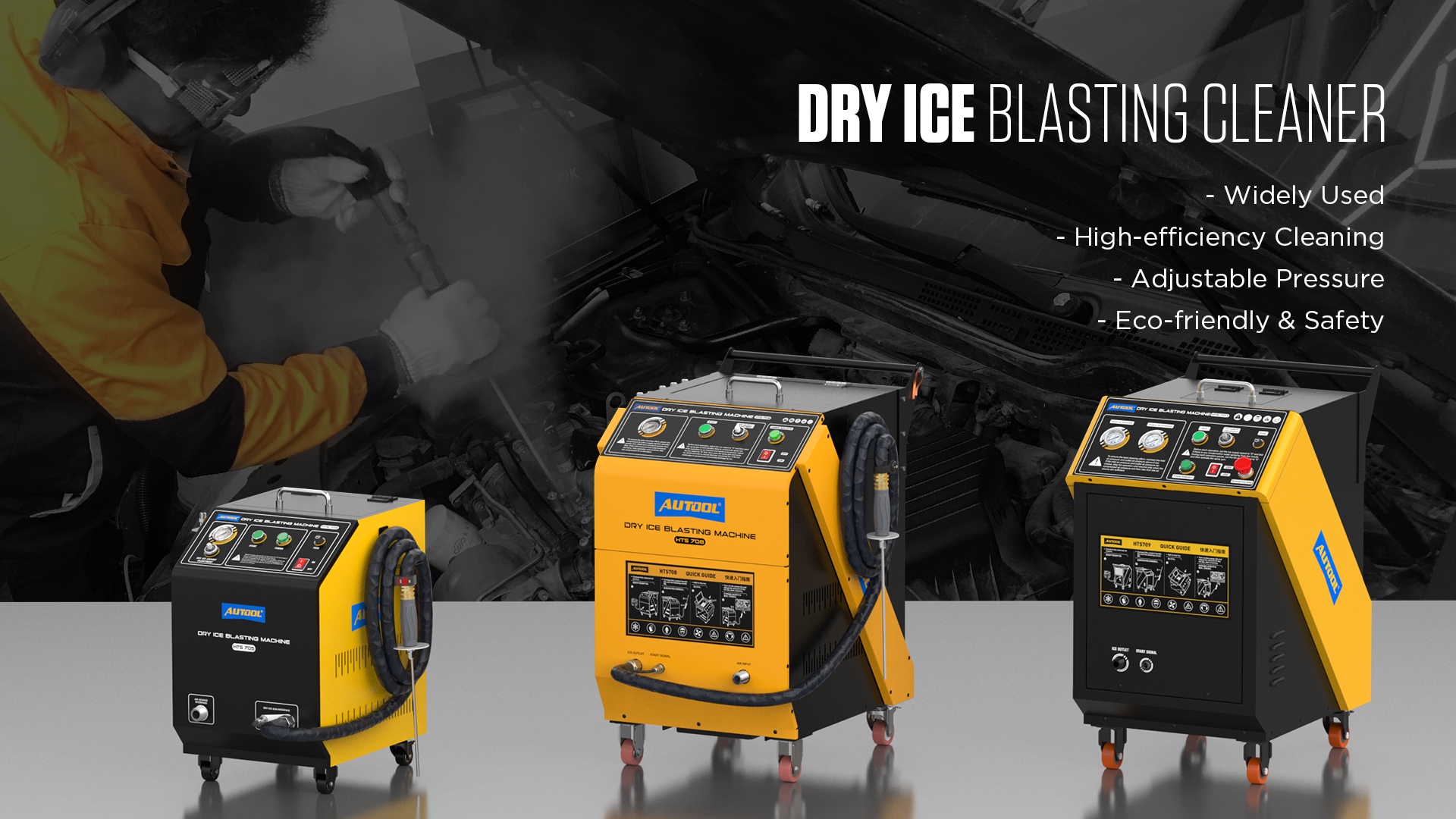
Kuivajään puhallus ampuu kiinteää materiaalia CO2 hiukkasia suurella nopeudella. Kosketuksessa kuivajää sublimoituu ja rikkoo hiilikertymiä matalan lämpötilan iskun ja lämpöshokin avulla. Se voi puhdistaa palotilan kertymiä, mäntien päätyjä, imuventtiilejä ja -sarjoja, kaasuläppäkoteloa, arvokkaita tarkkuusmoottorin osia ja jopa autojen alustapintoja.
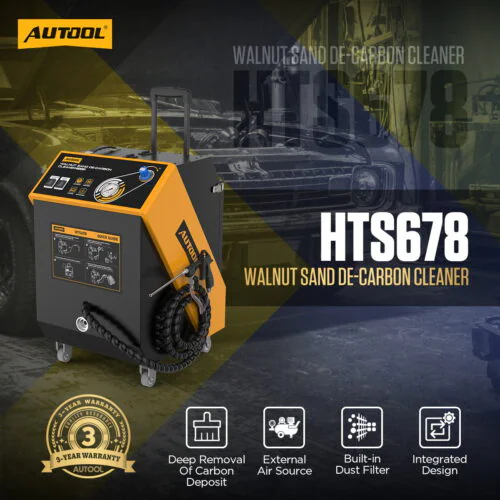
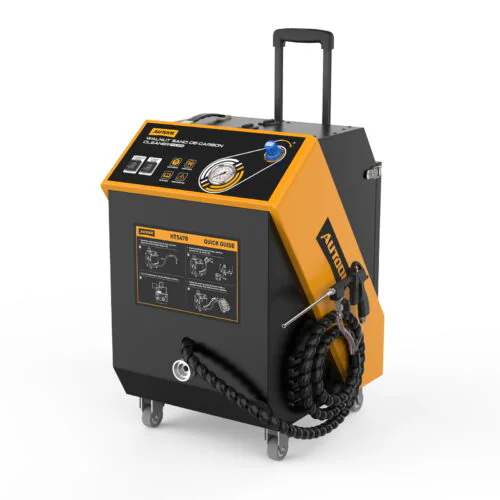
Hiilikerrostumien puhdistuslaitteet
Nämä kortit käyttävät WooCommerce-lyhytkoodeja, joten tuotteen tuloste noudattaa samaa globaalia korttirakennetta kuin referenssiasettelu.
Yhdistä puhdistussyvyys, kulutustarvikkeet, budjetti ja korjaamon työnkulku
Tehokkaaseen moottorin hiilen puhdistukseen parhaat vaihtoehdot ovat saksanpähkinäpuhallus ja kuivajääpuhallus. Oikea vaihtoehto riippuu laitteiston käyttäjästä, puhdistuspaikasta, hiilen laajuudesta, saatavilla olevista kulutusmateriaaleista ja odotetusta sijoitetun pääoman tuotosta.
| Käyttäjätyyppi | Suositeltu suunta | Keskeiset tarkastukset |
|---|---|---|
| Henkilökohtaiset käyttäjät | Pienet saksanpähkinänkuorien hiekkapuhalluskoneet sopivat hyvin päivittäisiin autoihin, joissa on vähän hiilikertymiä. Hinnat vaihtelevat 300–600 dollarin välillä. | Tarkista saksanpähkinänkuorien saatavuus, mukaan lukien 0,6–1,2 mm:n hiukkaskoko, varmistaaksesi tehokkaan puhdistuksen ilman moottorivaurioita. |
| Autokorjaamot / ammattimaiset huoltokeskukset | Käytä HTS728 saksanpähkinäpuhalluskone tai kuivajääpuhalluskone suoraruiskutusmoottoreille ja syvähiilipitoisille alueille. | Kuivajääpuhallusta varten varmista, että sinulla on 3 × 6 mm:n kuivajääpellettejä. Saksanpähkinäpuhallusta varten varmista, että sinulla on 0,4–0,6 mm:n saksanpähkinänkuoria. |
Muita tärkeitä tekijöitä ovat siivouspaikka, karstan vakavuus, budjetti ja sijoitetun pääoman tuottoprosentti, helppokäyttöisyys, henkilöstön koulutus, ylläpitokustannukset ja pitkän aikavälin kestävyys. Arvioi nämä tekijät huolellisesti valitaksesi laitteet, jotka tasapainottavat siivoustehokkuutta, kustannuksia ja pitkän aikavälin käytettävyyttä.
AUTOOL on autoteollisuuden työkalumerkki, jolla on yli 20 vuoden kokemus tutkimus- ja kehitystyöstä ja joka on erikoistunut korkealaatuisiin huoltotyökaluihin. Sen hiilikerrostumien puhdistuslaitteita käyttävät sekä auton omistajat että korjaamot. AUTOOL tarjoaa tuotteilleen 3 vuoden takuun pitkäaikaisen vakauden ja suorituskyvyn tukemiseksi.
Käy osoitteessa AUTOOL virallinen verkkosivusto ostaaksesi hiilikerrostumien puhdistuslaitteita verkosta tai ottamalla yhteyttä AUTOOL asiakaspalvelu ostotietoja, alennuksia ja teknistä tukea varten.
WhatsApp: +86 189 2647 7404
Sähköposti: [email protected]
Aiheeseen liittyvät tuotteet
Renderöity WooCommerce-tuotekoodin kautta, joten kortit perivät globaalin tuotekorttirakenteen ja Blocksy/WooCommerce-tyylit.