Съвети и уроци
Акумулаторът на колата внезапно се е изтощил? Три минути, за да ви науча как да стартирате колата!

юли 22, 2021
Споделяне:
 autoolstore.com
Значението на електрическата батерия не се нуждае от допълнително обяснение. От една страна, тя стартира превозното средство. От друга страна, по време на шофиране тя помага за преобразуването на променливия ток на алтернатора в стабилен постоянен ток, който захранва електрическите уреди на автомобила, като стереоуредбата, фаровете и чистачките.
След ежедневно шофиране и продължителна употреба, дори превозно средство, което е изминало 80 000 мили, все още може да загуби известно „електричество“. Загубата на батерия е проблем, с който собствениците на автомобили често се сблъскват. Ако батерията внезапно се изтощи, практическият въпрос е как да се стартира превозното средство безопасно.
Някои хора може да помислят да потърсят друга кола, която да стартира превозното средство с теглене, но ако има друга кола, обикновено е по-практично да „заемат малко електричество“ чрез подходящо стартиране с помощта на кабели.
Как да запалите колата с електричество
Казано направо, стартирането с електричество означава да се намери кола със заредена батерия като „кола с мощност“, за да се зареди „мъртвата кола“.
Веднага щом колата запали, генераторът ще зареди батерията и след това можете да се повозите отново.
Подгответе се за загуба на батерията
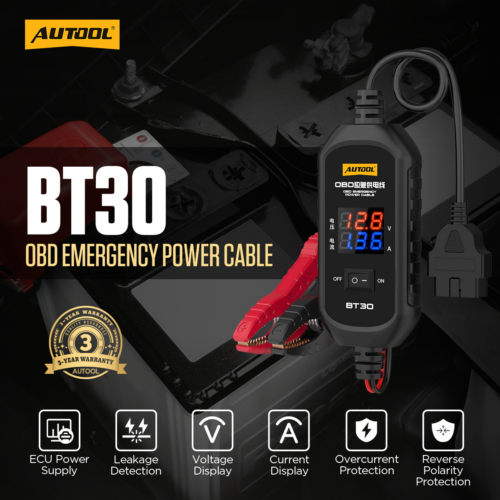
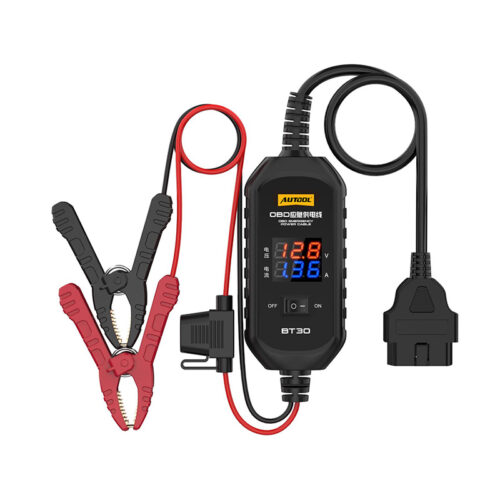
Кола с аварийно захранване също може да бъде подготвена за спешни случаи. Аварийното захранване е преносимо мобилно захранване, подобно на външна батерия за мобилен телефон. Точно както мобилният телефон не може да бъде отделен от мобилното захранване по време на интензивна употреба, така и колата може да се възползва от аварийно захранване.
Това е особено полезно при шофиране, пътувания или дълги маршрути. Ако батерията внезапно спре да работи, аварийното захранване може да се превърне в истинско спасение.
Почиствайте редовно
Използвайте влажна кърпа, за да почистите външната страна на батерията, панела и горната част на купчината, т.е. положителните и отрицателните конектори. Избършете прах, масло, бял прах и други замърсявания, които са склонни към протичане, което ще удължи експлоатационния живот.
Съвети от оригиналната бележка за поддръжка: можете да използвате кърпа, потопена в гореща вода, за да избършете директно, след което да нанесете малко масло след избърсване, за да предотвратите окисляването. Можете също да използвате фина шкурка, за да премахнете оксида, да го избършете с кърпа и да нанесете малко масло, за да предотвратите окисляването.
Не развивайте тези навици
Живот на батерията и предупредителни знаци
Дори ако батерията е добре поддържана, тя все пак трябва да бъде сменена, когато достигне края на експлоатационния си живот.
Най-общо казано, животът на автомобилния акумулатор е от 2 до 3 години. С правилна поддръжка, оригиналният акумулатор на нов автомобил понякога може да бъде удължен до 3 до 5 години. Когато шофирате и установите, че светлините започват да потъмняват или запалването на колата не може да се осъществи от първия опит, това може да са сигнали, че акумулаторът е в аварийно състояние.
Освен това, можете да направите проста преценка през отвора за наблюдение. Кръглият отвор от лявата страна на положителния полюс на батерията е отворът за наблюдение. Когато цветът на отвора за наблюдение стане черен, това е знак, че батерията трябва да се смени. Разбира се, много батерии вече нямат отвори за наблюдение.
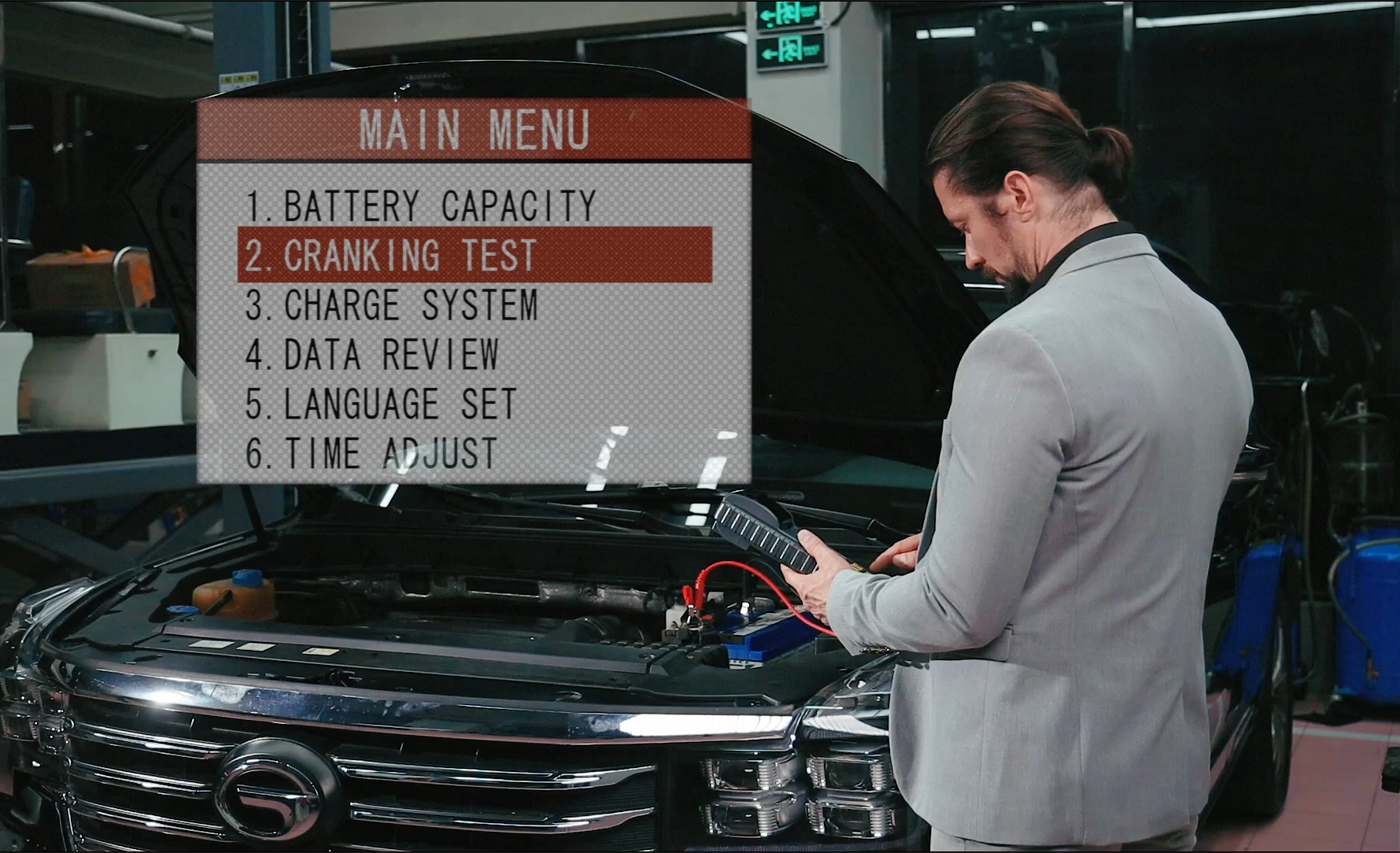
Ако имате тестер за автомобилни акумулатори, като например AUTOOL BT860, може да поддържа функции за тестване на батерии, като например тест на батерията, тест на натоварване и тест на зареждане. Може също да преглежда данни, да следи температурата на батерията, да отпечатва резултати от тестове, да предлага множество езици и да поддържа повечето тестове за автомобилни акумулатори.
След стартиране на двигателя, използвайте BT860 за измерване на напрежението на двата полюса на батерията. Ако установите, че напрежението на зареждане е твърде ниско, трябва да помолите специалист да ремонтира системата за зареждане.
Свързани продукти
Рендира се чрез продуктов шорткод на WooCommerce, така че картите наследяват глобалната структура на продуктова карта и стиловете Blocksy/WooCommerce.