AUTOOL Блог, Новини и събития, Ръководства за покупка
Ръководство за закупуване на количка за инструменти за поддръжка на работилница за 2025 г.

юни 20, 2025
Споделяне:
 autoolstore.com
Често ли се затруднявате да намерите инструменти в претъпкана работилница? Загубата на време в безпорядък, ходенето напред-назад или притесненията за неподредени инструменти е често срещан проблем за техниците. Количката за инструменти за поддръжка е проектирана да поддържа често използваното оборудване организирано, мобилно и близо до работната зона.
AUTOOL Количките за инструменти в работилницата са предназначени за ремонт на автомобили, програмиране и диагностика, организация на инструменти и съхранение в работилницата. Това ръководство обяснява основните T20–T27 категории колички, техните практически предимства, сценарии на приложение и основни стъпки за сглобяване.
AUTOOL разработи седем високопроизводителни подвижни колички за инструменти за работилници, пригодени за различни инструменти за автомобилно обслужване и работни сценарии. Тези колички покриват нужди, вариращи от поддръжка на единично оборудване до организация на инструменти с множество чекмеджета.
The T20–T27 Сериите могат да бъдат групирани в три основни категории: сервизни колички за специфични съоръжения, многофункционални програмируеми подвижни колички за инструменти и модели за организация и съхранение на инструменти.
Колелцата помагат на техниците да преместват инструменти и оборудване по-близо до работната зона.
Чекмеджетата, куките, платформите и отделенията намаляват безпорядъка и загубата на инструменти.
Устойчивите на корозия и ръжда материали позволяват дългосрочна употреба в работилницата.
Различните модели са подходящи за сервиз на спирачки, тестване на инжектори, програмиране, диагностика и общо съхранение.
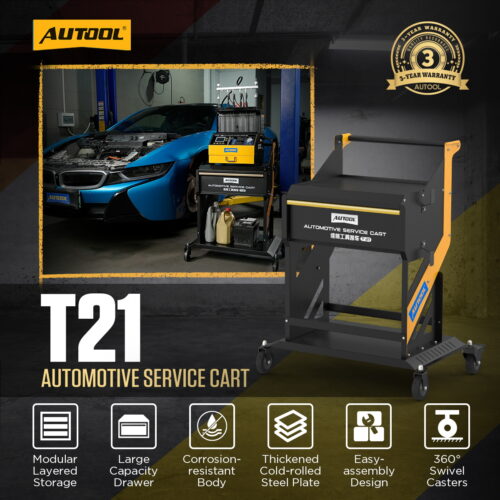
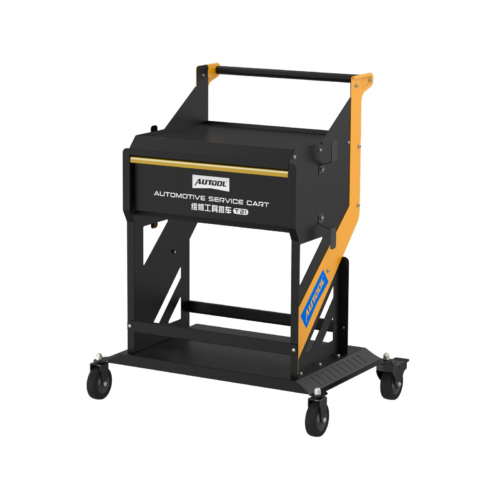
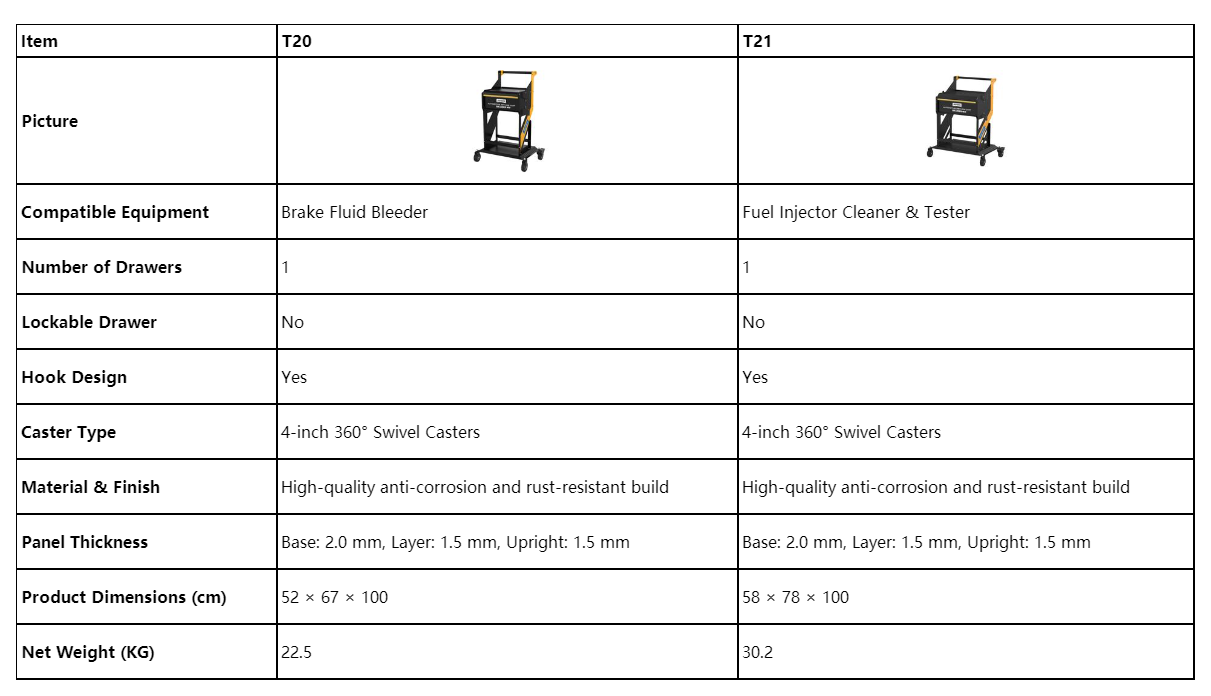
T20 и T21 отличават се с изчистен, функционален дизайн с 4-инчови въртящи се на 360° колелца, интегрирани куки, устойчиви на корозия материали и конструкция, устойчива на ръжда. И двата модела включват едно чекмедже и са подходящи за съхранение на едно ремонтно устройство, като например тестер за спирачна течност или инжектор за гориво.
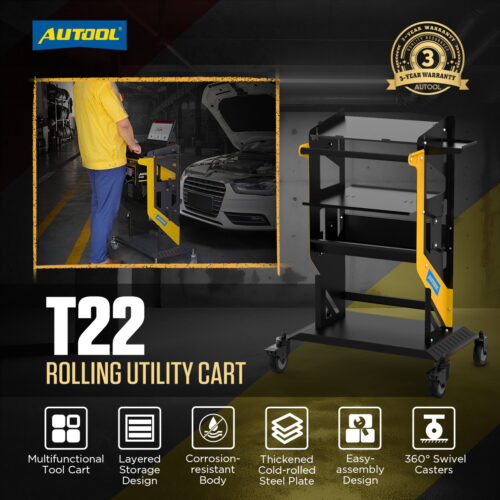
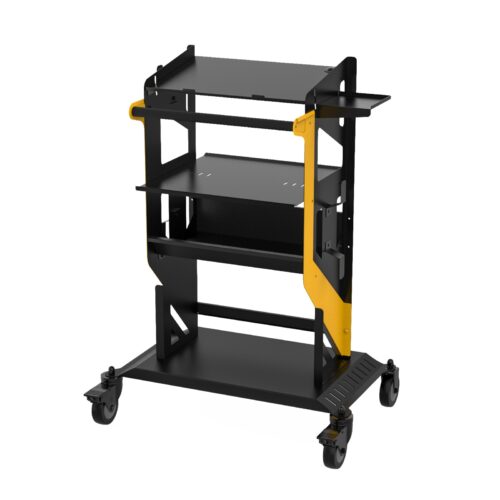
В рамките на по-широкия диапазон на количките, T22 предлага по-голяма рамка, осигуряваща допълнително място за по-обемисти инструменти или устройства. T20 и T21 остават съвместими с много инструменти за сервизно обслужване на автомобили, не само с устройства за смяна на спирачна течност и тестери за инжектори.
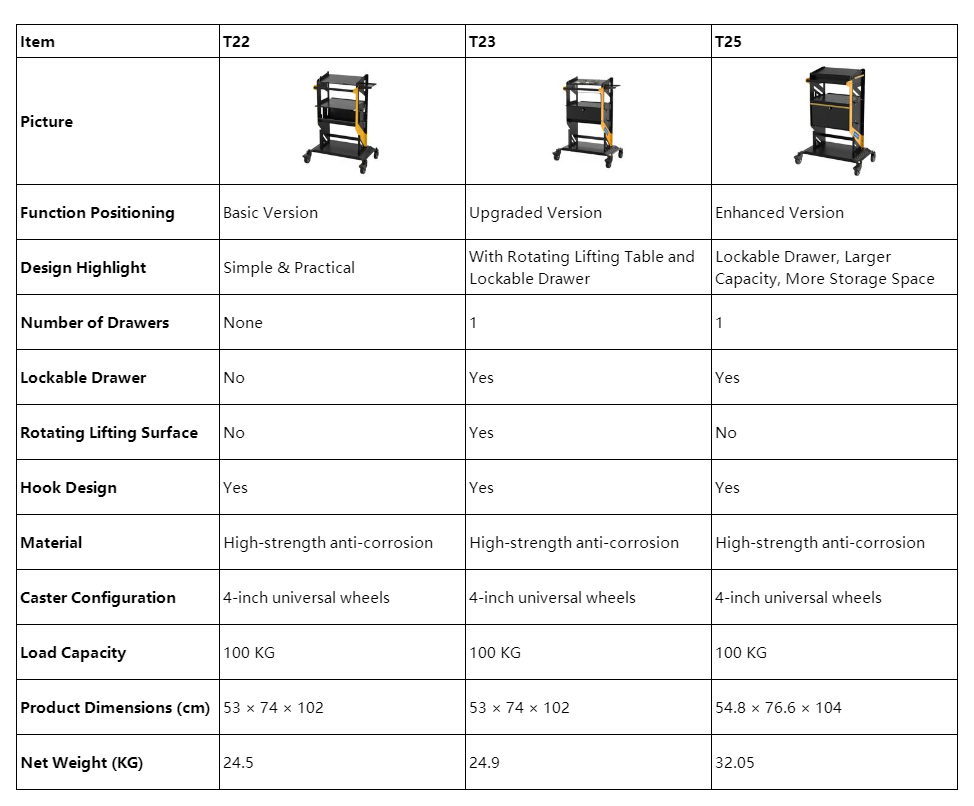
T22 фокусира се върху основна функционалност с компактна структура, което го прави подходящ за потребители с ограничен бюджет и основни изисквания. T23 разполага с въртяща се повдигаща се платформа, която позволява движение на лаптопа на 360° за по-лесно тестване и достъп до данни.
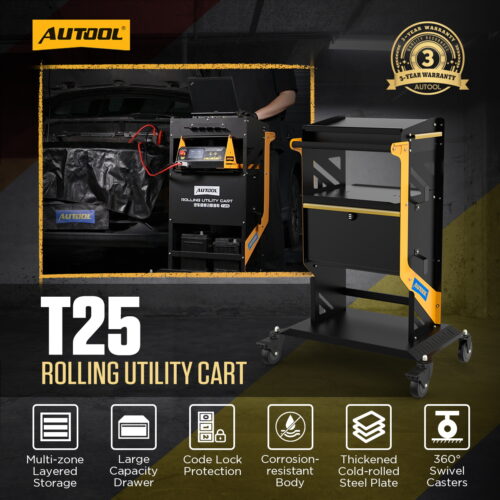
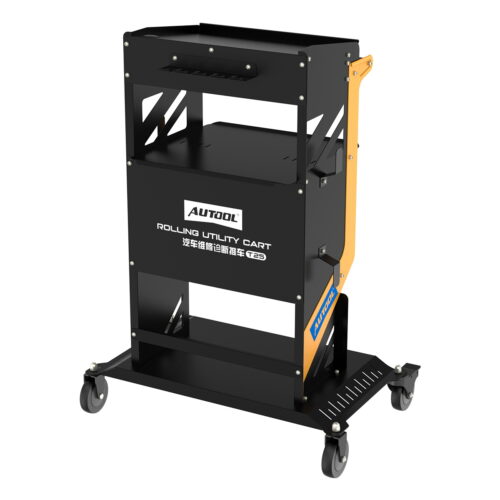
T25 набляга на сигурността и съхранението, предлагайки заключващи се чекмеджета с увеличен капацитет за съхранение на повече инструменти и предотвратяване на неоторизиран достъп или загуба на оборудване в споделени работилници с висок трафик.
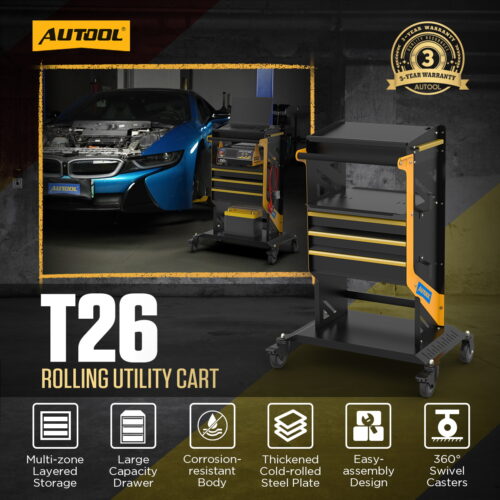
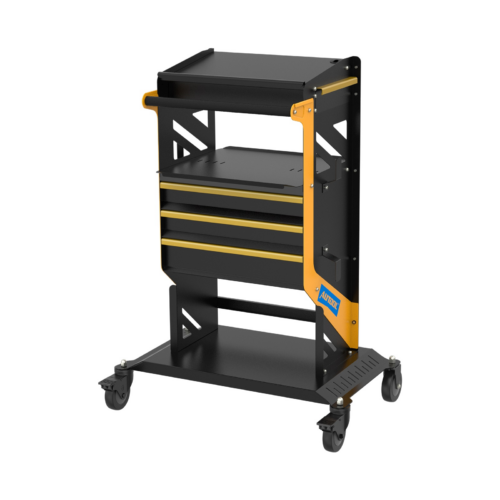
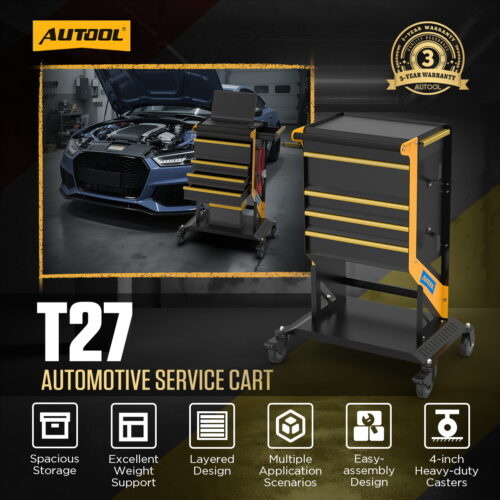
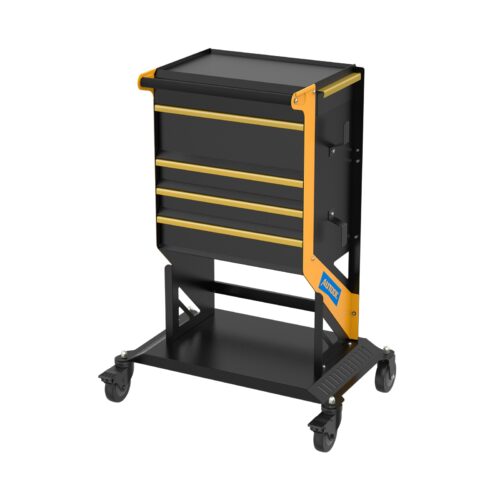
T26 и T27 споделят подобен дизайн. Ключовата разлика е, че T27 включва допълнително чекмедже за по-добра организация.
Това прави T26 и T27 особено подходящ за работилници с голямо разнообразие от инструменти и висока честота на употреба, където ефикасното категоризиране е важно.
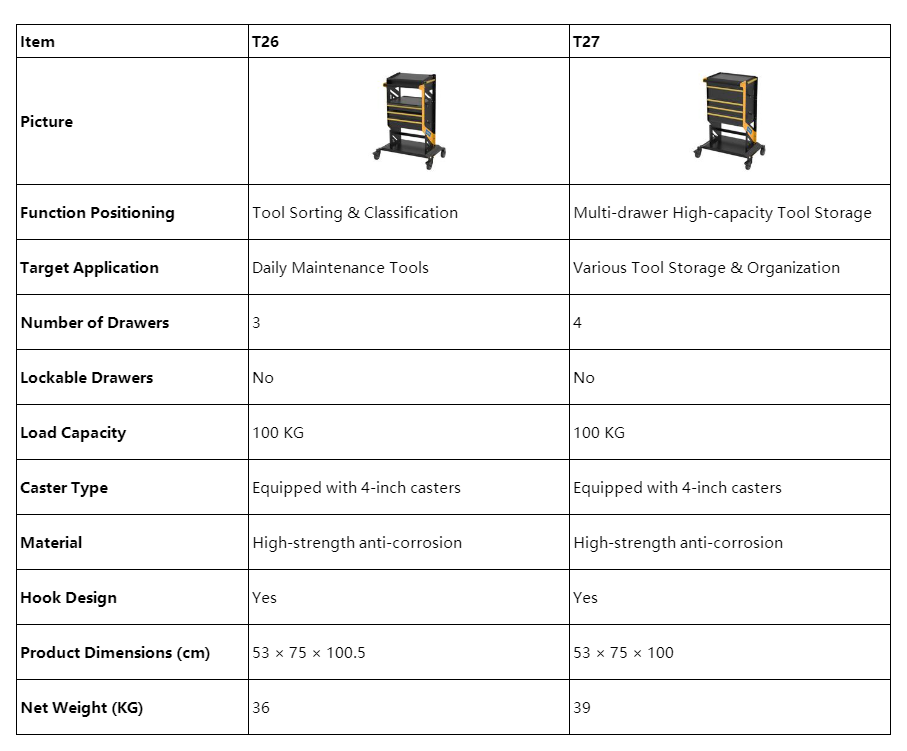
Изберете количка, специфична за оборудването, когато имате нужда от поддръжка на една ремонтна машина, количка за програмиране, когато имате нужда от достъп до лаптоп или диагностично устройство, и количка, фокусирана върху съхранението, когато основната цел е ежедневната организация на инструментите.
Количката за инструменти за работилница е полезна навсякъде, където техниците се нуждаят от мобилен достъп до инструменти, оборудване и аксесоари. Подходящият модел зависи от работната среда и вида на инструментите, които се преместват или съхраняват.
| Сценарий | Обща нужда | Как помага количката за инструменти |
|---|---|---|
| Автосервизи | Техниците се нуждаят от гаечни ключове, ударни гайки и диагностични устройства, които да са леснодостъпни. | Сервизната количка намалява ненужните пътувания до работната маса и помага на техниците да се движат свободно около превозното средство. |
| Строителни обекти | Инструментите често трябва да се местят между различни работни станции. | Количката транспортира ефикасно електрически и ръчни инструменти, като същевременно намалява риска от загуба на инструменти. |
| Поддръжка на аерокосмически съоръжения | Проверките на двигателя и хидравличната система изискват сигурно управление на инструментите. | Вътрешните разделители и вложките от пяна спомагат за намаляване на риска от попадане на чужди предмети (FOD) и поддържат по-високи стандарти за безопасност. |
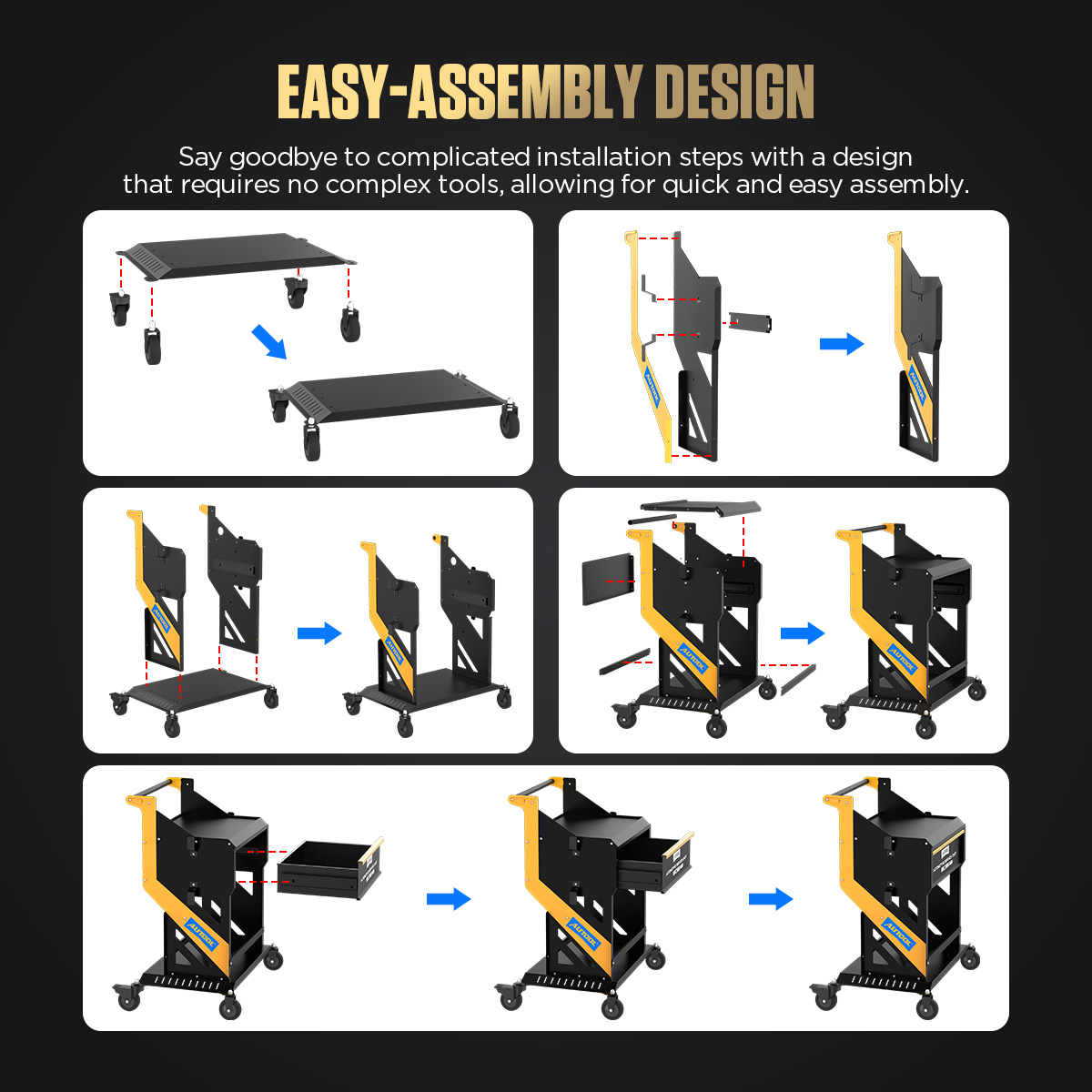
The AUTOOL Количката за инструменти за работилница използва проста конструкция и не изисква сложни инструменти за сглобяване. Следвайте основната последователност по-долу, за да завършите ефективно настройката.
Фиксирайте четирите колелца към ъглите на долния панел, след което обърнете панела изправен.
Свържете и закрепете лявата и дясната вертикална опора към задния панел.
Подравнете и здраво закрепете сглобените странични панели към долната основа.
Фиксирайте страничните куки и горния капак на място с винтове.
Поставете релсите на чекмеджето в страните на количката, след което плъзнете чекмеджето навътре и се уверете, че работи гладко.
Монтирайте предната част на чекмеджето и декоративния панел, за да завършите сглобяването на количката.
Независимо дали се използва в автомобилни работилници, строителни площадки или висококачествени съоръжения за поддръжка на аерокосмическа индустрия, AUTOOL Количките за инструменти за поддръжка спомагат за ефективна организация, удобно транспортиране на инструменти и по-надеждна сигурност на инструментите.
Изберете количка за работилница въз основа на това, от което се нуждаете най-много: поддръжка на единично оборудване, удобство за програмиране и диагностика, заключващо се място за съхранение, допълнителен капацитет на чекмеджетата или обща организация на инструментите. Съответствието на модела с реалната работна среда може да помогне за подобряване на професионалната ефективност.
Свързани продукти
Рендира се чрез продуктов шорткод на WooCommerce, така че картите наследяват структурата продуктова карта в стил 67682.