نصائح ودروس تعليمية
فهم وظائف واحتياطات استخدام مانع التجمد

يوليو 29, 2021
يشارك:
 autoolstore.com
الاسم الكامل لمضاد التجمد هو سائل تبريد مضاد للتجمد، أي سائل تبريد ذو وظيفة مضادة للتجمد. يمنع هذا السائل تجمد سائل التبريد وتشققات الرادياتير، كما يساعد على منع تلف كتلة أسطوانات المحرك أو غطائها بسبب التجمد أثناء ركن السيارة في فصل الشتاء البارد.
يعتقد الكثيرون أن مانع التجمد يُستخدم فقط في فصل الشتاء، ولكن ينبغي استخدامه على مدار العام. فهو يوفر الحماية من التجمد والغليان، ويمنع التآكل، ويتحكم في الترسبات الكلسية، ويحافظ على درجة حرارة المحرك ضمن المعدل الطبيعي.
التركيب الكيميائي والأنواع
يستخدم أكثر من 95% من مضادات التجمد المائية في الأسواق المحلية والعالمية مادة الإيثيلين جليكول. وبالمقارنة مع ماء الصنبور، فإن أهم ما يميز الإيثيلين جليكول هو قدرته على منع التجمد، بينما لا يستطيع الماء منع التجمد.
يتميز الإيثيلين جليكول أيضاً بنقطة غليان عالية، وتقلب منخفض، ولزوجة متوسطة، وتغير طفيف في درجة الحرارة، وثبات حراري جيد. لهذه الأسباب، يُعد مانع التجمد من نوع الجليكول سائل تبريد مثالياً.
توجد أنواع عديدة من المواد المضادة للتجمد. ومن الأمثلة على ذلك كلوريد الكالسيوم (CaCl2) في المواد غير العضوية، الميثانول (CH3OH), الإيثانول (C2H5OH(المعروف باسم الكحول)، إيثيلين جليكول (C2H4(OH)2، المعروف باسم الكحول الحلو)، بروبانتريول (C3H5(OH)3، المعروف باسم الجلسرين)، زيت التشحيم، السكر، والعسل.
هذه المواد شائعة الاستخدام في الحياة اليومية، ويمكن استخدامها كمحلول أساسي لمضاد التجمد. بعد إضافة كمية مناسبة من الماء النقي العذب، كالماء المقطر أو مياه الأمطار غير الملوثة أو مياه الثلج، يمكن تحضير مضاد التجمد. يجب أن يكون الماء خاليًا من أيونات الكالسيوم والمغنيسيوم أو يحتوي على كمية ضئيلة منها، وأن يتراوح تركيز مكونات عسر الماء الكلي بين 0 و30 جزءًا في المليون.
ونظرًا لأن الميثانول والإيثانول أكثر تطايرًا، فإنهما غير مناسبين للاستخدام في المركبات الشمالية.
وظائف مضاد التجمد
إضافةً إلى الحماية من التجمد، يتمتع مانع التجمد بعدة مزايا مهمة. فهو يوفر حماية من التآكل للمحرك ونظام التبريد، ويساعد على منع الصدأ، ويدعم أداء منع الغليان، ويساعد على التحكم في الترسبات الكلسية.
يتكون المحرك ونظام التبريد من معادن تشمل النحاس والحديد والألومنيوم والفولاذ واللحام. عندما تتلامس هذه المعادن مع الماء في درجات حرارة عالية، فإنها تتآكل وتصدأ مع مرور الوقت. لا يتسبب مانع التجمد في تآكل نظام تبريد المحرك، كما أنه يساعد على منع التآكل وإزالة الصدأ.
يمكن استخدام مانع التجمد في السيارات، وقاطرات الاحتراق الداخلي للقطارات، والجرارات، والسفن، والمحركات، وخزانات المياه، والمعدات الميكانيكية، ومحركات الديزل، ومحركات البنزين، وأنظمة التبريد الأخرى. ويوفر وظائف مثل منع التجمد، ومنع الغليان، ومنع التآكل، والتحكم في ترسبات الماء.
تبلغ درجة غليان الماء 100 درجة مئوية، بينما تتجاوز درجة غليان سائل التبريد المضاد للتجمد عالي الجودة عادةً 110 درجة مئوية. وهذا يعني أنه في فصل الصيف، يكون غليان سائل التبريد المضاد للتجمد أصعب من غليان الماء.
يواجه السائقون الذين يستخدمون الماء كمبرد مشكلة تراكم الترسبات الكلسية. تلتصق هذه الترسبات بالسطح المعدني لخزان الماء وغلاف التبريد، مما يقلل من كفاءة التبريد ويصعب إزالتها. يُصنع مانع التجمد عالي الجودة من الماء المقطر ومواد مضافة مضادة للترسبات الكلسية، لذا فهو لا يُنتج الترسبات الكلسية، كما أنه يُزيلها بفعالية.
إذا كانت الترسبات الكلسية في خزان الماء سميكة جدًا، فمن الأفضل استخدام منظف خاص بالخزانات لتنظيفه جيدًا قبل إضافة مانع التجمد. يتميز مانع التجمد، مثل الماء، بمزايا عديدة منها الحرارة النوعية العالية، وحرارة التبخر الكامنة العالية، وسهولة إعادة تعبئته.
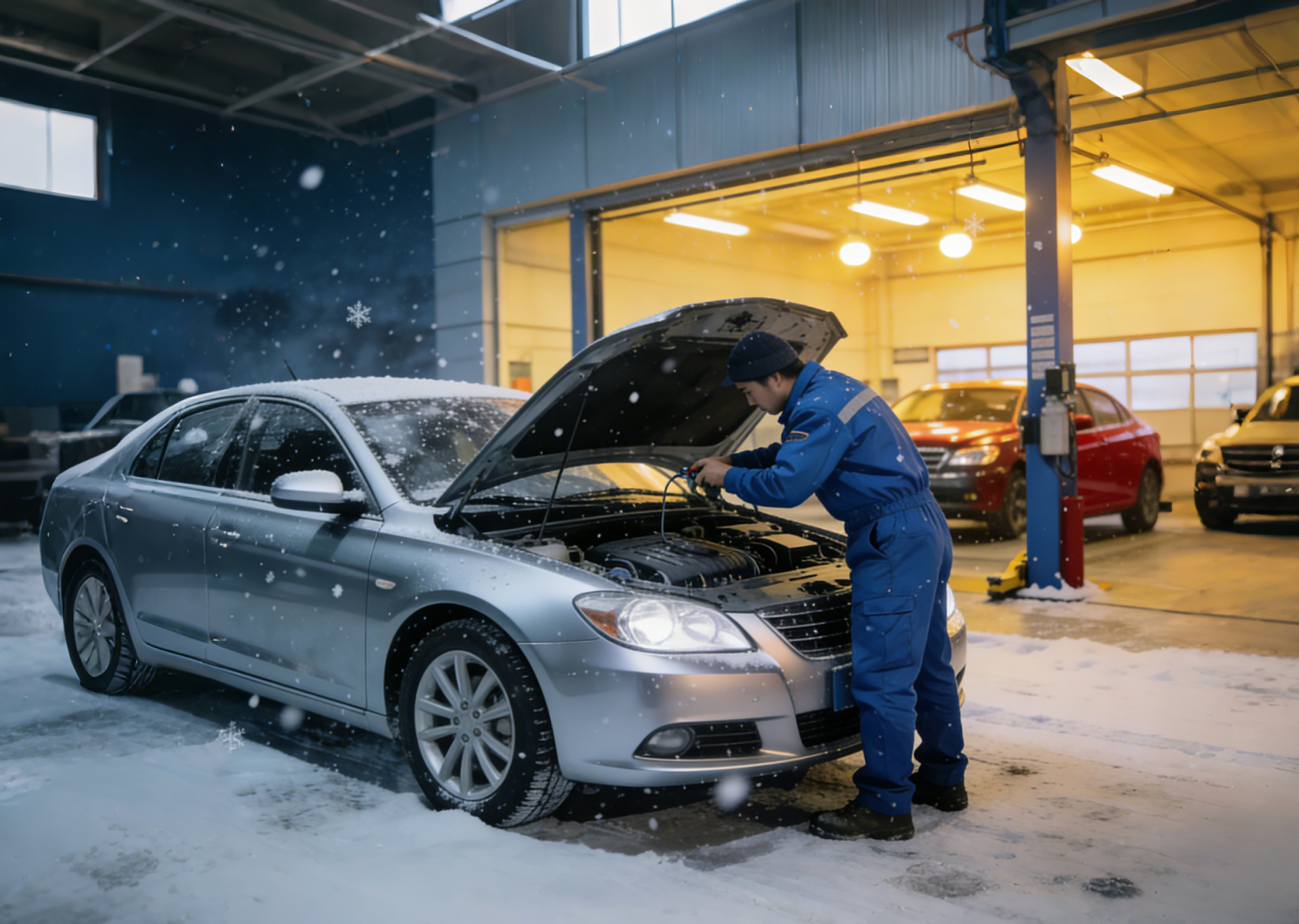
عندما تنخفض درجة الحرارة المحيطة إلى ما دون الصفر، قد يتجمد الماء في نظام التبريد. عندها، تتعرض مكونات نظام التبريد لخطر التمدد والتشقق. يساعد مانع التجمد على ضمان عمل المحرك بشكل طبيعي في درجات الحرارة المنخفضة.
تعمل محركات السيارات الحديثة في درجات حرارة أعلى من المحركات القديمة. وعادةً ما تتجاوز درجة حرارة التشغيل القصوى 100 درجة مئوية. على سبيل المثال، تتراوح درجة حرارة التشغيل العادية لمحرك شانغهاي سانتانا بين 90 و105 درجة مئوية، ولمحرك فاو جيتا بين 85 و115 درجة مئوية، ولمحرك فو كانغ بين 90 و118 درجة مئوية.
إذا أُضيف الماء فقط، فسيغلي عندما تصل درجة حرارة المحرك إلى 100 درجة مئوية. كما أن الماء مادة أكالة تُنتج ترسبات تؤثر على كفاءة التبريد. لذلك، يلزم استخدام وسيط تبريد خاص، وهو مانع التجمد.
يعتقد البعض خطأً أن مانع التجمد مخصص فقط للمركبات في المناطق الباردة. المكون الرئيسي لمعظم أنواع مانع التجمد المتوفرة في السوق هو الإيثيلين جليكول، الذي يتميز بارتفاع درجة غليانه وانخفاض درجة تجمده. كما يحتوي مانع التجمد على إضافات لمنع أكسدة الجليكول، ومنع التآكل، ومنع تكون الرغوة.
يجب أن يتمتع مانع تجمد المحرك بخصائص الحماية من التجمد، ومقاومة الغليان، ومقاومة التآكل، ومنع ترسبات الماء، وعدم تكوين رغوة، وثبات الأداء على مدار الفصول وفي مختلف المناطق. ومن بين هذه الخصائص، تُعدّ درجة التجمد ودرجة الغليان المؤشرين الأساسيين لمانع التجمد.
الاختيار والاستخدام الصحيح
تُعدّ جودة مانع التجمّد بالغة الأهمية. فإذا كان رديء الجودة أو مغشوشًا، فلن يؤدي وظيفته على النحو الأمثل. يُحضّر سائل التبريد بمزج مانع التجمّد مع الماء بنسبة محددة. وعادةً ما تُحدّد شركات تصنيع السيارات نسب مزج مانع التجمّد لدرجات الحرارة المنخفضة المختلفة في دليل المستخدم، كما تُحدّد أنواع مانع التجمّد التي لا يجب مزجها.
بشكل عام، عندما تكون نسبة مانع التجمد إلى الماء 40:60، تكون درجة غليان سائل التبريد 106 درجة مئوية ودرجة تجمده -26 درجة مئوية. أما عندما تكون النسبة 50:50، فتكون درجة غليان سائل التبريد 108 درجة مئوية ودرجة تجمده -38 درجة مئوية.
الشرط العام هو تحضير سائل التبريد وفقًا لأدنى درجة حرارة محلية مع هامش حوالي خمس درجات مئوية. يتمتع مانع التجمد بفترة صلاحية تزيد عن عامين. في حال انتهاء صلاحيته أو إذا تبين أن سائل التبريد متسخ، يجب استبداله. عند استبدال سائل التبريد القديم، أضف ماءً نظيفًا، وشغّل المحرك، واتركه يعمل على وضع الخمول لمدة عشر دقائق تقريبًا لتنظيفه، ثم أوقف المحرك، ثم قم بتصريف الماء النظيف.
عند تعبئة سائل التبريد الجديد، افعل ذلك والسيارة باردة. املأ سائل التبريد حتى العلامة القصوى في الخزان، والمُشار إليها بـ "MAXT"، ثم أغلق الغطاء بإحكام، وشغّل المحرك، واتركه يعمل على سرعة التباطؤ حتى يصل إلى درجة حرارة التشغيل الطبيعية، ثم أطفئ المحرك. عندما تنخفض درجة حرارة المحرك، تحقق من مستوى سائل التبريد في الخزان وحافظ عليه عند علامة "MAXT". إذا لم يكن كافيًا، فأضف المزيد حتى يصل إلى المستوى المطلوب.
بحسب الدراسة الواردة في المقال الأصلي، فإن أكثر من 50% من أعطال محركات السيارات عالميًا ناتجة عن نظام التبريد. وهذا يُبرز أهمية اختيار مانع التجمد المناسب. يستخدم معظم مانع التجمد المتوفر في السوق الإيثيلين جليكول كمادة خام رئيسية، ثم تُضاف إليه كمية مناسبة من الأملاح العضوية أو غير العضوية لتوفير الحماية من التآكل والصدأ.
مع انخفاض درجات الحرارة، يصبح خزان الماء عرضةً للتجمد والتشقق، لذا يُعد اختيار مانع التجمد أمرًا بالغ الأهمية لصحة محرك السيارة. يتميز سائل التبريد المضاد للتجمد في السيارات بخاصية منع التجمد في الشتاء ومنع الغليان في الصيف. فهو يحمي نظام تبريد المحرك، ويُحسّن تبديد الحرارة، ويرفع من كفاءة المحرك.
كلما انخفضت درجة التجمد، زادت فعالية مانع التجمد. عادةً، يجب أن تكون درجة التجمد المختارة أقل من 10 درجات مئوية عن أدنى درجة حرارة محلية تحسبًا لتغيرات الطقس المفاجئة. على سبيل المثال، يتميز مانع التجمد متعدد التأثيرات من شركة Great Wall Lubricant بنطاق درجة تجمد يتراوح بين -25 درجة مئوية و-50 درجة مئوية، مما يلبي احتياجات مانع التجمد للمركبات في معظم المناطق الشمالية من الصين.
عند اختيار مواصفات مانع التجمد مثل -15 درجة مئوية، أو -25 درجة مئوية، أو -30 درجة مئوية، أو -40 درجة مئوية، يُنصح عمومًا باختيار مانع تجمد يتحمل درجات حرارة أقل من أدنى درجة حرارة في المنطقة بأكثر من 10 درجات مئوية. في بكين، يُختار عادةً مانع تجمد يتحمل درجات حرارة تصل إلى -30 درجة مئوية.
انتبه أيضاً لخاصية مقاومة التآكل. تُباع العديد من منتجات منع التجمد في السوق، وقد تختلف جودتها. بعض المصانع الصغيرة قد تكتفي بقياس درجة التجمد قبل طرح منتجاتها في السوق.
ليس بالضرورة أن يكون مانع التجمد أنقى هو الأفضل. لا تحقن سائل مانع التجمد المركز مباشرةً. قد يؤدي الحقن المباشر إلى تدهور مانع التجمد، وزيادة لزوجته في درجات الحرارة المنخفضة، وارتفاع درجة حرارة المحرك بشكل غير طبيعي، مما يؤثر على عمر المركبة.
يجب تنظيف نظام تبريد المحرك قبل إعادة تعبئة مانع التجمد. مانع التجمد قادر على إزالة الترسبات الكلسية. إذا أُضيف مباشرةً إلى نظام متسخ، فقد تتسبب الترسبات المتساقطة في انسداد أنابيب المياه وضعف تبديد الحرارة.
وأخيرًا، لا ينبغي استخدام ماء الصنبور لتخفيف مانع التجمد. فقد تتفاعل الترسبات والشوائب الموجودة في ماء الصنبور مع إضافات مانع التجمد وتتسبب في ترسبات.
الاستبدال والفحص والتعبئة
بالنسبة للمركبات التي تعمل لفترات طويلة، مثل سيارات الأجرة، يُستبدل مانع التجمد عالي الجودة عادةً مرة واحدة في السنة. أما المركبات التي تعمل لفترات أقصر، فيمكن استبداله عادةً كل سنتين أو كل 30,000 كيلومتر.
لتجنب تكوّن رغوة زائدة وتقليل ضعف التبادل الحراري بين سائل التبريد وأجزاء المحرك، تأكد من أن المنتج لا يزال ضمن فترة صلاحيته عند إضافة مانع التجمد. قد تصل صلاحية مانع التجمد طويل الأمد إلى ثلاث سنوات. في حال وجود مواد عالقة أو رواسب أو تلف أو تغير في اللون، استبدل مانع التجمد ونظف النظام فورًا.
قبل استبدال مانع التجمد بالكامل، قم بإجراء فحص دقيق. افحص كل أنبوب بحثًا عن علامات التسرب والتشققات، مع التركيز على الأنبوب ذي الخمسة منافذ. يُسمى هذا الأنبوب بالأنبوب ذي الخمسة منافذ لأنه يحتوي على خمسة منافذ تربط أجزاء مختلفة من الأنبوب.
يُوزَّع مانع التجمد على أجزاء مختلفة من السيارة بعد مروره عبر الأنبوب الخماسي. في حال وجود تسريب لمانع التجمد في هذا الجزء، استبدل أنبوب الماء أو أعد تثبيت الوصلة حسب الحالة.
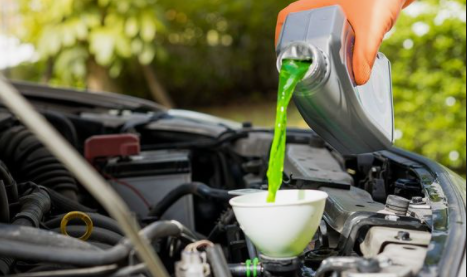
قم بتفريغ سائل التبريد القديم ونظف قنوات السائل بالماء النظيف. أضف الماء النظيف إلى خزان إعادة تعبئة سائل التبريد، واستمر في ملئه بالماء النظيف حتى يتدفق عبر نظام تبريد المحرك. ثم اترك السيارة تعمل في وضع الخمول لمدة 3 إلى 5 دقائق للسماح للماء بالدوران.
في البداية، قد يكون لون الماء الخارج من الخزان وردياً فاتحاً. استمر بإضافة الماء حتى يصبح الماء الخارج صافياً. لا تنسَ فصل خرطوم السخان لتفريغ الماء من خزان السخان.
بعد تصريف الماء لمدة حوالي 1 بعد ساعة، أضف سائل التبريد الجديد من خزان الماء أو خرطوم الرادياتير. هذا يساعد سائل التبريد على دخول الخزان بسرعة.
ثم أضف دلوًا آخر من مانع التجمد إلى خزان مانع التجمد حتى يمتلئ الخزان تقريبًا. شغّل السيارة لمدة تقريبية 10 دقائق. في هذه المرحلة، قد ينخفض مستوى سائل التبريد في النظام نتيجةً لخروج بعض الهواء. أضف سائل التبريد مرة أخرى واملأ الخزان حتى العلامة القصوى "MAXT".
يحمي سائل التبريد المضاد للتجمد نظام تبريد المحرك من التجمد والغليان والتآكل والصدأ والترسبات والرغوة. ولأن المحركات الحديثة تعمل غالبًا عند درجات حرارة تقارب أو تتجاوز 100 درجة مئوية، فإن اختيار سائل التبريد يؤثر على سلامة بدء التشغيل في الشتاء والتحكم في الحرارة في الصيف.
اختر مانع التجمد بناءً على الجودة، ونقطة التجمد، ونقطة الغليان، ومواصفات الشركة المصنعة، ونسبة الخلط، وأدنى درجة حرارة محلية. عند استبداله، افحص وجود أي تسريبات، واغسل النظام جيدًا، وتجنب تخفيفه بماء الصنبور، وأعد تعبئته إلى مستوى "MAXT" المناسب بعد إخراج الهواء.
المنتجات ذات الصلة
يتم عرضها من خلال رمز WooCommerce المختصر للمنتج بحيث ترث البطاقات بنية بطاقة المنتج المستخدمة في نمط المنشور المرجعي.