Tips och handledningar
Hur kan bilägare avgöra vilken typ av vätska som läcker under bilen?

juli 17, 2021
Dela:
 autoolstore.com
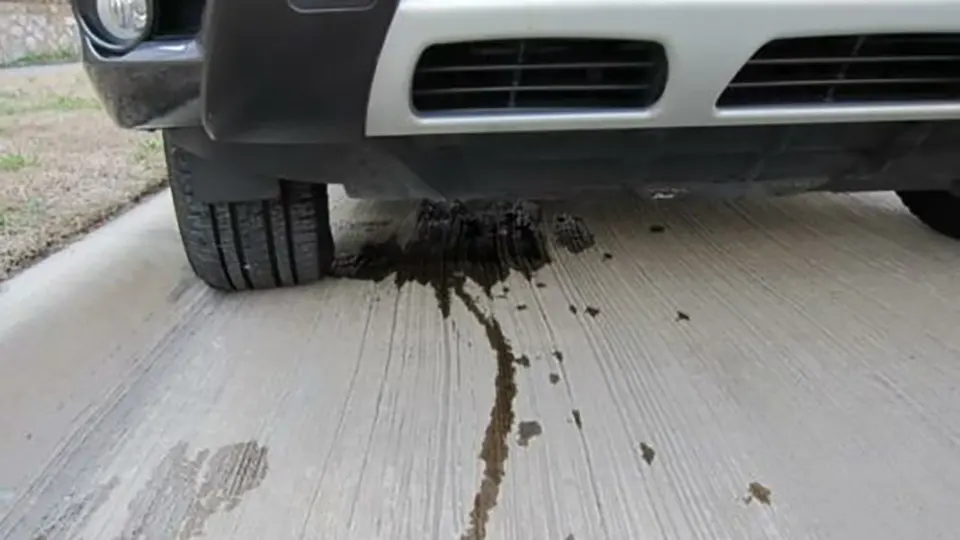
Erfarna bilägare böjer sig ner varje dag innan de startar bilen för att se om det finns något oljeläckage under bilen. Om det ursprungliga, torra underlaget har en liten pöl av okänd vätska, är det troligt att det finns ett oljeläckage någonstans i bilen.
Det finns generellt tre möjligheter till vätskeläckage: åldrande tätningar, fel eller skador orsakade av chassits stötar. Problemet kan vara litet eller stort, beroende på om läckaget är en kritisk vätska och hur mycket vätska som läcker.
Om det bara är en liten pöl av luftkonditioneringskondens är det normalt. Om läckan är bromsvätska eller annan säkerhetsrelaterad vätska måste tidig reparation tas på allvar.
Enkel identifiering
Som oerfaren bilägare är det enklaste sättet att snabbt avgöra vilken typ av vätska som finns under bilen att hitta ett vitt papper, doppa det i oljan på marken och sedan bedöma det utifrån dess färg och lukt.
Oljeläckor
Den nyligen bytta motoroljan har vanligtvis en transparent bärnstensfärg. Med ökande körsträcka övergår färgen gradvis till mörkbrun och blir vanligtvis svart efter cirka 10 000 kilometer.
Gnugga fingrarna mot varandra så märker du att det är särskilt slätt och svårt att torka bort. Olja kan sippra ut från motorns fram- eller baksida vid tätningen, eller så kan den läcka från oljetråget. På grund av motorns komplexa struktur kan man säga att motorn har flest oljeläckor.
Det första man ska göra efter att ha hittat en oljeläcka är att kontrollera motorns oljesticka för att se om nivån ligger över minimum. Om den redan är under minimum, kom ihåg att tillfälligt fylla på 1 liter olja innan du tar bilen till en verkstad för behandling.
Läckage av transmissionsolje
Växellådans placering är vanligtvis mot motorrummets vänstra bakre del. Växellådsoljan är vanligtvis rödgul till färgen, relativt klar, mycket slät i konsistensen och generellt tunnare än motorolja.
Läckage av transmissionsolje orsakas till 90 % av åldrande tätningar, och ägaren är inte särskilt bra på att kontrollera vätskenivån. När läckaget i transmissionen är allvarligt kommer ett lätt läckage att orsaka växlingsproblem, och ett kraftigt läckage kommer att skada transmissionen.
Eftersom reparationskostnaderna för transmissioner ofta är mycket höga och efterföljande reparationer är mer omfattande, måste ett läckage i transmissionen inspekteras och repareras i tid för att undvika ökande förluster.
Läckage av styrningsolje
Styrvätska finns endast i bilar med hydraulisk servostyrning men inte i bilar med elektronisk servostyrning. Servostyrningsvätskan är vanligtvis röd till färgen och i vissa modeller delas den med transmissionsolja.
Du hittar locket till servostyrningsoljan i motorrummet och öppnar det för att kontrollera nivån. Brist på servostyrningsolja gör generellt att ratten blir tung och ger ifrån sig ett klickande ljud.
Läckage av frostskyddsmedel
Frostskyddsmedel har den största variationen av färger, inklusive rosa, blå, grön och gul, så att bedöma efter färg kanske inte är korrekt. Det är bäst att bedöma frostskyddsmedel efter lukt och konsistens.
Frostskyddsmedel avger en söt lukt och har en konsistens som mer liknar vatten än olja, med låg smörjförmåga. Läckage av frostskyddsmedel finns vanligtvis i kylaren framtill på bilen och vid slangkopplingarna i närheten.
Kontrollera kylvätskebehållaren för att se vad som finns i kylaren. Är överfyllnadstanken tom? Kanske har du hittat problemet. Frostskyddsnivån kan du också kontrollera själv, och det finns vanligtvis en genomskinlig frostskyddsbehållare i motorrummet med en skala tryckt på.
Observera att du aldrig ska öppna locket på kannan när bilen är varm. På grund av det höga trycket inuti kommer en obetänksam öppning av locket att bränna dig, precis som om du öppnar locket på en tryckkokare.
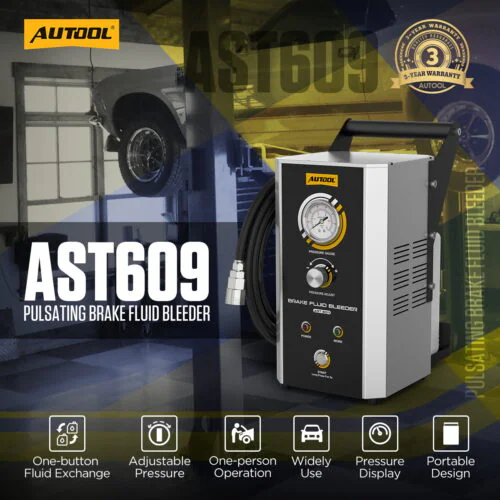
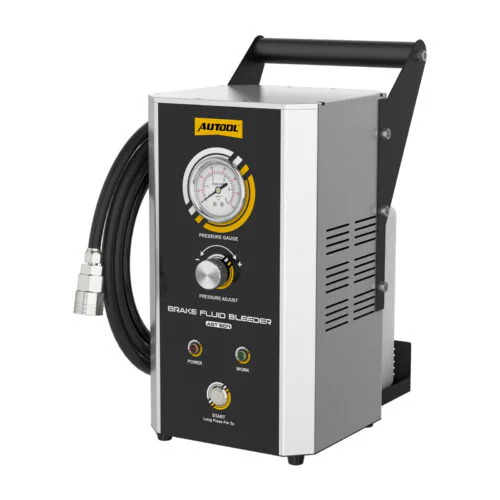
Bromsvätskeläckage
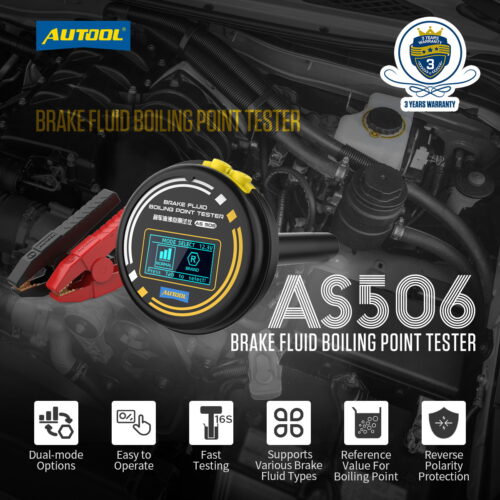
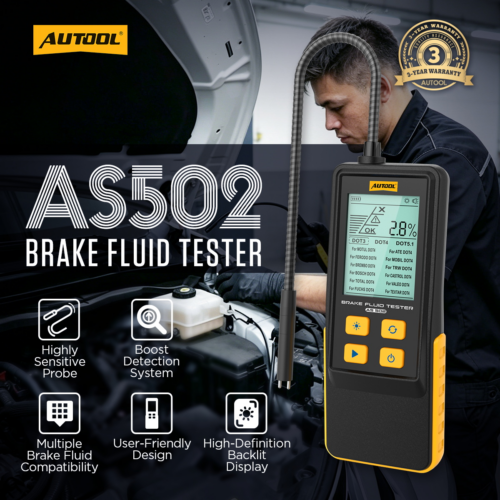
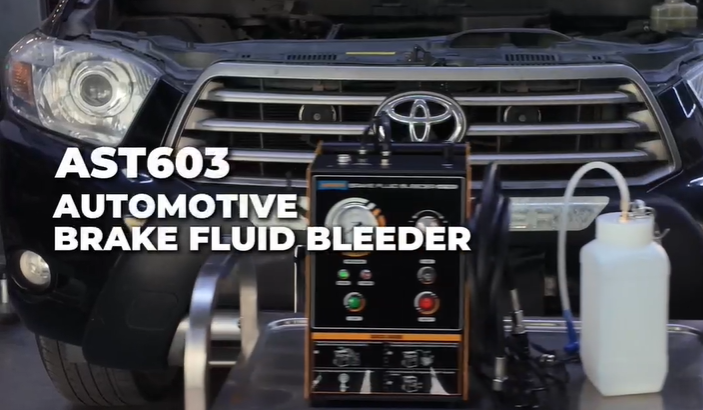
Bromsvätska har en liknande färg som motorolja och en hal konsistens, så den är lätt att förväxla med motorolja. Bromsvätska är dock frätande, så lukten är mycket starkare än motorolja.
Om vätskan på marken avger en skarp metallisk lukt är det bromsvätska. Bromsvätska är avgörande för bilens bromsars säkerhet och läcker vanligtvis nära de fyra hjulen från bromsfördelarpumpen.
Om det finns ett läckage av bromsvätska är det bäst att inte fortsätta köra. Det är klokt att ringa efter hjälp och låta en bärgningsbil ta bilen till en verkstad.
Kondensläckage från luftkonditionering
Bara på sommaren, om det finns en liten pöl av färglös och luktfri vätska på marken, få inte panik. Det är bara kondensat från luftkonditioneringen, vilket är ett normalt fenomen.
Men om det finns mycket kondens på marken, då behöver du kontrollera om bilens luftkonditioneringssystem har problem som gör att kondensorn fryser.
Relaterade produkter
Renderas via WooCommerce-produktens kortkod så att korten ärver den globala produktkortsstrukturen och Blocksy/WooCommerce-stilarna.