AUTOOL Blog, Repair Information
Why Your Car Shaking & What to Do About It

October 22, 2025
Share:
 autoolstore.com
Repair Information
Experiencing car shaking while driving is a frustration many car owners face, especially with vehicles that have higher mileage or a longer service life. The vibration may show up as a slight tremor in the steering wheel while idling, or as a noticeable body shake at higher speeds.
Many drivers treat car shaking as a minor issue or assume it is simply a sign of vehicle aging. In reality, vibration is often an early warning signal. It can point to hidden mechanical or electrical faults that should be checked before they become larger repair problems.
Quick Check
The safest way to start is to note when the shaking happens. The timing of the vibration usually narrows down the system that needs inspection.
Symptoms and Fixes
Use the following sections to compare the symptom, likely cause, and recommended repair direction. The goal is to inspect the right system first instead of replacing parts blindly.
Symptom: The vehicle may shake while waiting at a red light, during engine warm-up, when starting from low speed, or during sudden acceleration. The shaking can come with sluggish power delivery or knocking sounds.
Cause: The main culprit is usually the ignition system. Spark plugs may wear out or become carbon-fouled, reducing ignition efficiency and causing incomplete combustion. This is more common once spark plugs exceed the recommended replacement interval, typically 30,000-60,000 km.
Ignition coils can also deteriorate. If insulation breaks down or the internal circuit fails, voltage output becomes unstable and can lead to cylinder misfires, noticeable idle shake, and vibration during acceleration.
Solution: Test the ignition system first. Replace spark plugs with the correct specification if they are worn or fouled. If an ignition coil is faulty, replace the affected coil or the entire set when necessary to restore smooth engine performance.
Symptom: If the car runs smoothly in neutral but starts vibrating when shifted into drive or reverse, the issue likely comes from the engine mount or motor mount. The vibration may come with engine bay noise and can worsen during a cold start.
Cause: Engine mounts absorb vibration from the running engine. Over time, the rubber material can age, harden, or crack. When shifting into D or R, engine load increases, and a weakened mount may transmit vibration directly into the body.
Solution: Replace worn or damaged engine mounts with genuine or high-quality aftermarket parts. Correct installation and alignment help restore stability and reduce shaking when changing gears.
Symptom: When driving above 80 km/h, or about 50 mph, vibration through the steering wheel or seat often points to wheel imbalance. The vibration intensity usually increases with speed and can affect the vehicle’s trajectory.
Cause: Missing or displaced wheel weights, uneven tire wear, or an off-center rotating assembly can create centrifugal force imbalance and make the whole vehicle shake at speed.
Solution: Perform a wheel balancing service to adjust the position and weight of the balance clips. Also check tire pressure, tread wear, and whether the rims are bent. Repair or replace faulty parts to eliminate high-speed vibration.
Symptom: If the car vibrates or makes a metallic noise when suddenly accelerating above 60 km/h, or about 37 mph, but drives normally during steady cruising, the problem may lie in the drive shaft.
Cause: A worn universal joint, loss of grease, or loose connection can cause uneven power delivery. If the drive shaft itself is bent or deformed, its rotation becomes unbalanced at high speed and creates strong vibration.
Solution: Minor issues may be fixed by replacing the universal joint boot, adding grease, or tightening bolts. For more severe cases, a bent or excessively worn drive shaft should be straightened or replaced.
Symptom: If the car shakes slightly while idling, such as during warm-up or waiting at a light, but the vibration disappears when you press the gas pedal, the issue often involves the throttle body.
Cause: Carbon buildup inside the throttle body disrupts airflow balance, which can lead to unstable combustion and idle vibration.
Solution: Remove and clean the throttle body thoroughly, including the valve plate and air passages. Perform an idle relearn procedure afterward to recalibrate airflow and restore steady idle operation.
Symptom: If the steering wheel shakes or the brake pedal vibrates when applying the brakes, the problem likely comes from worn or warped brake rotors. The vibration often becomes stronger during harder braking.
Cause: Uneven heating or heavy braking over time can warp brake rotors or create deep grooves on the surface. This causes uneven pad contact and vibration during braking.
Solution: If the rotors are only slightly worn, resurfacing them may fix the issue. If they are severely warped or too thin, replacement is the safer solution.
Symptom: If the car shakes and also makes strange exhaust noises, such as deep rumbles or metallic rattles during acceleration, the problem may be in the exhaust system.
Cause: Carbon buildup, pipe leaks, or loose exhaust connections can restrict gas flow or cause vibration and noise.
Solution: Clean the exhaust passages and catalytic converter to remove carbon deposits. Repair leaks, replace gaskets and bolts where needed, and replace severely corroded pipes.
Symptom: If the car vibrates violently or produces clunking noises when passing over potholes, bumps, or speed humps, the issue usually involves shock absorbers or suspension bushings.
Cause: Worn shocks lose their damping effect, and aged rubber bushings can create metal-to-metal contact, causing noise and vibration.
Solution: Replace faulty shock absorbers, preferably in pairs, and replace worn suspension bushings. Retighten all related components to restore stable and smooth handling.
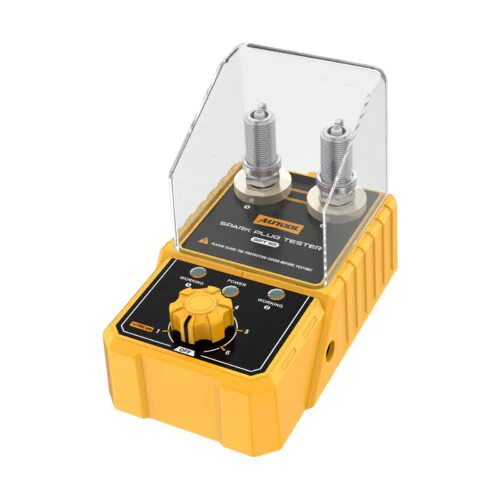
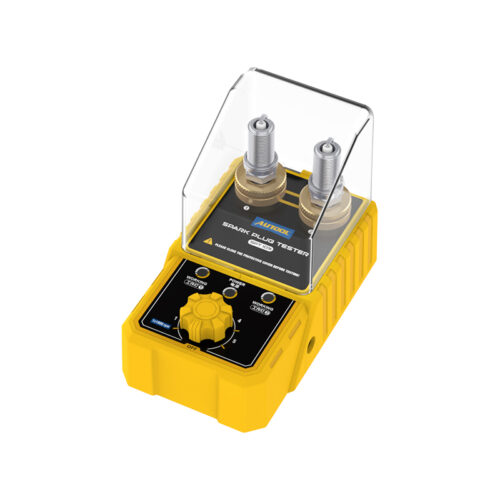
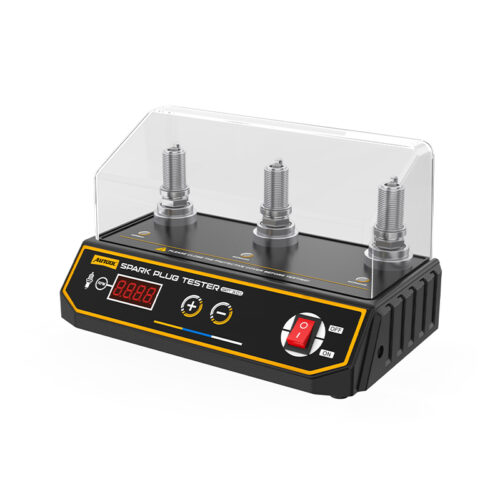
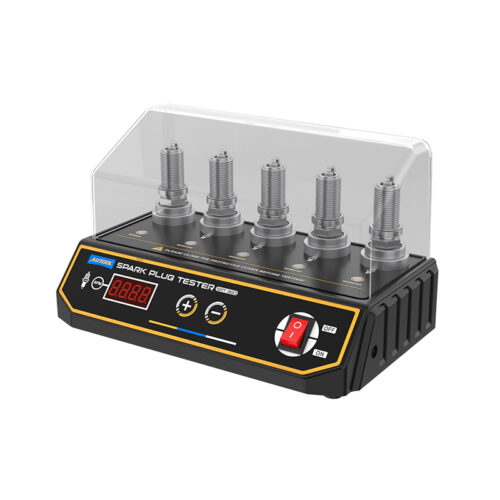
Ignition System Tools
When vibration points to spark plugs or ignition coils, testing the ignition system before replacing parts helps avoid unnecessary repairs.




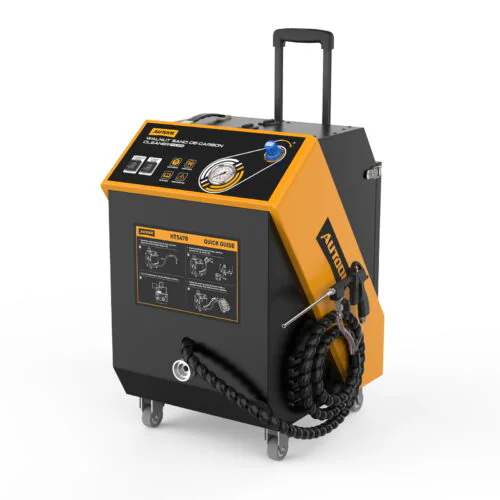
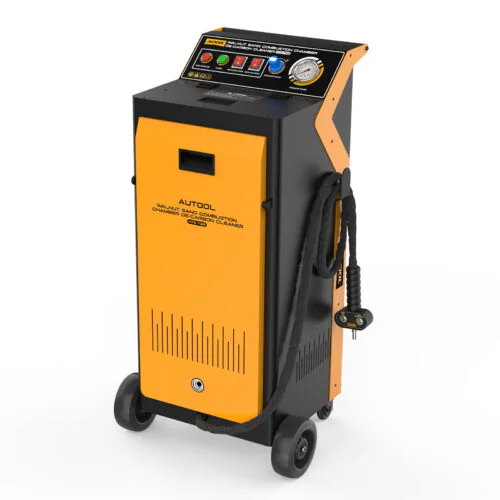
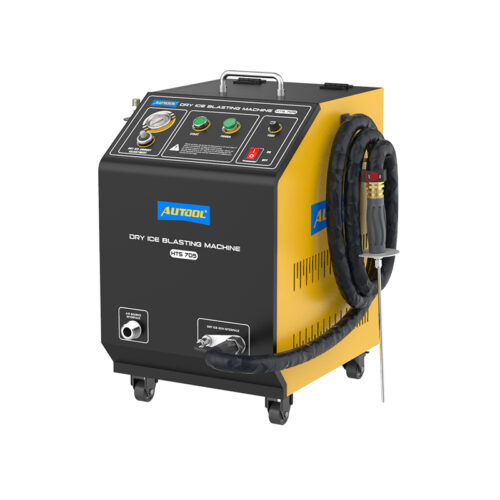
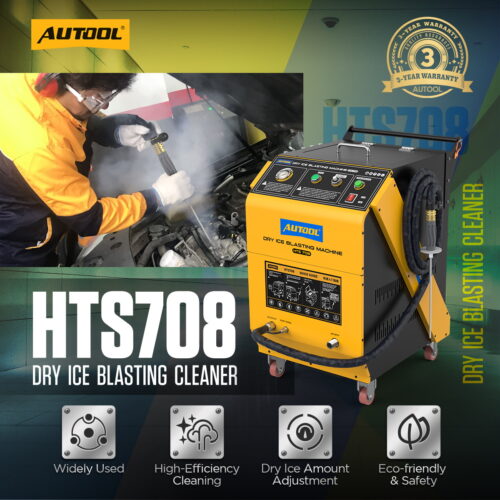
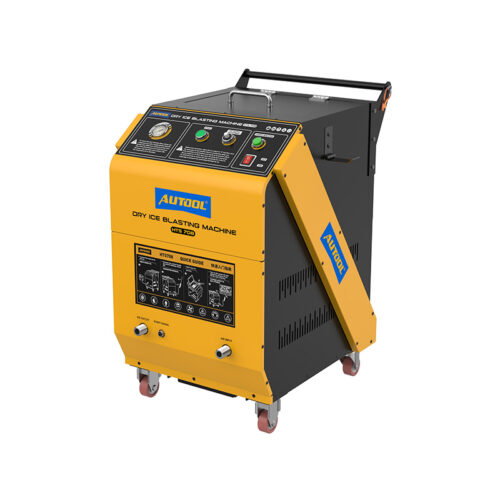
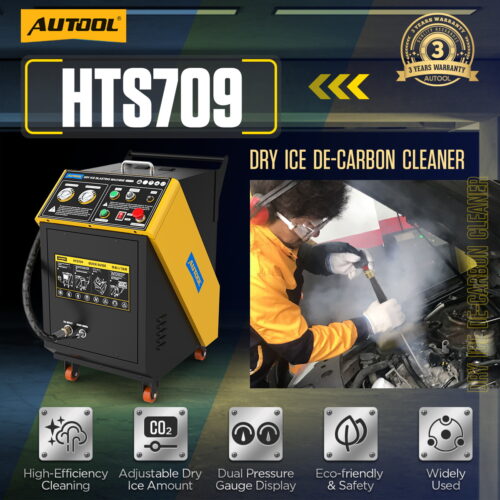
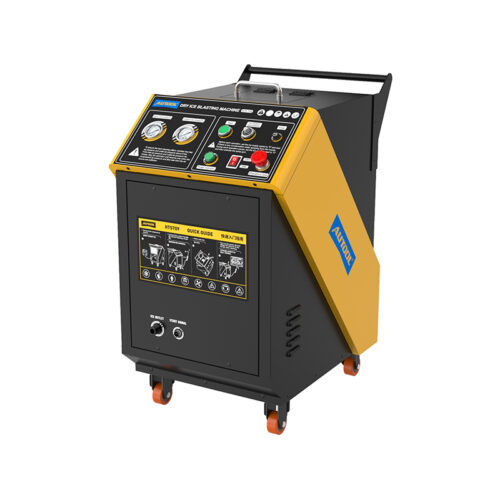
Carbon Cleaning Tools
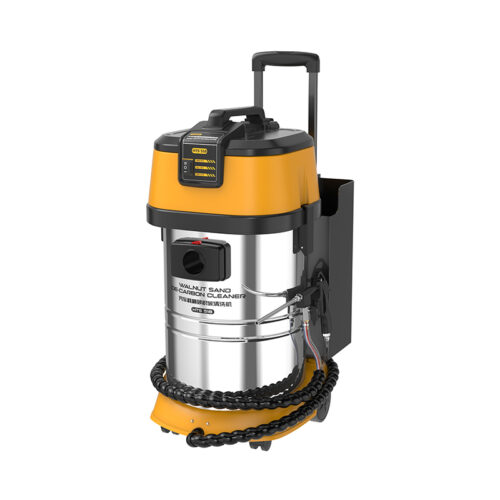
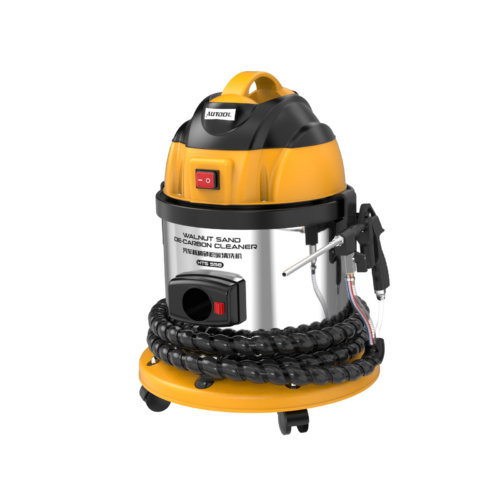
If vibration is related to carbon buildup in the throttle body, intake system, exhaust passages, or catalytic converter, cleaning equipment can support a targeted repair workflow.





Conclusion
Car shaking is common, but it often hides deeper mechanical, electrical, or structural faults. Whether it happens during idling, acceleration, braking, high-speed driving, or while passing over uneven roads, each symptom deserves attention.
Proper inspection and targeted repair not only eliminate vibration but also help extend vehicle lifespan and support a safer, more comfortable drive.
For regular maintenance, check the ignition system, wheel balance, drive shaft, suspension, and braking system. Clean carbon buildup regularly and replace worn components promptly. If abnormal vibration or noise appears, arrange professional diagnostics early because small issues can turn into major repairs if ignored.
Contact AUTOOL
For product support or tool selection questions, contact AUTOOL through WhatsApp or email.
Related Products
Rendered through WooCommerce product shortcode so the cards inherit the product-card structure used by the reference post layout.