Tips & Tutorials
The car noise is getting louder and louder, it may be these problems

January 14, 2022
Share:
 autoolstore.com
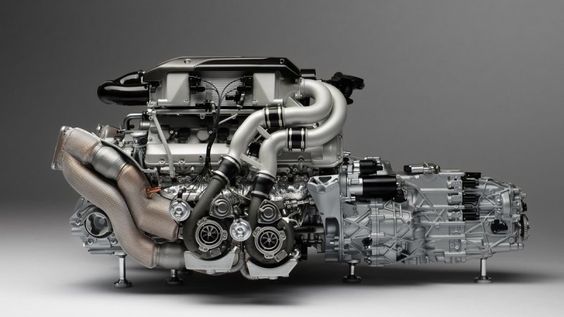
When a car becomes louder and louder, the problem may not come from only one place. Engine oil, carbon buildup, engine mounts, tires, and shock absorbers can all change the way the vehicle sounds and feels.
This guide organizes five common causes from the original article so you can check the likely source in a more practical order before deciding what needs service.
Causes 01-03
When changing the oil, many drivers may try different oils to find the type that suits their use. For the engine, however, oil that is too viscous may lead to insufficient oil flow into the hydraulic tappet each time.
This can result in valve rattling and noise. In this case, replacing the oil with relatively lower-viscosity gasoline engine oil can solve the problem.
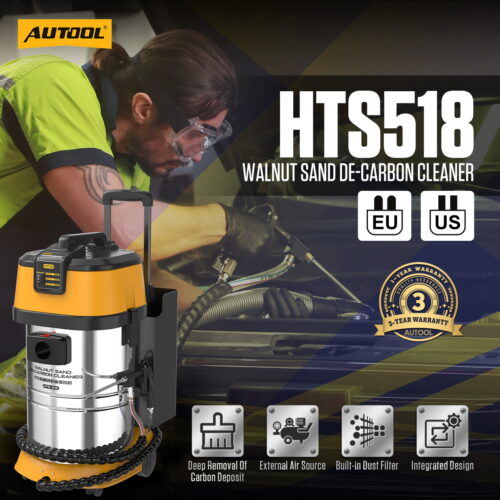
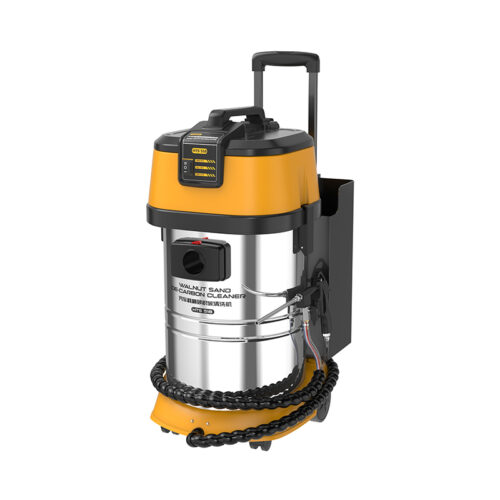
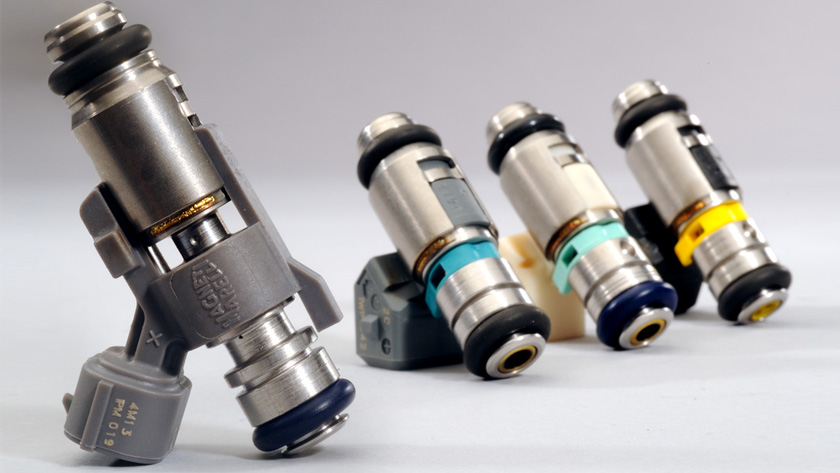
Using old engine oil can lead to thinner oil and more carbon deposits. Thin oil is easier to enter places it should not, causing more carbon deposits and reducing power.
When you change to new oil, the engine may temporarily fail to adapt to the viscosity of the new oil. This may raise the speed and make the engine noisy. You can clean up engine carbon accordingly.
The engine rubber feet support the engine and absorb vibration transmitted into the car by the engine. When the engine rubber feet are aging or broken, car shaking and noise increase, affecting ride comfort.
In serious cases, fractured engine rubber feet can even lead to the engine coming off the frame. Therefore, if the engine noise is too loud, check the condition of the engine rubber feet. If they are aging, the problem is usually handled by replacement.
Causes 04-05
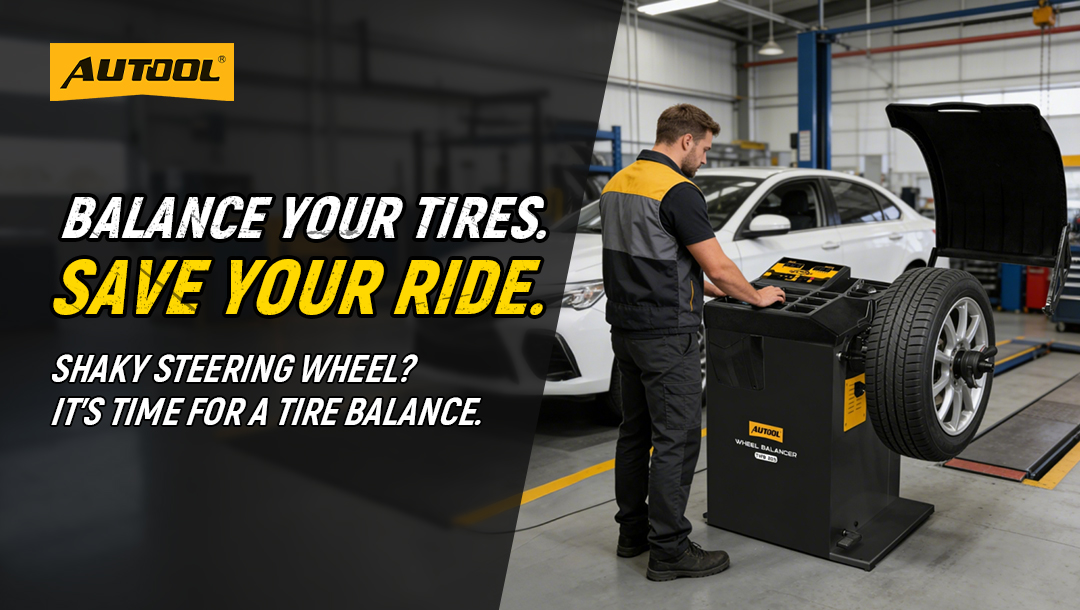
The noise generated by tires should not be ignored. If tires are badly worn or the tread pattern is aging, tire noise may become bigger and bigger.
Ordinary tire tread balances fuel consumption and quietness with a compromise strategy, while sports-oriented tires give up part of quietness for grip and other performance. If you have high requirements for vehicle quietness, replacing tires with quieter ones can make the effect much better.
Generally, when crossing a speed bump, the shock absorber relieves the vehicle’s vibration. Once the car shock absorber has failed, the effect is not obvious, the comfort level is reduced, and the noise inside the car will increase.
If the car noise is getting louder, start with simple checks such as oil condition, tire wear, and visible vibration. Then inspect carbon buildup, engine rubber feet, and shock absorber performance if the noise or shaking continues.
Different noises point to different systems, so matching the symptom to the source helps avoid unnecessary replacement and makes the inspection more efficient.
Related Products
Rendered through WooCommerce product shortcode so the cards inherit the global product-card structure and Blocksy/WooCommerce styles.